Mahuli Fort: A Hill Fort in Maharashtra, India
Site at a Glance
- Popularity
- High
- Country
- India
- Primary era
- Unclassified
- Eras represented
- Unclassified
- Civilizations
- Unclassified
- Site type
- Military
- Remains
- Fort
On this page10 sections
History
Mahuli Fort is a hill fort in Maharashtra, India, associated with the final battle of the Ahmadnagar Sultanate and centuries of changing political control. A 15th- to 17th-century Marathi chronicle, the Mahikavatichi Bakhar, gives Mahuli’s name in a Prakritized form of the Sanskrit Madhu-palli. The suffix palli was used for a small village in the era of the Shilaharas, a medieval dynasty in western India.
Sultanate rule and Shahaji’s occupation
In 1485, Malik Ahmad Nizam Shah captured the fort on behalf of the Bahmani Kingdom, a Muslim-ruled state in the Deccan. In 1635–36, the Maratha military leader Shahaji came to Mahuli with his wife, Jijabai, and their son Shivaji, and occupied the fort. When Khan Jaman attacked, Shahaji sought Portuguese support. They refused, and Shahaji surrendered.
Mughal-Maratha struggles
Shivaji captured Mahuli from the Mughals on 8 January 1658. He lost it in 1661 and later recovered it, but the 1665 Treaty of Purandar, an agreement in the Mughal-Maratha conflict, again cost the Marathas their forts. In February 1670, Shivaji’s effort to retake Mahuli failed while Manohardas Gaud was in command. About 1,000 Marathas died, most from nearby villages. After a commander from the Kadam family was killed, Shivaji called him “our gold” and gave his family the surname Sonare.
Manohardas Gaud soon gave up his command, and Alveerdi Beg took his place. On 16 June 1670, Moropant Trimbak Pingle captured Mahuli along with Bhandargad and Palasgad. The three forts then became part of Swarajya, Shivaji’s Maratha polity of self-rule.
British control and modern status
Shivaji’s dynasty held the fort until 1817, after which it came under British control. Its recorded holders also include the Ahmadnagar and Bijapur sultanates, the Maratha Empire, British India, and the Government of India. Mahuli is a protected monument and falls within the jurisdiction of Tansa Wildlife Sanctuary; the surrounding forest has also been declared a sanctuary. A local eco-development committee was formed through joint forest management, which involves forest authorities and local communities, to support habitat protection and local livelihoods.
Remains
Hill complex
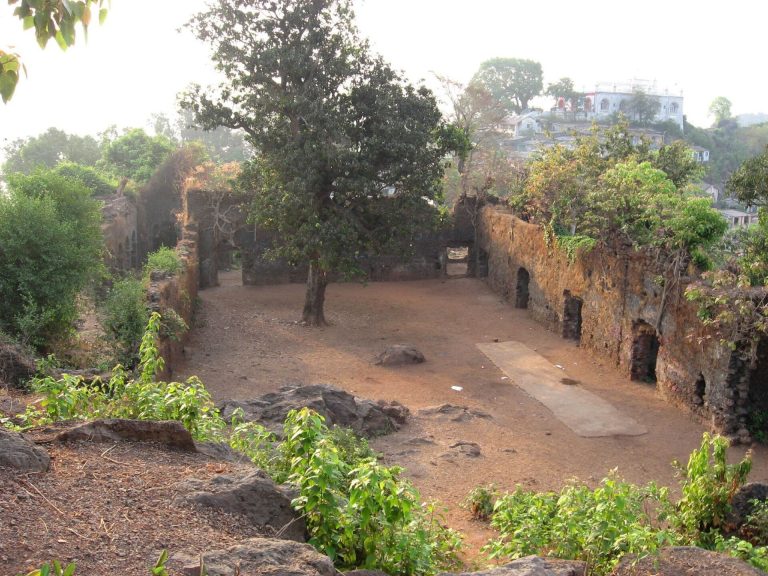
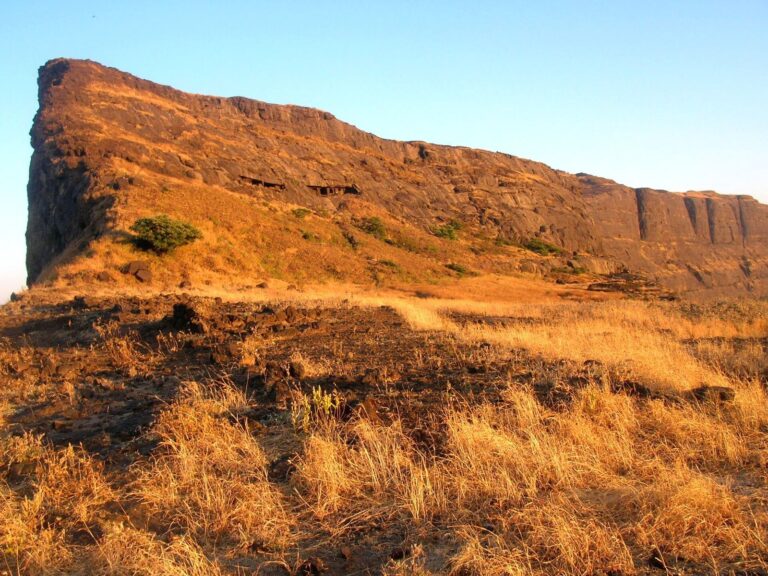
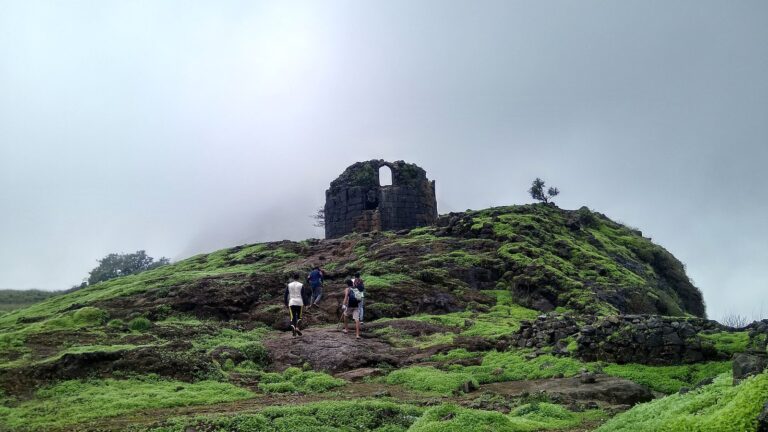
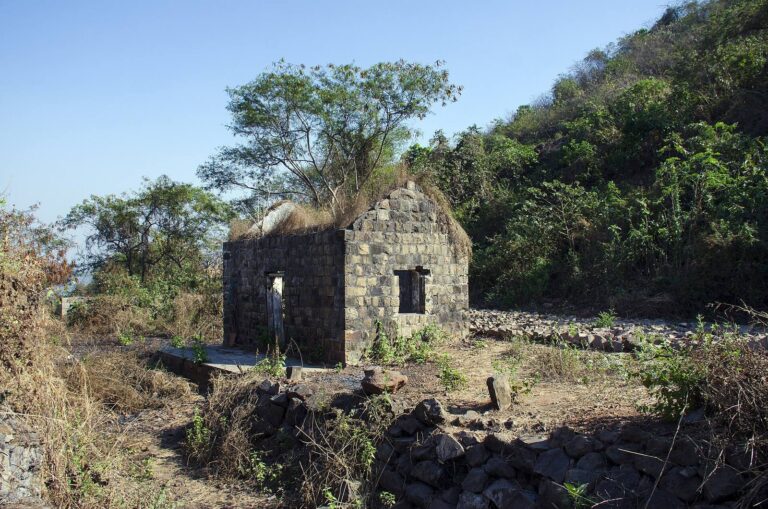
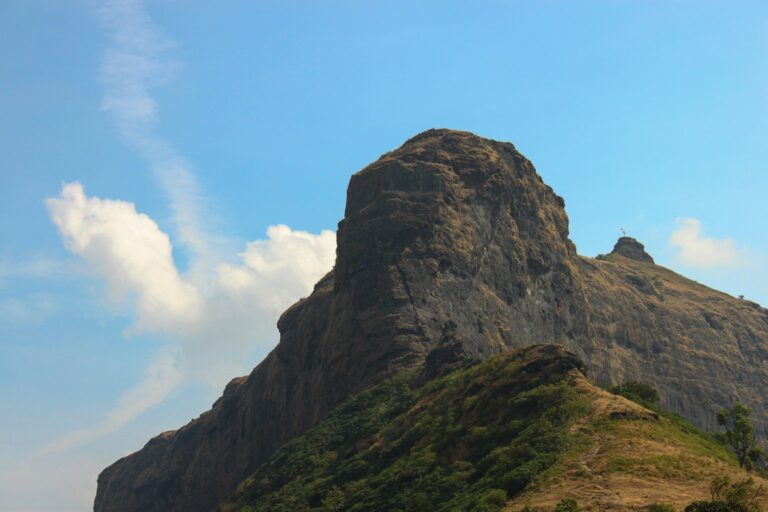
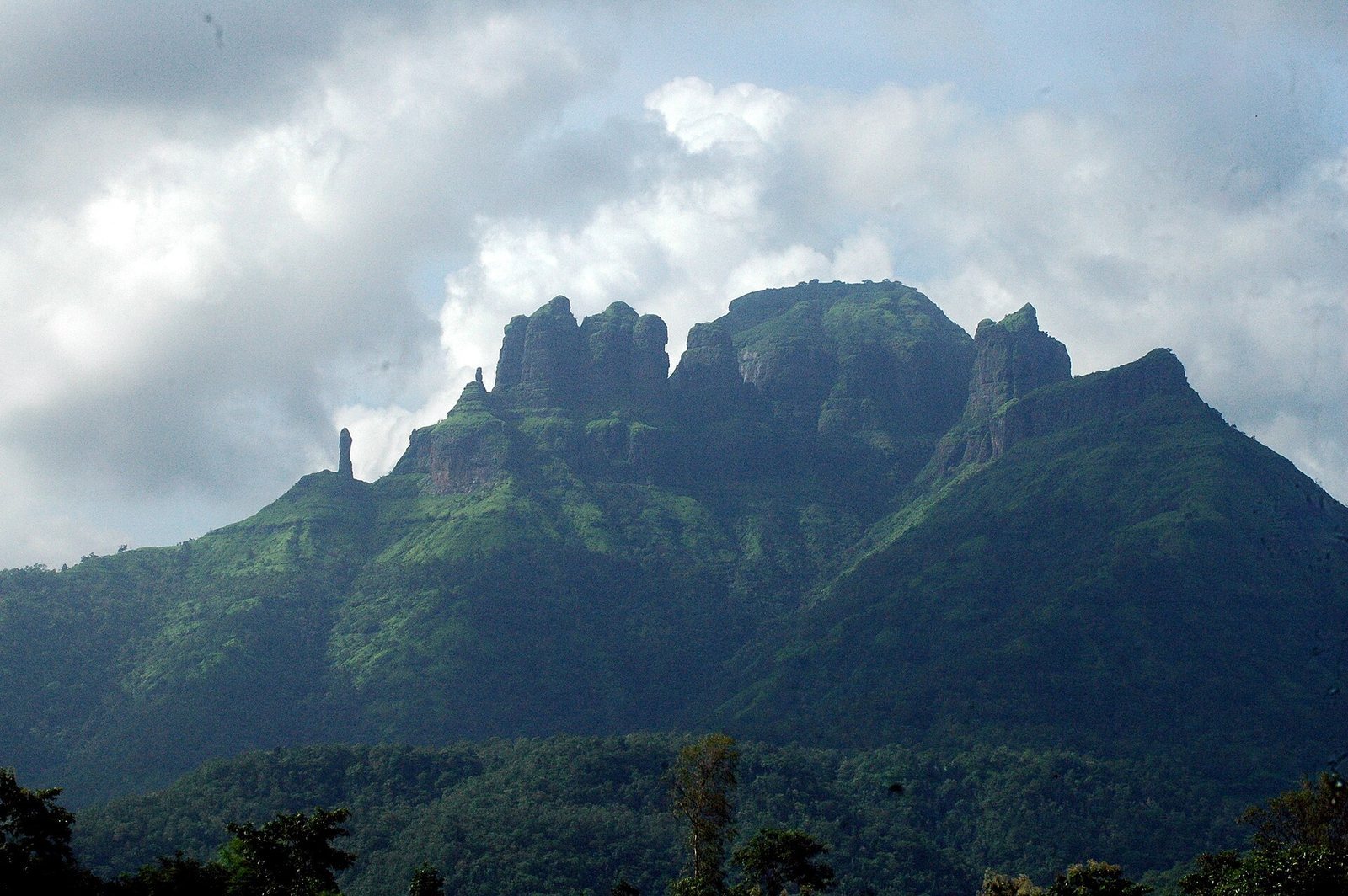
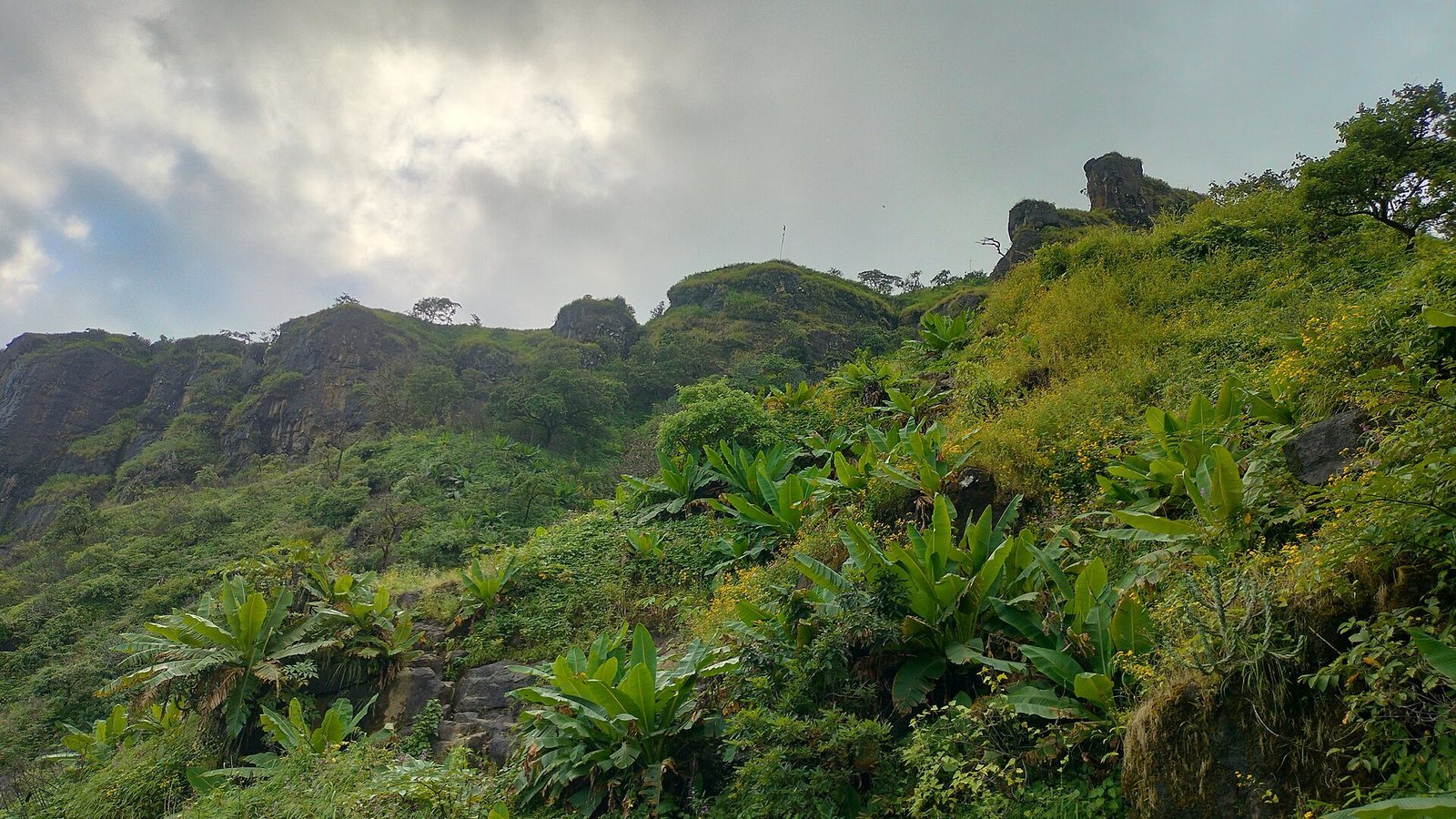
The ruined fort extends across about 6 km of elevated terrain, at 2,815 feet above sea level. Its mountain complex consists of two or more hills connected by saddle-like low points, with the nearby pinnacles of Vazir and Vishnu. Mahuli is the highest point in Thane District.
Structures and features
Shiva temple and cistern
An open-air Shiva temple stands on top of the fort, alongside a small cistern that provides drinking water throughout the year.
Caves
Three caves are found at the site. The largest is sometimes used as an overnight shelter.
Kalyan Darwaja
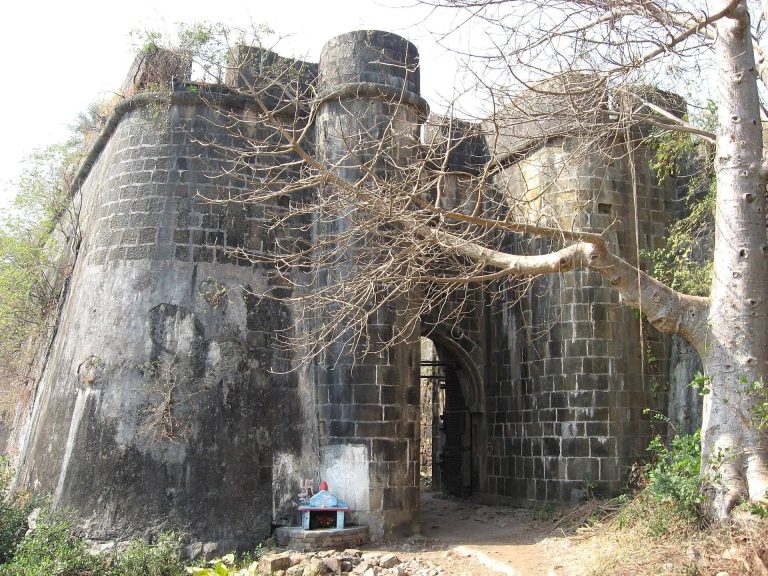
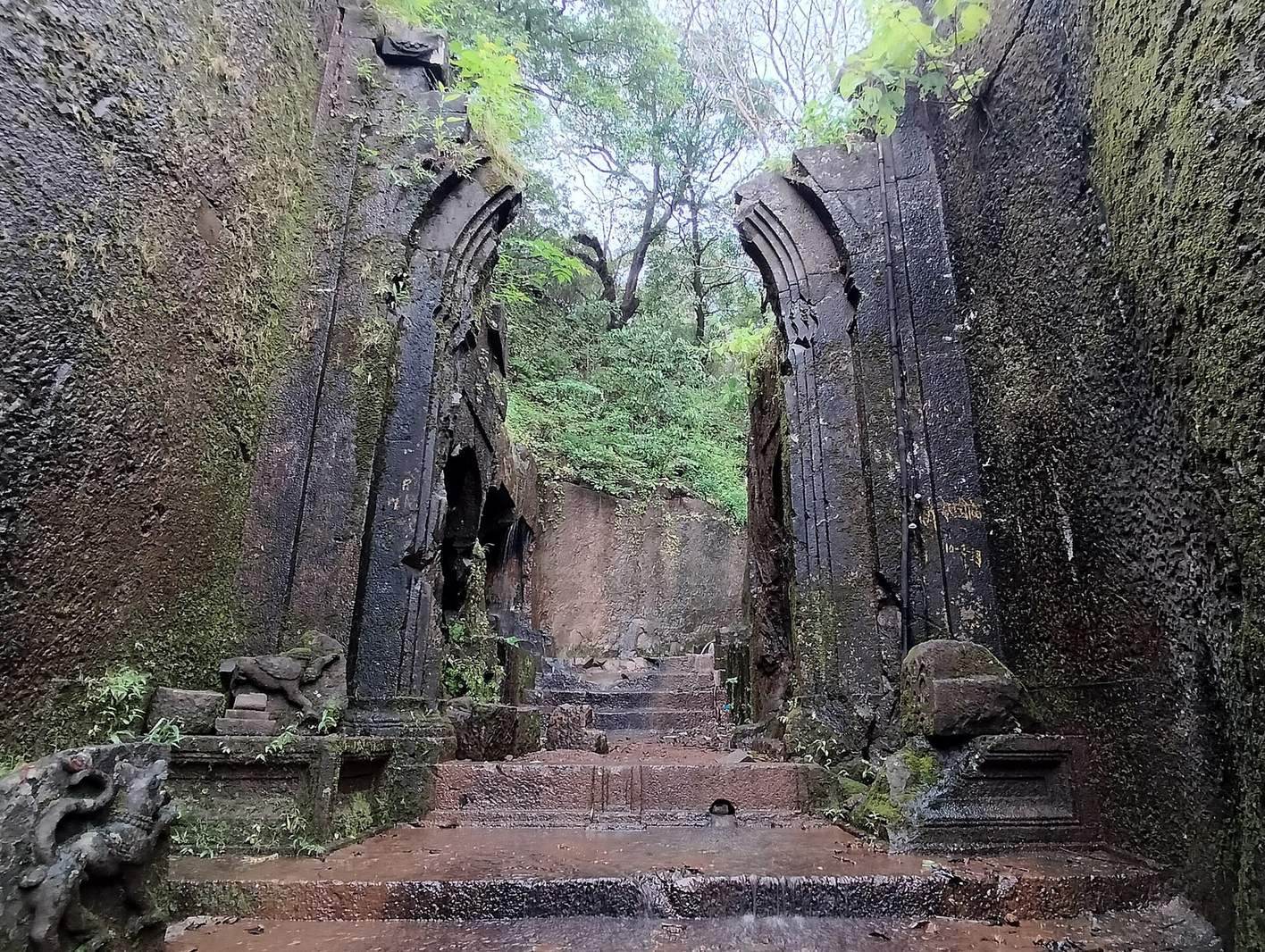
A stone arch known as the Kalyan Darwaja has a broken dome.