Eichholz Estate: A Historic Country Estate near Wesseling
Site at a Glance
- Popularity
- Medium
- Country
- Germany
- Primary era
- Modern
- Eras represented
- Medieval, Modern
- Civilizations
- Electorate of Cologne, Holy Roman Empire, Kingdom of Prussia
- Site type
- Domestic
- Remains
- Manor House
On this page6 sections
History
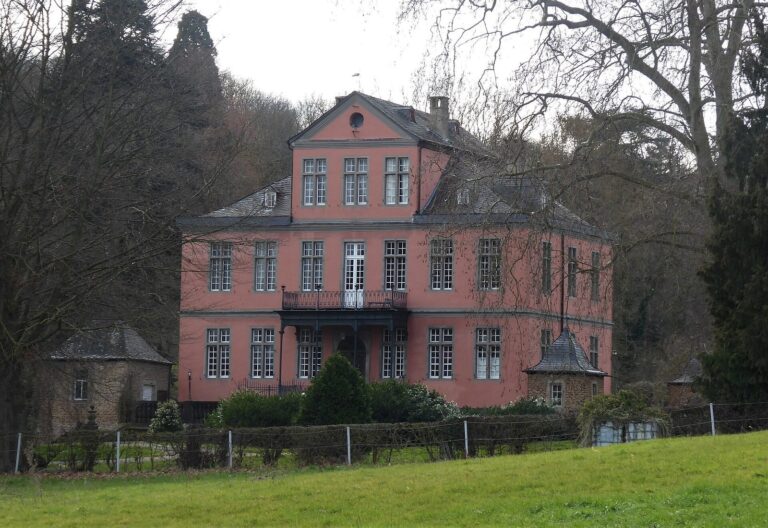
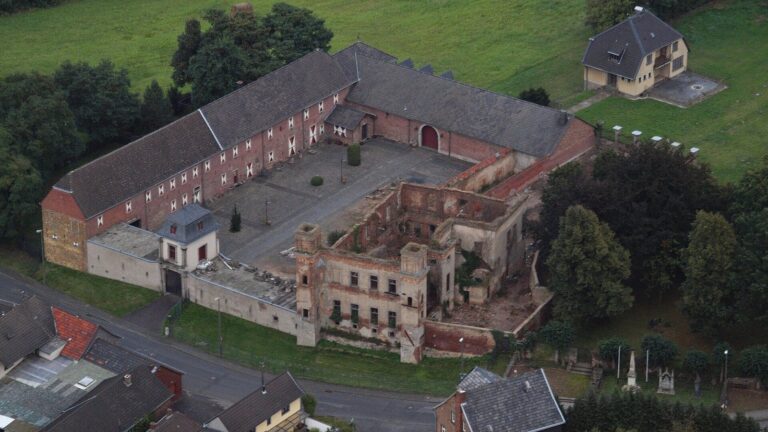
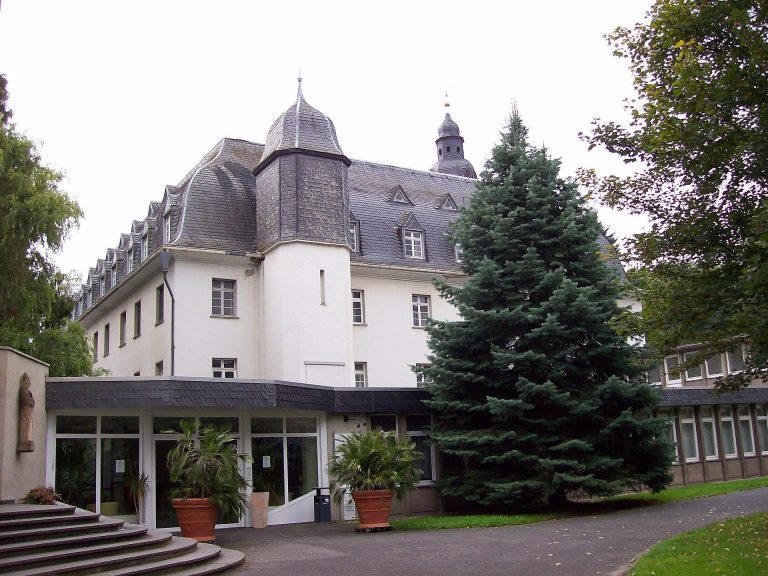
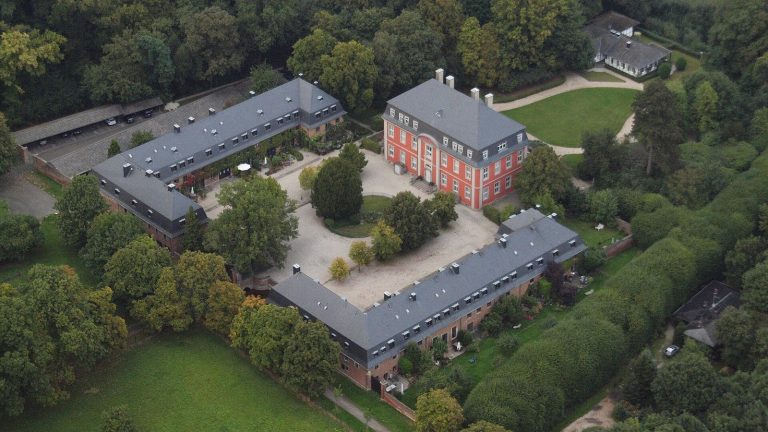
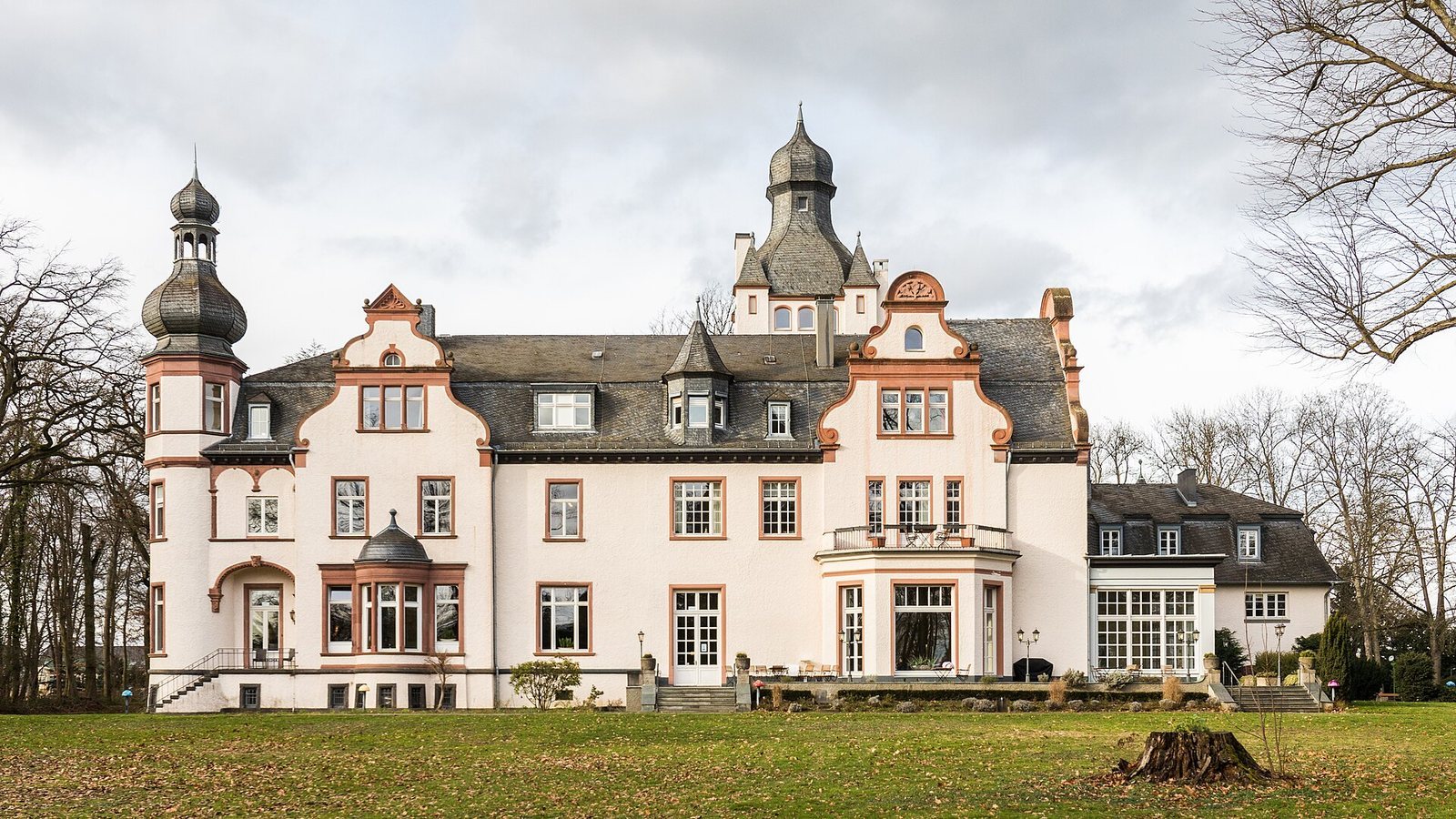
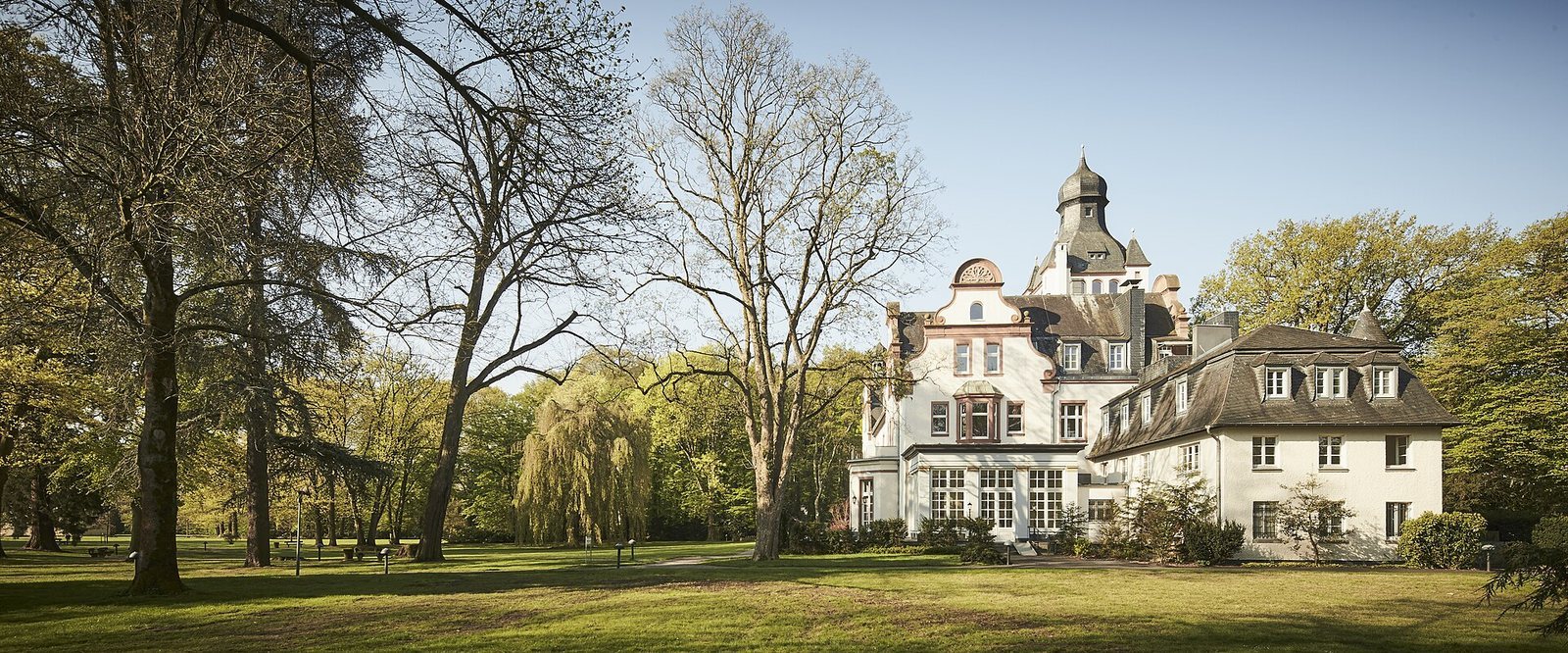
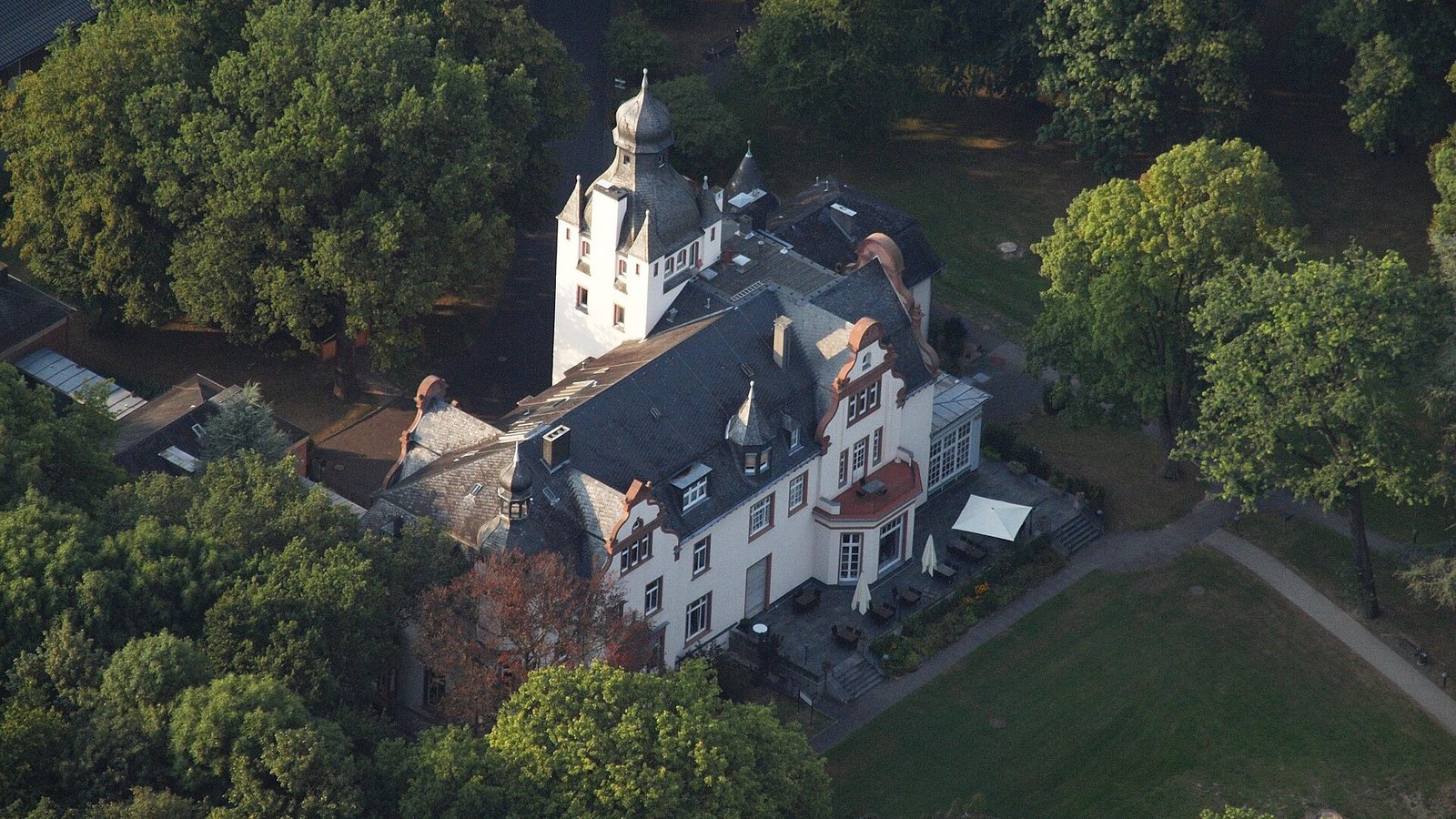
The Eichholz Estate, popularly known as Schloss Eichholz, lies near Wesseling in North Rhine-Westphalia, Germany. It took shape through several nineteenth-century stages of rebuilding and expansion from older farms.
Medieval farm and monastic ownership
A Benedictine nunnery, a women’s monastic community following the Rule of Saint Benedict, held land in the area and used it chiefly for forestry. The monastery of Dietkirchen in Bonn later cleared part of an oak woodland and established a farm there. The name Eichholz probably comes from that woodland. The farm was first mentioned in 1320 as Eycholtz, was subsequently enlarged, and remained under the ownership of the abbesses of Dietkirchen.
From 1464, the abbesses altered the farm’s management and leased it to tenant farmers. During the Thirty Years’ War, the property suffered severe damage and was partly destroyed.
French administration and nineteenth-century rebuilding
From 1794, the farm was administered by France and was also known as Michelshof. It was sold at auction in 1807 to the broker Boismard for 18,700 francs. Michael Bütz bought it in 1821, but a fire the following year destroyed most of the property. Baron J. G. von Carnap then rebuilt and substantially enlarged the farm.
Ownership passed to H. Naße, a Privy Councillor, in 1854. The title was a senior administrative honorific. Paula, Countess of Fürstenberg, acquired the estate in 1865, and Carl Joest bought it in 1888. Joest added land and developed the farm into a representative country estate. It was popularly called Schloss Eichholz from this period.
Educational and clinical use
The Society for Christian-Democratic Educational Work, a predecessor of the Konrad Adenauer Foundation, acquired the estate in 1955. The foundation ran an educational academy there from 1956 until the property was sold in 2014; educational activities ended in December of that year. Since 2016, the estate has housed an inpatient and day-patient trauma clinic and a child and adolescent psychiatric facility.
Remains
The physical remains include the estate’s country house, built during its nineteenth-century rebuilding, and archaeological remains in the Wesseling-Eichholz industrial area. Von Carnap’s rebuilding enlarged the farm’s footprint, and the country house he built remains part of Schloss Eichholz.
Roman remains in the industrial area
In 1986, foundations of a Roman villa, a country residence or agricultural estate in the Roman world, were uncovered in the industrial area. Remains of a cemetery and a water pipe were found with them, along with household objects.