Childwickbury Manor: A Hertfordshire Country House and Estate
Site at a Glance
- Popularity
- Very High
- Country
- United Kingdom
- Primary era
- Early Modern
- Eras represented
- Early Modern
- Civilizations
- British
- Site type
- Domestic
- Remains
- Manor House
On this page8 sections
History
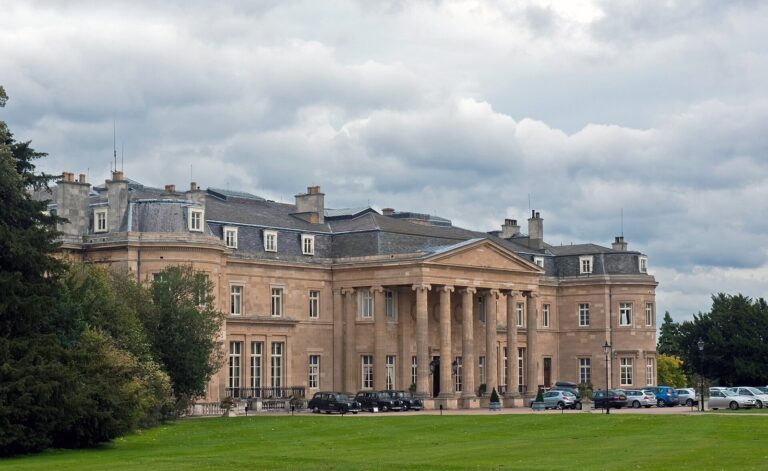
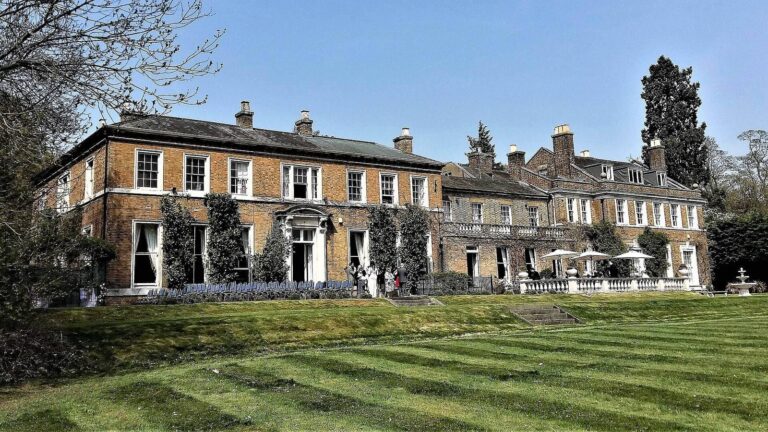
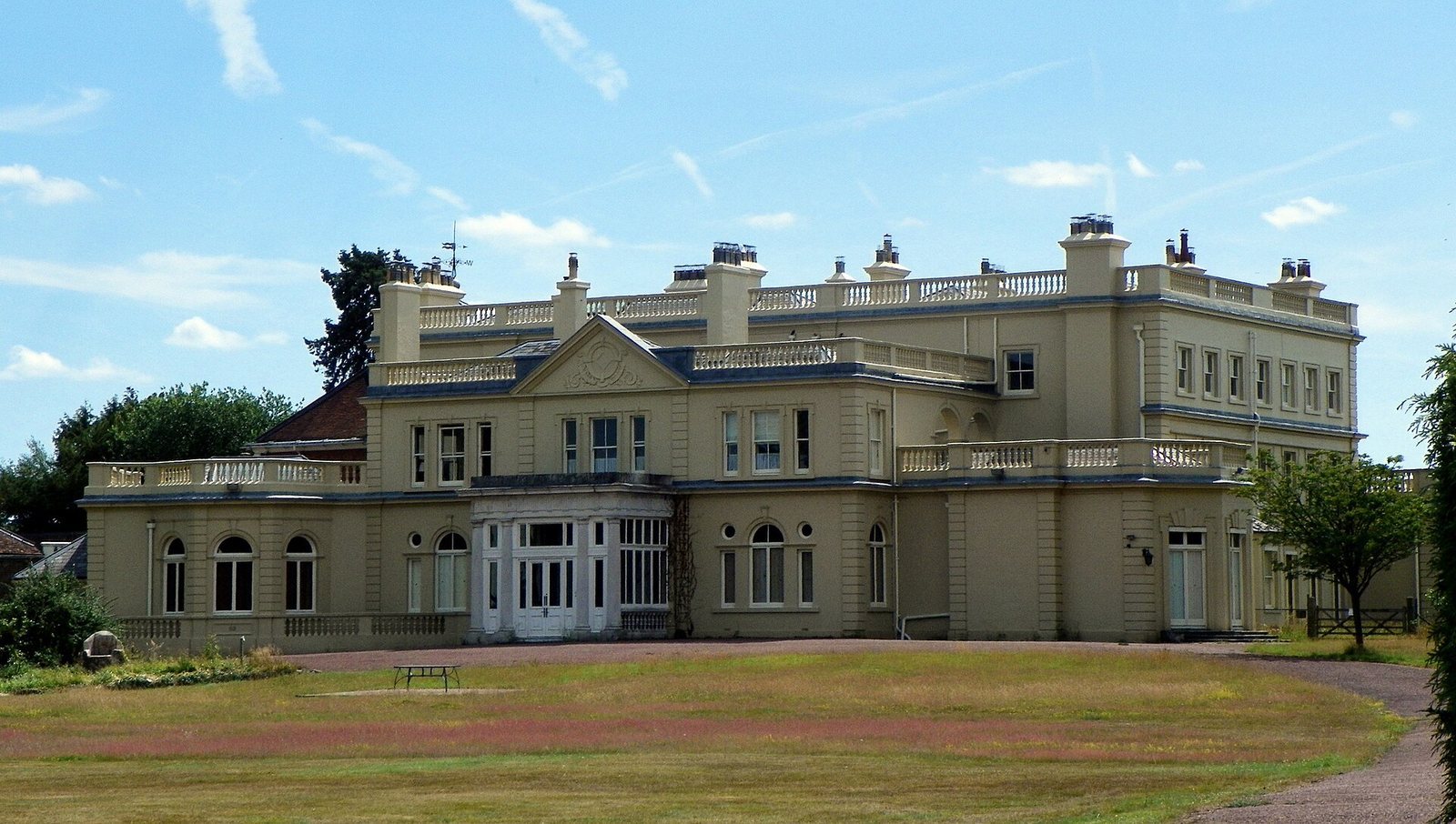
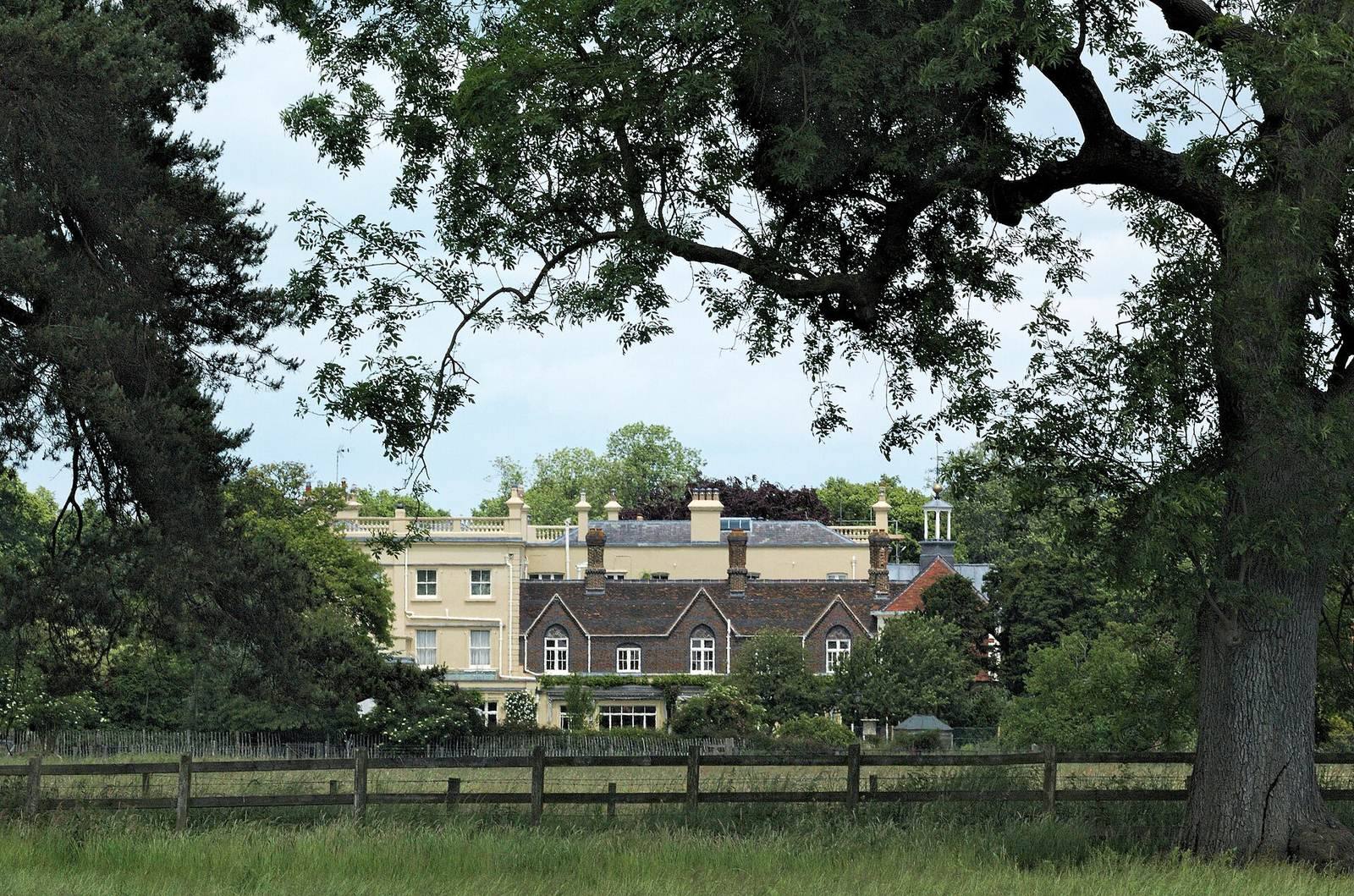
Childwickbury Manor is a country house and estate in the hamlet of Childwickbury, Hertfordshire, United Kingdom, between St Albans and Harpenden. The house dates mainly from the eighteenth century. Its history includes the growth of a horse-breeding enterprise and its later use as filmmaker Stanley Kubrick’s home and production base.
The Lomax family and later owners
The Lomax family bought the house in 1666 and lived there until 1854, when Joshua Lomax sold it to Henry Hayman Toulmin. A wealthy shipowner, Toulmin served as High Sheriff of Hertfordshire, a county-level office in England, and as mayor of St Albans. His granddaughter, the author Mary Carbery, was born at the house. About two decades after purchasing the property, Toulmin left it to Sir John Blundell Maple, 1st Baronet, a holder of a hereditary British title.
Horse breeding and racing
Maple bred and raced thoroughbred horses and developed Childwickbury Stud, a horse-breeding establishment, into a highly successful operation. In 1906, racehorse owner Jack Barnato Joel bought the estate, including the stud. After Joel died in 1940, his son Jim took over the operation. Jim also bred and raced horses, and maintained the property until 1978. That year, the manor and stud were sold separately; the stud went to the Marquesa de Moratalla, a Spanish title meaning Marchioness of Moratalla.
Stanley Kubrick’s home and workplace
American filmmaker Stanley Kubrick bought the manor in 1978 and used the estate as both his home and a centre for his film productions. He lived there until his death in 1999. His widow, Christiane Kubrick, continues to live in the manor house.
Remains
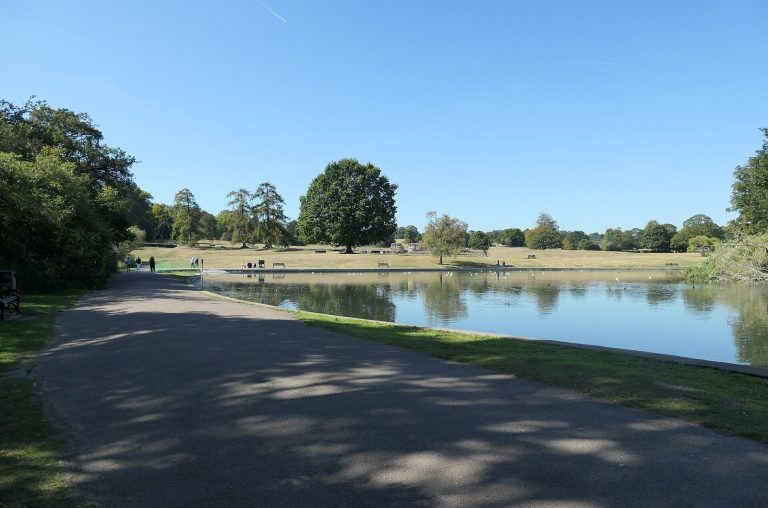
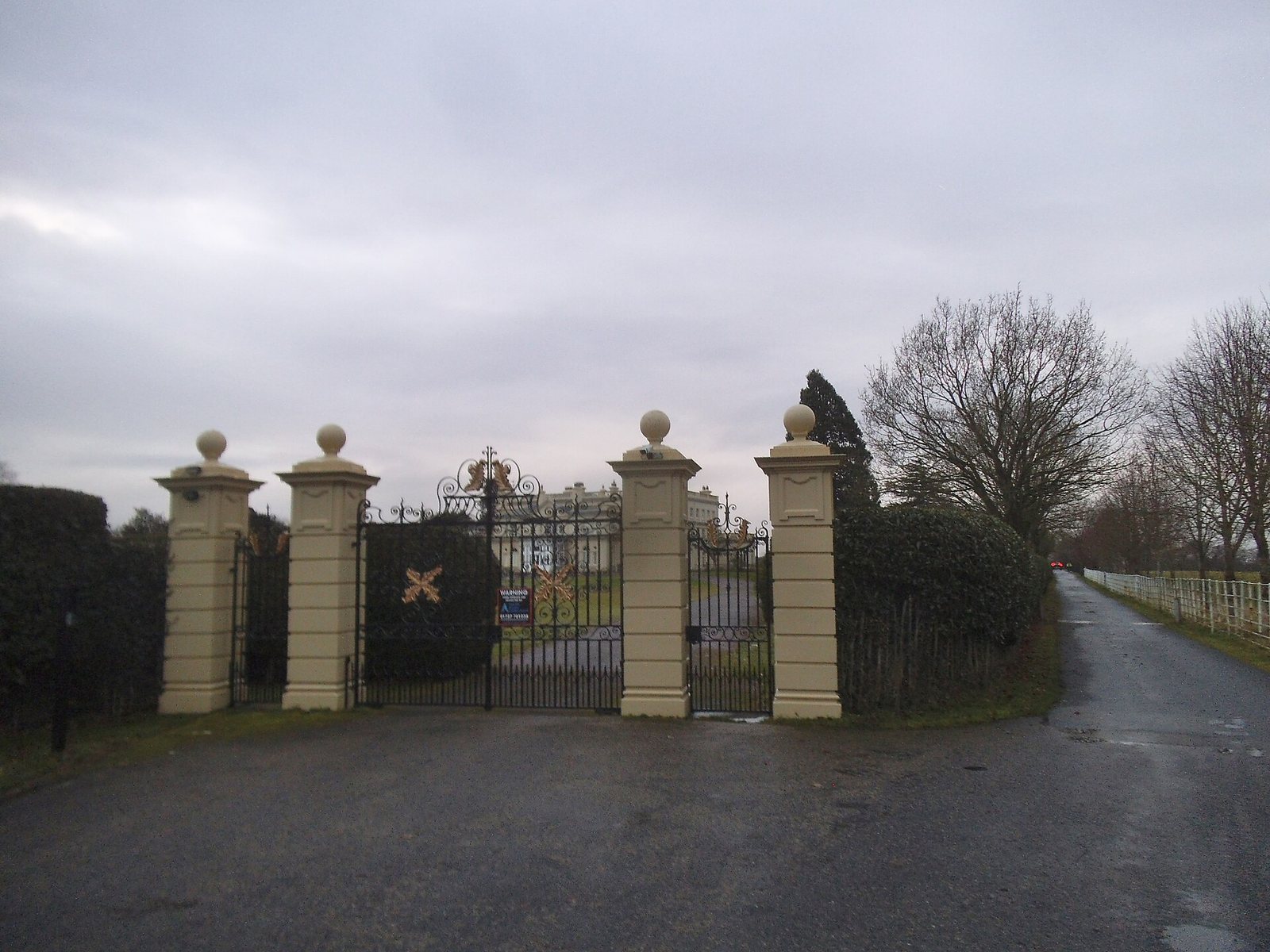
The estate centers on the manor house and its grounds, with parkland, gardens, farm holdings and facilities associated with horse breeding. A 1978 sale description gives a snapshot of the house and the wider estate at that time.
Manor house and grounds
The 1978 description listed 12 reception rooms, 18 bedrooms and dressing rooms, 11 staff bedrooms and 10 bathrooms in the manor house. The grounds included wooded parkland, a walled garden, a courtyard with garages and an apartment, and an estate office. Other features included a Victorian dairy with about 19 acres, two carriage houses, and a stable yard with a paddock, an enclosed area for horses, and 16 acres of woodland.
Farms and horse-breeding facilities
At the 1978 sale, the estate was described as covering 1,100 acres. Its holdings included Cheapside and Shafford farms, equipped for grain and livestock production and covering about 724 acres together, along with 146 acres of wooded parkland, 37 acres of enclosed paddocks and 104 acres of commercial woodland. The estate also had stud buildings and 30 loose boxes, individual enclosed stable stalls.
Other estate buildings and graves
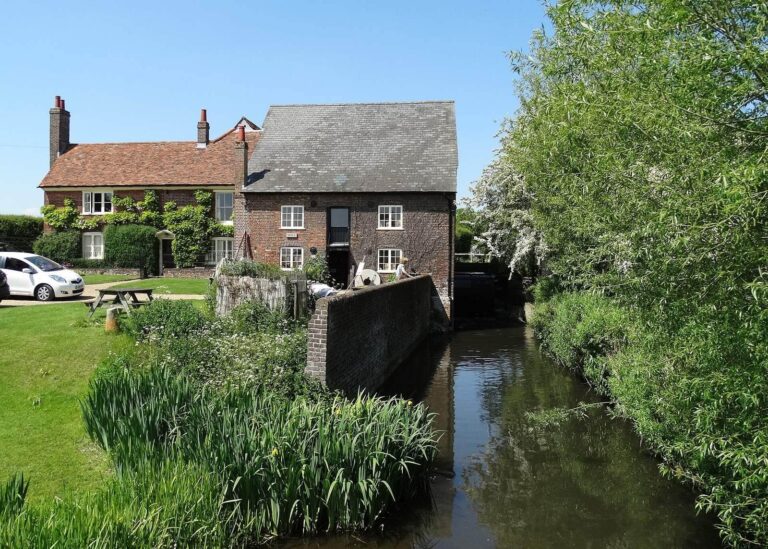
The estate holdings included 18 houses and cottages, some with paddocks, as well as an old mill and other buildings identified for conversion. The grounds contain the graves of Stanley Kubrick and his eldest daughter, Anya Kubrick, who died in 2009.