Mangla Fort: A Historic Fort on the Jhelum River
Site at a Glance
- Popularity
- Medium
- Country
- Pakistan
- Primary era
- Early Modern
- Eras represented
- Early Modern
- Civilizations
- Mughal
- Site type
- Military
- Remains
- Fort
On this page7 sections
History
Early history
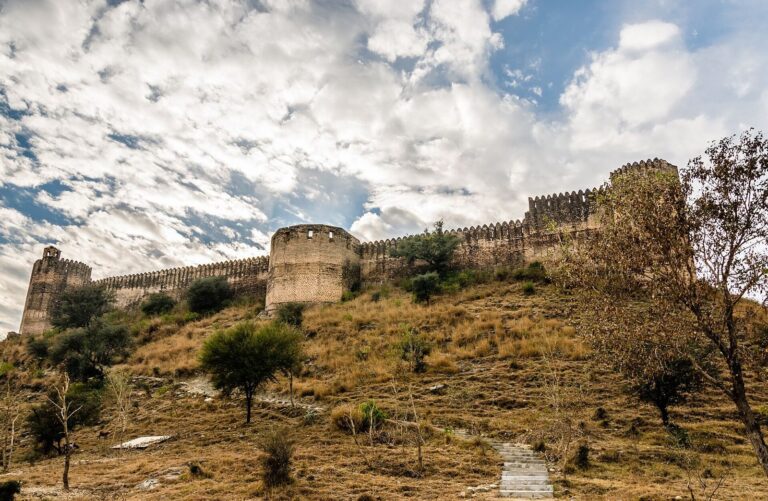
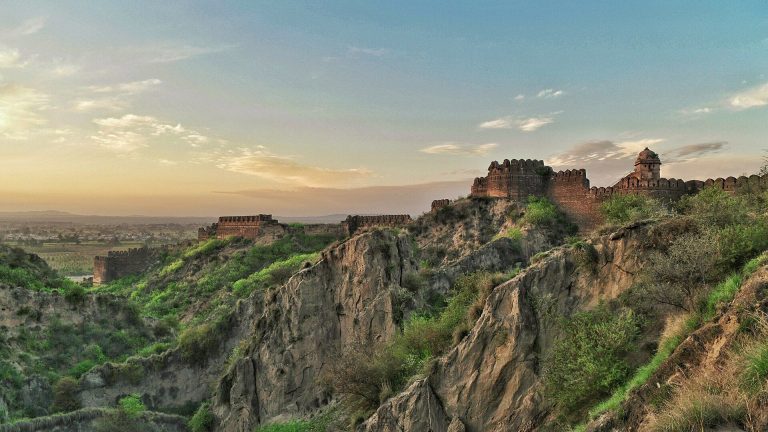
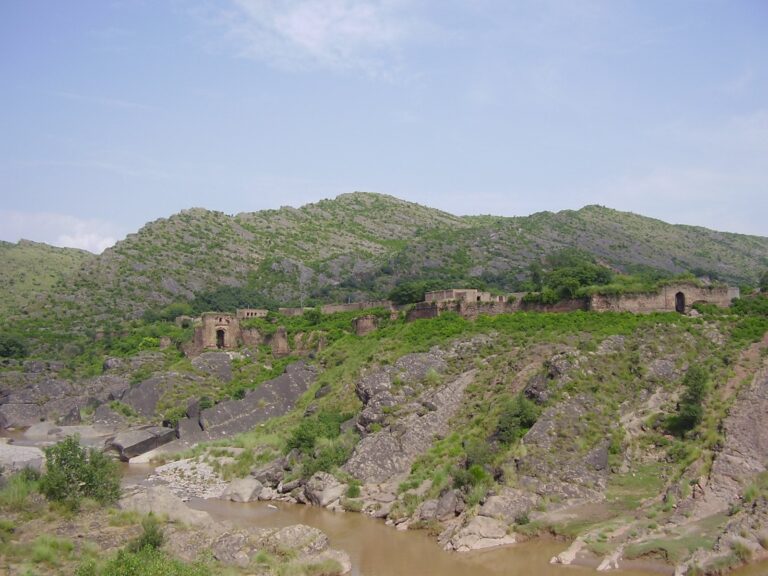
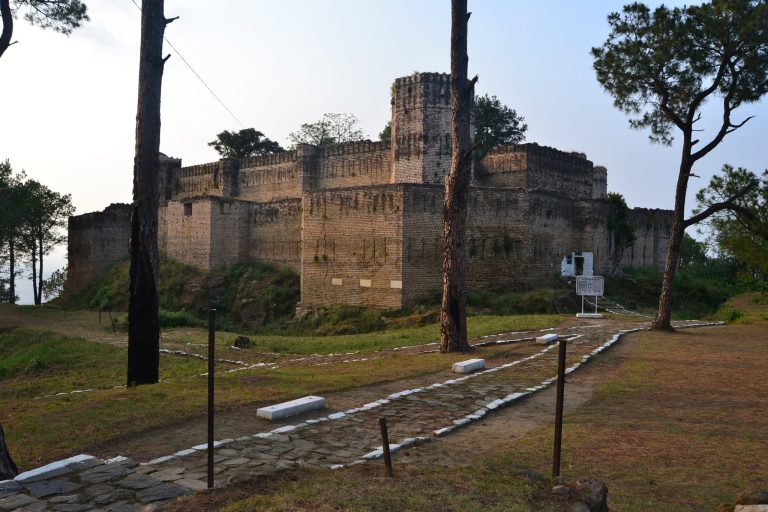
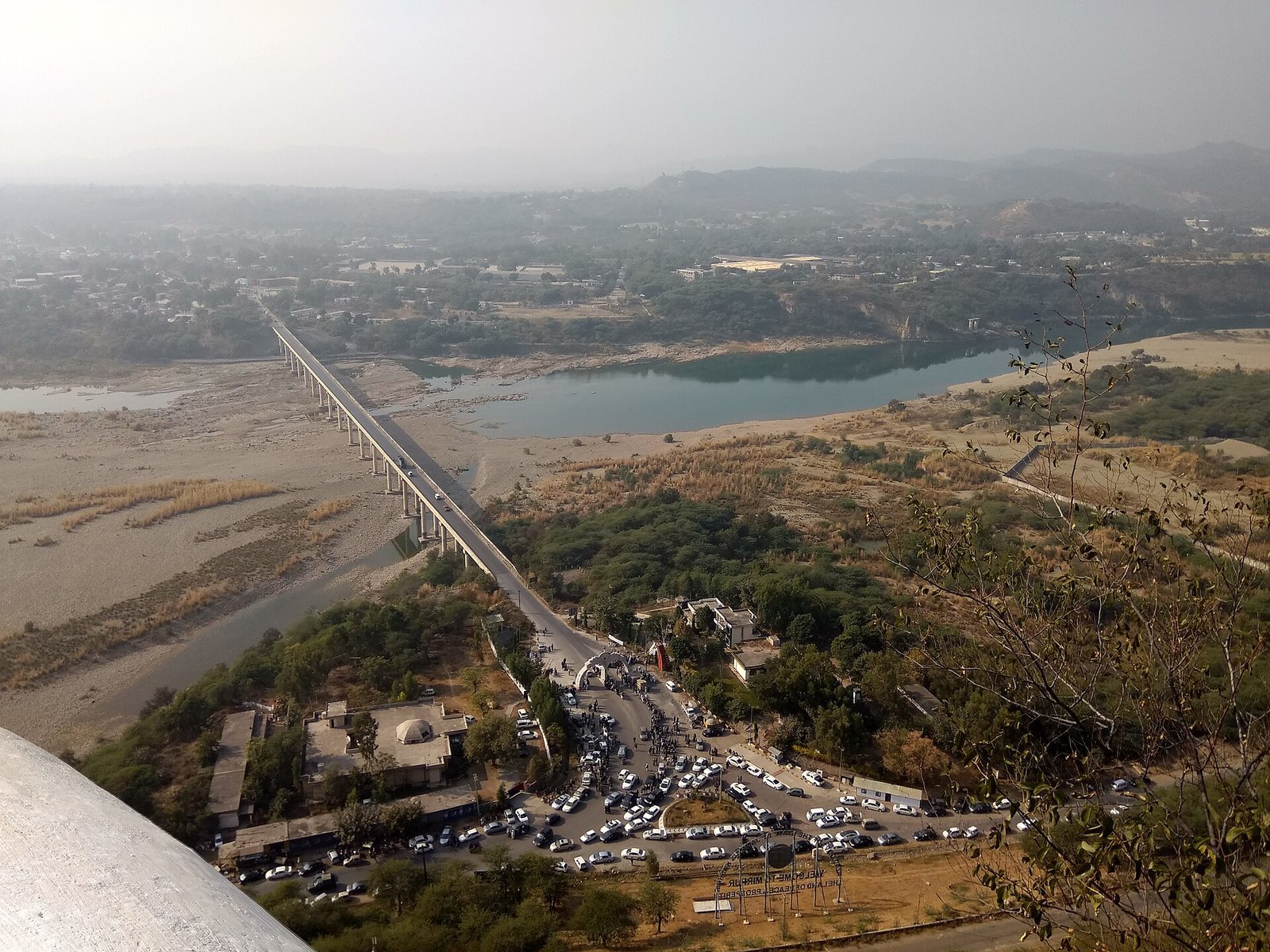
Mangla Fort is a fort on hills beside the Jhelum River in Pakistan, with origins before the Common Era. Its position marks a geographic and historical boundary known as the Gateway to Kashmir. The Jhelum River also delineates the boundary between Punjab and Azad Kashmir.
Gakhar additions
The Gakhars, a historical people of the northwestern Indian subcontinent, later enhanced the fort during the early Mughal period. The Mughal dynasty began ruling much of the subcontinent in the sixteenth century.
Dam construction and present administration
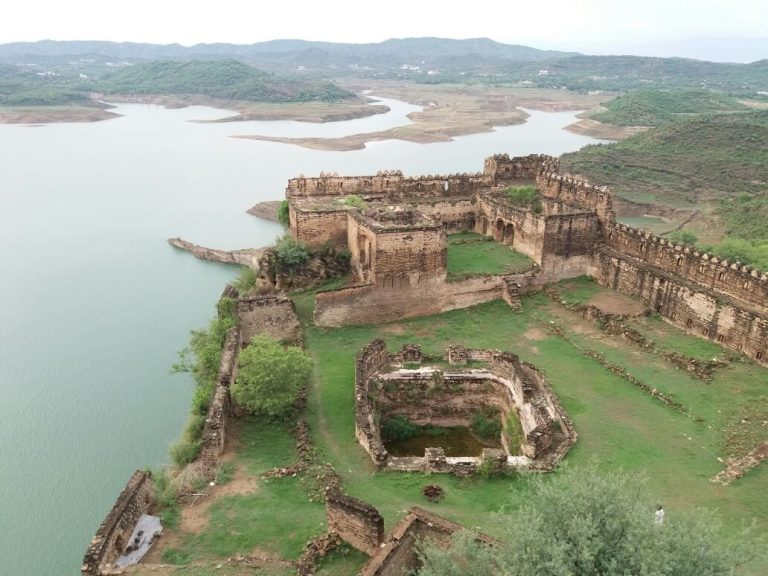
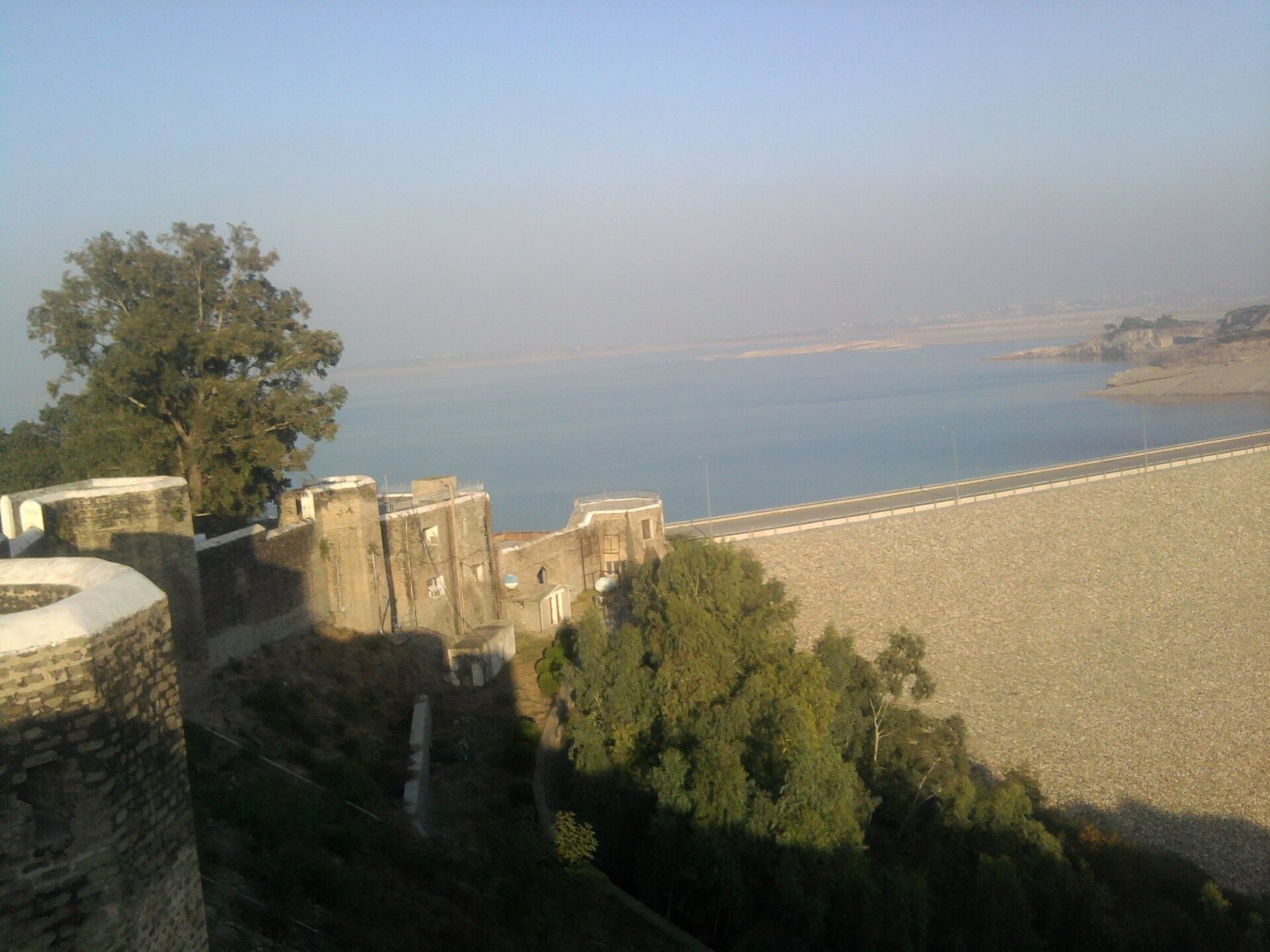
Construction of Mangla Dam, carried out under the Indus Waters Treaty, an agreement between India and Pakistan governing use of the Indus river system, submerged a large part of the fort. The surviving site is administered by the Pakistan Army.
Remains
The surviving portion covers about five to six acres in the fort’s southwestern part and remains above water. The original construction combined mud and stone with sandy stone, large wooden beams, carved stones of varying lengths, and limestone in some areas. The fort’s interior has been substantially altered.
Walls and defensive features
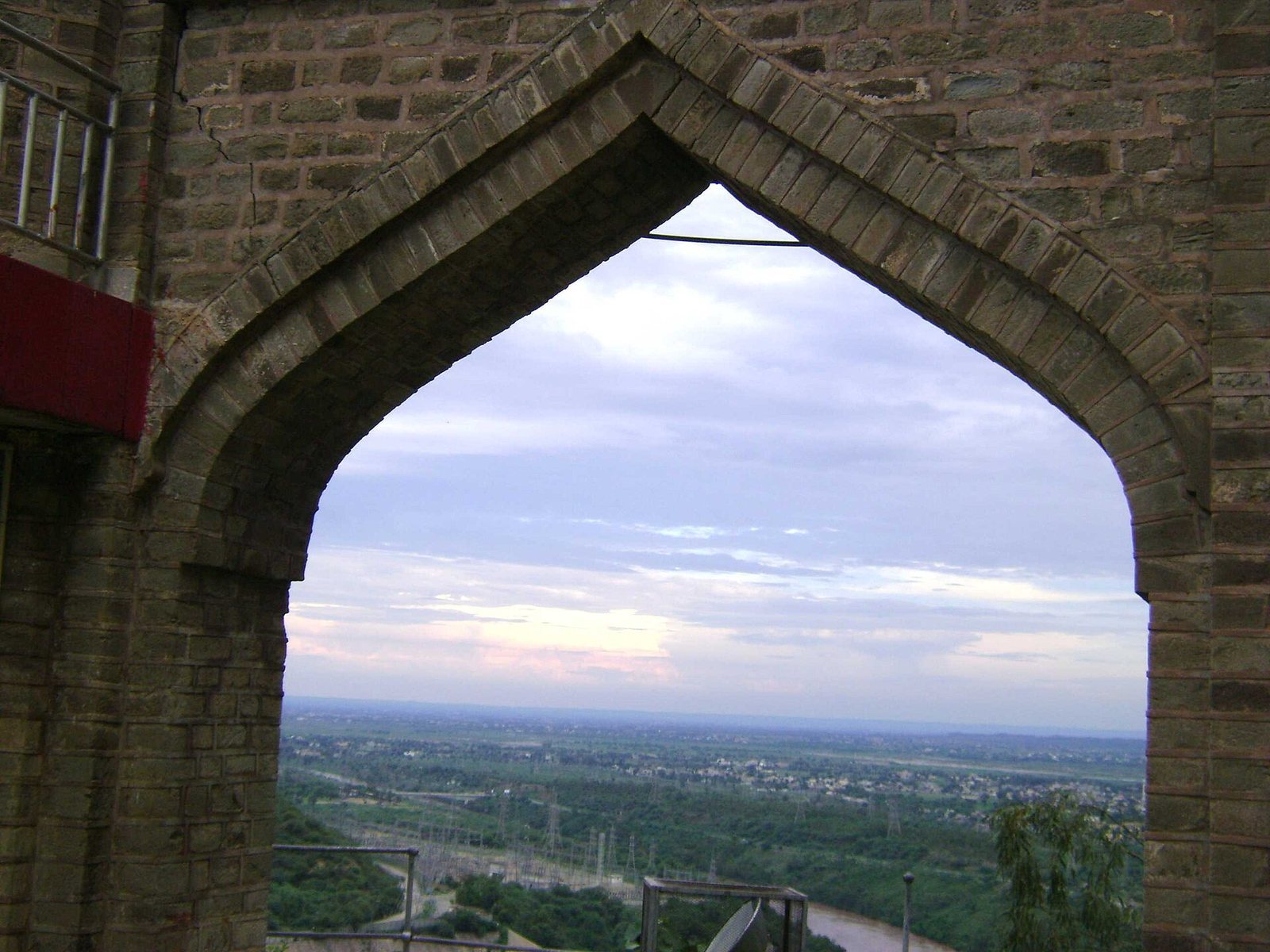
The eastern and southern walls rise higher than those on the north and west. Elongated openings in the walls served for surveillance and defense. Decorative arches were among the additions made during the Gakhar enhancements.
Entrance and interior
The main entrance opens onto two paths. The right-hand path leads to the western rampart, where grassy areas and flower beds lie opposite a deep ditch. The left-hand path reaches an arched veranda, with a room built by the Water and Power Development Authority above it. From the veranda, the nearby power house, rest house, and offices are visible, along with the Upper Jhelum Canal in the distance. An old tree stands close to several rooms, one of which is used as a museum. Its displays include objects found during Mangla Dam construction and material related to the power house’s design.