Saltford Manor House: A Norman Residence in Somerset
Site at a Glance
- Popularity
- Very High
- Country
- United Kingdom
- Primary era
- Medieval
- Eras represented
- Medieval, Early Modern
- Civilizations
- English
- Site type
- Domestic
- Remains
- Elite Residence
On this page4 sections
History
Norman origins and associations
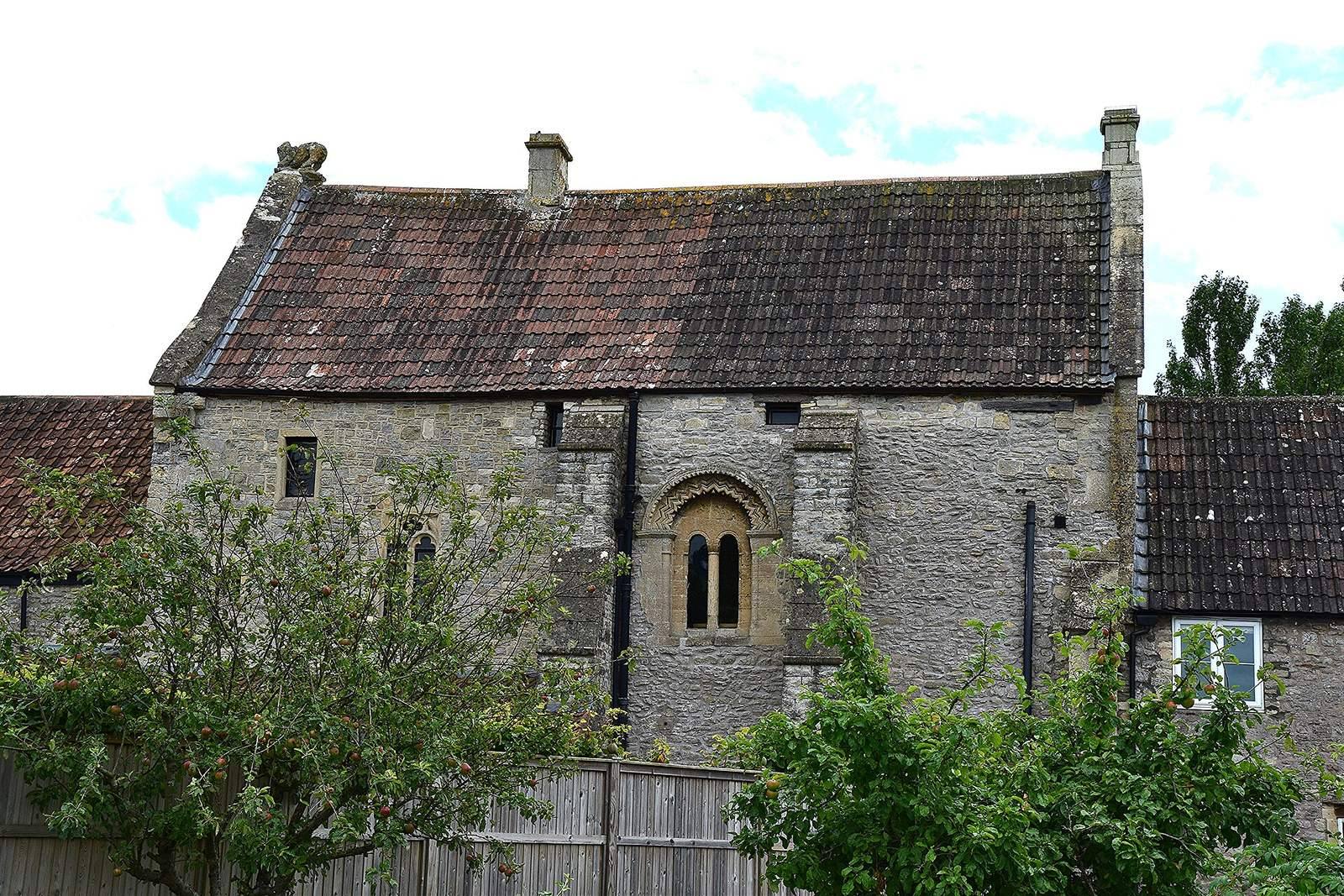
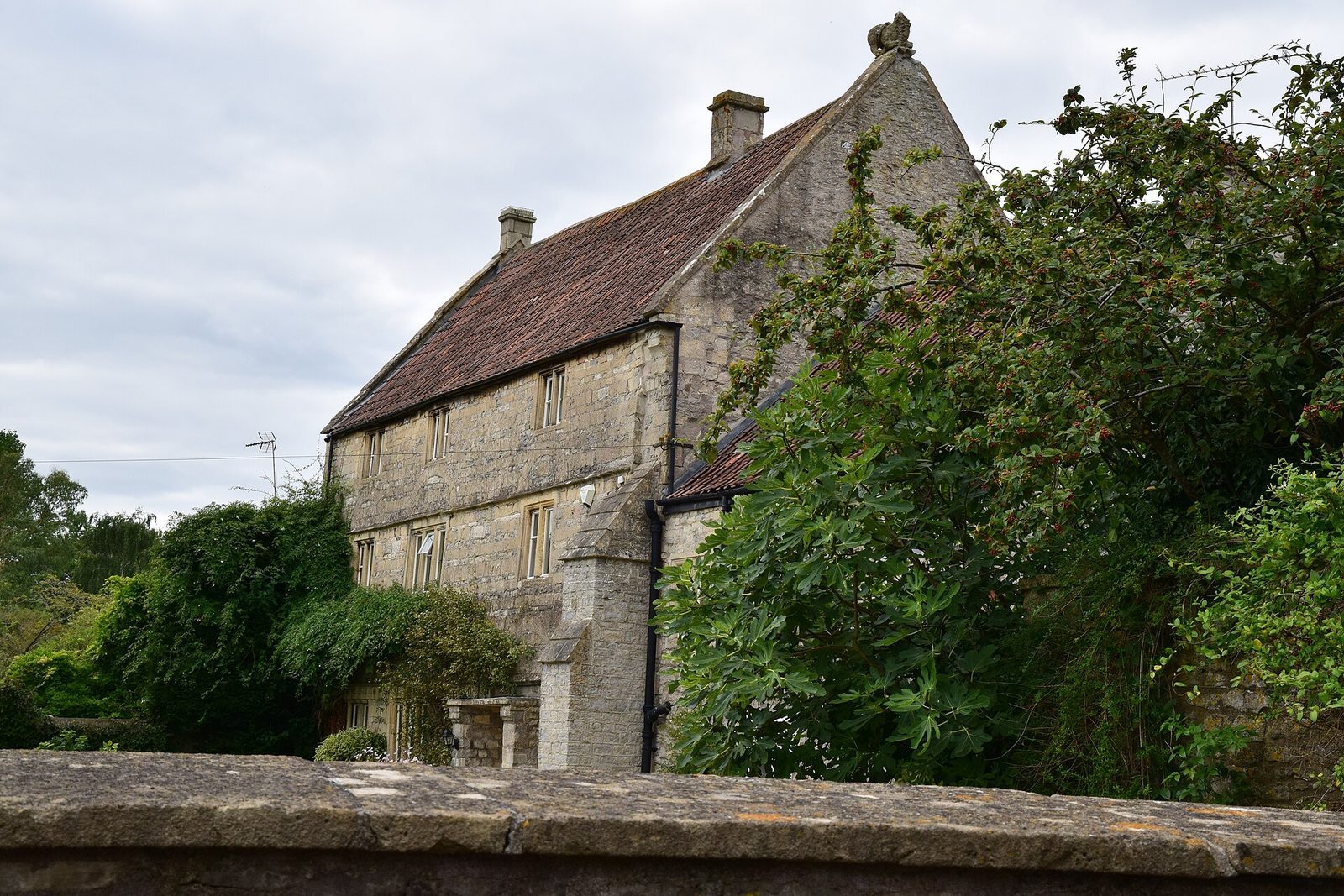
Saltford Manor House is a stone Norman house in Saltford, Somerset, United Kingdom, near Bath. William Fitz Robert, an Anglo-Norman nobleman and the 2nd Earl of Gloucester, built it between 1148 and 1150. It is thought to be England’s oldest continuously occupied private house. The estate had belonged to Geoffrey de Montbray, Bishop of Coutances, when the Domesday Book, William I’s 1086 survey of English land and resources, was compiled.
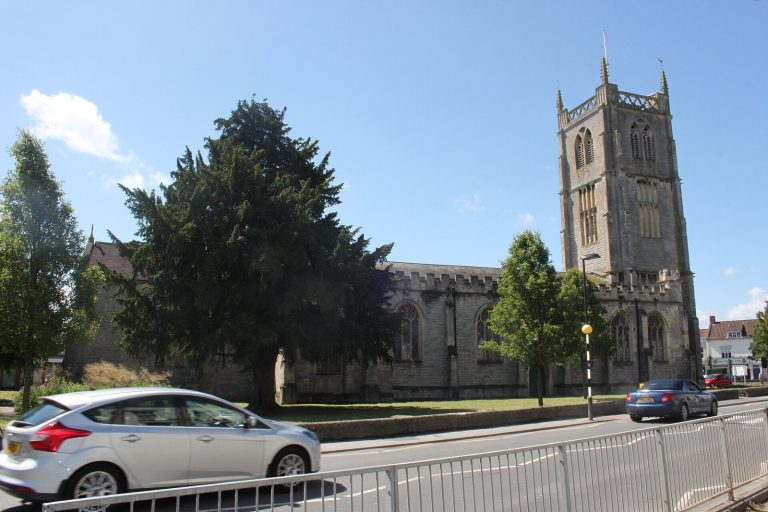
The house was built at about the same time as nearby Horton Court, a residence connected to income or property assigned to a church official. Their shared period has prompted a proposed link between Saltford Manor and Keynsham Abbey, a medieval religious house in Somerset. The manor has also long been associated with St Mary’s Church in Saltford.
Later remodelling and restoration
Two generations of the Flower family owned the house during major remodelling in the seventeenth century. It was designated a Grade II* listed building in 1950, a category for buildings of particular importance and more than special interest. A resident restored the house in 1997.
Remains
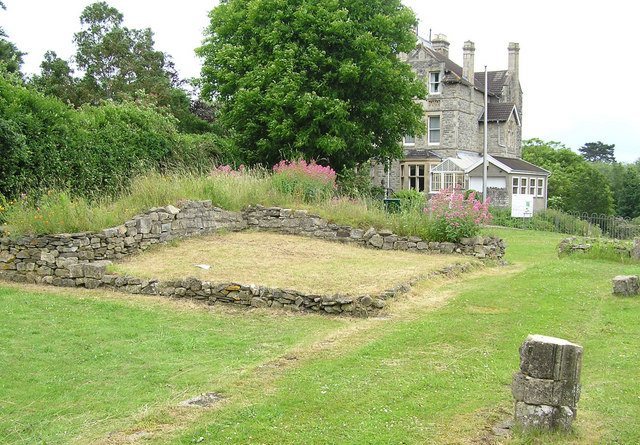
The stone house retains Norman features alongside rooms and fittings from later periods. Its ornate windows are considered to date from before 1150, probably to about 1148. A Norman arch bears etched diamond markings comparable to details at Hereford Cathedral. A Norman window survives in the main bedroom, while the sitting room has a Tudor fireplace and the kitchen dates to the seventeenth century. A fragment of medieval painting also remains inside. The original arrangement may have consisted of one large room on each floor, with a ground-floor chamber covered by a vault.
In the grounds, a seventeenth-century dovecote stands beside a barn.