La Borie Castle: A Renaissance Residence and Cultural Estate in Solignac, France
Site at a Glance
- Popularity
- Medium
- Country
- France
- Primary era
- Early Modern
- Eras represented
- Early Modern
- Civilizations
- French
- Site type
- Domestic
- Remains
- Castle
On this page8 sections
History
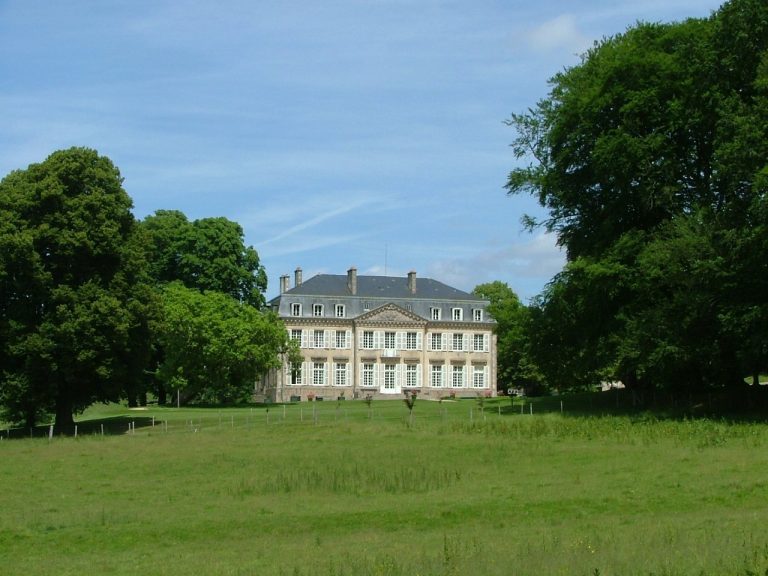
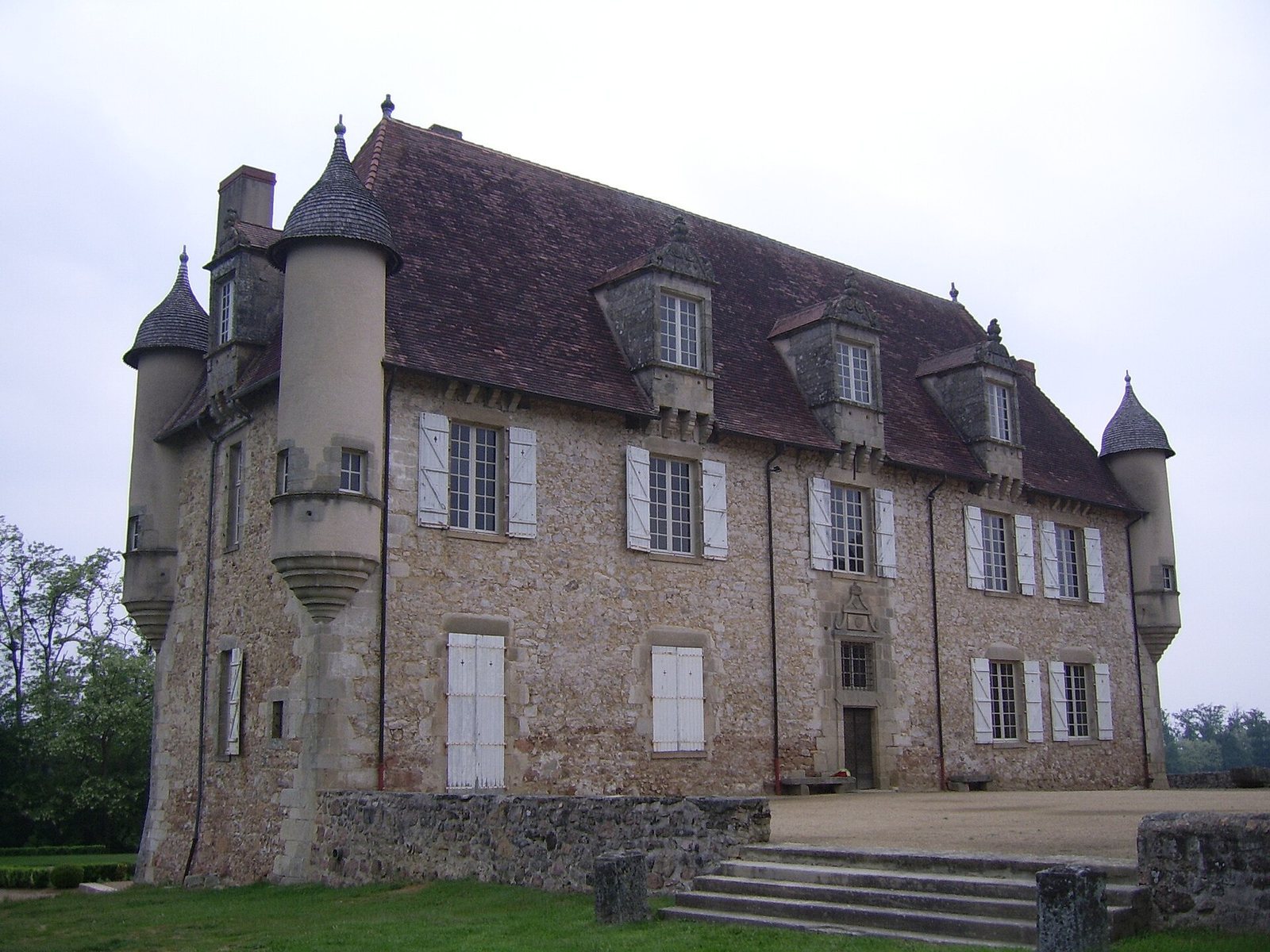
La Borie Castle is a Renaissance residence in Solignac, France. Construction began in the sixteenth century and continued into the seventeenth; the château is dated to the seventeenth century. It began as a seigneurial residence, the home of a lord who held authority over an estate, and its initial owner was Martial de Maledent. The château was listed as a French historic monument in 1984, a legal form of heritage protection.
Cultural use and closure
The estate took on a cultural role in the early twentieth century. Until 2015, it belonged to the La Borie-en-Limousin Foundation and housed the European Cultural Meeting Center of La Borie-en-Limousin. The Laborie label organized jazz musicians’ residencies, concerts, and recording sessions there. The Limoges Baroque Ensemble was also based at the castle until it ceased to exist in 2013.
In 2014, strategic disagreements accompanied serious financial difficulties for the cultural organization. Annual attendance was about 22,000, compared with management’s projection of 14,000. The state commissioned an expert review, and the organization was liquidated on 16 March 2015.
Gallery and new ownership
A Dutch couple, Harry Struijker-Boudier and Ardi Poels, bought the estate on 14 November 2016 and developed a contemporary art gallery there. Alexandra and François Trausch acquired it from the previous owners on 12 July 2024. In 2025, they established La Borie Art Residency, which concludes with a summer exhibition.
Remains
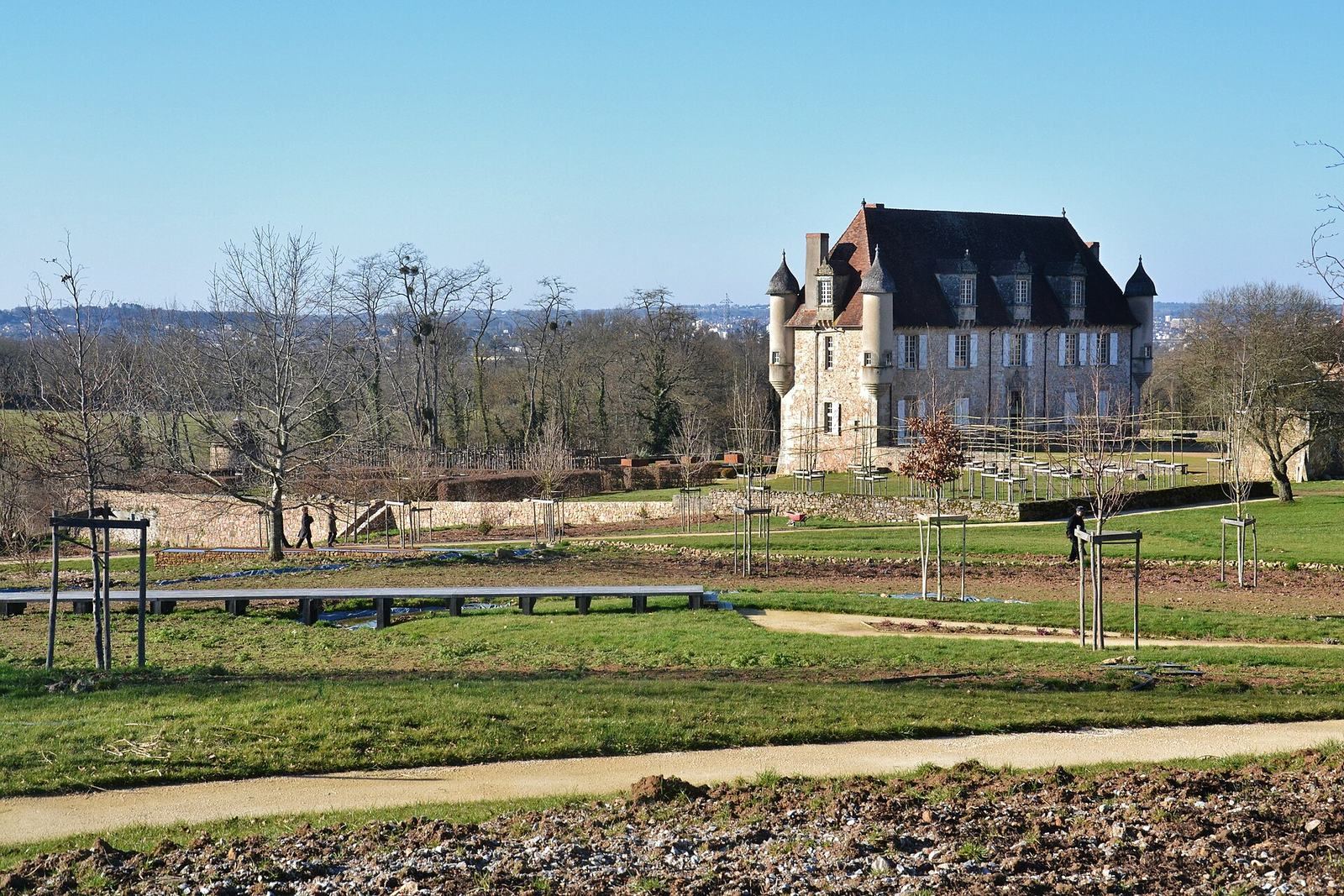
The estate’s described features include the Renaissance-style château, its contemporary art gallery, and designed gardens. Renaissance architecture draws on forms and proportions from classical Greek and Roman architecture.
Château and gallery
The château houses a contemporary art gallery, following its development as a gallery after the estate’s 2016 sale.
Gardens
Garden of sounds
A seven-hectare garden of sounds was created on the estate between 2011 and 2013. Conceived by Louis Dandrel, Pierre Lagedamon, Emma Blanc, and Patrick Rimoux, it combined landscape design with sound and lighting engineering. It was inaugurated in June 2013.
Garden-in-motion
The castle gardens were first redesigned in 2013. Since 2017, they have followed a garden-in-motion approach developed by French landscape designer Gilles Clément. This ecological approach lets plant growth shape an evolving landscape rather than maintaining a wholly fixed design.