Coudray Castle: A 15th-Century Seigneurial Residence in France
Site at a Glance
- Popularity
- Medium
- Country
- France
- Primary era
- Medieval
- Eras represented
- Medieval, Early Modern
- Civilizations
- French
- Site type
- Domestic
- Remains
- Castle
On this page6 sections
History
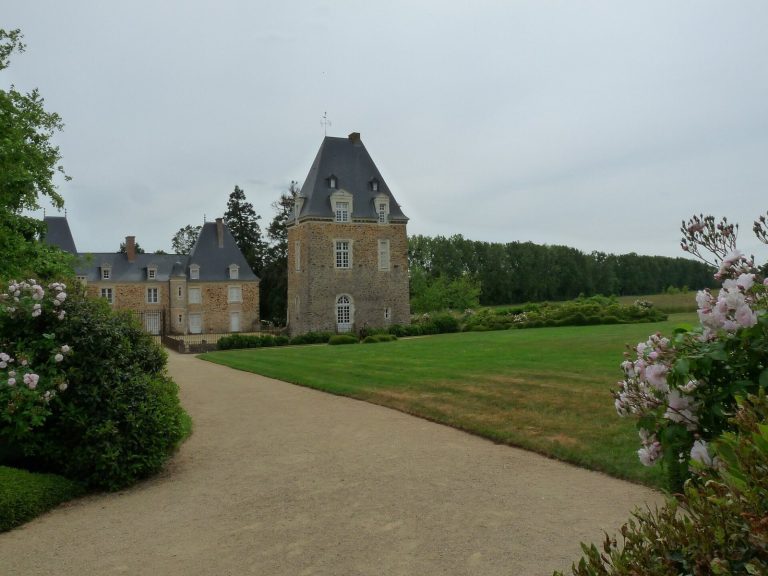
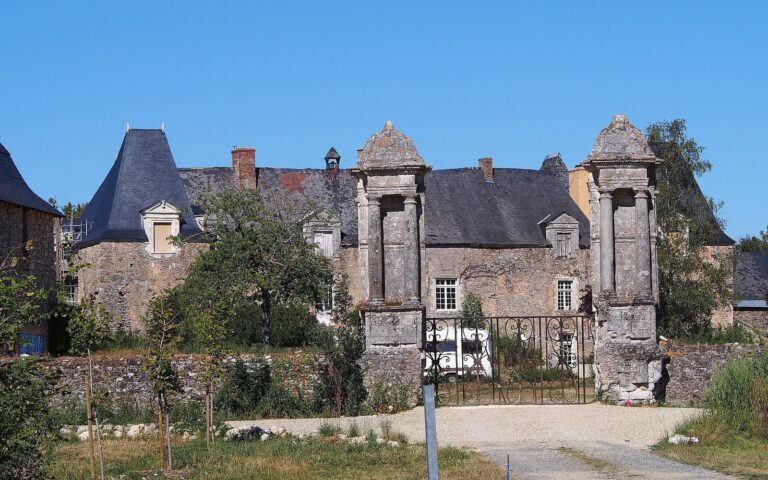
Coudray Castle is a 15th-century residence in Saint-Denis-du-Maine, France, on a site inhabited from the 14th century. It later served as a seigneurial residence, the home of a lord of a landed estate.
The Sévigné family
Renaud de Sévigné became lord of Coudray in 1637 through his wife, Gabrielle du Bellay. Acts from 1640 record him acting as lord and owner.
During a stay at the manor in 1650, Renaud and Gabrielle arranged for the surviving spouse to receive all the property they were legally able to give. Martin Raison assisted them. The couple were also disputing with René du Bellay over the division of Radegonde des Rotours’s inheritance. On 2 January 1651, the royal Court of Requests at the Palace, which heard petitions and legal disputes, set aside the division of Coudray land. The ruling appears not to have changed possession: the land remained with Gabrielle and was to pass to her children after her death.
Gabrielle died in January 1653, aged nearly fifty. When Renaud died in 1657, their son René-François de Sévigné inherited the land. He was already living at Coudray by 1660.
The château was restored in the late 19th century and listed as a historic monument in 1985.
Remains
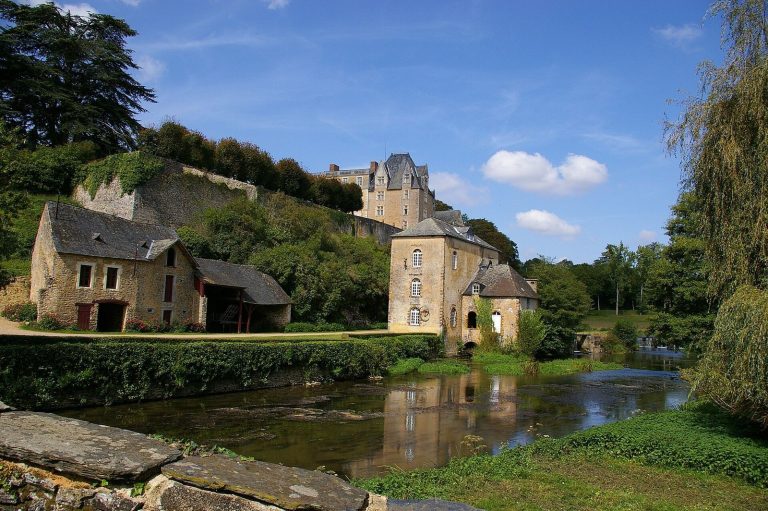
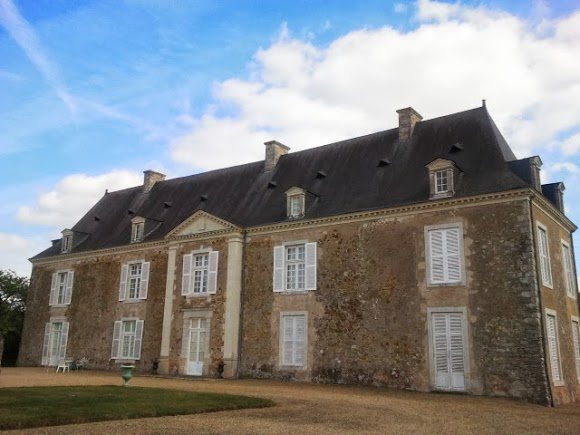
The château is partly bordered by moats, and the associated estate group is enclosed by them. The buildings use local stone, with surrounds of tuffeau, a pale limestone, and slate roofs.
Residence and estate grounds
Main residence
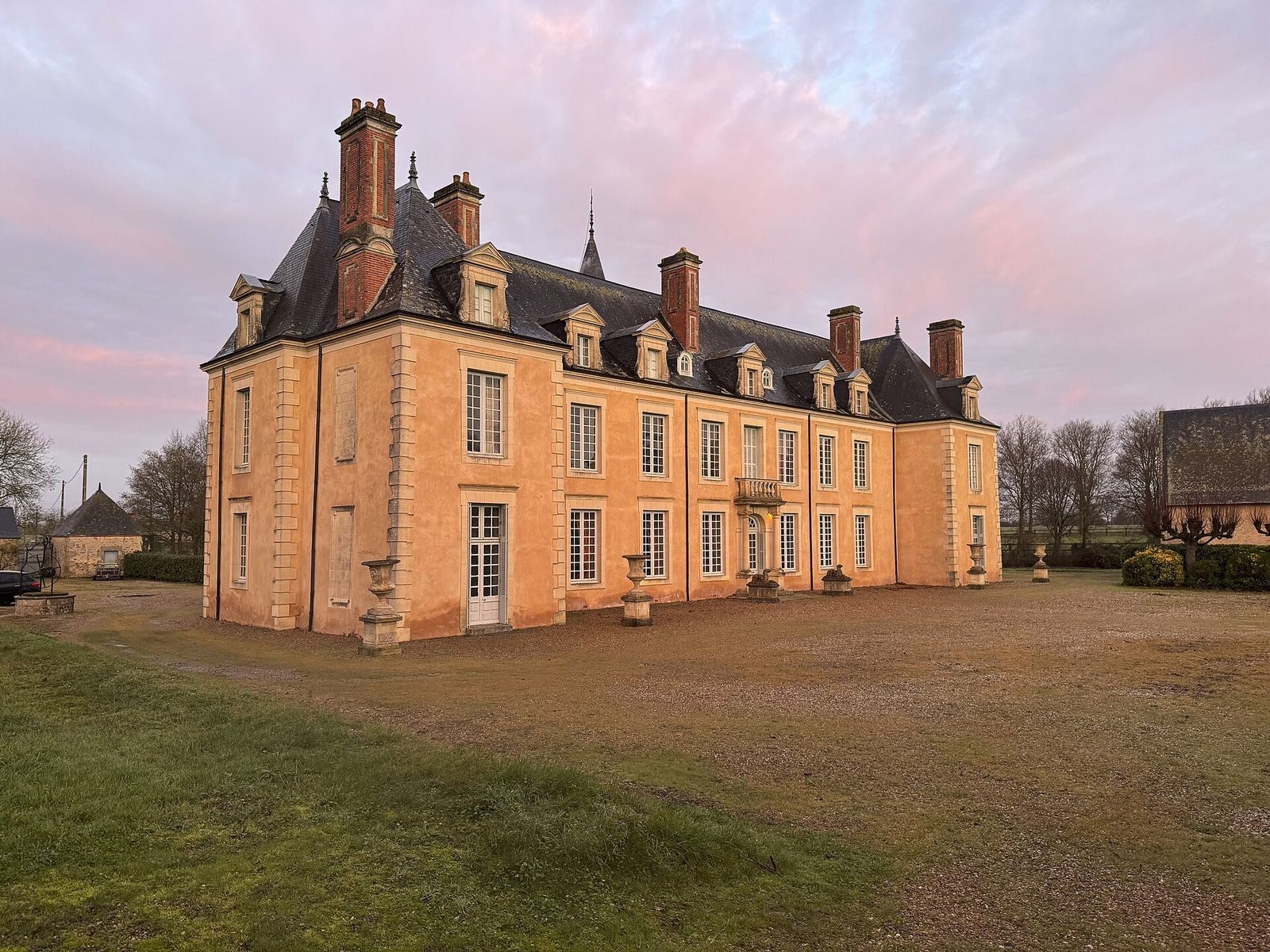
The residence was enlarged in 1569 with an added building block. Two pavilions were constructed in 1777.
Gardens and estate buildings
South of the château, a formal French garden, kitchen garden, and orchard were created in 1783 on the site of former moats. The wider group includes a chapel, orangeries for growing citrus trees, two symmetrical service buildings, a dovecote for pigeons or doves, and a barn.