Castle Oliver: A Scottish Baronial Country House in Ireland
Site at a Glance
- Popularity
- High
- Country
- Ireland
- Primary era
- Modern
- Eras represented
- Modern
- Civilizations
- British
- Site type
- Domestic
- Remains
- Castle
On this page9 sections
History
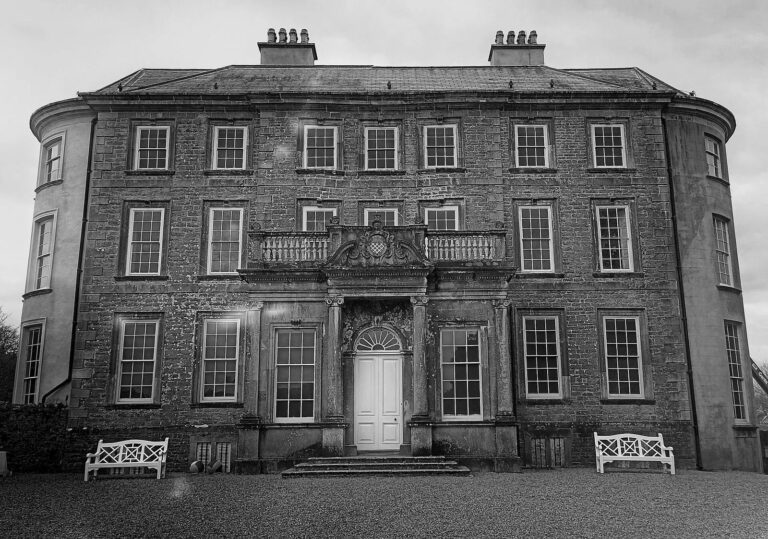
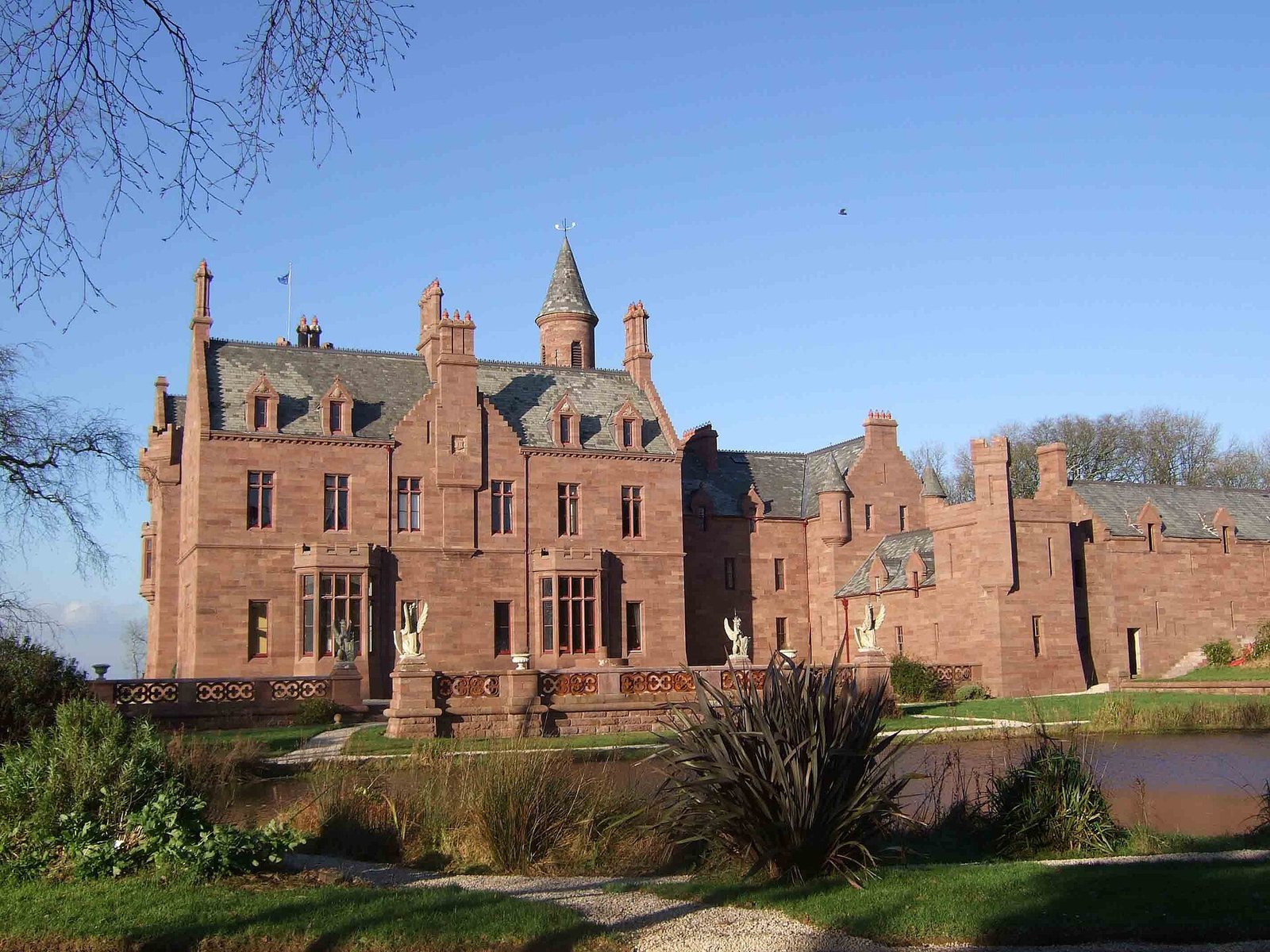
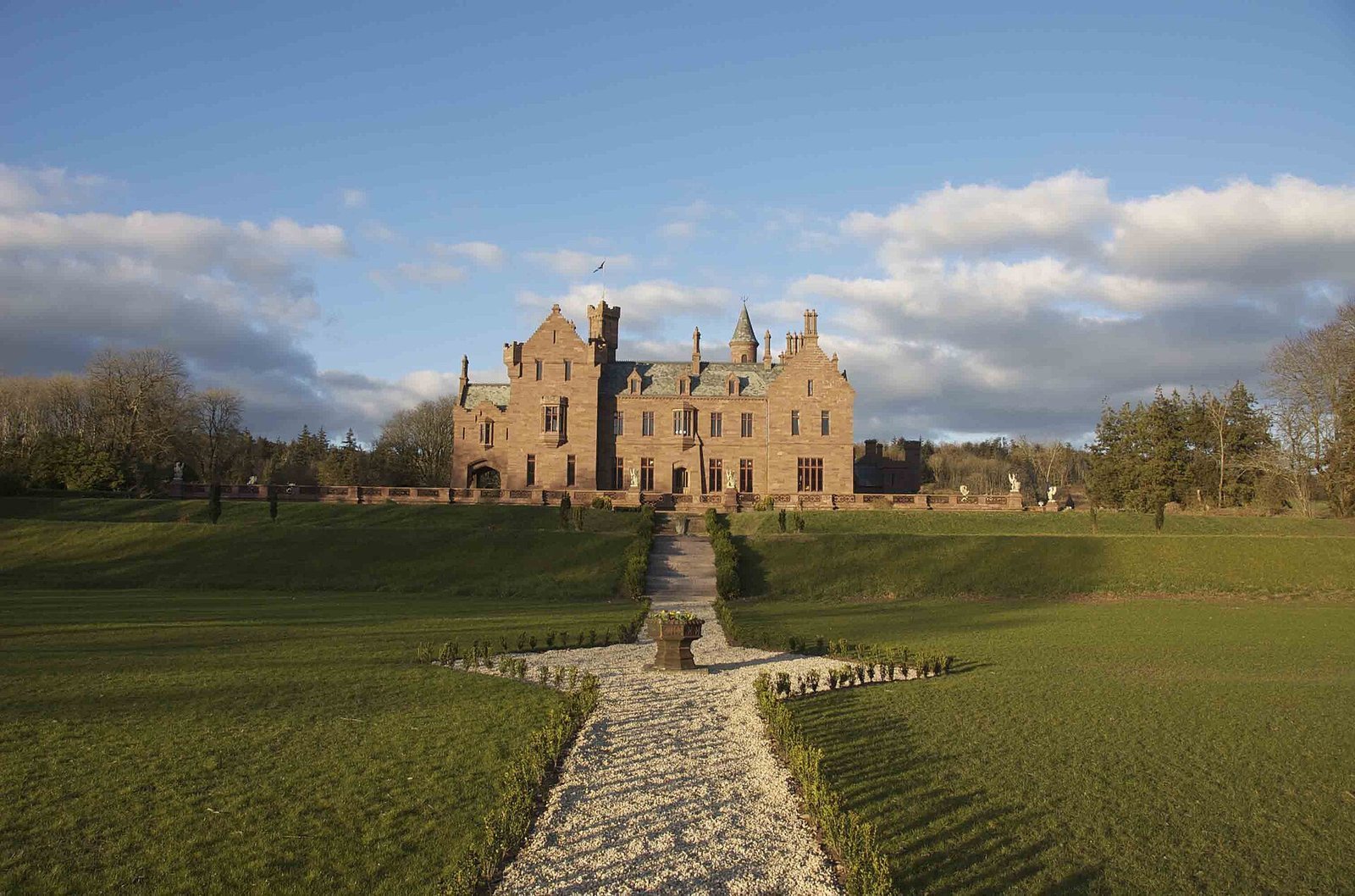
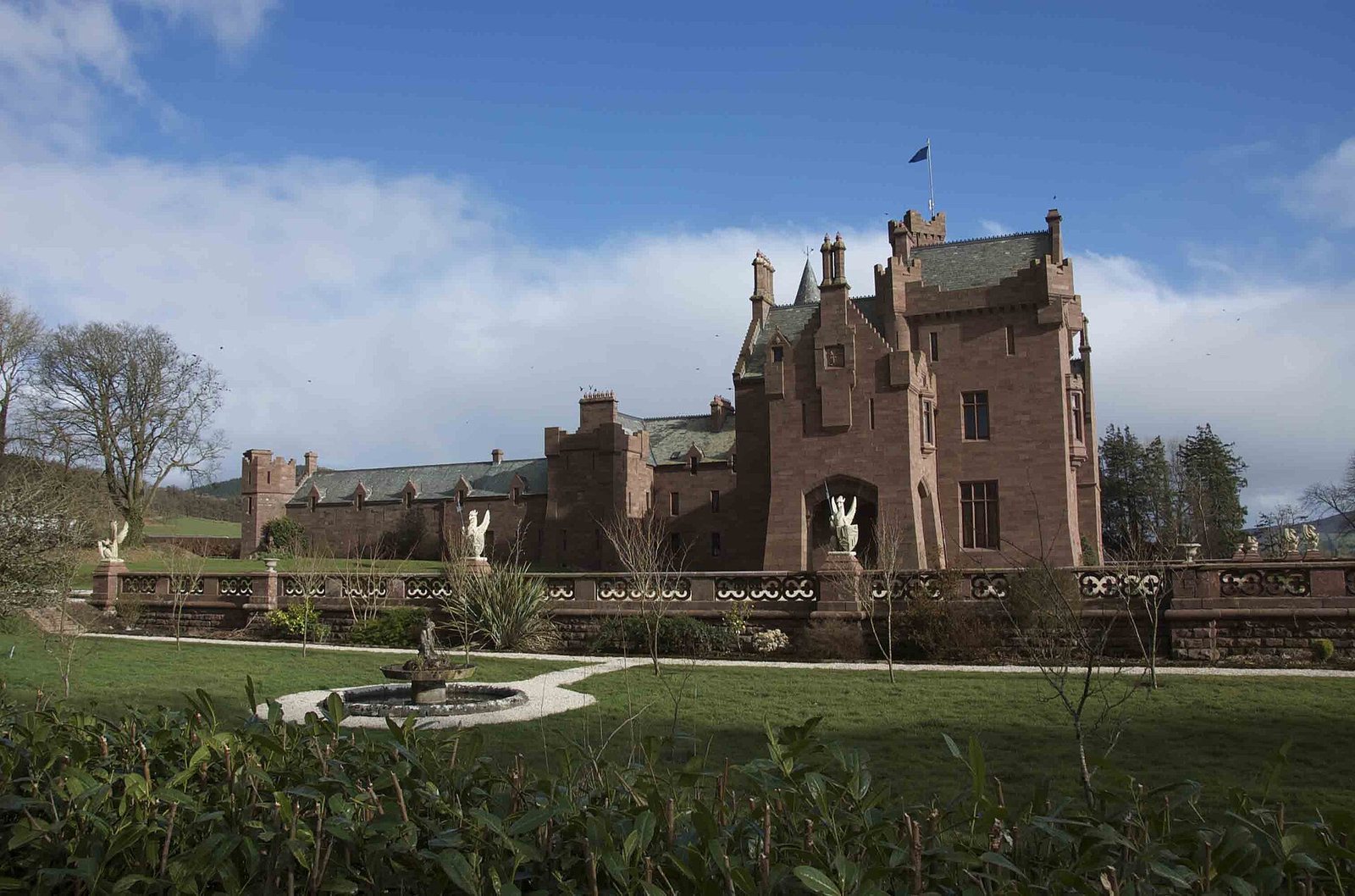
Castle Oliver is a country house in Ireland, commissioned in 1845 in the Scottish Baronial style, a 19th-century revival drawing on the appearance of Scottish castles and baronial houses.
Seventeenth-century origins
Captain Robert Oliver, a soldier serving under Oliver Cromwell, acquired lands associated with the castle in 1658. Cromwell was an English military and political leader who later became Lord Protector of England, Scotland, and Ireland. The land transfer followed the suppression of the Irish rebellion of 1641–1652, after which former owners’ land was confiscated and distributed to English soldiers and officers.
The house was known for many years as Clonodfoy, a shortened form of an earlier Irish place-name meaning “the stone structure of Otway.” Otway was an Anglo-Norman family name. The present castle replaced an earlier Castle Oliver about 1,000 yards to the southwest. That earlier building was the birthplace of Eliza Oliver, mother of Lola Montez, the stage name of Irish-born dancer and performer Eliza Rosanna Gilbert. Montez became the lover and favourite of Ludwig I, king of Bavaria from 1825 to 1848.
The nineteenth-century rebuilding
Captain Robert Oliver’s descendant Richard married a Yorkshire heiress and inherited substantial wealth and property in West Yorkshire. He moved to Parlington Hall near Leeds, leaving Castle Oliver in the care of a bailiff. The house deteriorated. Richard’s daughters, Mary Isabella and Elizabeth Oliver Gascoigne, married into the Trench family of Woodlawn, County Galway, and commissioned the present castle in 1845.
Elizabeth and her husband, Frederic Mason Trench, 2nd Baron Ashtown, lived at Castle Oliver after their marriage in 1852. Mary Isabella and her husband made their home in Yorkshire. The house later passed to Elizabeth’s step-grandson, William Cosby Trench.
Decline and restoration
Mrs Lynn Trench, the last member of the Trench family to live at the castle, sold it to racing driver Billy Coleman in 1978. After several changes of ownership, a local bank acquired the property and divided the remaining land, farm, and lodges into separate lots. The castle found no buyer and deteriorated, suffering damage from vandals and thieves. Its decline was included in Vanishing Houses of Ireland, published by the Irish Georgian Society.
Damian Haughton bought the property in 1988; a later owner credited him with stopping most of the worst roof leaks. Nicholas Browne acquired it in 1998, continued the restoration, and made the house habitable again. Declan and Emma Cormack bought Castle Oliver in 2006 and completed extensive restoration. They sold it in 2015 to an Australian family, which uses the castle for several months each year.
Remains
The house was built for entertaining rather than defence, using pink sandstone quarried on the estate. It stands on substantial terraces, which overlook much of the former estate, an area of about 20,000 acres (approximately 80 square kilometres).
Interior
Rooms and decoration
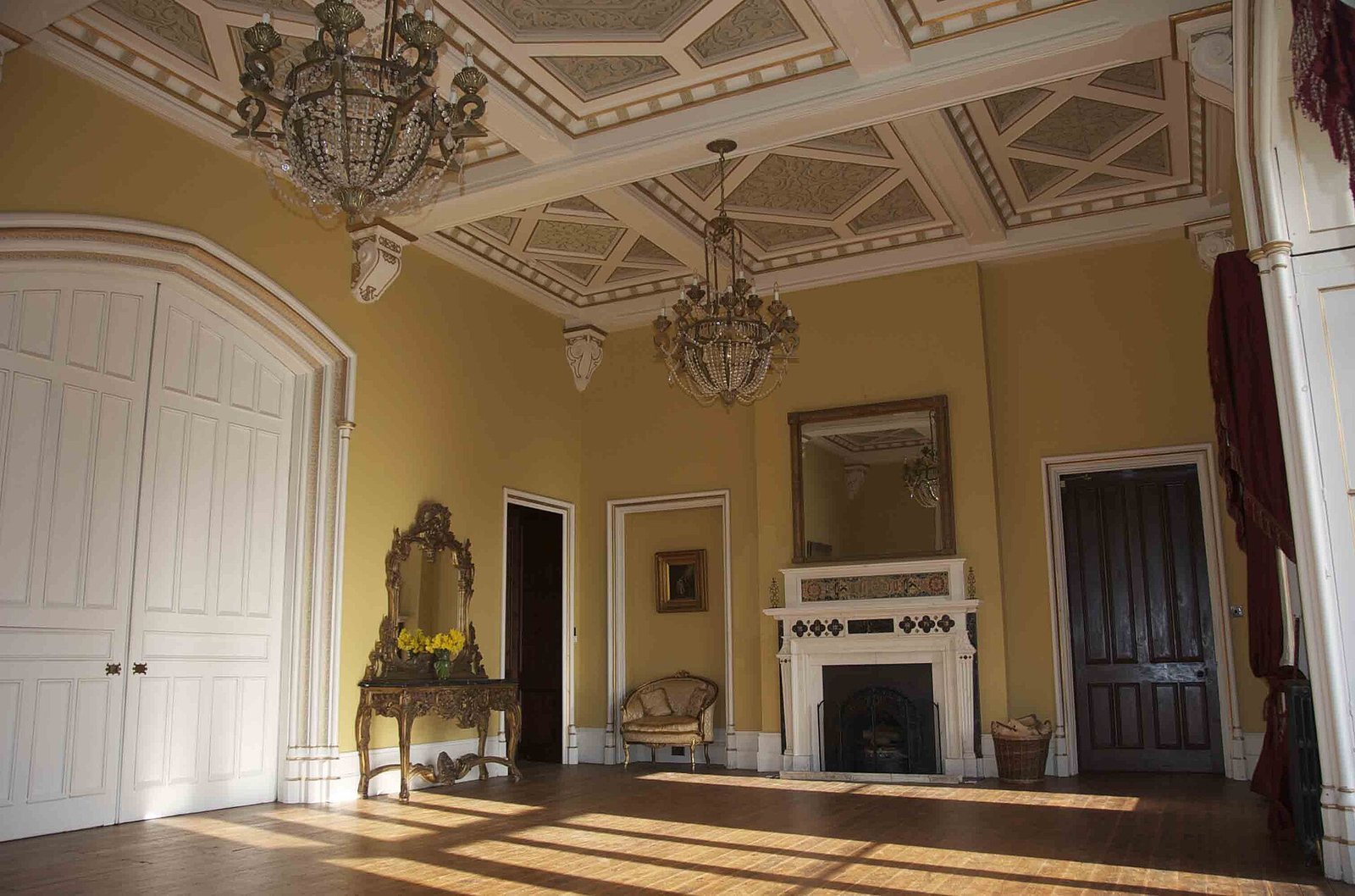
The rooms include a ballroom, drawing room, library, morning room, dining room, and hall. Interior decoration includes hand-painted ceilings, decorative projecting supports, stained-glass windows, and stencil work.
Ballroom fireplace and restored features
The ballroom fireplace features stained glass and panels decorated on their back surfaces so the designs show through the glass. Mary Isabella and Elizabeth made the panels, and much of their work survives. The Cormacks’ restoration reinstated many original features, including the library, wooden panelling, cornices, fireplaces, and a stained-glass window depicting Saint Patrick, Ireland’s patron saint, traditionally associated with bringing Christianity to the island.
Wine cellar
The castle contains a wine cellar described as Ireland’s largest and said to hold about 55,000 bottles.