La Valette Castle: A Historic Residence in Pressigny-les-Pins, France
Site at a Glance
- Popularity
- Medium
- Country
- France
- Primary era
- Modern
- Eras represented
- Modern
- Civilizations
- French
- Site type
- Domestic
- Remains
- Castle
On this page7 sections
History
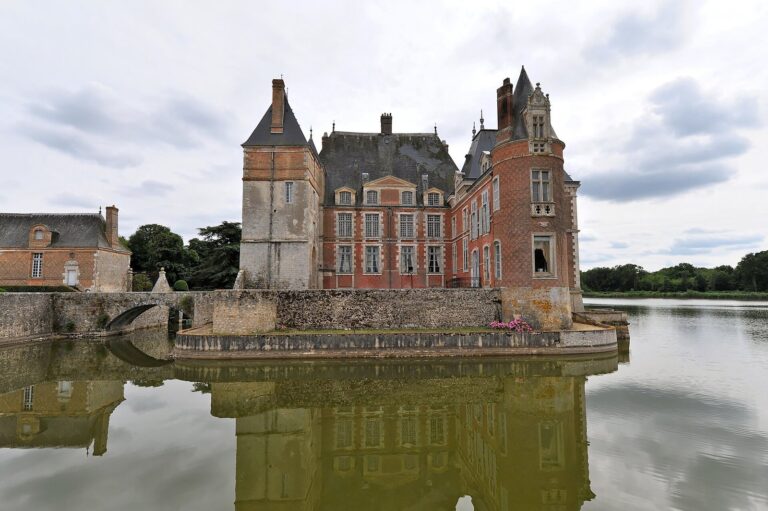
La Valette Castle is a nineteenth-century residence in Pressigny-les-Pins, France, later associated with Spanish exile and cultural life. It was built as a home, and its construction is credited to Marie Joseph le Bouëdec in 1864, although 1880 is also given as a possible date.
Private residence and inheritance
Albert Isle de Beaucheine, a viscount (a European noble rank below a count and above a baron), and his wife moved into the château in the second half of 1893. He died there in March 1895. His widow continued to live at the residence until her death in April 1924.
The couple had no children, and the viscountess was estranged from her family. She left the château to her friend, Mr. Grandjean, who lived there until about 1932.
Spanish exile and later uses
From 1936, the château accommodated Spanish political émigrés and was acquired by Spanish Republicans, who supported the Republic during the Spanish Civil War of 1936 to 1939. It later came under Francoist control. Francoists supported the Nationalist movement led by Francisco Franco.
In the 1970s the property became a Spanish school, which operated until 1986, and then a Spanish cultural centre. After a period of gradual neglect by the Spanish embassy, the estate was sold to the municipality of Pressigny-les-Pins in 2002.
On 10 February 2012, the municipality sold the estate to the private company SAS Domaine de La Valette. The proposed intergenerational village included homes for independent older people, a care home, an Alzheimer’s unit and leisure facilities; the château was intended for exhibitions and cultural activities. Work on a residential leisure park began in early 2015.
Remains
The estate and château
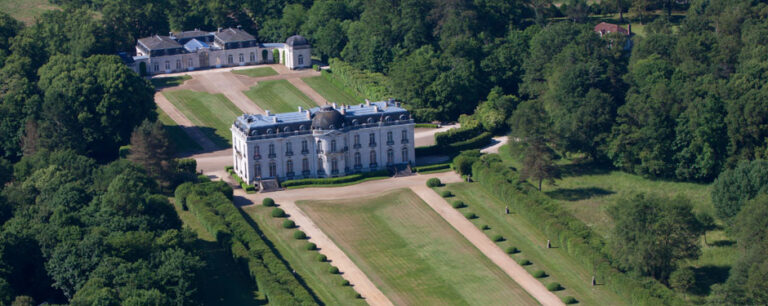
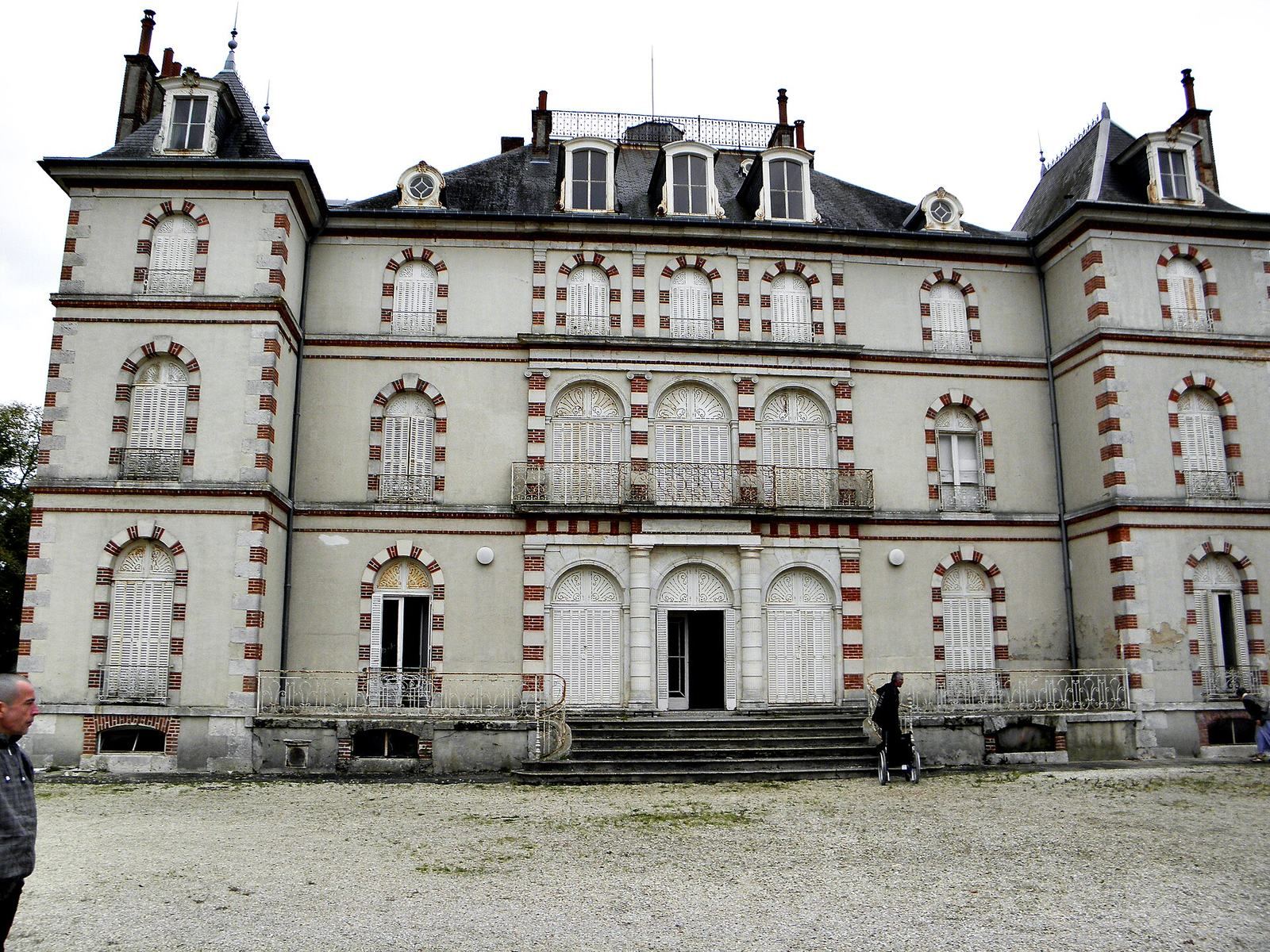
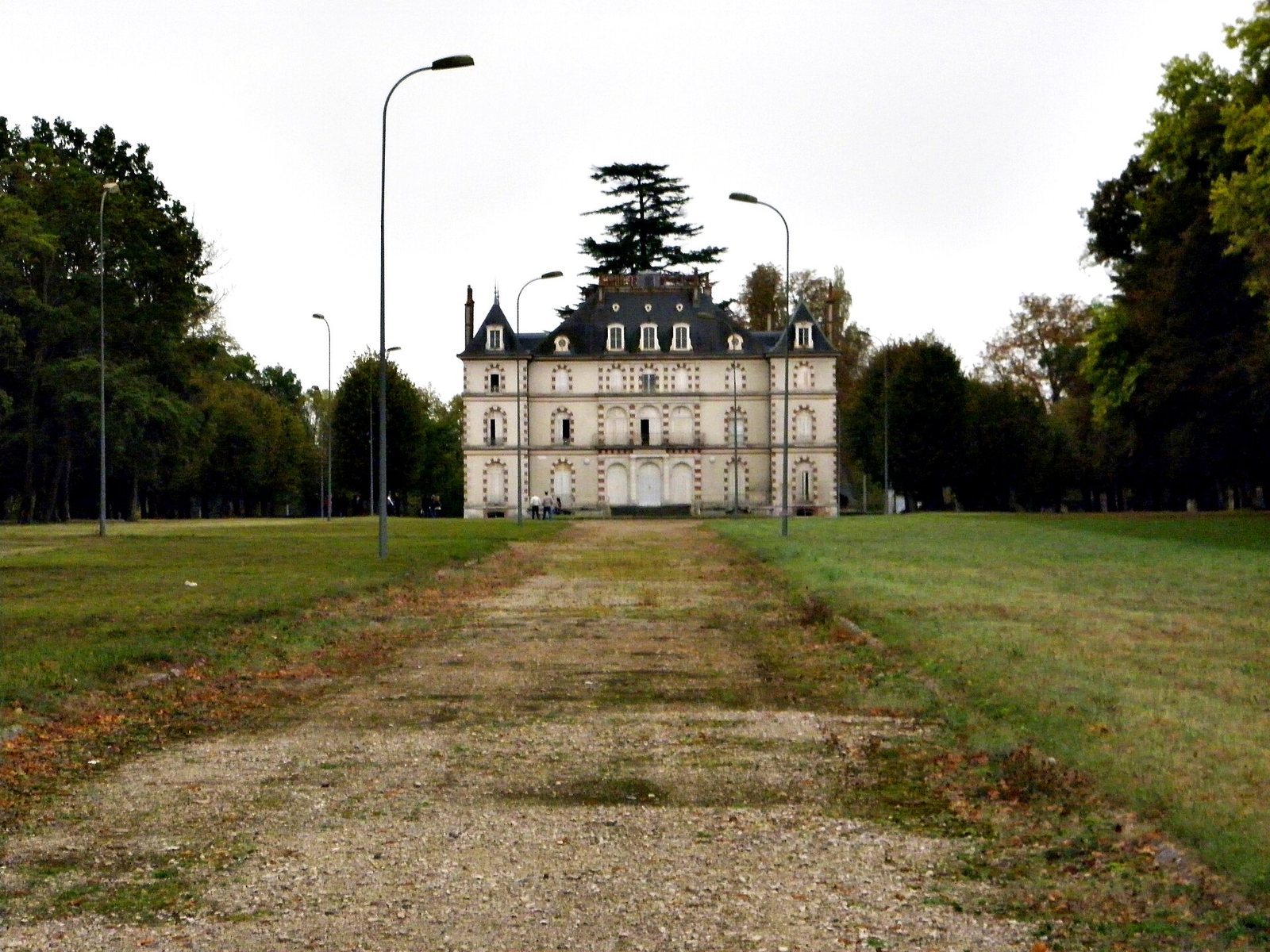
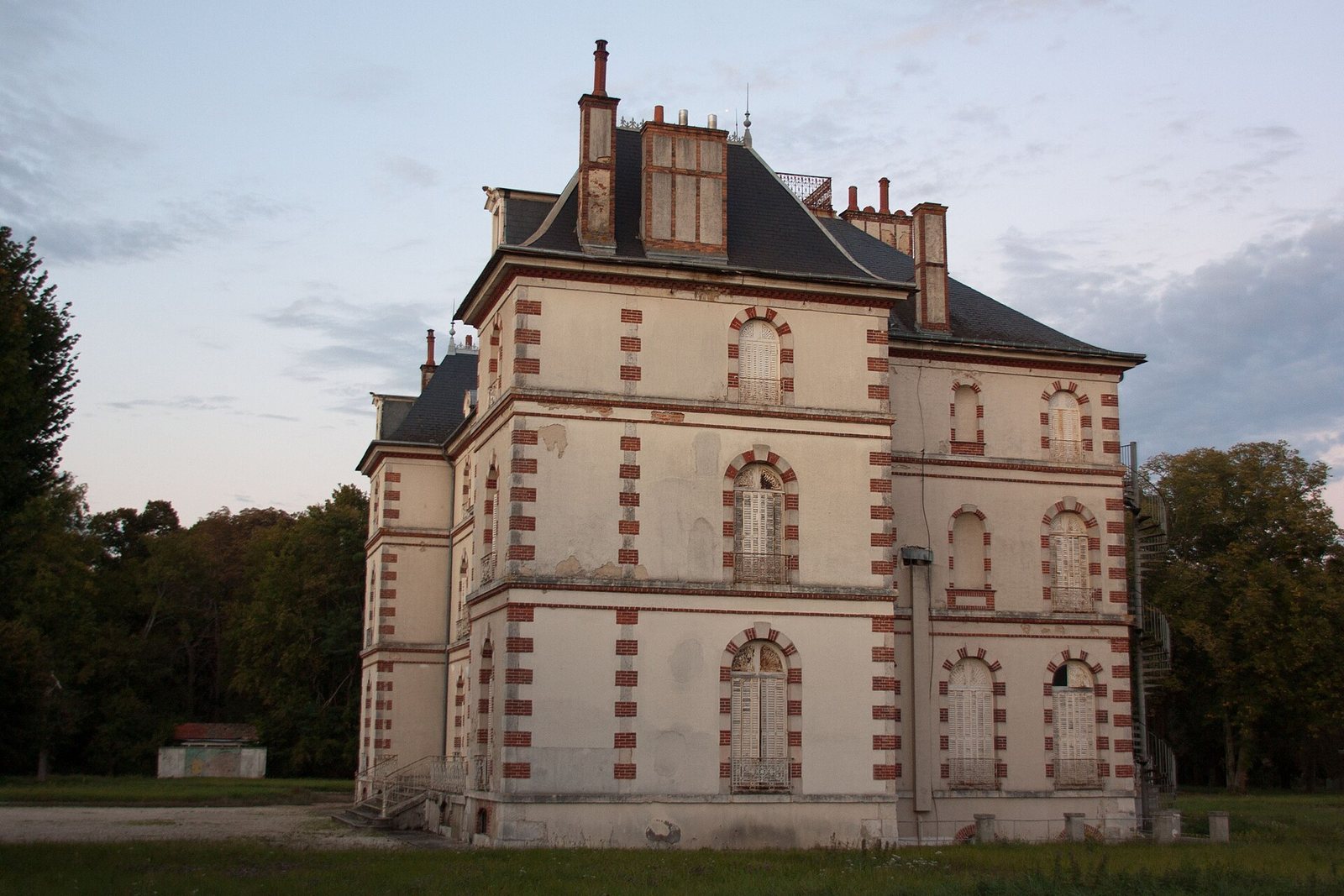
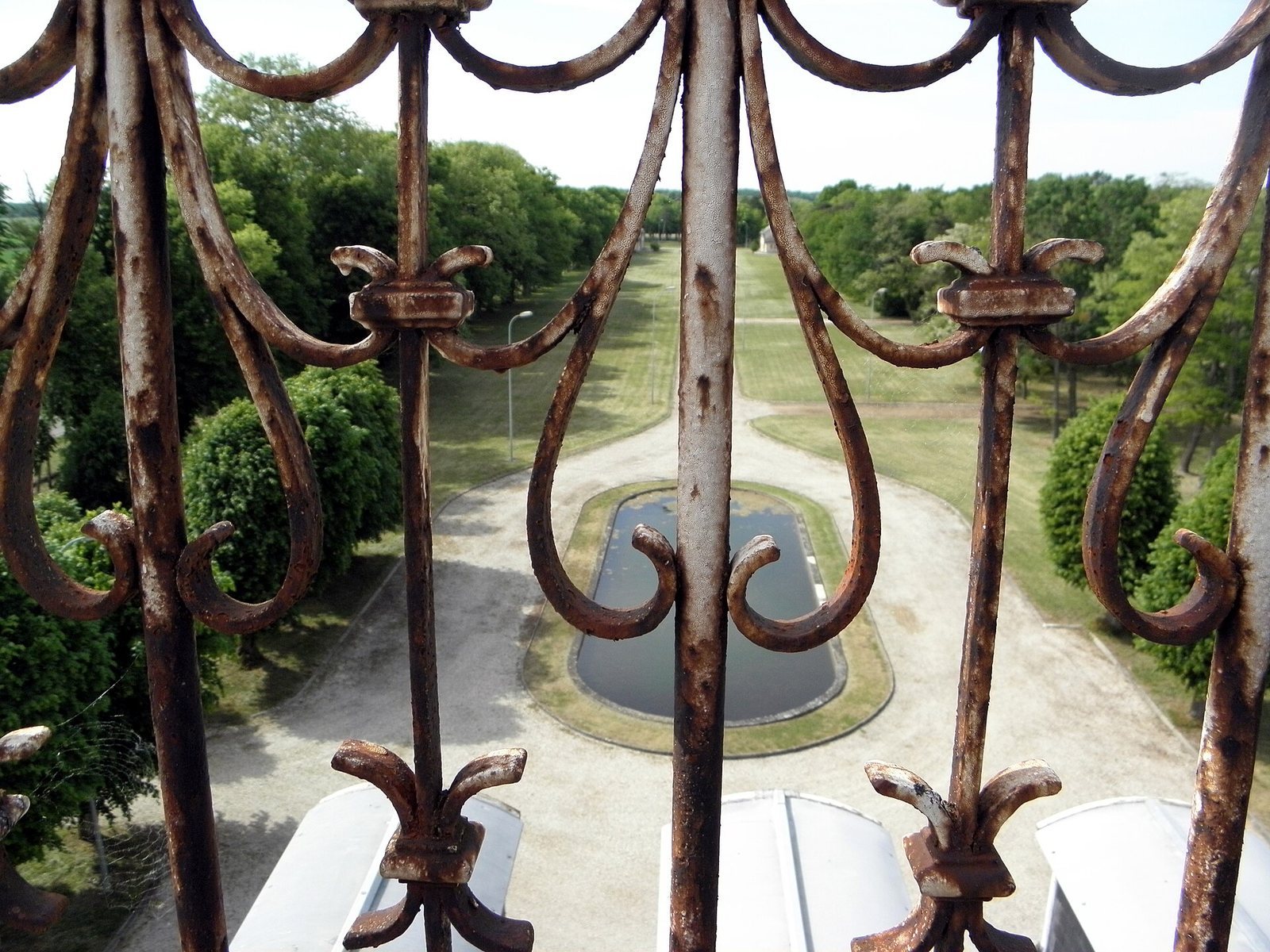
The estate is organized around a square-plan, two-storey château, with brick and stone details at its corners and around its windows. A tree-covered park of 38 hectares surrounds the building. The property stands at the junction of roads to Montargis and Cortrat, near the Vernisson, at an elevation of about 112 metres. A wrought-iron gate on the park’s northwest boundary carries the builder’s JB monogram. Chalets were installed in the grounds as part of the residential leisure park’s early development. For the LaBel Valette urban-art festival, Spanish artist Okuda San Miguel repainted the château’s entire façade.
Interior and clock turret
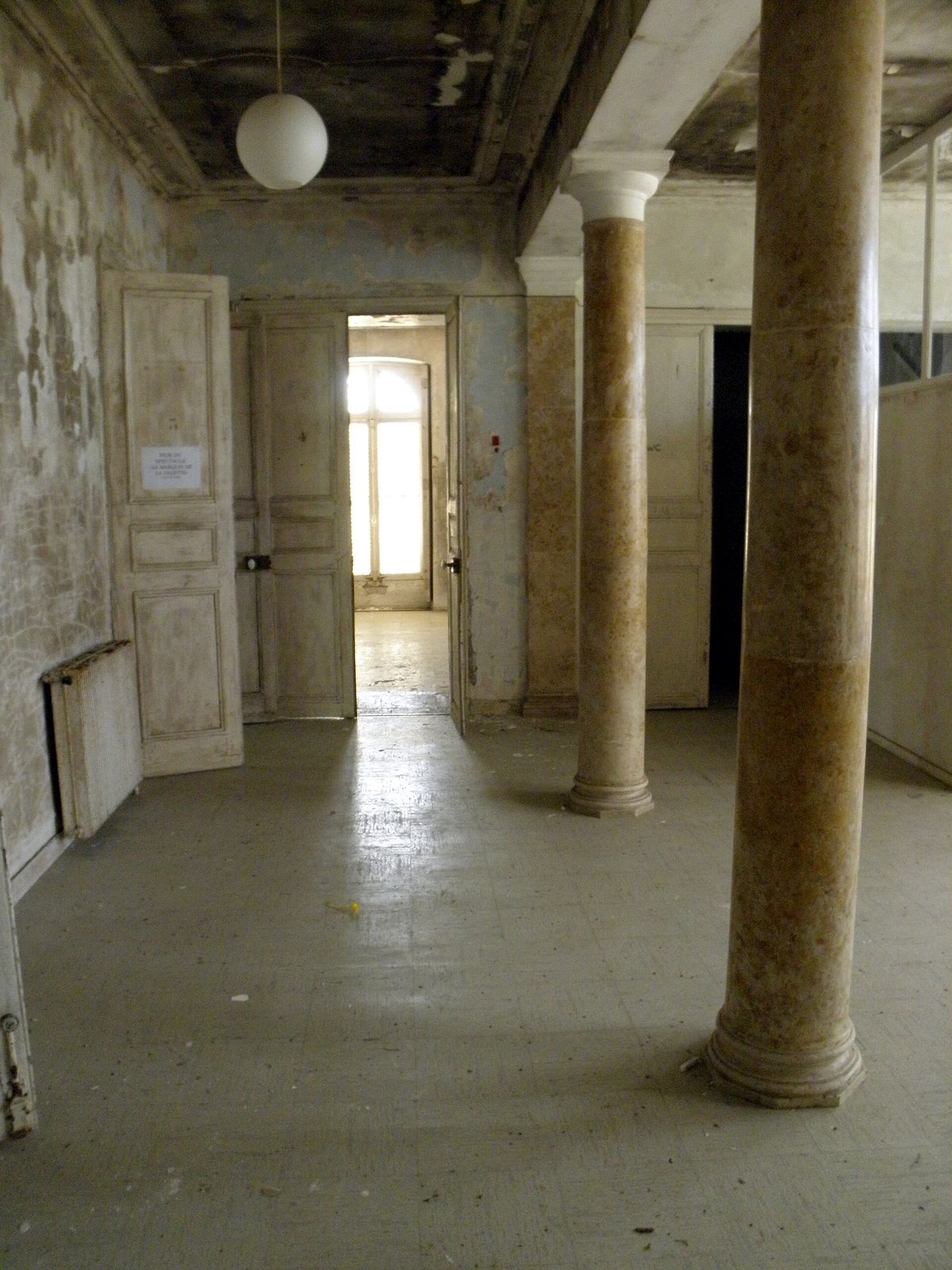
A floor mosaic in the vestibule combines fleur-de-lis and viscount’s coronets, commemorating the household’s residence there. The château’s clock turret was dismantled after 1930. Around 1925, Grandjean had donated its clock to the commune.
Chapel and estate buildings
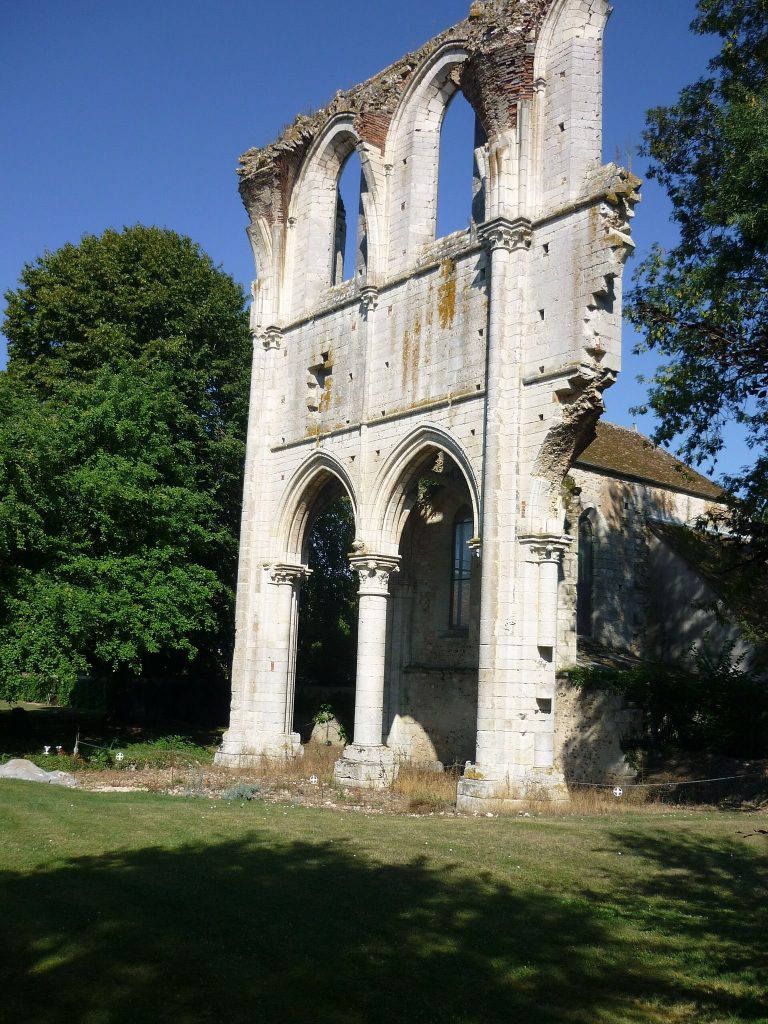
A chapel in the Gothic Revival style stands at the edge of the park. It was built around the time of the viscount’s death to receive his remains. Local testimony says the crypt held the coffins of both the viscount and viscountess; their remains are believed to have disappeared shortly after the Spanish émigrés arrived. The estate also includes stables.