Château de Domecy-sur-le-Vault: A Historic Château in Burgundy
Site at a Glance
- Popularity
- Medium
- Country
- France
- Primary era
- Early Modern
- Eras represented
- Medieval, Early Modern
- Civilizations
- Duchy of Burgundy, French
- Site type
- Domestic
- Remains
- Castle
On this page7 sections
History
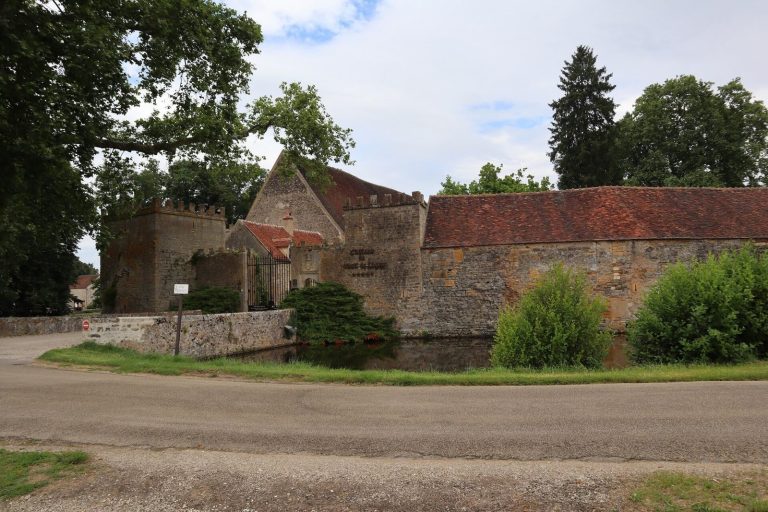
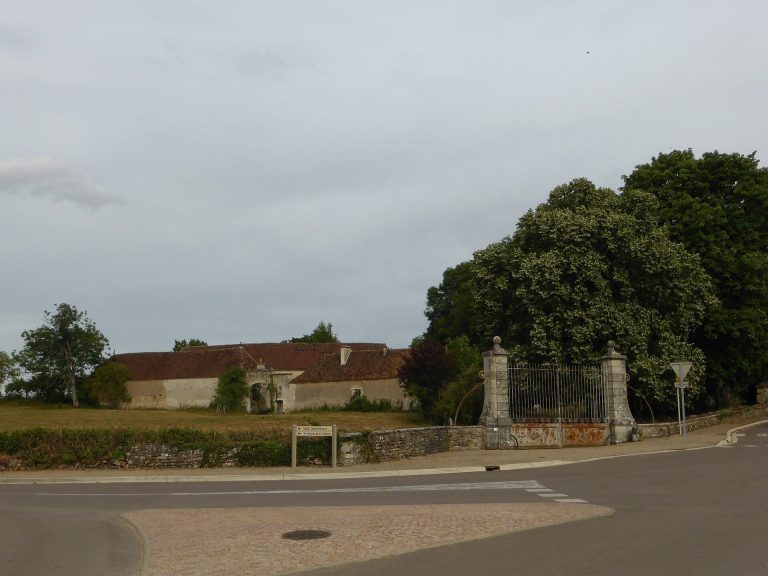
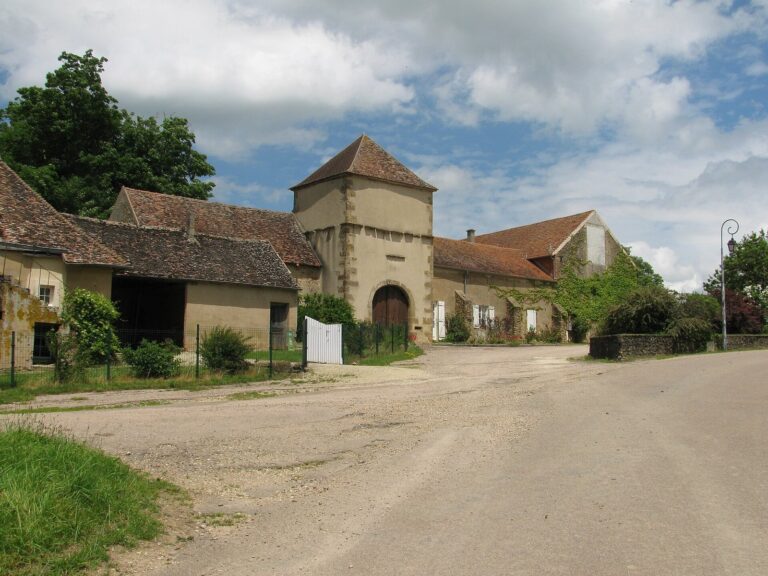
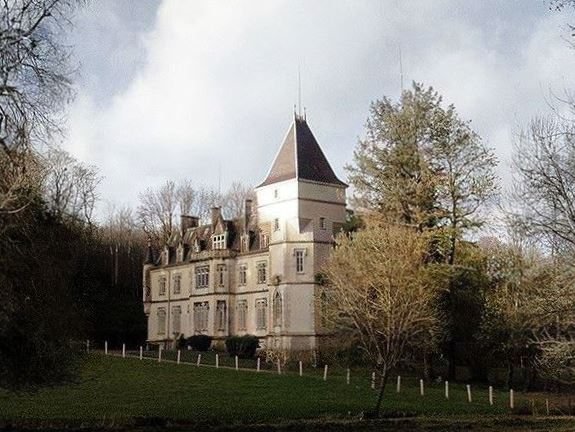
The Château de Domecy-sur-le-Vault is a historic residence in the Yonne department of Burgundy, France, near Sermizelles. It first appears in records in 1316 as a stronghold held by the d’Ostun family, who retained it for more than a century.
Medieval and early modern ownership
In 1440, marriage brought the lordship and castle to Edme de Salins. They passed to his son Jean in 1478, then were sold to Louis de Robert in 1507. Claude Longueville, Lord of Santigny, brought the property into his family in 1537 by marrying Philiberte de Robert.
Destruction and a new family
In 1569, troops of Frederick Louis, Count Palatine of Zweibrücken, burned the fortified house. A count palatine was a princely title associated with governing a territory; Zweibrücken was within the Holy Roman Empire. In 1748, the land was sold to Michel-Auguste de Denesvre. His family belonged to the leading social families of Avallon.
Odilon Redon’s commission
In 1899, Baron Robert de Domecy, a French aristocrat and arts patron, commissioned the French artist Odilon Redon to make 17 panels for the château’s dining room. Redon, associated with Symbolism, a movement that emphasized imaginative and suggestive imagery, created them in 1900–1901. Most of his paintings for the family remained in its collection until the 1960s; 15 panels entered the Musée d’Orsay in 1988.
Remains
Château and south wing
The south wing is the part of the château identified as shaping its present appearance. The Denesvre family rebuilt it after acquiring the land in 1748.
Dining-room panels
Made for the dining room, Redon’s panels reach up to 2.5 metres in height, and most have rectangular proportions. Their landscapes do not portray a particular place. Instead, trees, leafy twigs, and budding flowers appear against an unbroken horizon. Yellow, grey, brown, and light blue predominate. The rectangular formats and color choices reflect the influence of Japanese painting on folding screens. The panels were among Redon’s most radical compositions and mark a transition in his work from ornamental to abstract painting.