Chalus Castle: A Medieval Refuge and Watchtower in France
Site at a Glance
- Popularity
- Medium
- Country
- France
- Primary era
- Medieval
- Eras represented
- Medieval
- Civilizations
- Unclassified
- Site type
- Military
- Remains
- Castle
On this page5 sections
History
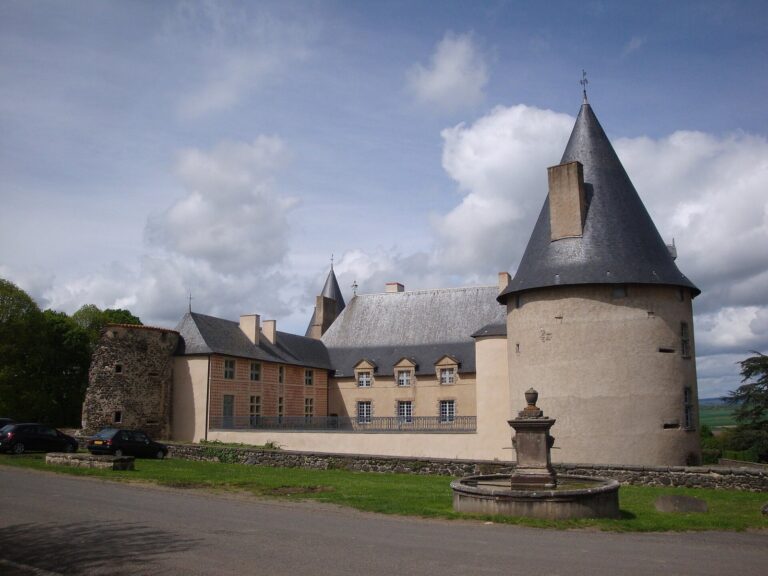
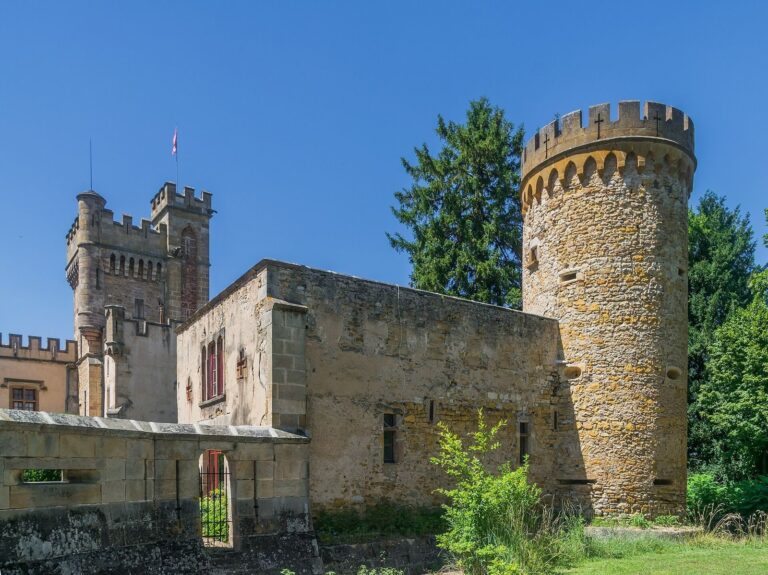
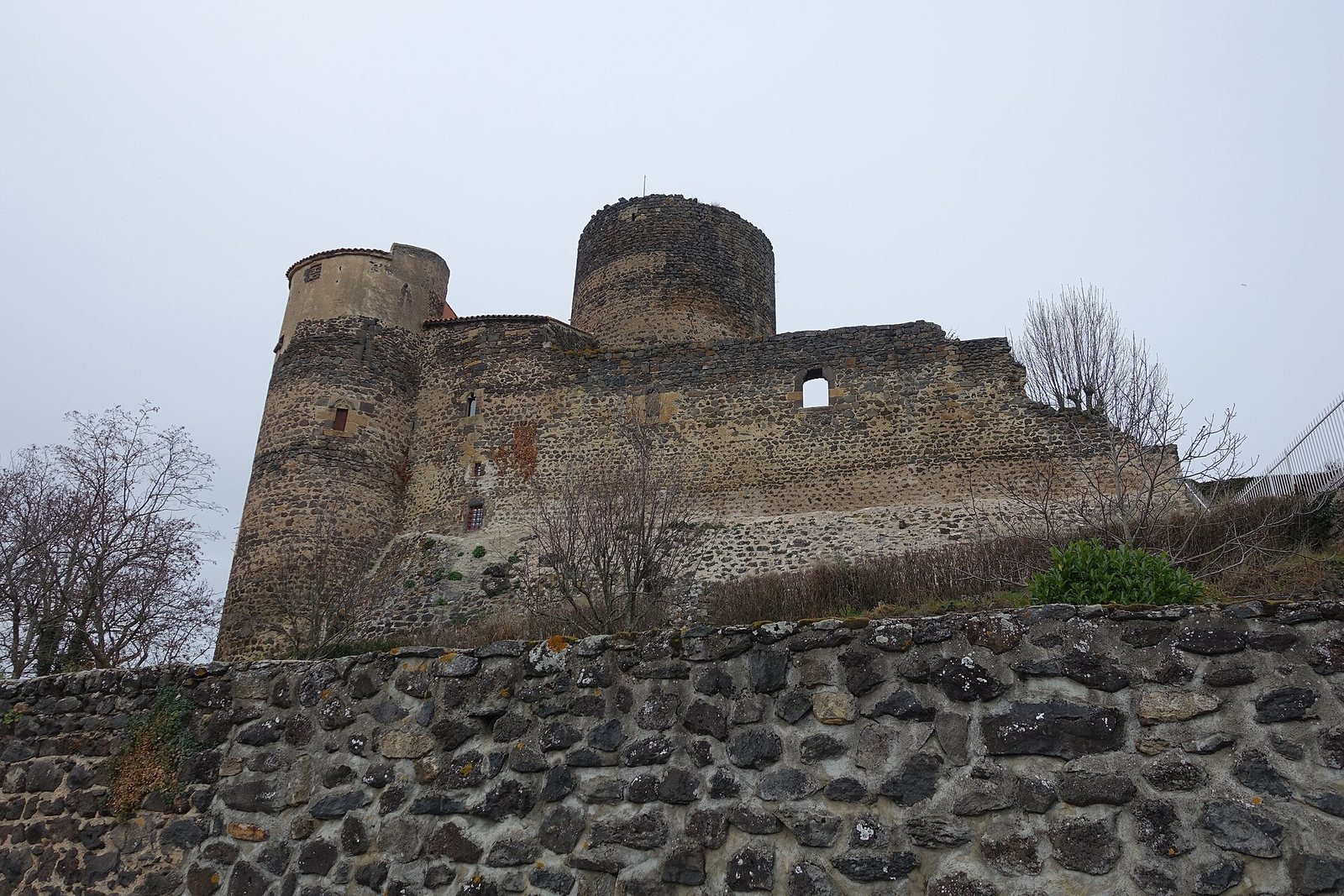
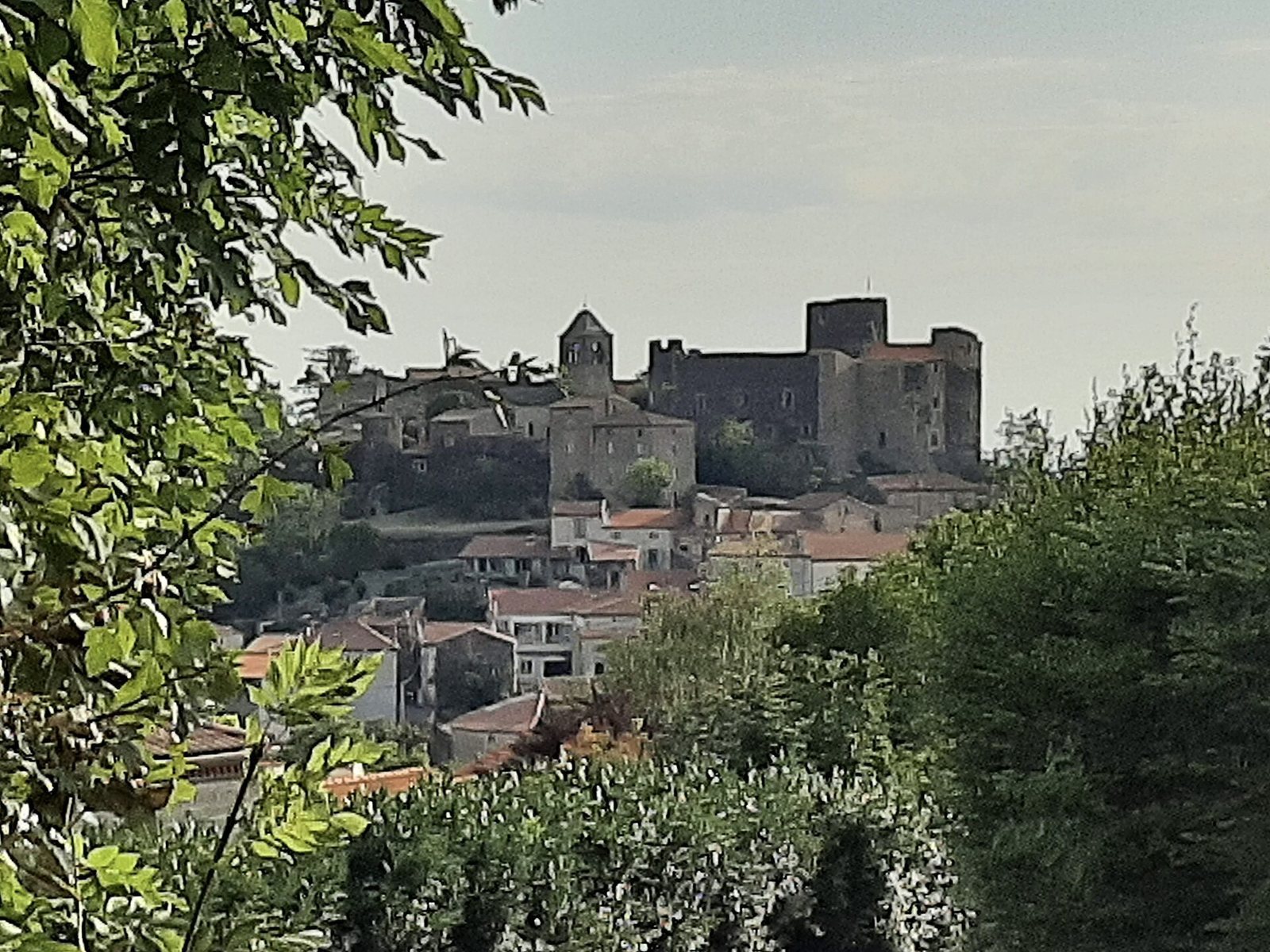
Chalus Castle is a ruined fortress in the commune of Chalus, in France’s Puy-de-Dôme department. Built between the eleventh and fifteenth centuries, it served the Chalus family as a refuge and watchtower.
The Chalus family and divided lordship
The Chalus family first held the castle. Guy, believed to have been the son of Eustorgue I, Count of Auvergne, became its lord by marrying the daughter of the previous lord. Their marriage established the Chalus-Lembron branch of the family.
Around 1290, Gaillarde de Chalus’s marriage to the lord of Apchon divided the castle between two lines. The southern portion became Apchon-lès-Chalus, while Hugues de Chalus received the northern part. The holdings were reunited under the Chalus family in 1347, divided and joined again through later marriages, and finally brought together in 1609.
Warfare and disputes over land
In 1359, during the Hundred Years’ War, the prolonged conflict between the English and French crowns, Guillaume VI de Chalus used the castle to resist an incursion into Auvergne by the English commander Robert Knolles. Guillaume was lord of Apchon-lès-Chalus and captain-general of Auvergne.
From 1415 to 1428, Hugues de Chalus held the lordships of Chalus, Sansac, Boudes and Bergonne. His feudal overlord, Béraud III, tried to take his lands for the Duke of Berry. Arbitration led to the lands being returned to Hugues.
Sale and later status
Pierre de Chalus and his wife, Françoise de La Tour d’Oliergues-Murat, whom he had married in 1634, were forced to sell the mortgaged castle. It was auctioned in 1666 to Nicolas de Villers, a squire and a counsellor and secretary to the household and crown of France. Pierre’s debts also led to the loss, by royal order, of the lordships of Chalus, Apchon and Auzat-sous-Chalus; Sansac was the only lordship retained by his family. The castle was designated a French historic monument on 6 October 1989.
Remains
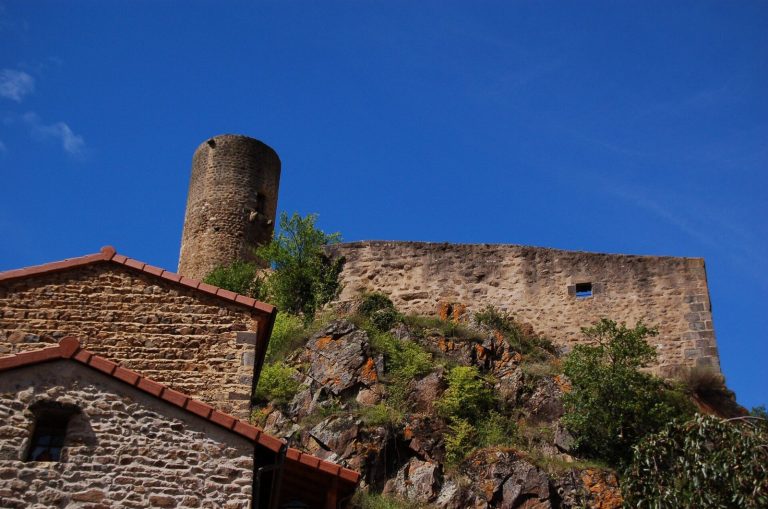
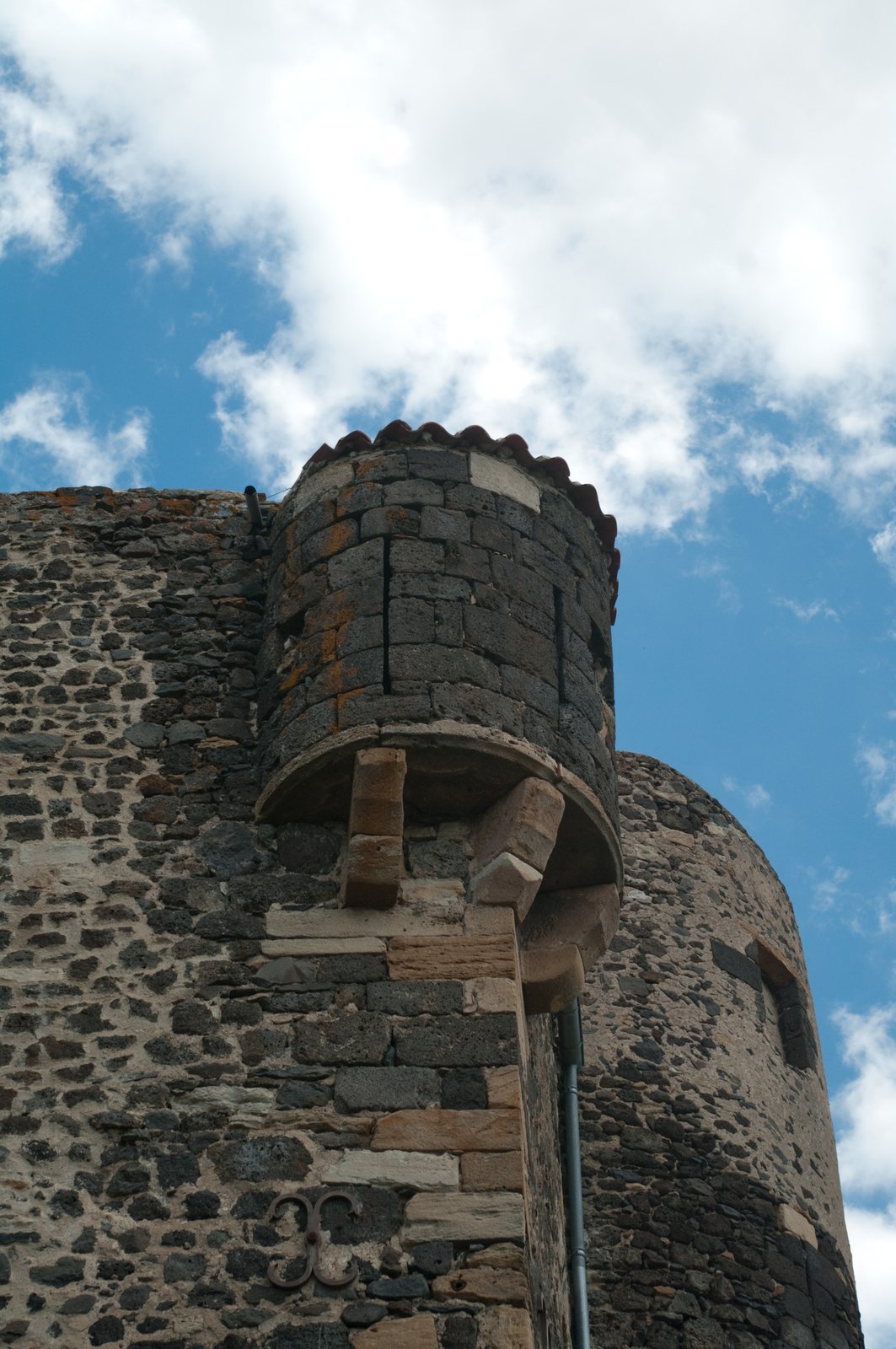
The ruined castle overlooks the Lembronnais. A castle mound, a raised earthwork used as a base for a castle, stood at the site by the early tenth century. The stone fortifications include a square keep and ramparts built in the eleventh century. The castle remains privately owned and in residential use.