Mitford Old Manor House: The Former Mitford Family Manor
Site at a Glance
- Popularity
- High
- Country
- United Kingdom
- Primary era
- Early Modern
- Eras represented
- Early Modern
- Civilizations
- English
- Site type
- Domestic
- Remains
- Manor House
On this page5 sections
History
Medieval tenure and seventeenth-century additions
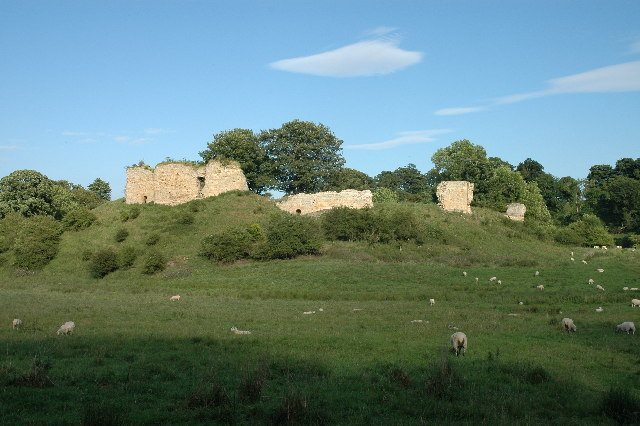
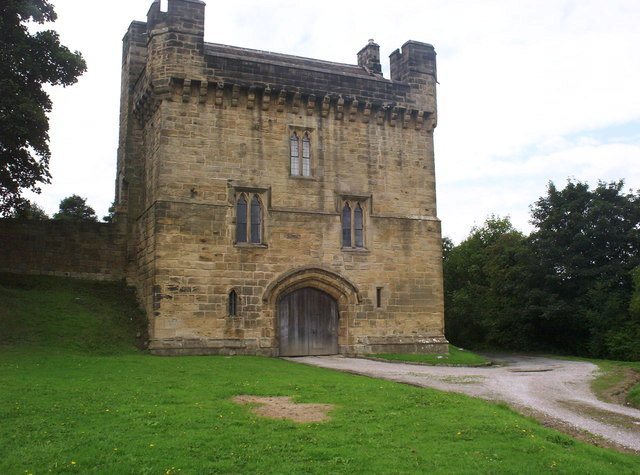
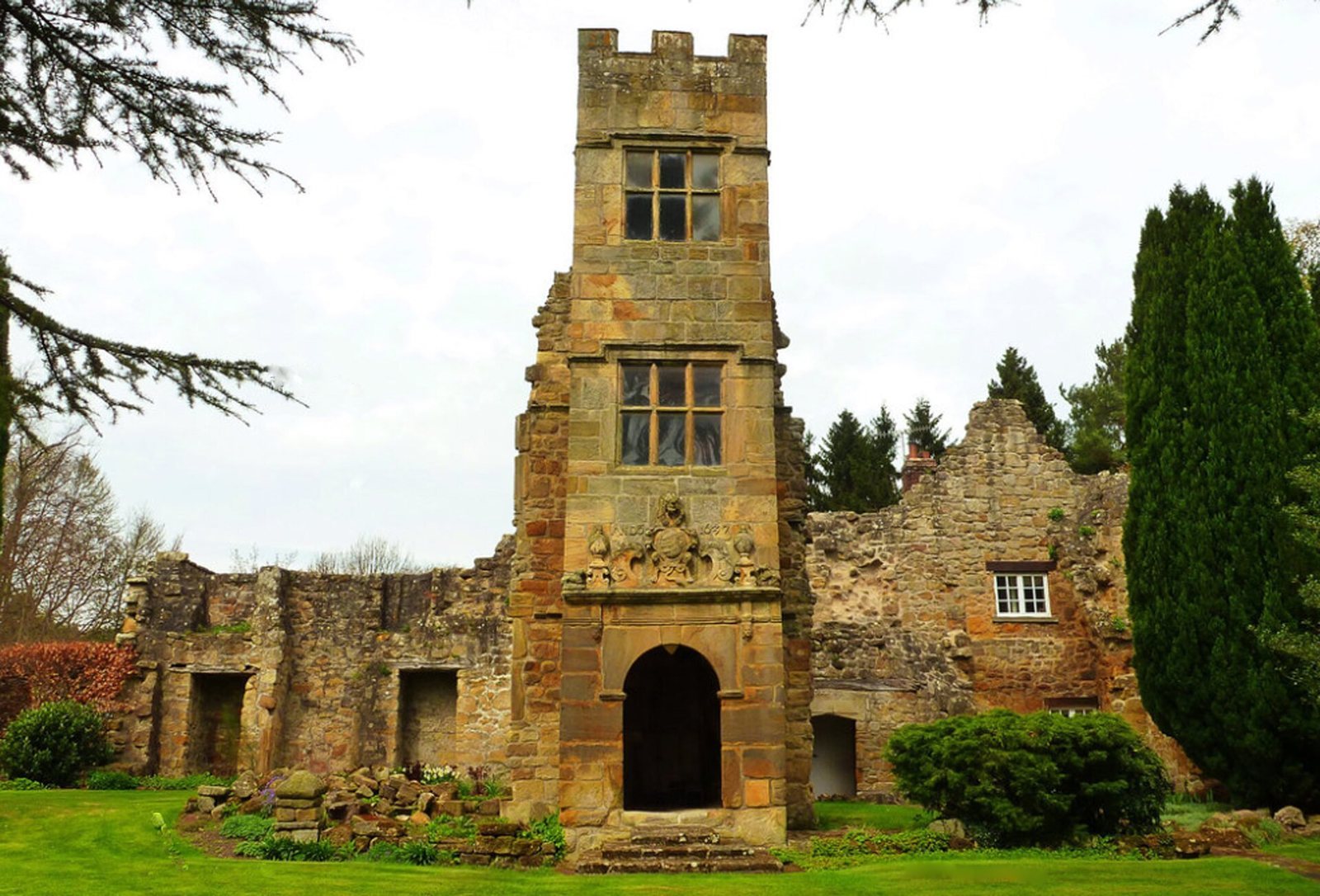
Mitford Old Manor House is the former manor house on the eastern bank of the River Wansbeck in the United Kingdom. Its remains include parts of a 16th-century house and a porch tower built around 1637. The Mitford family held the manor from at least the medieval period. Around 1637, Robert Mitford and his wife, Philadelphia Wharton, made additions to the house.
Bertram Mitford and the move to Mitford Hall
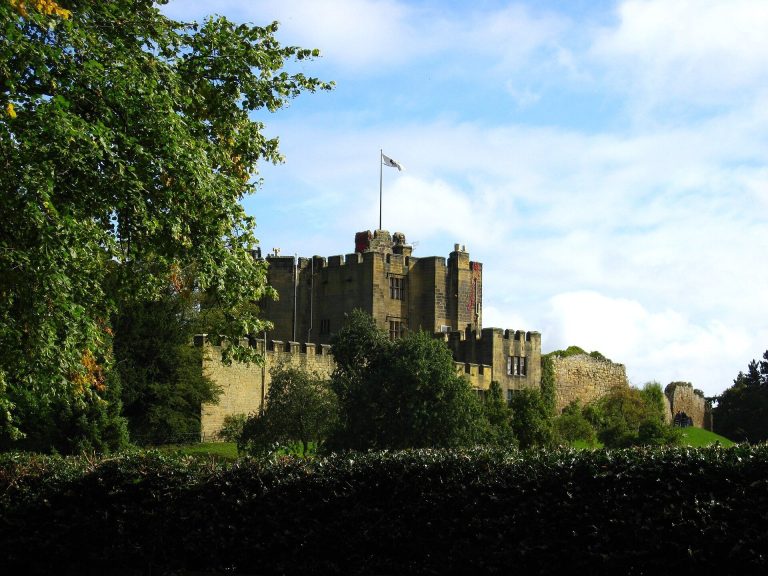
The estate passed through the family to Bertram Mitford and his wife, Frances. Around 1810, the house was substantially dismantled and rebuilt. Bertram had most of the old building taken down while planning a new house across the river, and the kitchen that remained became a gardener’s residence. In 1828, the Mitfords left for Mitford Hall, their new mansion and park on the opposite bank of the Wansbeck.
Gardeners and later use
Bartholomew Harbottle, one of the early gardeners, lived in the manor house in 1851 and 1861. His grave in the churchyard of St Mary Magdalene gives his date of death as 31 March 1862 and notes that he had served the Mitford family as a trusted servant for 46 years. Gardener William Duncan lived at the house in 1871; George Douglass and his wife, Margaret, were residents in 1901 and 1911. Around 1960, a modern house was formed from the kitchen wing. The building is Grade II*, the second-highest of England’s three listed-building grades, for buildings of particular architectural or historic importance.
Remains
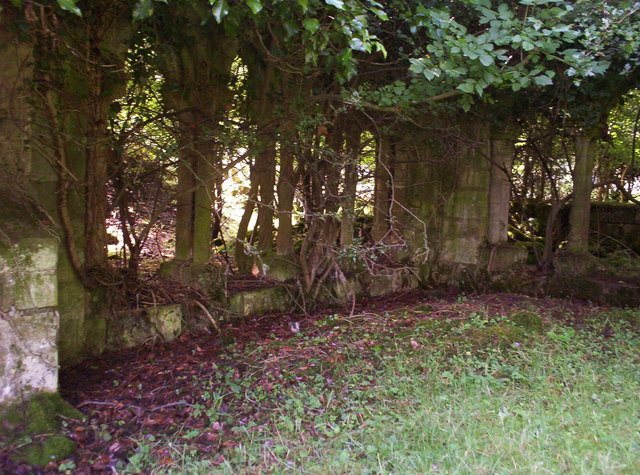
The substantial ruins comprise parts of the 16th-century house and a porch tower dating to around 1637. The house stood beside the old church of St Mary Magdalene on the eastern bank of the River Wansbeck. Its kitchen wing is the portion that survived the dismantling of most of the building and now forms a modern house.