Fort de Saint-Cyr: A 19th-Century Fort in the Defenses of Paris
Site at a Glance
- Popularity
- Medium
- Country
- France
- Primary era
- Modern
- Eras represented
- Modern
- Civilizations
- French
- Site type
- Military
- Remains
- Fort
On this page4 sections
History
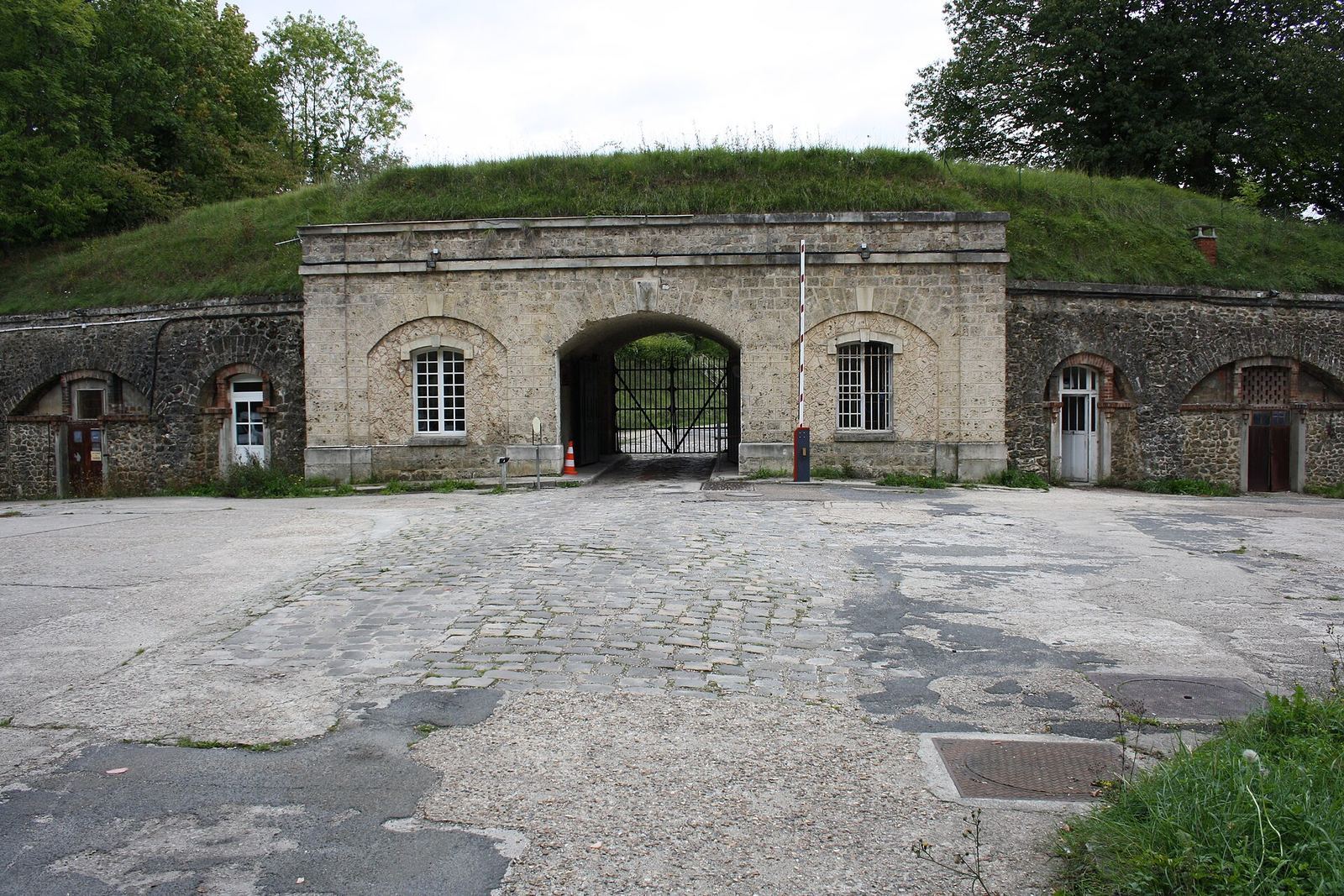
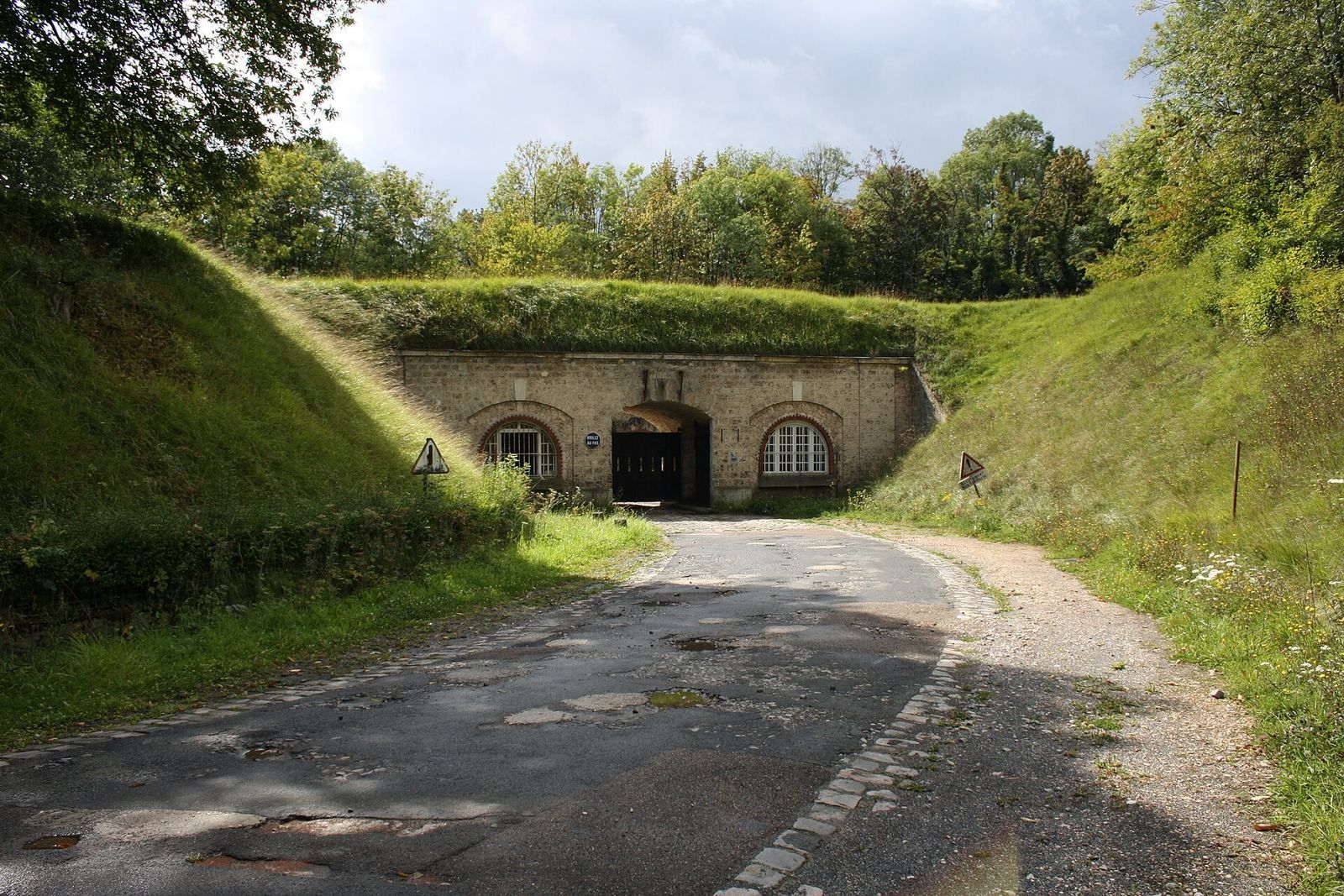
Fort de Saint-Cyr is a nineteenth-century military fort in Montigny-le-Bretonneux, France, built as a first-generation work in the Séré de Rivières system. Named for military engineer Raymond Adolphe Séré de Rivières, this French network of fortifications was developed after the Franco-Prussian War, which ended in French defeat, and the Prussian siege of Paris in 1870. The fort was intended to defend the southwestern approaches to Paris, Versailles, and the Satory military camp, while blocking the Trappes plateau and Gally valley and controlling railway lines from Le Havre and Tours.
Construction and military role
A law of 27 March 1874 authorized the fort’s construction. Work began in May 1875 and finished in 1879, when troops took up position. Batteries at Bois-d’Arcy, Saint-Cyr, and Bouviers, near Guyancourt, supported its defenses. The garrison comprised 26 officers, 56 non-commissioned officers, and 1,406 soldiers. Its defenses included 90 artillery pieces, and its stores held enough food for three months and water for six.
When built, the fort was in the commune of Bois-d’Arcy. Later boundary changes between Bois-d’Arcy and Montigny-le-Bretonneux placed it within Montigny-le-Bretonneux.
Later uses and preservation
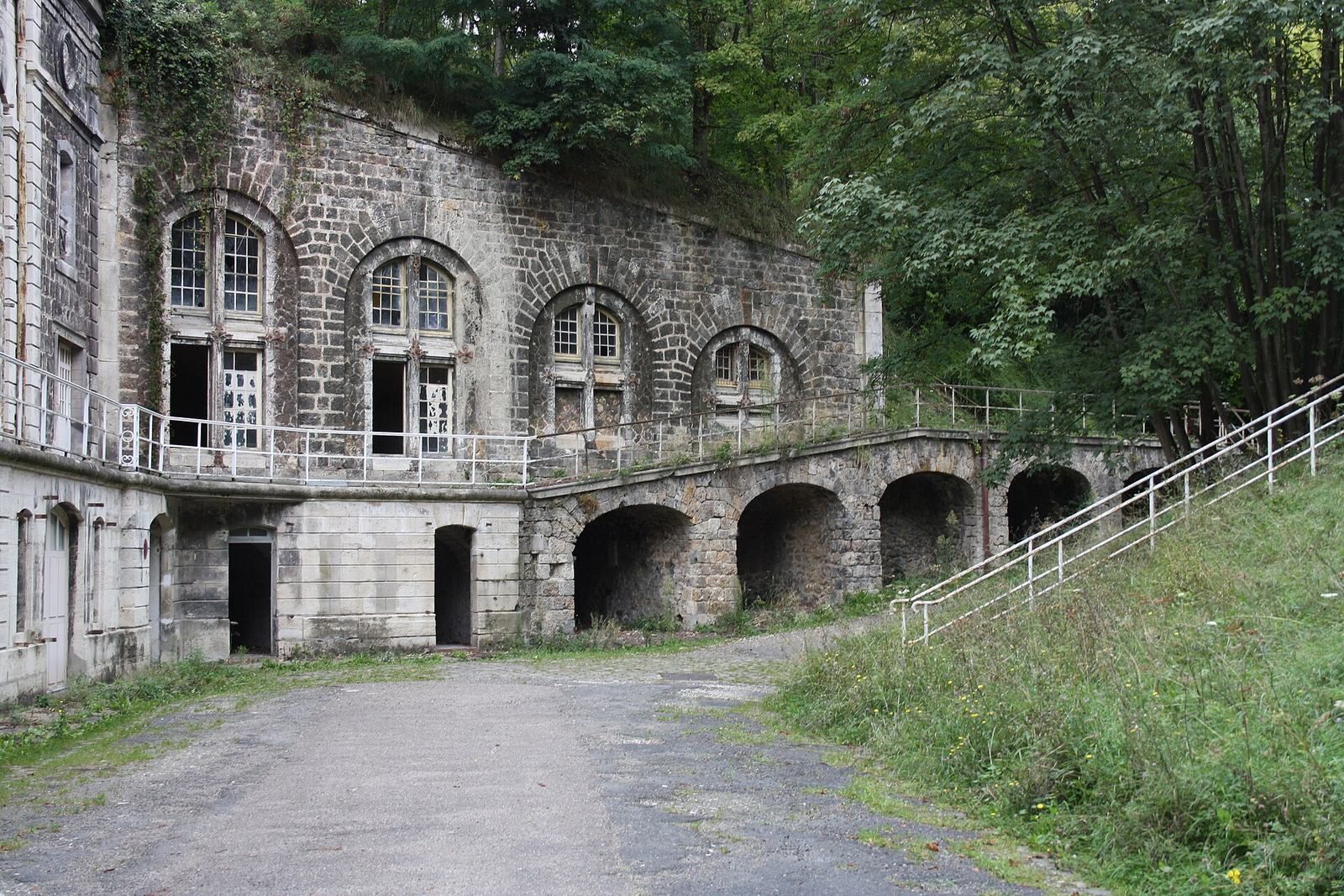
After the First World War, the fort became an army meteorological station and arms depot. The National School of Meteorology occupied it from 1948 to 1982, when the school moved to Toulouse. Since 1982, the Ministry of Culture has used the fort to preserve photographic archives held by the Heritage and Photography Media Library and 40,000 film copies from the Cinémathèque française. Film archivist Henri Langlois helped arrange the storage of the collection there. Classified as a French historic monument in 1992, the fort remains state-owned and continues to house photographic and film collections.
Remains
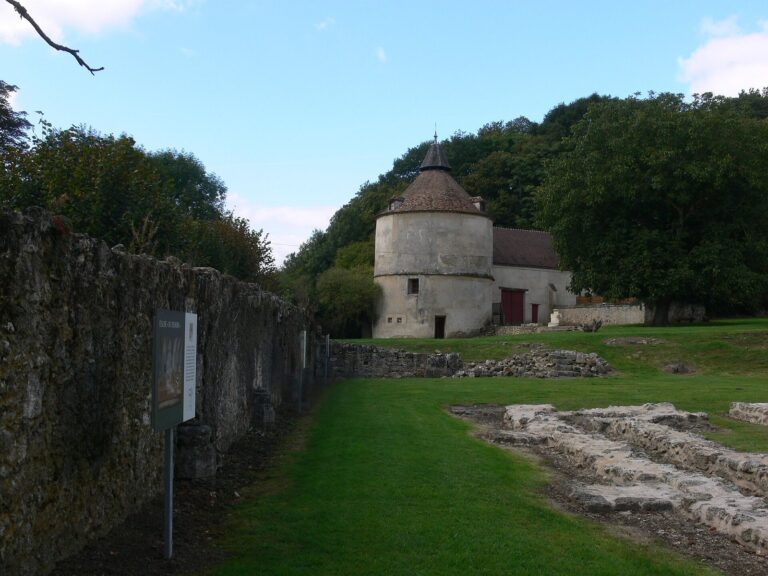
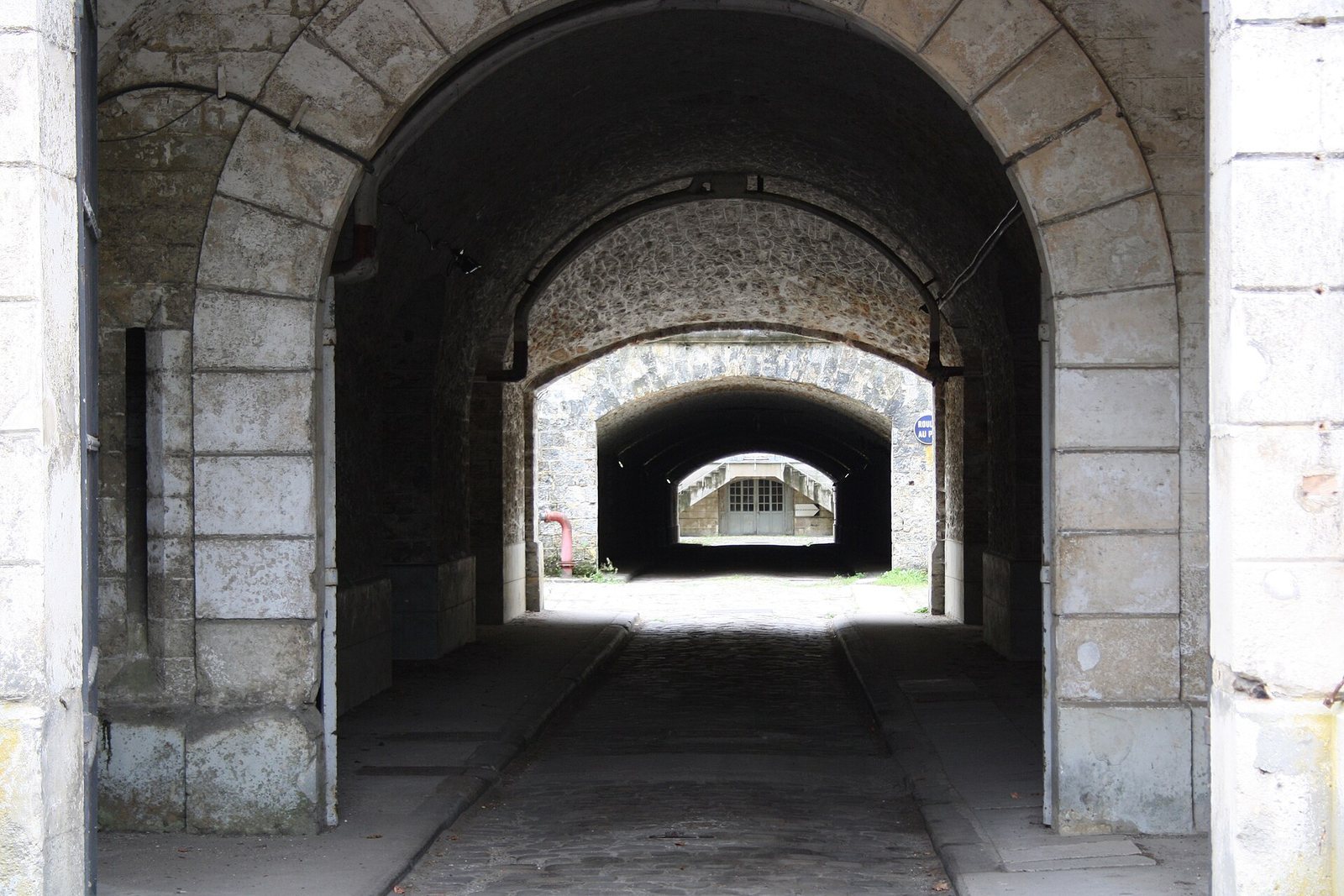
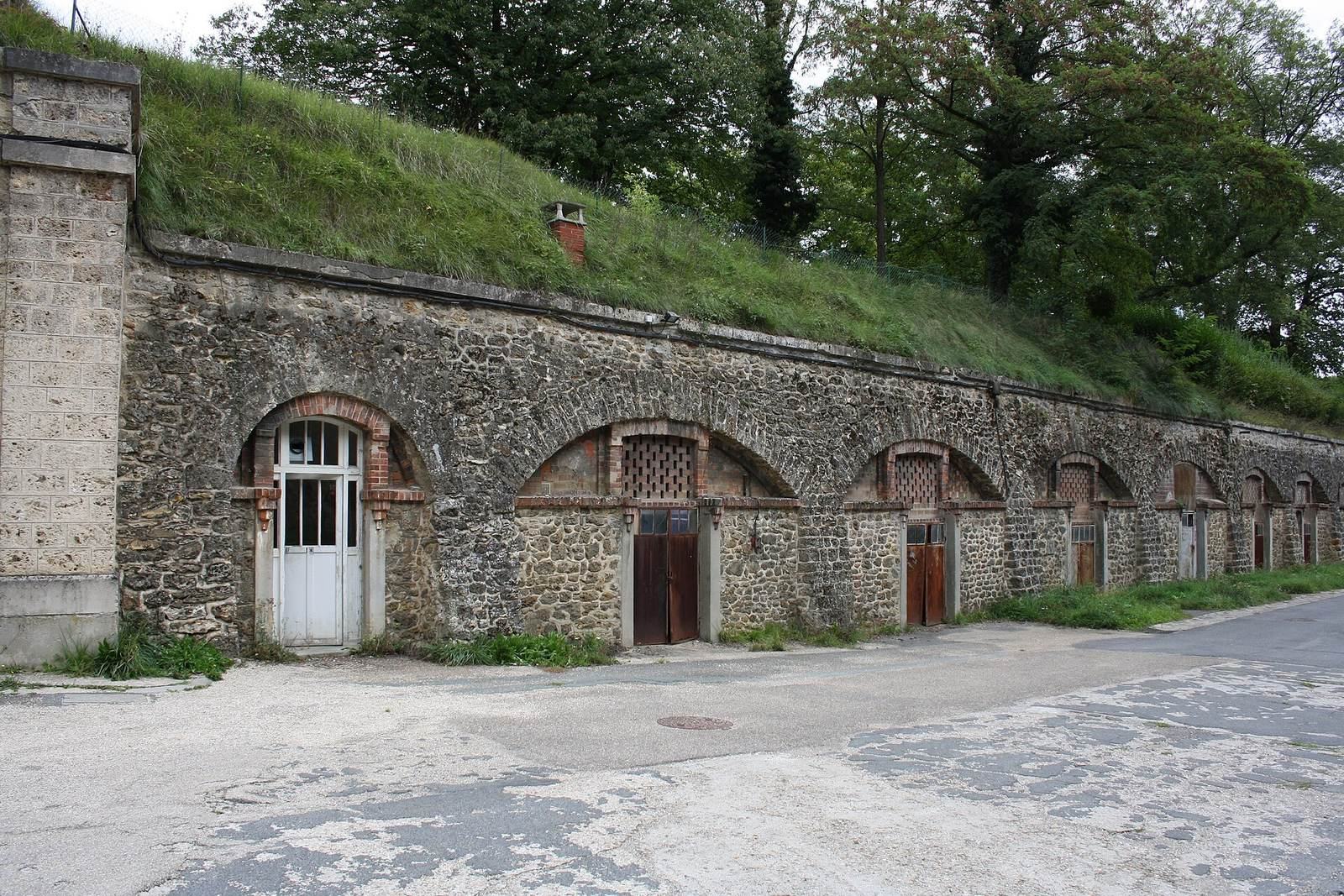
The fort is a large, trapezoidal military work described as preserved. Its principal armament included a twin 155 mm Mougin turret, an armored rotating gun position, model 1876. The turret survives, although its guns have been removed.