Muhaires Castle: An Early Saudi Military Stronghold
Site at a Glance
- Popularity
- Medium
- Country
- Saudi Arabia
- Primary era
- Modern
- Eras represented
- Modern
- Civilizations
- Saudi
- Site type
- Military
- Remains
- Castle
On this page5 sections
History
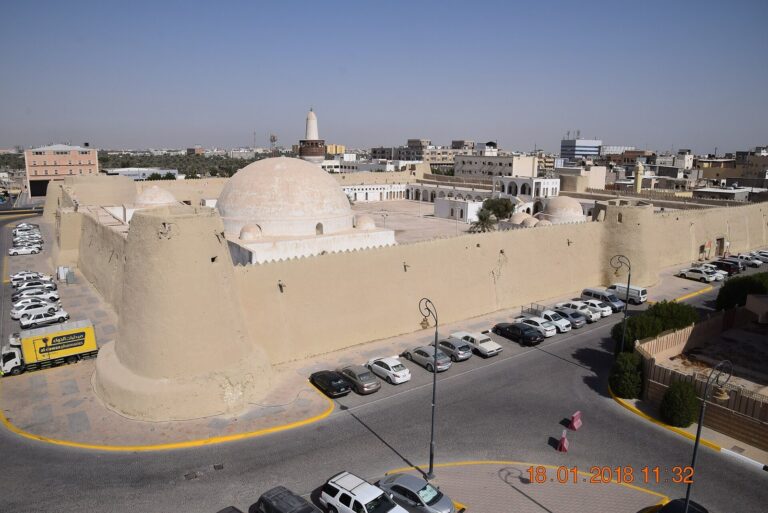
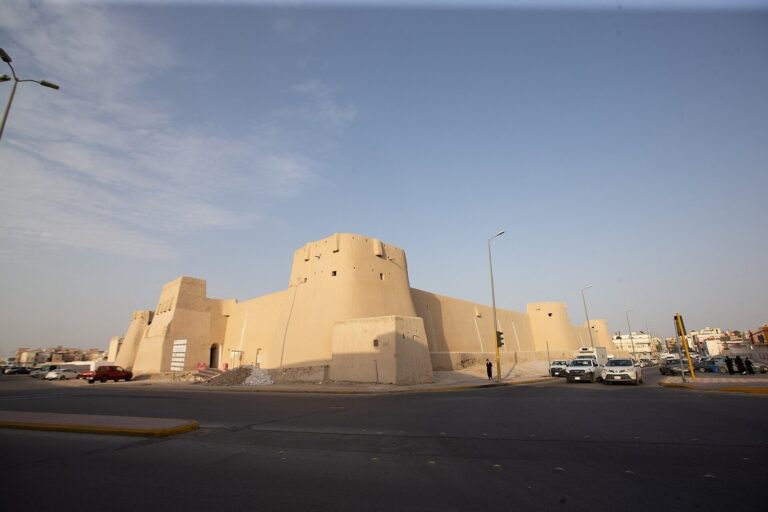
Muhaires Castle is an early Saudi-period military stronghold on a hill north of Mubarraz in Saudi Arabia. Its construction is attributed to Imam Saud bin Abdul-Aziz, a ruler of the First Saudi State, a polity centered on Diriyah in central Arabia. Prince Muhaires is also described as its builder, leaving the castle’s builder uncertain. The name Muhaires is explained as a diminutive form of a word for keeping watch or guarding.
The castle served as a small base for storing weapons, provisions, and ammunition. It is associated with a conflict between Imam Saud’s forces and those of Zaid bin Uray’er, a leader of the Banu Khalid, a tribal confederation prominent in eastern Arabia. In the fighting, Imam Saud’s forces drove Zaid bin Uray’er’s men from northern Mubarraz and the northern villages of Al-Ahsa.
Large sections of the castle collapsed in 2008. The surrounding grounds were developed as Muhaires Castle Park and later converted into an arts garden for exhibitions and other arts events.
Remains
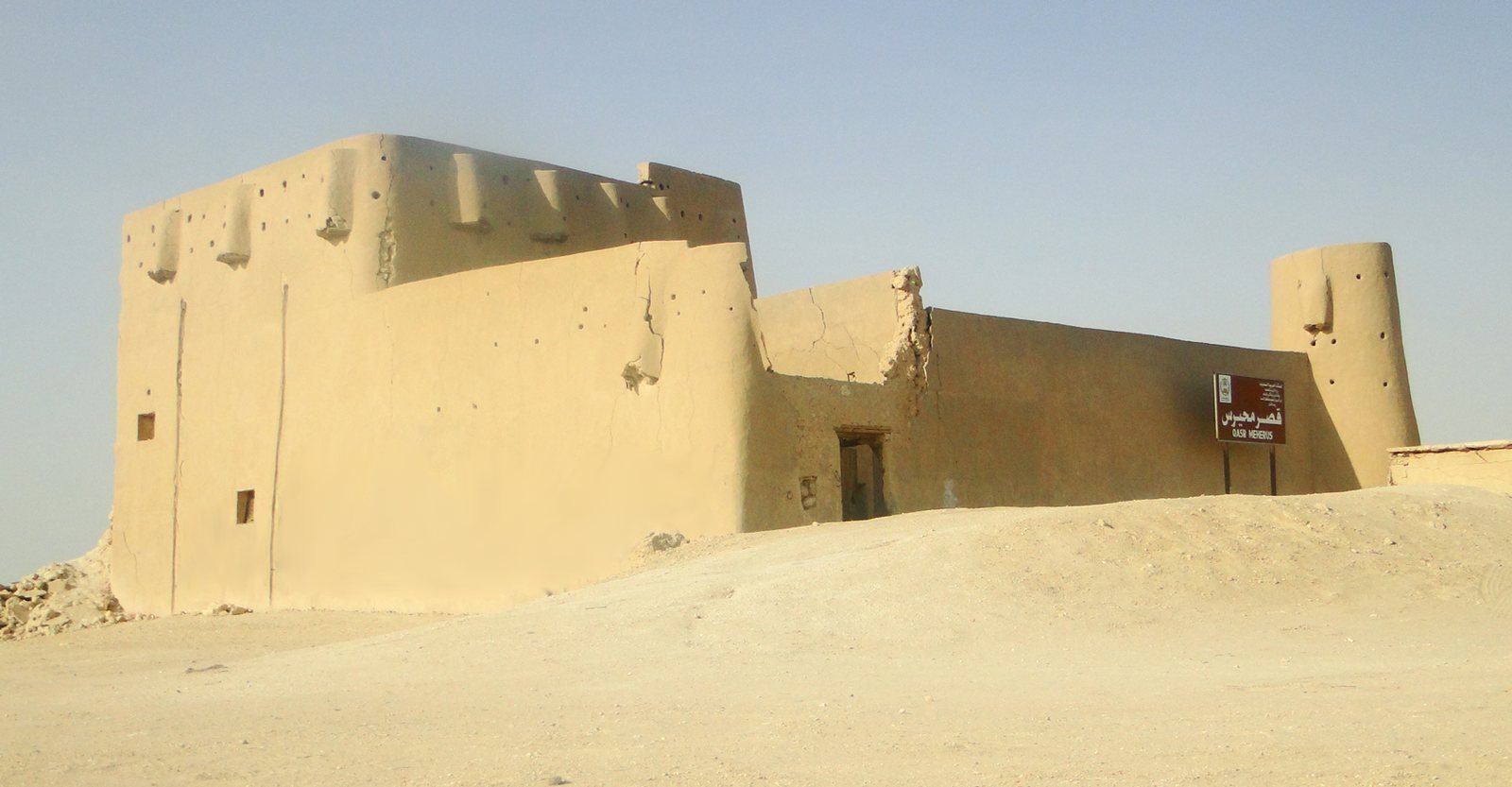
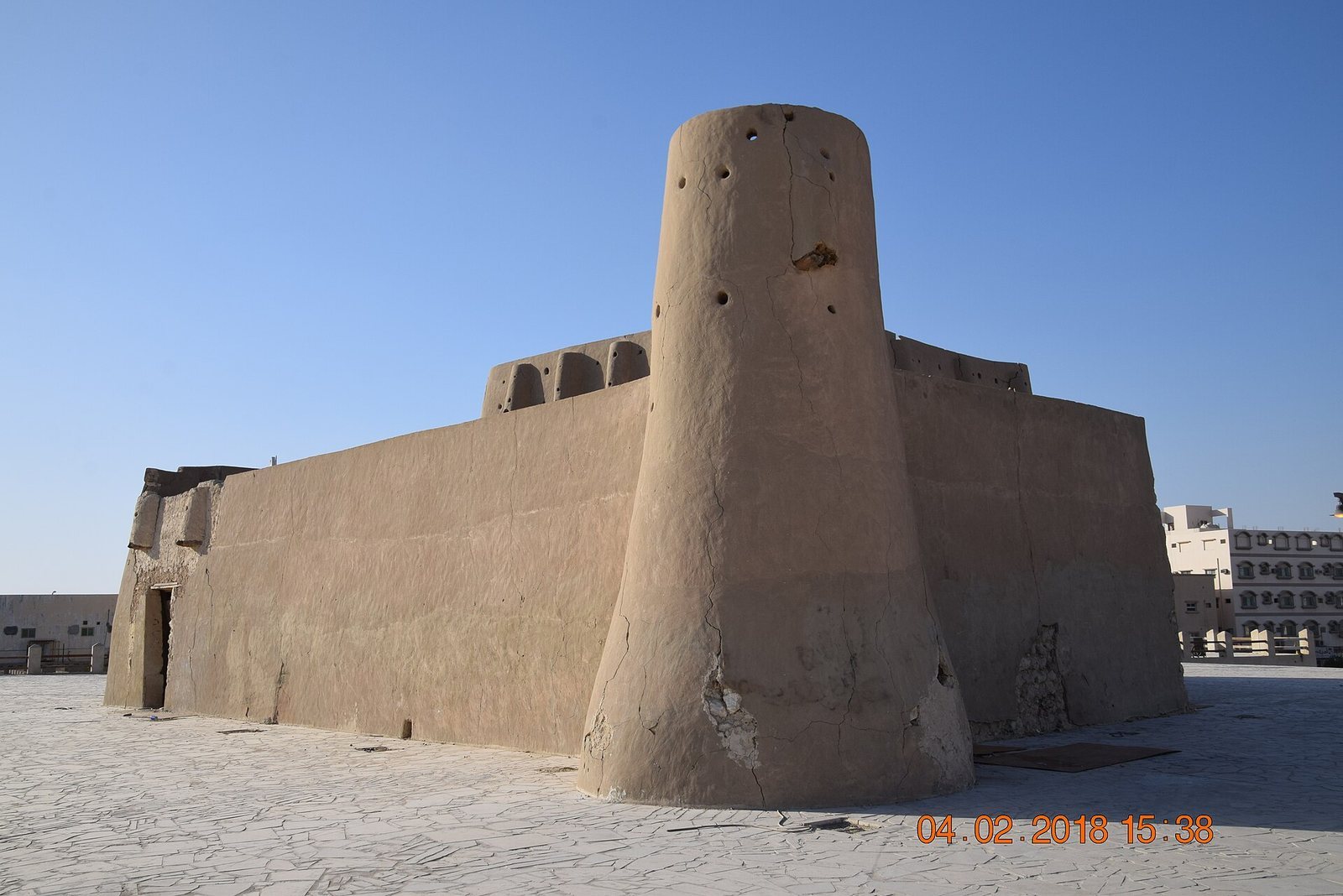
The small, square castle measured about 20 metres on each side and originally had two floors. It was built of stone and mud, with earthen construction incorporating materials such as burlap and straw. The site lies northeast of the center of the Irrigation and Drainage Project Authority, among modern buildings in Al-Andalus neighborhood, also known as Al-Rashidiyya, in Al-Ahsa Governorate.
Castle layout and defenses
Walls and towers
Round towers with rooms formed part of the castle, while a cylindrical tower strengthened the outer wall at its southeast corner. A gate in the southern wall opened into the interior.
Courtyard and rooms
The gate led to a small, uncovered courtyard with a well at its center. Three long rooms faced the courtyard, with two more rooms above them. The upper rooms had openings through which defenders could attack assailants below.