Pfalz Pöhlde: A Medieval Royal Residence and Monastic Complex
Site at a Glance
- Popularity
- Medium
- Country
- Germany
- Primary era
- Early Modern
- Eras represented
- Early Modern
- Civilizations
- Holy Roman Empire
- Site type
- Civic
- Remains
- Palace
On this page10 sections
History
Pfalz Pöhlde was a palatinate, a royal residence and centre of authority, in present-day Lower Saxony, Germany. Dated to 929, it developed from a Saxon Liudolfing estate into a royal and monastic complex.
Royal estate and foundation
In 927, Henry I, king of East Francia, the eastern Frankish kingdom that developed into the medieval German kingdom, gave the estate to his wife Matilda, later venerated as Saint Matilda. After Henry’s death, she asked their son Otto I to establish a religious foundation there. Otto’s charter of 16 May 952 specified that an abbey should be built beside the palatinate. Benedictine monks, members of a monastic order following the Rule of Saint Benedict, settled at the abbey.
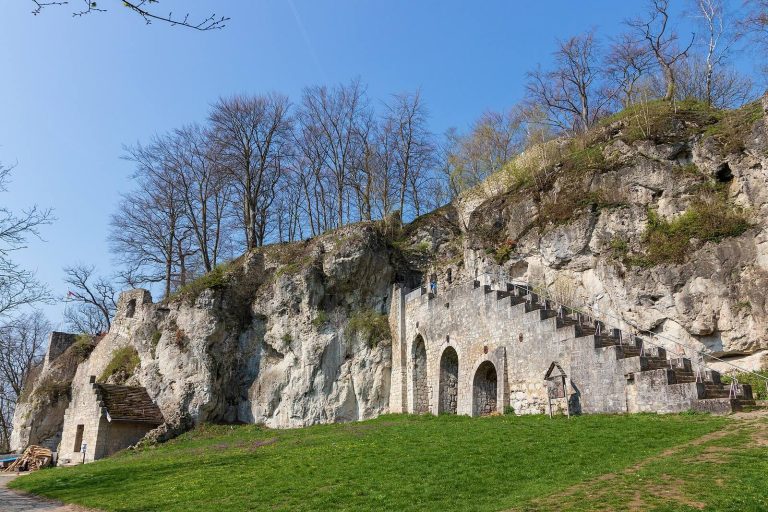
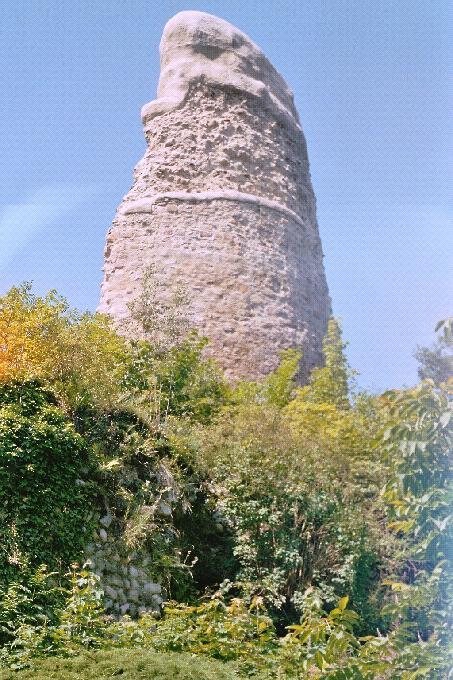
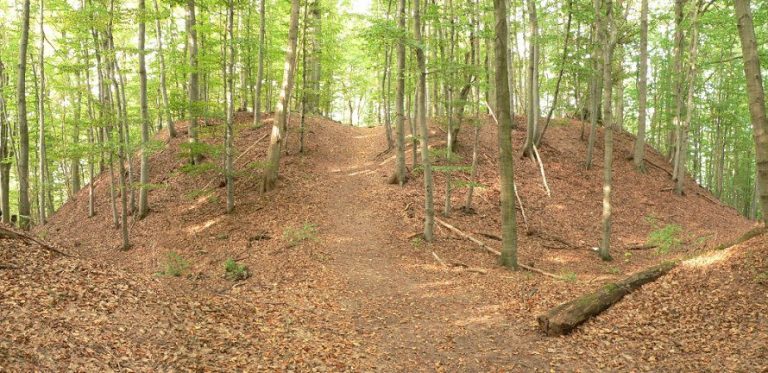
Pöhlde stood where the east–west Fastweg crossed the Rotenberg and met two north–south routes. The palatinate and monastery formed one of five such royal sites in the region. About 500 metres away, on the Rotenberg beside the Fastweg, stood Wallburg Pöhlde, a hillfort whose relationship to the palatinate is uncertain. A legend says that in 919 Henry the Fowler, another name for Henry I, learned there that he had been elected the first Saxon king of East Francia. It links the episode to the name ‘King Henry’s bird-catching place.’ Archaeological investigations indicate that the hillfort served intermittently as a refuge, rather than as a permanent seat of power.
German kings and emperors visited Pöhlde 27 times. Many visits took place at Christmas, giving the palatinate the name ‘Christmas palatinate.’ Henry II was among its frequent visitors.
Royal politics and decline
On 30 April 1002, Ekkehard I, Margrave of Meissen and Duke of Thuringia, was murdered at Pöhlde by Siegfried II, Benno of Northeim, Henry II of Liesgau, and Udo of Katlenburg. His claim to the German throne was given as the motive for the killing.
At Christmas in 1012, Gregory VI, an antipope whose claim to the papacy was not generally recognized, visited Henry II to seek his recognition. A fire destroyed the palatinate in 1017, according to the chronicler Thietmar of Merseburg, and it seems to have been rebuilt soon afterward. In 1047, Bishop Poppo of Brixen was named Pope Damasus II at Pöhlde. The following year, Count Thietmar of the Billung family died in a judicial duel, a formal combat used to settle a dispute. The last known royal visit took place in 1059. As the monastery grew, the palatinate declined in importance.
Monastic changes and destruction
In 1129–30, the monastery became a provostry, a religious house governed by a provost, within the Premonstratensian order, a community of religious canons. In 1158, Holy Roman Emperor Frederick Barbarossa exchanged Pöhlde, along with the castles of Herzberg and Scharzfels, with Henry the Lion, Duke of Saxony and Bavaria, for lands in southern Germany.
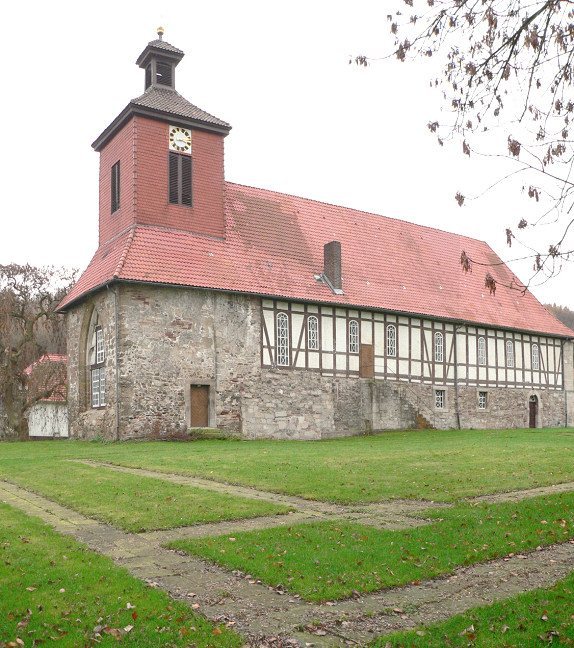
The German Peasants’ War, a series of uprisings across German-speaking lands in 1524–25, brought the monastery’s destruction in 1525. Its community moved to Duderstadt, and the monastery was secularized before 1575. During the Thirty Years’ War, the major central European conflict of 1618–48, the monastery complex was destroyed and the last remains of the palatinate disappeared. A church was built on the monastery church’s foundations in 1668.
Remains
Palatinate complex
The palatinate and monastery occupied the area around the present church and parish garden, with a passage connecting the royal residence to the monastery church. Excavations from 1964 to 1974 covered 1,700 square metres beside the church and in the parish-house garden, exposing foundations from a complex built in several phases and using varied materials and techniques.
Buildings and construction
The complex comprised at least twelve buildings, with ovens and cellars among the excavated remains. Its largest building was a hall measuring 9.5 by 22 metres, apparently intended for representative use. Overlapping wall courses indicate successive building phases, while construction methods and materials varied, including the use of gypsum and clay. The lowest and oldest parts were built without mortar, using stones arranged in a herringbone pattern.
Northern and southern boundaries
A flat-bottomed ditch bounded the complex to the north. On the south, a wall one metre thick, built in the herringbone pattern, marked its limit. Excavated foundation walls stood up to 80 centimetres high before being reburied for protection.
Earlier settlement evidence
Cultural layers beneath the palatinate’s wall courses contained pottery and metal finds dating from the second to the fourth centuries. These finds indicate an earlier Germanic settlement at Pöhlde.
Surface traces
Stone slabs in the lawn mark the foundations of the monastery’s former covered walkway. Traces of hollow ways, or sunken tracks, leading from the nearby hillfort down toward Pöhlde remain visible in the terrain.