Manor of Adadurov: A Neoclassical Estate in Minsk
Site at a Glance
- Popularity
- Medium
- Country
- Belarus
- Primary era
- Modern
- Eras represented
- Modern
- Civilizations
- Russian
- Site type
- Domestic
- Remains
- Elite Residence
On this page6 sections
History
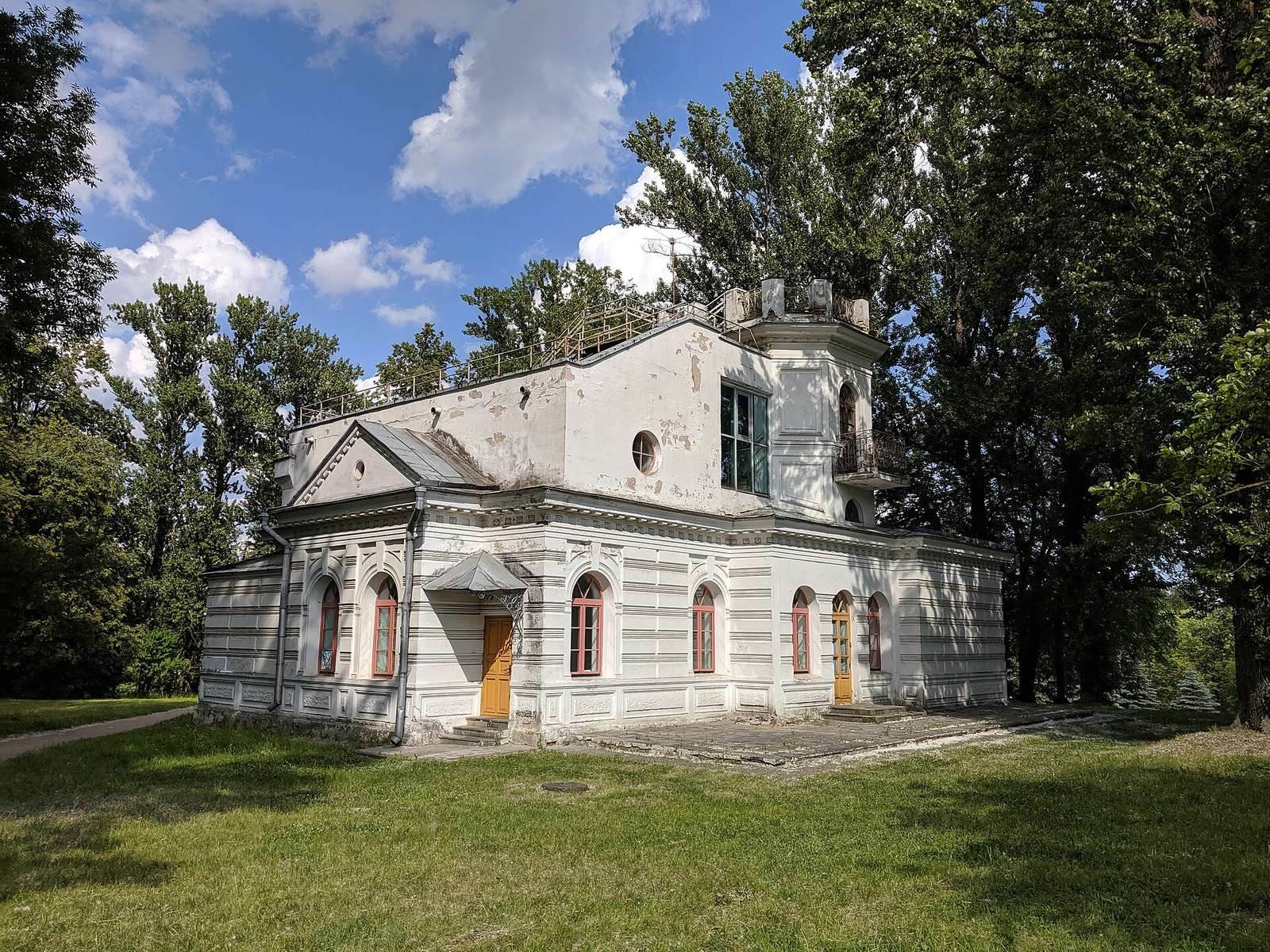
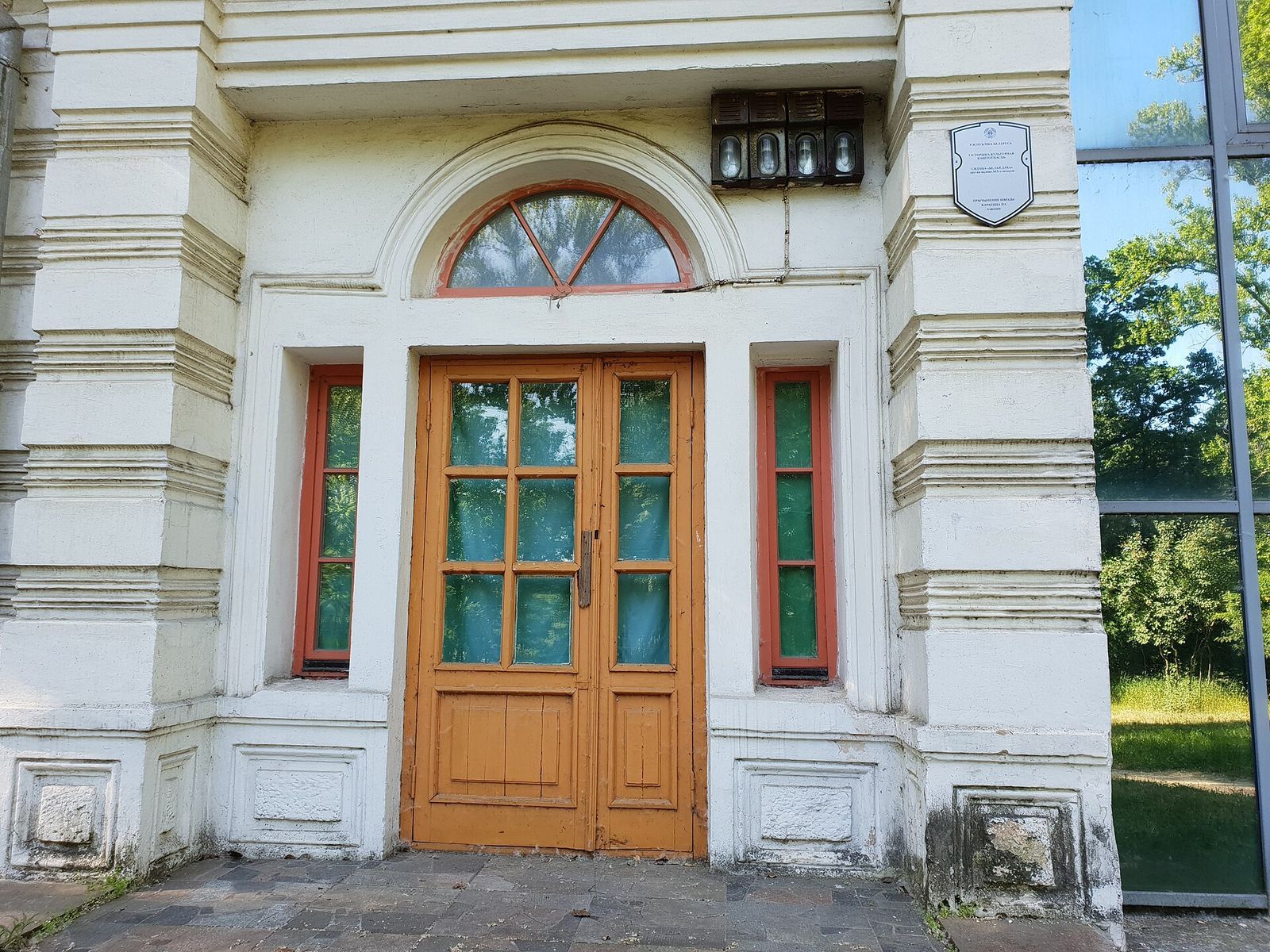
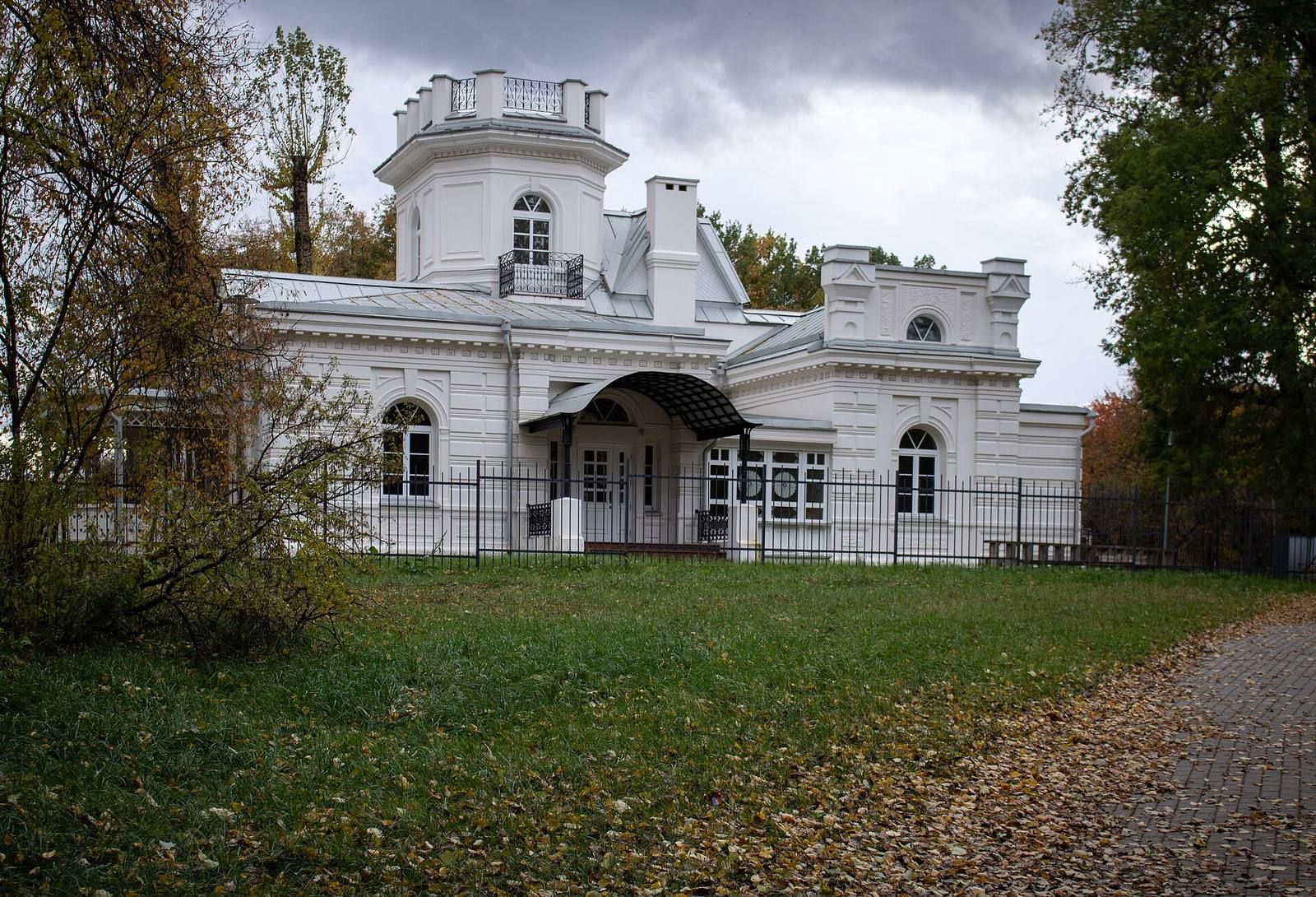
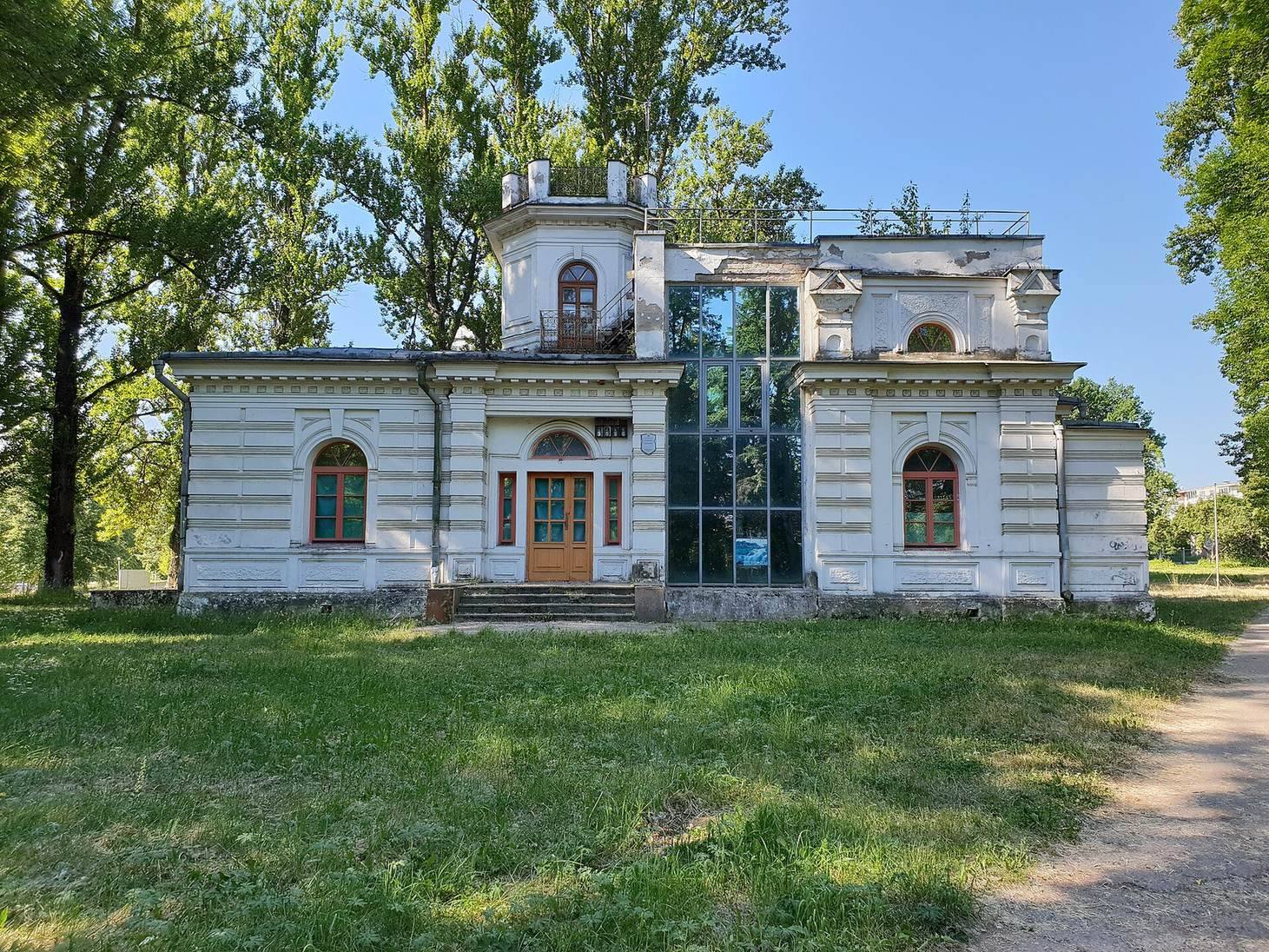
The Manor of Adadurov, also known as the White Dacha, is a manor house on Kazinca Street in Minsk, Belarus. Its architecture is described as neoclassical, a style drawing on classical forms and design principles. The house is generally dated to the late nineteenth century, and its construction is attributed to N. E. Adadurov, head of the Libau–Romny Railway. P. Adadurow is also associated with ownership. The alternate name uses dacha, meaning a country house often used as a retreat.
Origins and competing construction dates
A second proposed date places construction on the property in late 1912 or early 1913. A 1910 inventory listed the land as belonging to Valentina Molodetskaya. During the Russo-Japanese War, the 1904–1905 conflict between the Russian Empire and Japan, the estate housed a consecrated hospital. After the war, M. Rogov, a natural scientist with a Candidate of Sciences degree, a postgraduate research qualification broadly comparable to a PhD, acquired the plot. This proposed chronology dates a stone, single-story building there to late 1912 or early 1913.
Kurasovshchina and Adadurov’s Settlement
The estate stood near Kurasovshchina, a village later incorporated into Minsk. The claim that a landowner named Kurasov founded the village is considered erroneous. Its name instead traces to the earlier form Kurashovshchizna, derived from Jan Kurash, one of the landowners. A small settlement called Adadurov’s Settlement gradually developed around the dacha and had 70 residents in the early twentieth century. In 1917, Kurasovshchina had 11 households and 48 residents.
Nationalization and wartime uncertainty
After the revolution, the building was nationalized. Its prewar purpose is uncertain. It may have served as a retreat for leaders of the Byelorussian Soviet Socialist Republic (BSSR), the Soviet-era republic associated with present-day Belarus, or may have formed part of the Kurasovshchina experimental base, a facility for research and testing. A German headquarters may have occupied the estate grounds during the Second World War, but this remains unconfirmed.
Postwar uses
After the war, the building belonged to the Research Institute of Soil Science and Agrochemistry. From May to mid-June 1947, Belarusian landscape painter V. K. Bialynitsky-Birulya lived and worked at the dacha. He produced several dozen studies there that formed the basis of a cycle of paintings devoted to Belarus.
A kindergarten occupied the estate site in the 1960s, and the building was restored in 1979–1980. The Belarusian Folklore Center, a cultural institution devoted to traditional culture, was based in the building from 1990. The estate’s later history remains unresolved.
Remains
The surviving layout centers on a single-story house within a small park, with a stage beside the building. The property is characterized as manor-and-park architecture, and the later construction proposal describes the house as a stone structure.