Tolhuis: A Medieval Castle and River Toll Site at Lobith
Site at a Glance
- Popularity
- Medium
- Country
- Netherlands
- Primary era
- Medieval
- Eras represented
- Medieval, Early Modern
- Civilizations
- Holy Roman Empire, Kingdom of Prussia
- Site type
- Military
- Remains
- Castle
On this page8 sections
History
Tolhuis was a medieval water castle and toll site at Lobith in the Netherlands, built by Count Reinoud I of Guelders in or shortly after 1307. Its position at the Rhine junction made control of river traffic and routes into the surrounding region strategically important.
A toll at the Rhine junction
In 1222, Count Gerard III of Guelders received permission from Holy Roman Emperor Frederick II to collect tolls at Lobede, now Lobith, where the Rhine divides into branches. The Waal route led toward Nijmegen, while another branch ran toward Arnhem. Control of this crossing affected shipping and trade across the Rhine basin.
As the river changed course, the toll collection point moved. In 1307 it was transferred to Schenkenschans, and later to a new toll office at present-day Tolkamer. Tolhuis nevertheless developed into a residence for the counts of Guelders and, after the county became a duchy in 1339, its dukes. The castle also served as an administrative and cultural center for the region around the Rhine-Waal junction.
A contested border and religious center
The site was also known as Huis op den Tragel. Among its recorded owners were Catharina van Cleef in 1459 and Catharina van Gelre in 1476. In 1477, Charles the Bold, Duke of Burgundy, pledged Tolhuis from Guelders to the Duchy of Cleves as a reward for Duke John I’s support in a struggle against Guelders. Guelders disputed Cleves’s claim to the surrounding territory for many years. In 1680, William III of Orange regarded the border dispute as settled, seeking to avoid a conflict with the Elector of Brandenburg, who then owned Tolhuis and its surroundings.
When the Eighty Years’ War began in 1568, the area was under Cleves’s rule. This long conflict was associated with the Dutch revolt against Habsburg Spain. After Duke John William of Cleves died without a male heir in 1609, a succession war followed. John Sigismund, Elector of Brandenburg, gained Cleves and Tolhuis in 1614, and the region then remained under Prussian rule for more than two centuries. The Electors of Brandenburg were also recorded as owners of the castle in 1614.
John Sigismund’s change from Lutheranism to the Reformed faith, a distinct Protestant tradition, in 1613 affected Lobith’s governing elite. A Reformed congregation was formally established at Tolhuis in 1614, and held services in the castle chapel. This followed the principle that a territory’s ruler determined its official religion. The population was almost entirely Catholic; local Catholics attended church in Elten, Keeken, or Bimmen, or did not attend. About a century later, a Catholic priest complained that many people knew little about religion and some young adults rarely went to church.
War and destruction
Although the area was effectively neutral during the Eighty Years’ War, Spain and the Dutch Republic fought for control of this strategically placed region. Holding the Rhine-Waal junction meant control of river shipping and access to the Betuwe, a river region in Gelderland, and the rest of the Republic. Dutch military leaders Prince Maurice and his brother Frederick Henry used Tolhuis as a headquarters during sieges of Schenkenschans. In 1635, Frederick Henry’s forces besieged the Spanish-held fort for eight months. Raiding parties, including Geuzen insurgents opposed to Spanish rule and Spanish soldiers, repeatedly plundered the surrounding area.
With the consent of Elector Frederick William of Brandenburg, a militia was established at Tolhuis on 24 June 1648, the year the Peace of Münster ended the conflict. Protestant officials governed a largely Catholic region from the castle. After 1648, the castle gradually fell into disrepair.
On 12 June 1672, during the Franco-Dutch War, French forces crossed the Old Rhine at Lobith as part of their invasion of the Dutch Republic. King Louis XIV was with the army. French bombardment intended to protect the crossing set the castle and its tower alight and destroyed them. The destruction ended Tolhuis’s strategic and economic role.
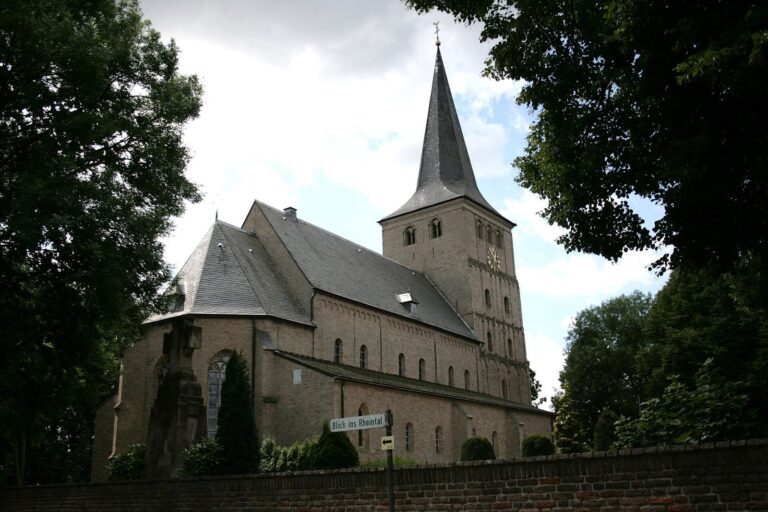
During the eighteenth century, the remains were quarried for building materials. Frederick II of Prussia gave the site to the Roman Catholic Church, which built a church there. The tower also lived on as an image in the arms of the militia guild Eendracht Maakt Macht, founded in 1648 and still in existence, and in the former municipal arms of Rijnwaarden. Tolhuis is designated a Dutch national monument.
Remains
Castle and river access
Castle foundations
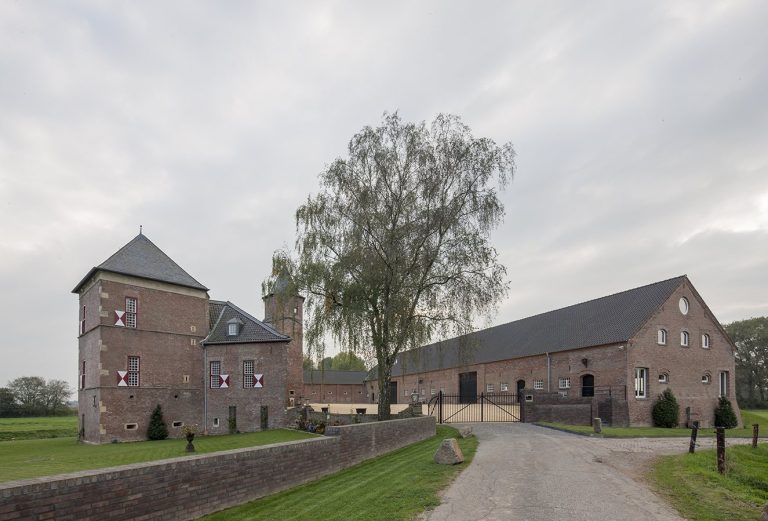
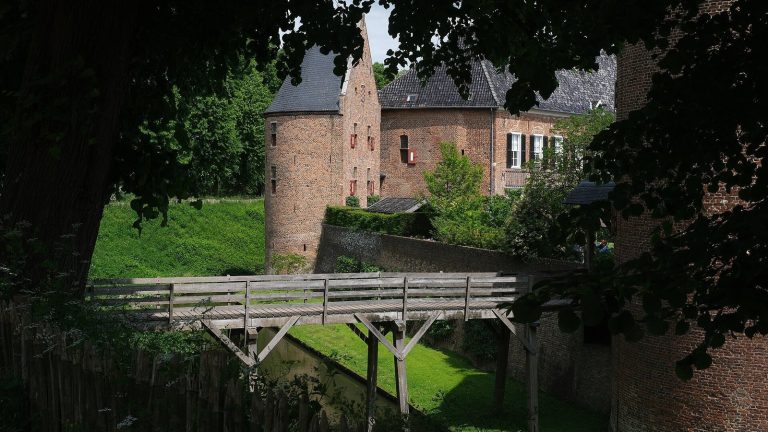
The castle was built of brick and protected by water. Its principal fortified tower stood with a larger castle complex, and foundation remains survive at the site.
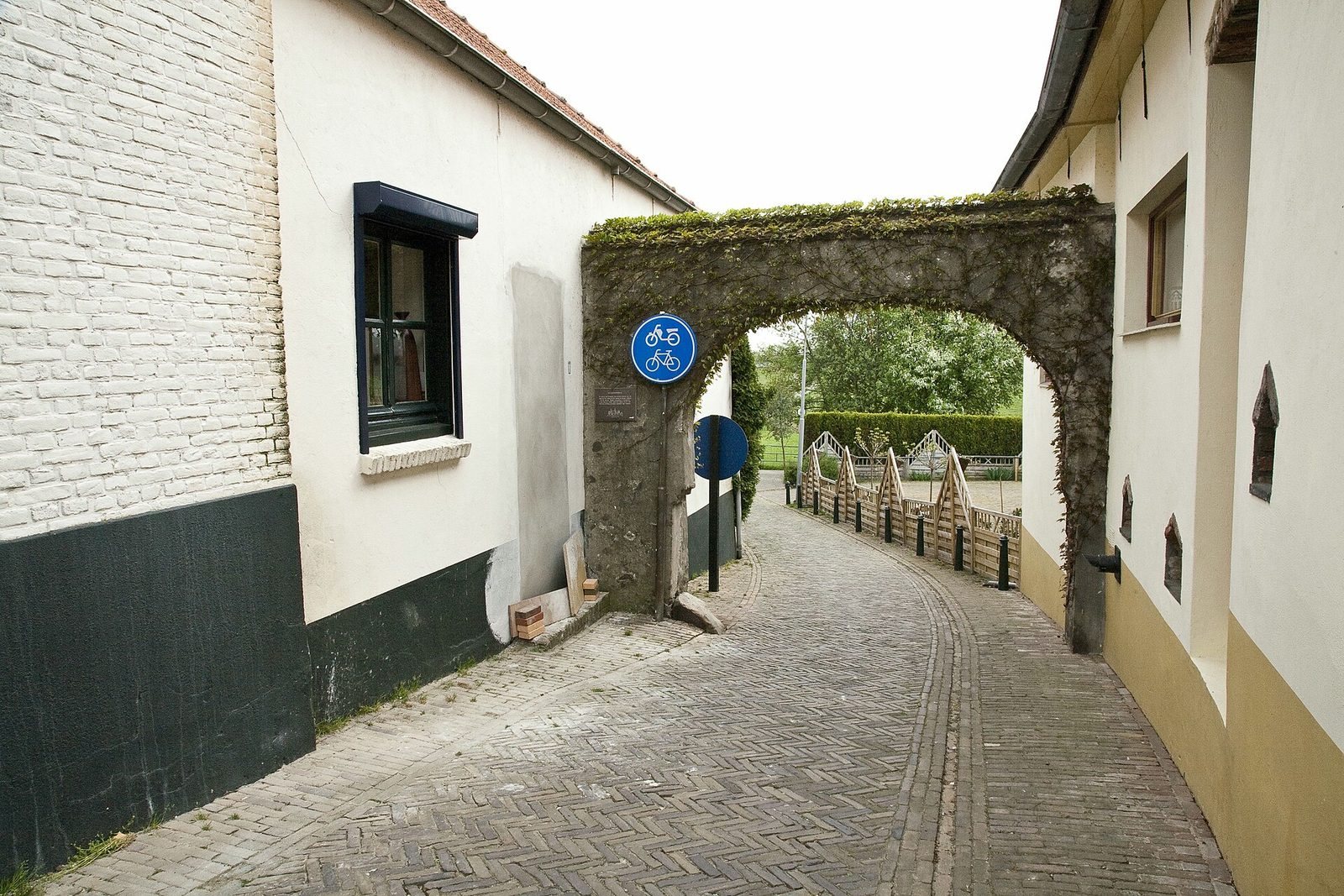
Schipperspoortje
The Schipperspoortje, or Skippers’ Gate, gave access to a landing stage on the Rhine. Remnants of the gate survive in Lobith and are identified as the sole tangible surviving relic of the medieval Tolhuis.