Verneuil-sur-Seine Castle: A Historic Residence in France
Site at a Glance
- Popularity
- Medium
- Country
- France
- Primary era
- Early Modern
- Eras represented
- Medieval, Early Modern, Modern
- Civilizations
- French
- Site type
- Domestic
- Remains
- Castle
On this page11 sections
History
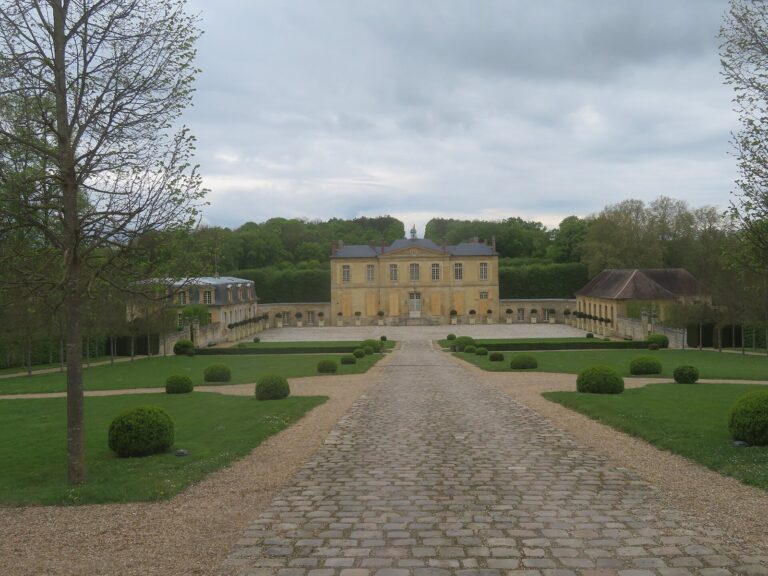
Verneuil-sur-Seine Castle, in France, was built in the 12th century by the House of Montmorency as the residence of the lords of Vernouillet-Verneuil. The lordship is known from the Middle Ages, when Verneuil and Vernouillet formed a single parish, and later passed to the French aristocratic House of Narbonne. Most of the architecture of the present building dates from changes made in the 18th century.
The medieval lordship and the Romé family
On 21 December 1517, Mary Bureau sold the lands and lordships of Verneuil and Vernouillet, together with their dependencies, to Estienne Alleaume, a squire and lord of La Motte. Alleaume died at the château in 1555. Through his granddaughter, the property passed to the Romé family, which gave the château its name.
Eighteenth-century changes and the Revolution
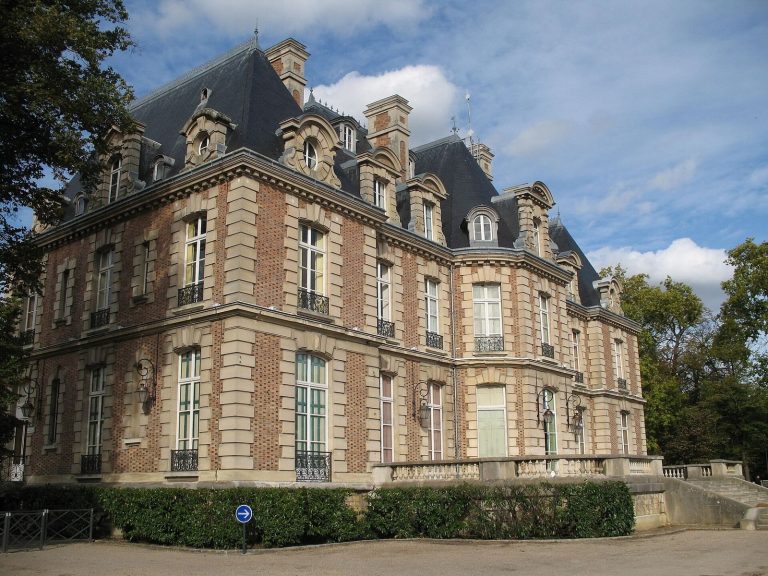
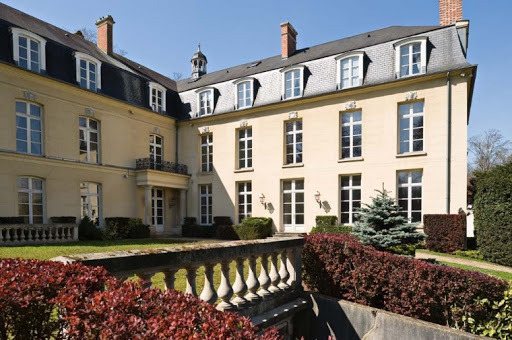
In the 18th century, King Louis XV raised the lordship to a marquisate, a territorial lordship with the rank associated with a marquis, under the title Marquisate of Romé de Vernouillet. The building was substantially altered: its façades were refashioned in 1773, and the architect Denis Antoine made further changes between 1782 and 1786.
Anne Nicole de Lamoignon, Countess of Sénozan, had owned the lands and lordship since 1780. Following her execution on 10 May 1794, her property was confiscated and remained under sequestration until 1802. A room where justice had been administered before the French Revolution was later converted into a small theatre, which remained until 1848.
The Tocquevilles and later uses
In 1807, Louise Madeleine Le Peletier de Rosanbo, the countess’s grandniece, became sole owner by buying out the other heirs. Her family had already used the château as a summer residence for four years. Her husband, Hervé Clérel de Tocqueville, became mayor of the town in 1804, and their son Alexis, later a political writer and historian, lived at the château with his parents until he was eleven.
Hervé’s appointment as a prefect in 1815 meant the family had to leave the property. It was sold in 1816 to Suzanne Le Peletier de Saint-Fargeau, Countess of Mortefontaine. During Hervé’s ownership, the park was redesigned by Vital Vial between 1806 and 1808.
In 1925, Mélanie de Ligne subdivided the extensive estate, helping set in motion Verneuil-sur-Seine’s accelerated development. The Congregation of Notre-Dame acquired the estate in 1929, and teaching sisters established a private Catholic school there. The school, now called Notre-Dame “Les Oiseaux,” uses the château for administrative offices. Its large chapel was inaugurated in 1935 and dedicated to Christ the King, a Christian title for Jesus emphasizing his sovereignty. The château’s façades and roofs have been protected as a historic monument since March 2011.
Remains
Surviving buildings and grounds
The estate includes the main château, older service buildings, parkland, and a large chapel associated with the school. The residence’s surviving architectural character reflects its 18th-century alterations, alongside structures dating from before the 16th century.
Main château
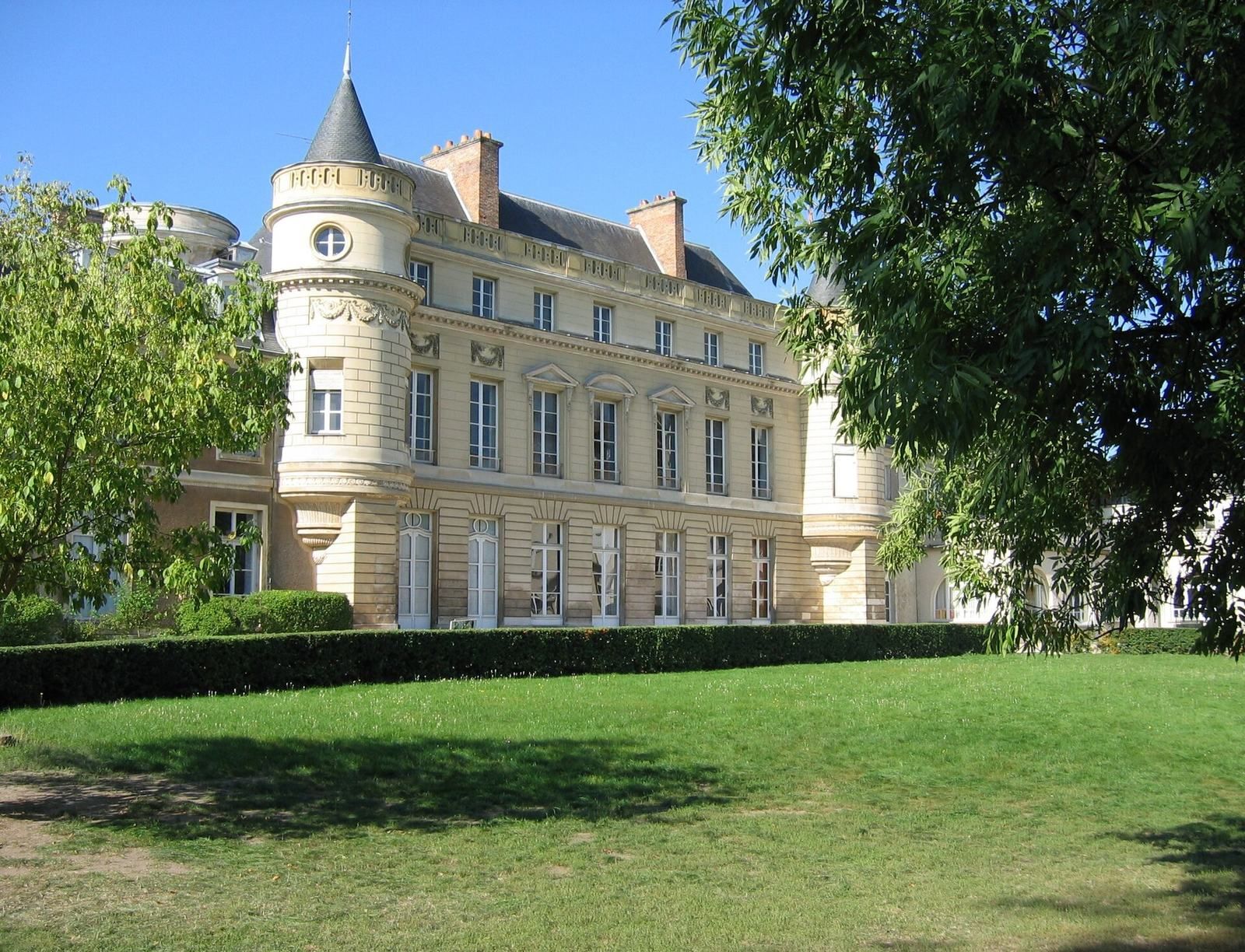
The façades include false windows, pediments, and garlands added in the 1773 refashioning. In the later work by Denis Antoine, both façade walls were raised by one storey. This removed the mansard storeys and obscured the roof that had previously been prominent.
Cellars and service buildings
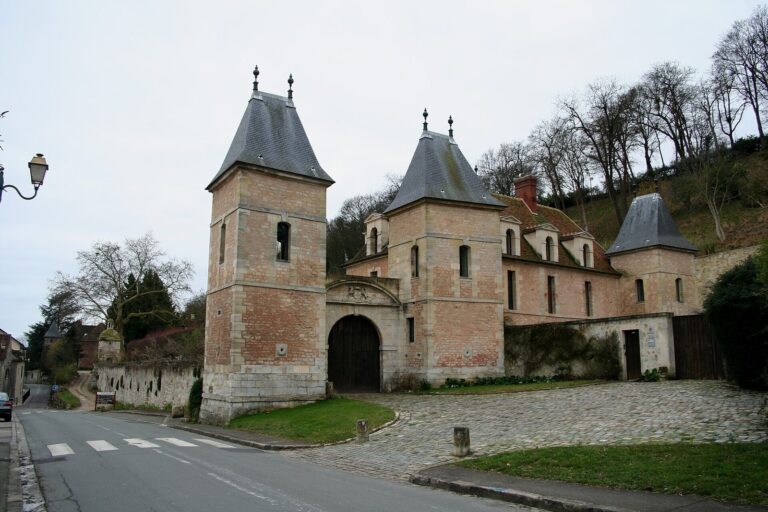
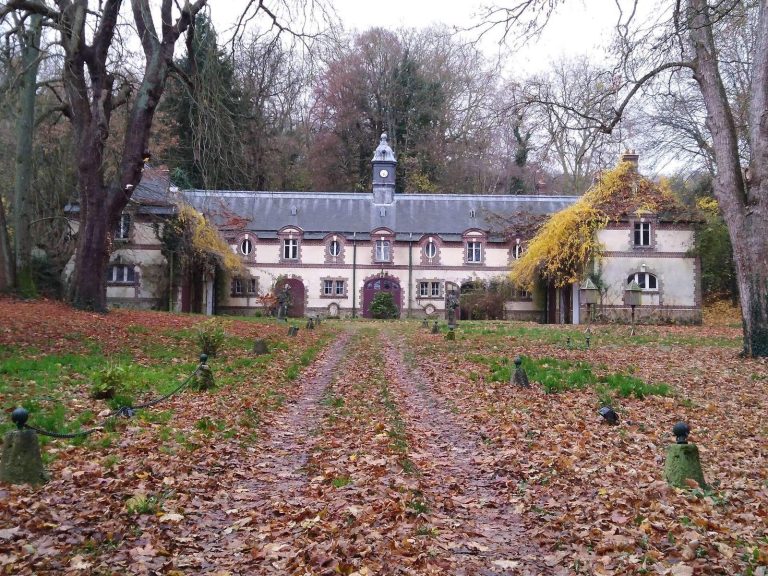
The château retains cellars, a dovecote, and vaulted outbuildings dating from before the 16th century.
Former courtyard wing
A wing once stood at a right angle to the main building and enclosed the courtyard of honour. It was demolished during the 19th century.
Park
The grounds began as a formal French garden, laid out with flower beds, fountains, and planted labyrinths. They were later transformed into an English-style park.
School chapel
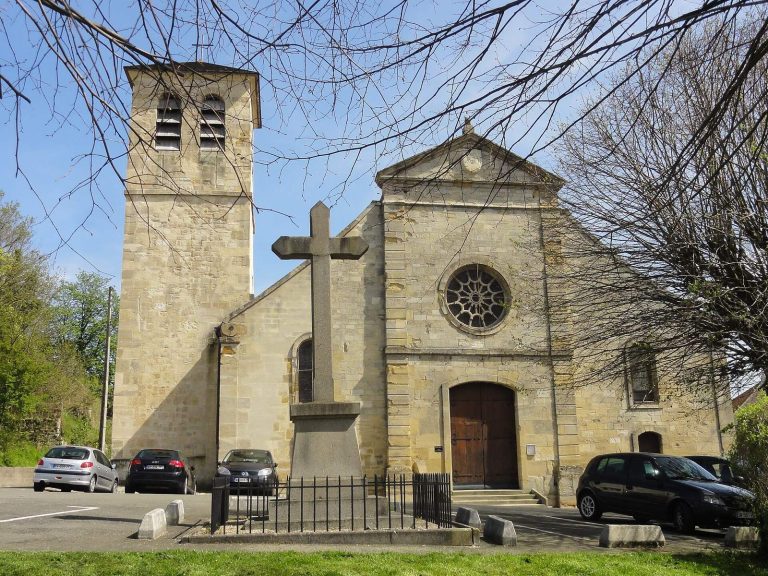
The school chapel is a large building designed by architect Robert Jactat and decorated by the Mauméjean brothers.