Hauteville Castle with Outbuildings: A Swiss Estate and Administrative Seat
Site at a Glance
- Popularity
- Medium
- Country
- Switzerland
- Primary era
- Early Modern
- Eras represented
- Early Modern
- Civilizations
- Swiss
- Site type
- Domestic
- Remains
- Castle
On this page10 sections
History
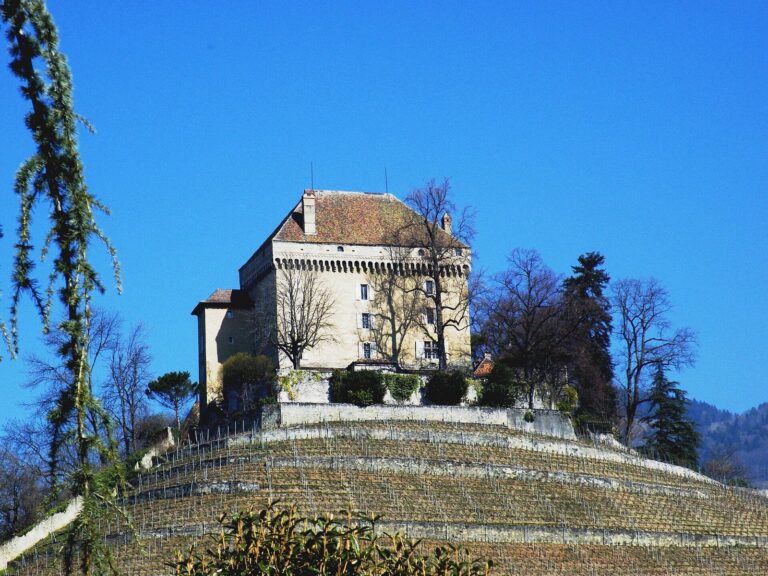
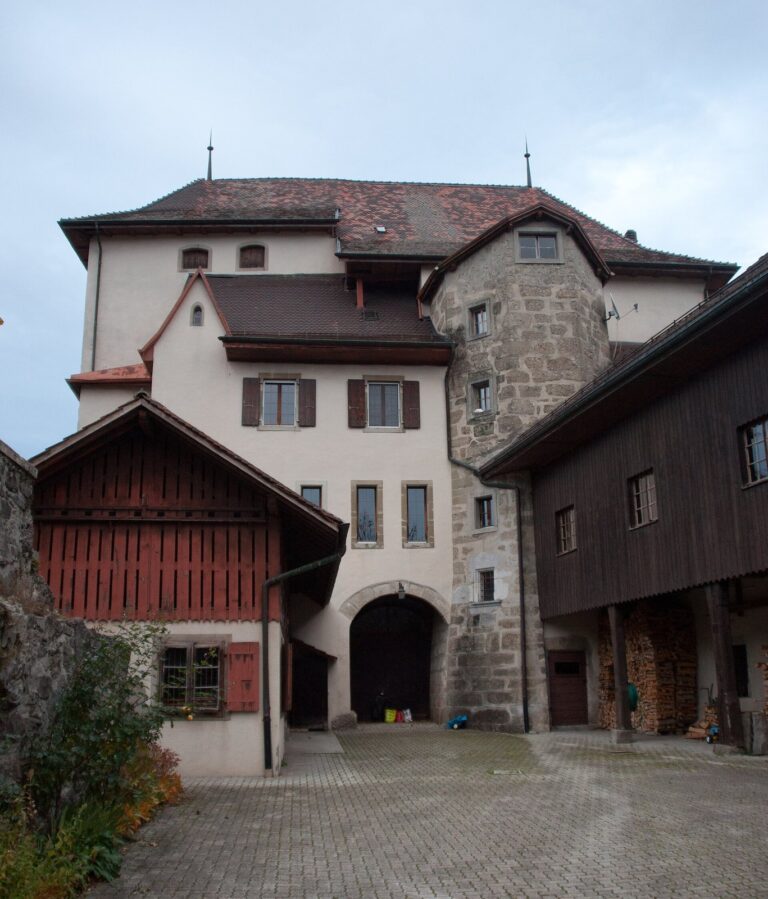
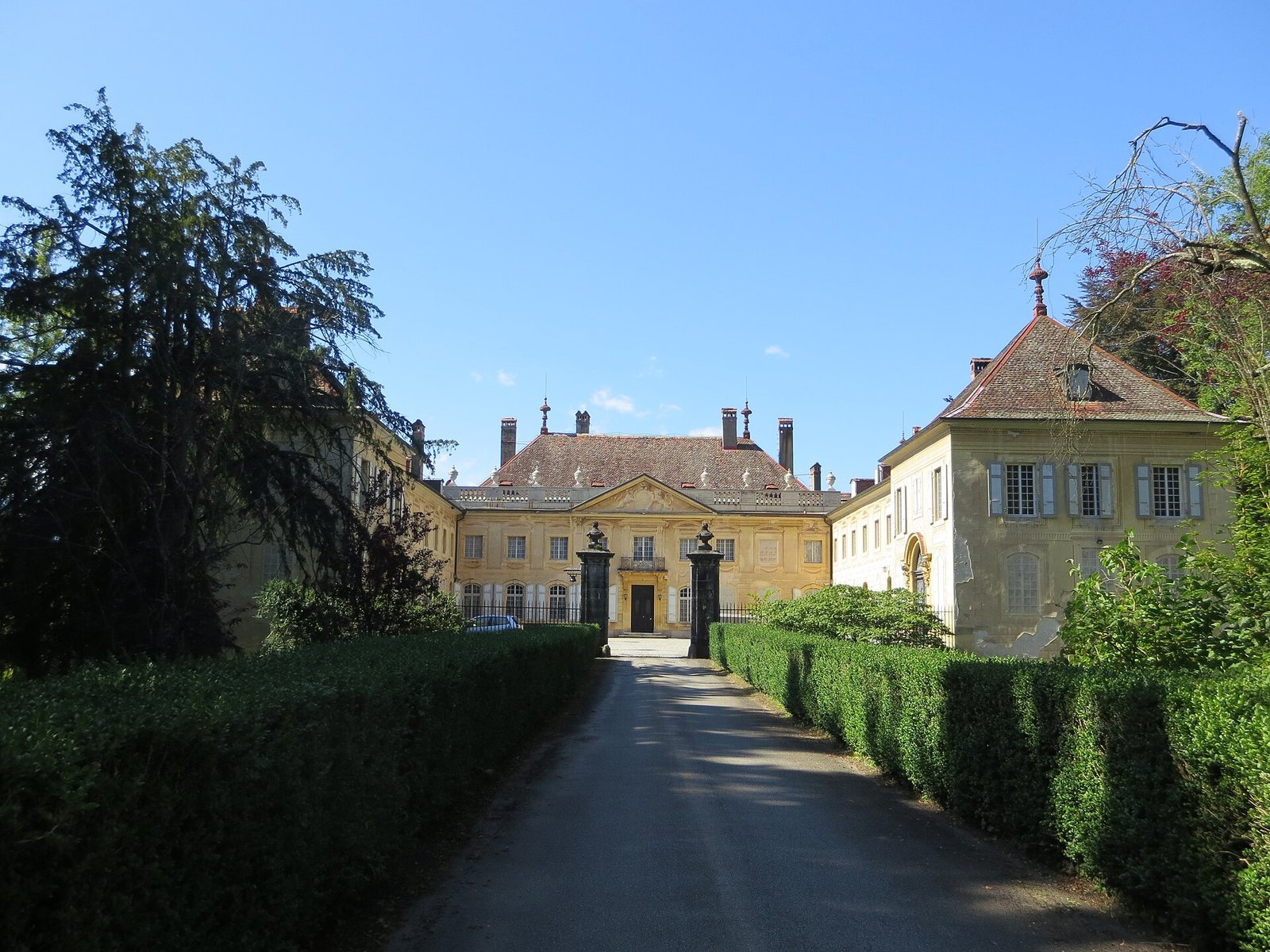
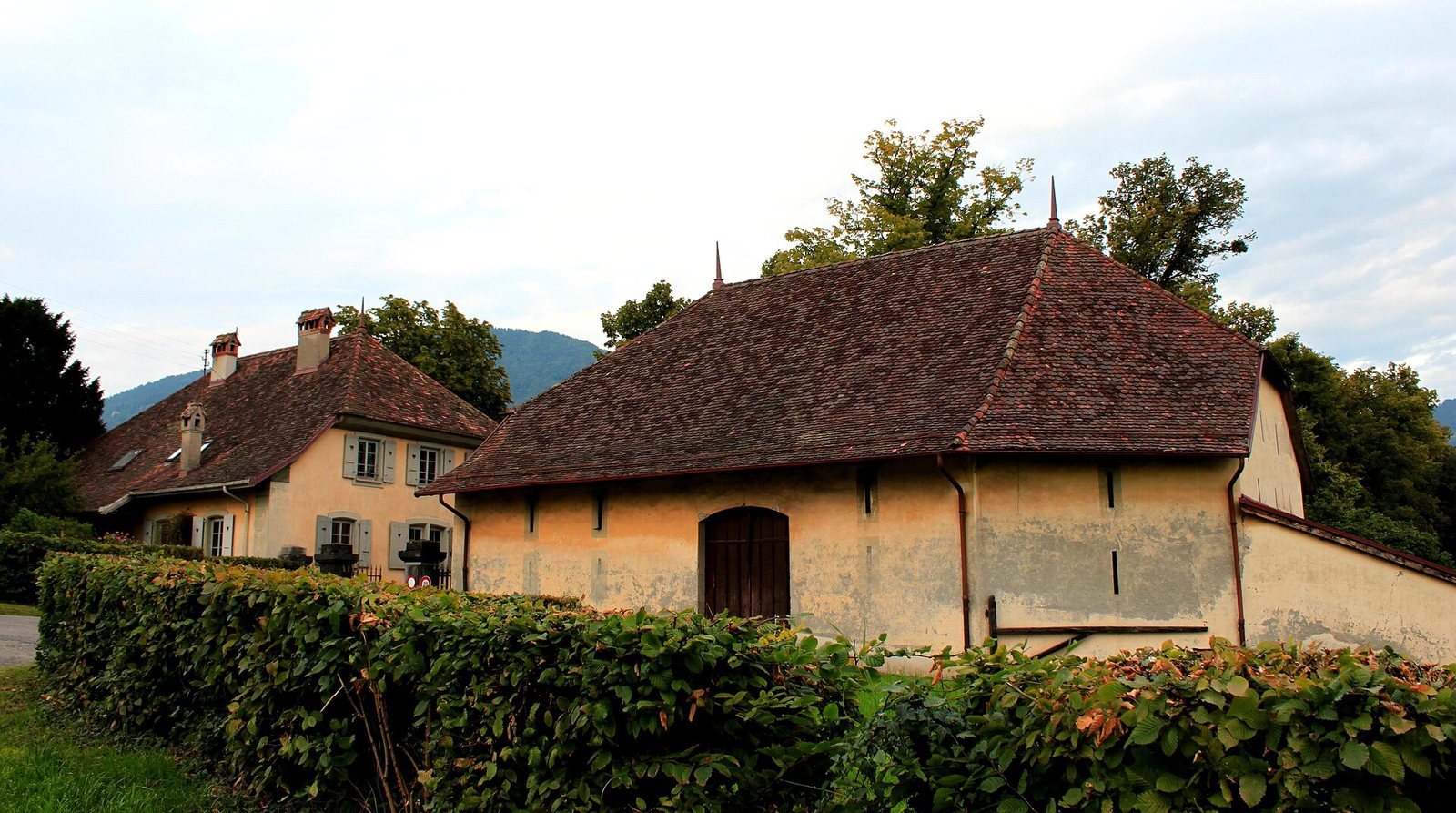
Hauteville Castle with Outbuildings is a castle estate overlooking Lake Geneva in Switzerland. Pierre-Philippe Cannac enlarged its manor house between 1760 and 1768, transforming it into a large castle. Earlier, Hauteville belonged to the lordship of Blonay and later became an administrative and judicial center under Jacques-Philippe d’Herwarth.
Medieval lordship and changing ownership
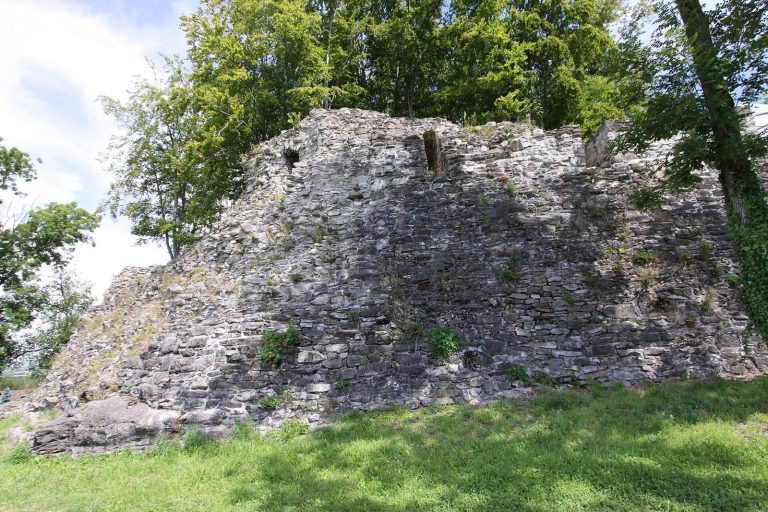
In the Middle Ages, Hauteville formed the lower part of the lordship of Blonay, a territory governed by a lord. The Lausanne Cartulary, a collection of records relating to the Lausanne church, also gives the name as Altavilla. Facing financial difficulties, Jean de Blonay ceded the estate in 1300 to Count Amadeus V of Savoy, whose dynasty ruled lands in the western Alps. The Savoy family retained it until Bern, a powerful Swiss city-state, conquered Vaud in 1536. In 1565, Jean-François and Jean-Michel de Blonay acquired the barony of Saint-Légier, an estate and jurisdiction associated with a baron, together with dependent Hauteville.
Hauteville passed to Gérôme Gignillat in 1591. His heirs sold it in 1666 to Abraham Dubois, who held the estate as land under a feudal arrangement from the lord of Saint-Légier-La Chiésaz. The lordship later passed to César de la Mothe and, in 1704, to Charles Jaquemin.
Herwarth and Cannac
Jacques-Philippe d’Herwarth acquired the barony of Saint-Légier in 1733 and Hauteville the following year, joining the estate to the barony. He became a powerful figure in the Vevey bailiwick, an administrative district overseen by a bailiff. D’Herwarth enlarged the manor house, moved his seat of justice, the formal center of his judicial authority, to Hauteville, and made the estate the administrative center of his jurisdiction.
In 1760, d’Herwarth sold his lands and rights to Pierre-Philippe Cannac, a citizen of Vevey and Geneva who had made his fortune directing the Lyon coach service. Cannac sought a residence suited to his wealth and commissioned the manor house’s transformation into a castle. The work, carried out between 1760 and 1768, retained the building’s historic core and painted decoration.
The Grand d’Hauteville family and recent history
Cannac died in 1785 and left the estate to his son, Jacques-Philippe. His daughter Victoire inherited it in 1794 and married Daniel Grand de la Chaise, whose Parisian banking family had been ennobled in 1781. The couple took the name Grand d’Hauteville, and the estate remained in their family until its sale in 2019.
A proposal made in 2009 to establish a cantonal fine-arts museum at Hauteville, with a new building beneath the garden terraces, was abandoned in favor of a museum project in Lausanne. The family sold its most prestigious furnishings at auction in London in 2014, then auctioned the remaining collection at the castle in September 2015. Pepperdine University acquired the estate in 2019 for its Swiss campus. Restoration by the Glatz-Delachaux firm began in January 2020, and the campus was inaugurated in July 2023. The castle is designated a Swiss cultural property of national significance.
Remains
Grounds and castle layout
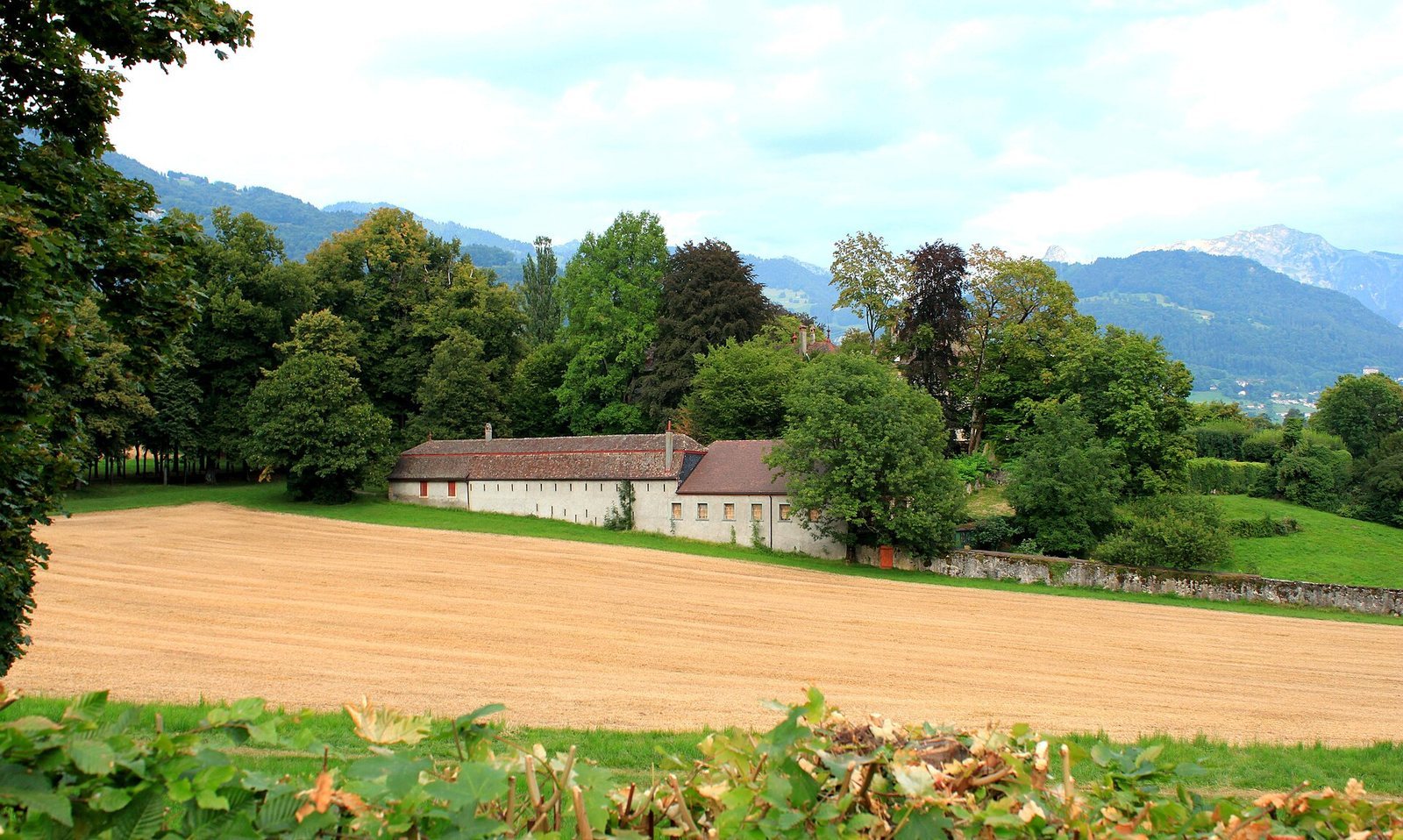
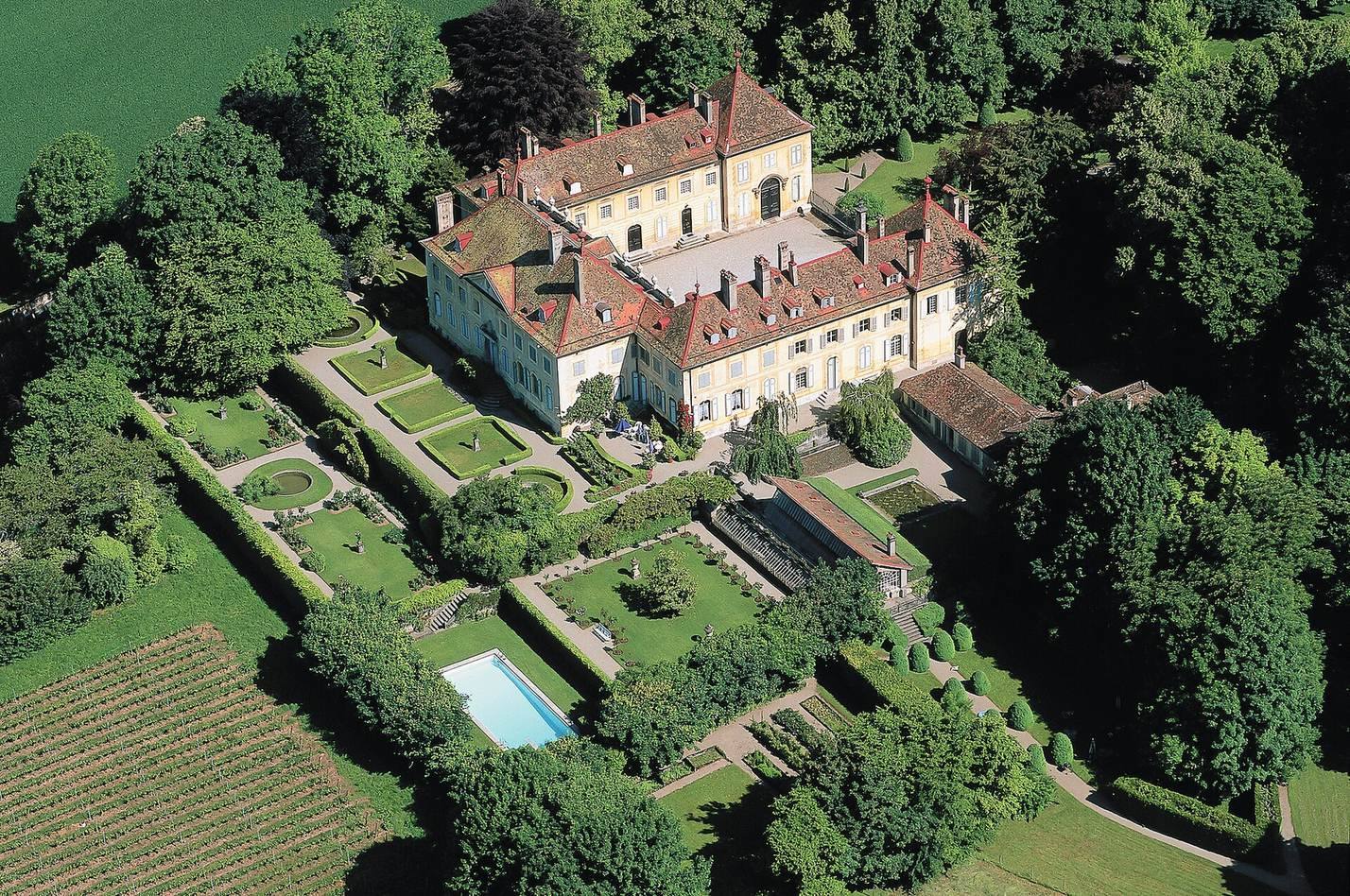
The 67-acre estate overlooks Lake Geneva and includes gardens and garden terraces. The castle’s two wings meet at right angles to frame a spacious formal courtyard in front of the principal residence. During Cannac’s enlargement, the manor house’s historic core and painted decoration were retained. French architect François II Franque supplied plans, while Claude-Pierre Cochet also worked as an architect. Local builder Daniel A. Girard supervised construction, assisted by carpenter David Schade, marble worker David III Doret, and sculptor and gilder François Riol. Painted effects on the façades imitate architectural features and are attributed to Cochet.
Interior decoration and associated objects
Grand salon
The grand salon, the principal reception room, has large-scale decoration with allegorical and mythological paintings. The work is undated and unsigned. It has been attributed to Giuseppe Antonio Petrini, an eighteenth-century painter, but stylistic study has called that attribution into question. The decoration may instead have been produced by artists in his circle, including Josef Ignaz Appiani or Marco Petrini. Separate oil paintings by Giuseppe Antonio Petrini belonged to the family collection until its dispersal in 2015.
Furnishings and collections
The estate’s furnishings included marble-topped consoles dated 1764 and attributed to Johann Friedrich Funk I. Other pieces included a Chinese-style chest of drawers from about 1775 stamped by Pierre Harry Mewesen of Paris, a two-drawer chest from about 1750 stamped by Mathieu Criaerd of Paris, and Chinese- and Japanese-lacquered corner cabinets from about 1775 stamped by Jean-Jacques Manser. The collection also held a terracotta bust of Cannac, finished to resemble bronze and signed by François-Marie Poncet, and a white-marble clock with gilded bronze fittings signed by Imbert l’Aîné of Paris. Plates bearing coats of arms, dating to about 1770, and silverware from the estate went to the Historical Museum of Nyon. The Swiss Museum of Games in La Tour-de-Peilz acquired the castle’s games.
Seat of justice
The seat of justice associated with Hauteville’s lordship was probably made around 1750 for d’Herwarth. It is now held by the Cantonal Museum of Archaeology and History in Lausanne.