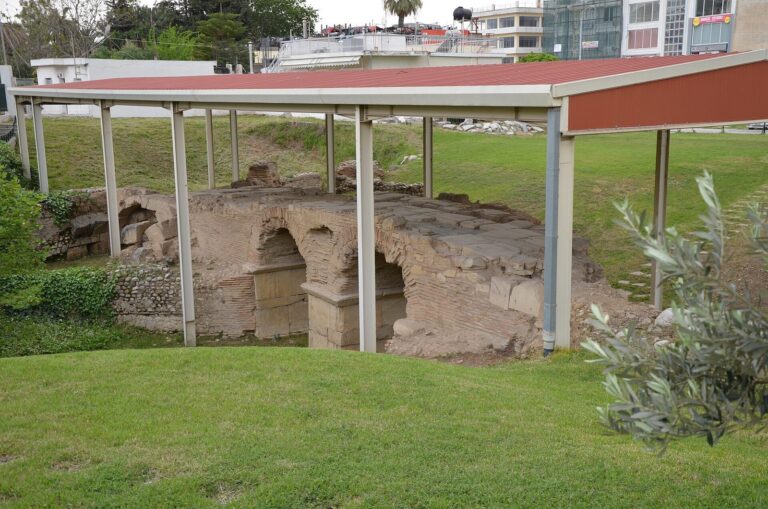
Salmeniko Castle: A Medieval Stronghold in Greece
Site at a Glance
- Popularity
- Medium
- Country
- Greece
- Primary era
- Medieval
- Eras represented
- Medieval
- Civilizations
- Crusader, Principality of Achaea
- Site type
- Military
- Remains
- Castle
On this page7 sections
History
Salmeniko Castle, also known as Orgia Castle or Oria Castle, was built in Greece between 1280 and 1310 by local French barons of the Latin Principality of Achaea, a Latin-ruled state in the Peloponnese. A large town grew around the fortress.
The Ottoman siege and fall
In 1460, Ottoman ruler Mehmed II invaded the Peloponnese. As the castles of the Despotate of Morea, a polity of the Byzantine, or Eastern Roman, Empire in the peninsula, surrendered, Salmeniko became the last stronghold to resist. Its defenders, led by Byzantine military commander Graitzas Palaiologos, held out for about a year. Salmeniko was the last Byzantine garrison to continue resisting, eight years after Mehmed had captured Constantinople in 1453.
Ottoman siege guns could not breach the castle walls. The Janissaries, elite Ottoman troops, cut off the fortress’s water supply from the river, and the lower town surrendered. Local tradition says residents had gathered river water by lowering sponges on ropes, until the Janissaries discovered the method and severed the ropes. The town’s population was estimated at about 6,000. Around 900 children were chosen for Janissary training, while the other inhabitants were sold into slavery.
After the lower town fell, Graitzas and his men continued to hold the upper stronghold. Graitzas sought safe passage for his defenders, and Mehmed agreed before going to Aigio. He appointed Hamouzas governor of the Peloponnese and Thessaly to oversee their departure. Hamouzas broke the agreement by arresting the first men who attempted to leave. Mehmed replaced him with Zaganos Pasha and departed the Peloponnese; Zaganos then renewed the siege, seeking a separate agreement for his own advantage.
Distrusting Zaganos, Graitzas broke out of the fortress in July 1461, escaped to the coast by ship, and reached Venetian-held Lepanto. Salmeniko’s fall ended Byzantine resistance in the Peloponnese. The peninsula came under Ottoman rule, apart from the Venetian-held towns of Methoni, Koroni, Monemvasia, and Nafplio.
Remains
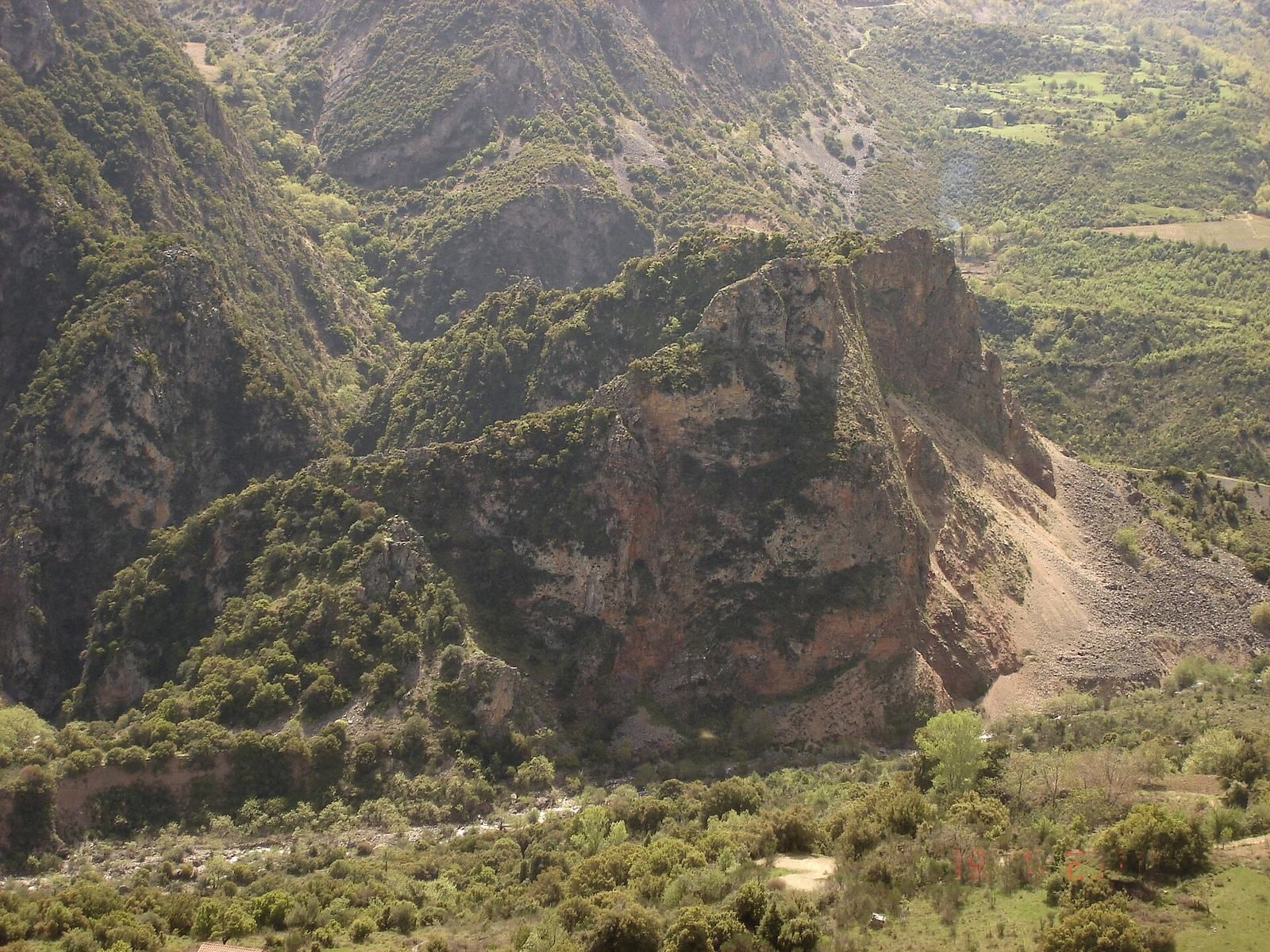
The fortress occupied a naturally defensible hill beside the Foinikas River, at the foot of Mount Panachaiko. Steep cliffs protected one side, so that edge did not need fortifications.
Hilltop fortress and town
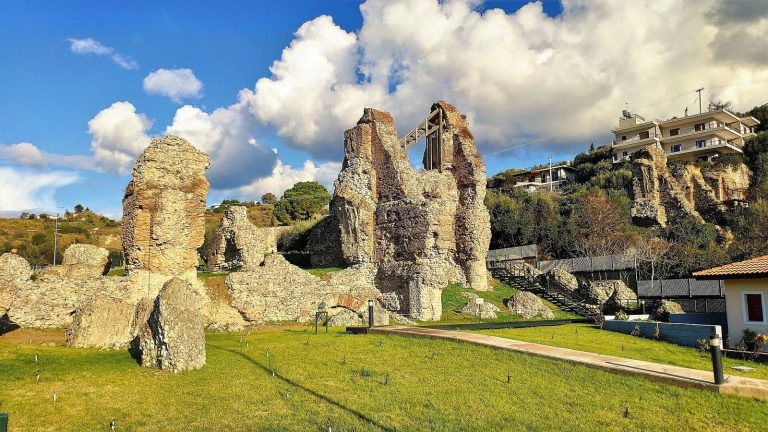
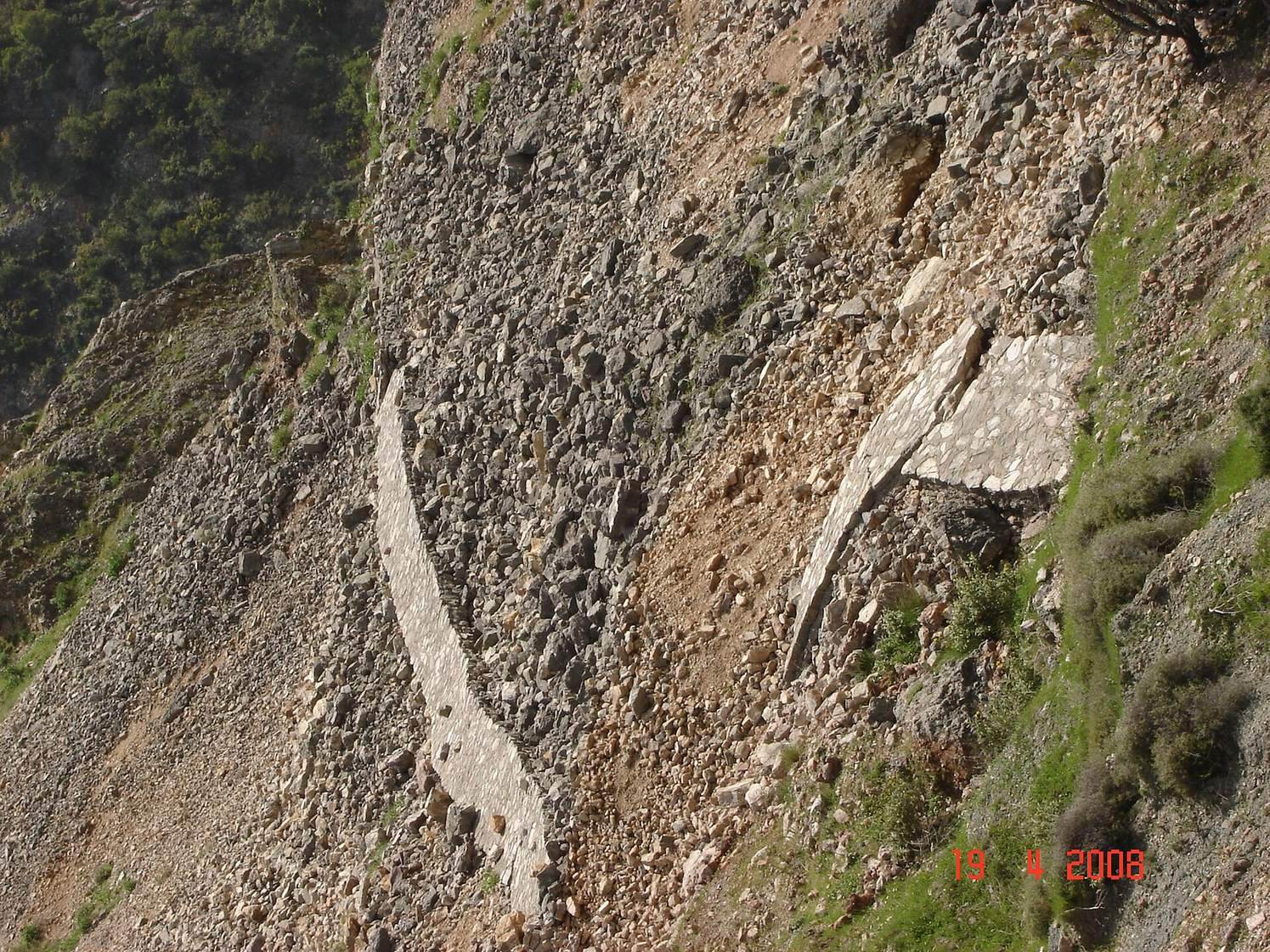
Only a few sections of the castle walls and some houses from the town survive. Much of the fortress collapsed along with the mountain beneath it, and subsidence and landslides continue to affect the slope.
River features
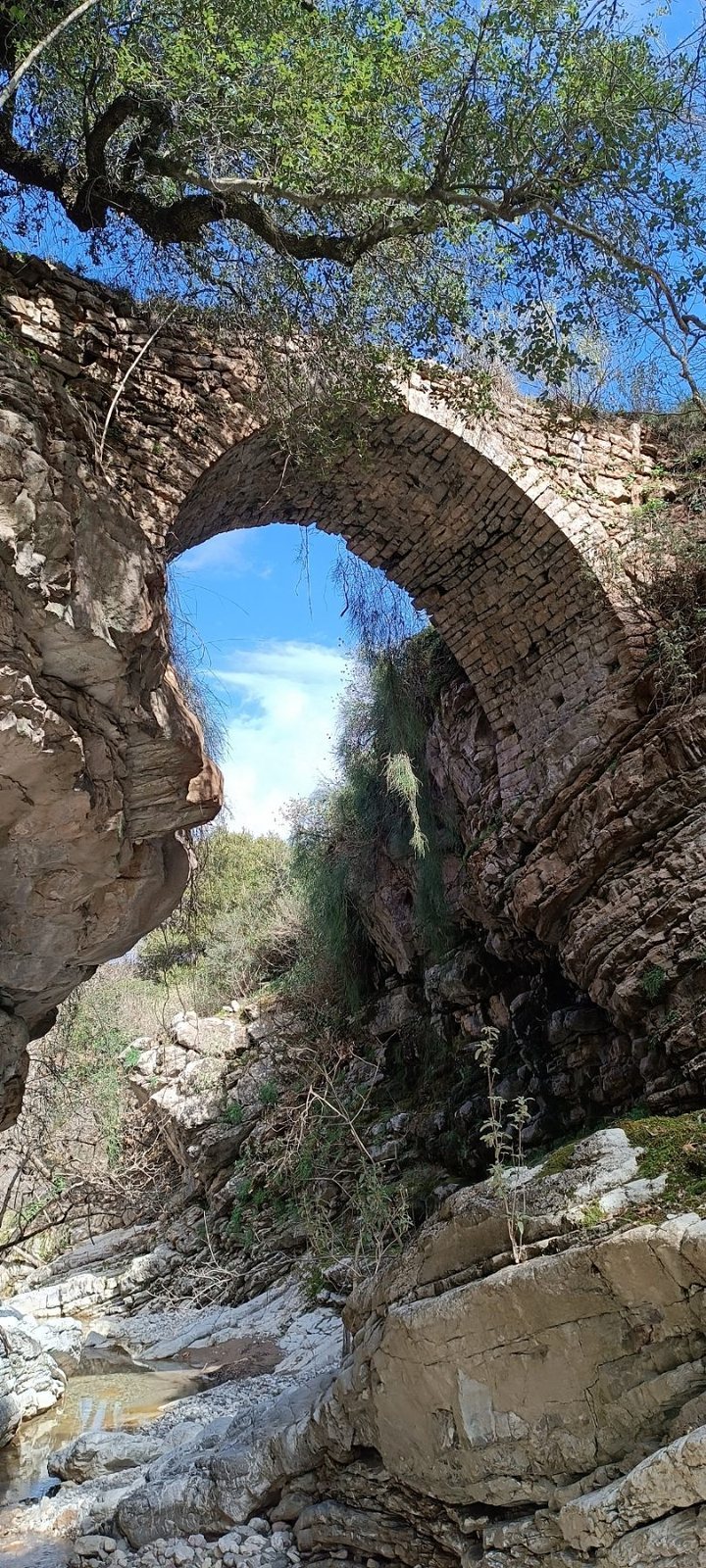
Medieval bridge
A medieval bridge survives intact.
Oria Rock
Oria Rock lies in the bed of a nearby river. Local tradition says a princess was killed there by a traitor during the Ottoman siege.