Quadrangular Mardakan Fortress: A Medieval Castle in Azerbaijan
Site at a Glance
- Popularity
- Medium
- Country
- Azerbaijan
- Primary era
- Medieval
- Eras represented
- Medieval
- Civilizations
- Shirvanshah
- Site type
- Military
- Remains
- Castle
On this page4 sections
History
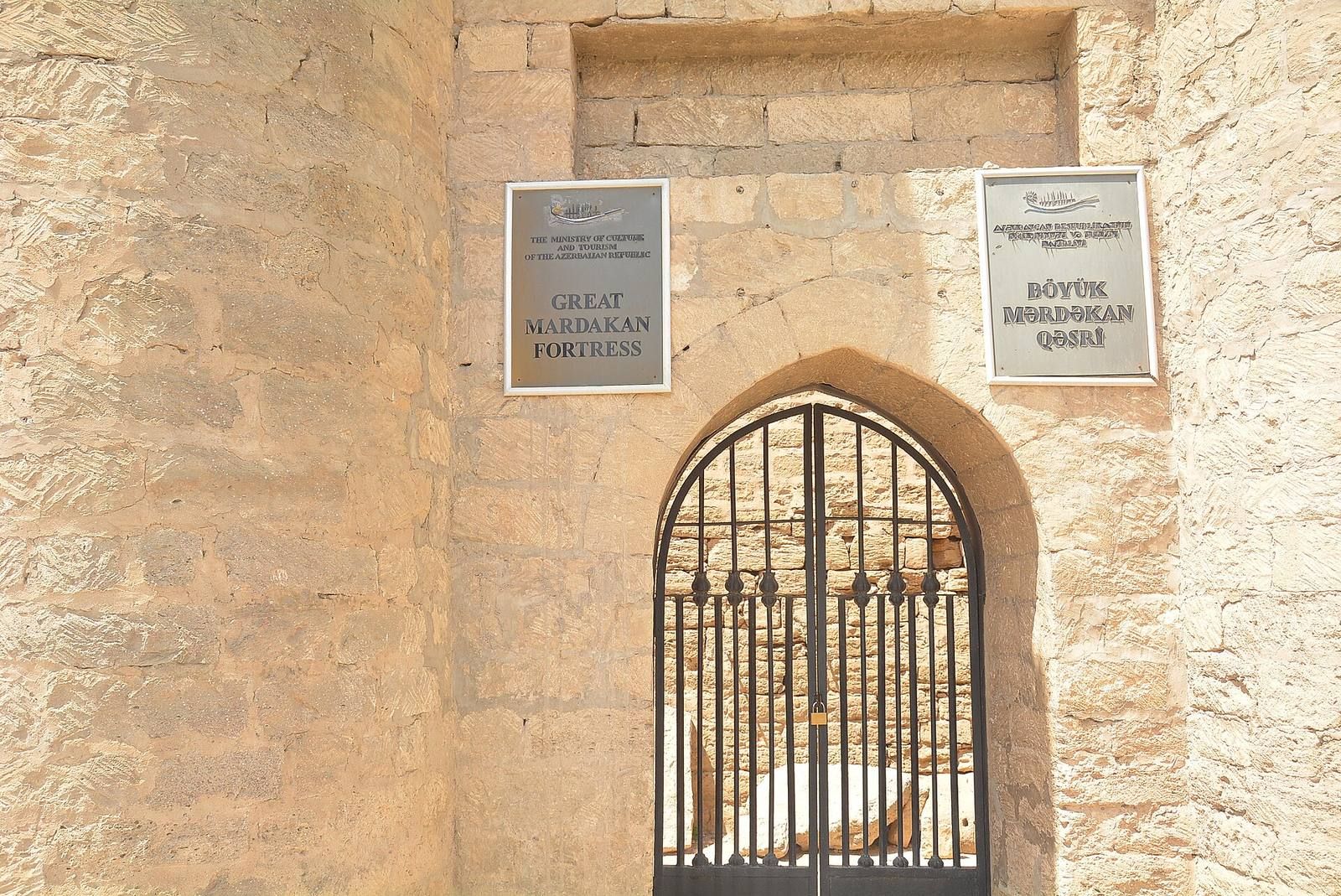
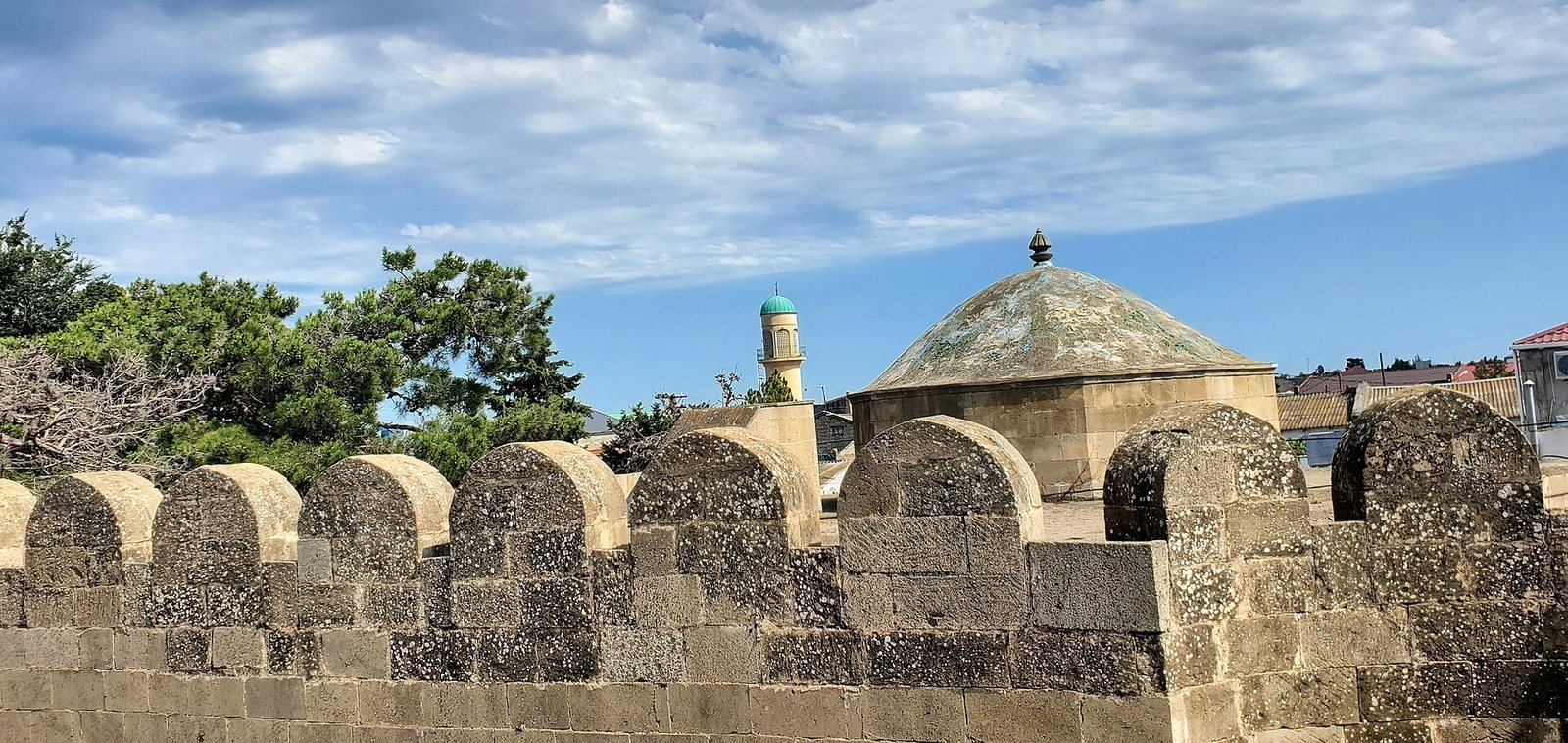
The Quadrangular Mardakan Fortress, also known as the Great Mardakan Castle, is a medieval castle in Mardakan, Azerbaijan. Shirvanshah Ahsitan I, a ruler of Shirvan and son of Manuchihr III, commissioned it. Its construction is generally dated to 1187–1188, though a 14th-century date has also been proposed. The fortress belongs to the Shirvan-Absheron architectural school, a regional building tradition. It was built to honor Ahsitan’s victory over an enemy and later served as a defensive fortification, an observation post, and a castle.
The fortress is included on Azerbaijan’s list of monuments of world importance. In 2001, it joined Nardaran Castle and other Caspian coastal-defense structures on UNESCO’s Tentative List, an inventory of sites a country may consider for World Heritage nomination. Tentative List inclusion is not the same as World Heritage inscription.
Remains
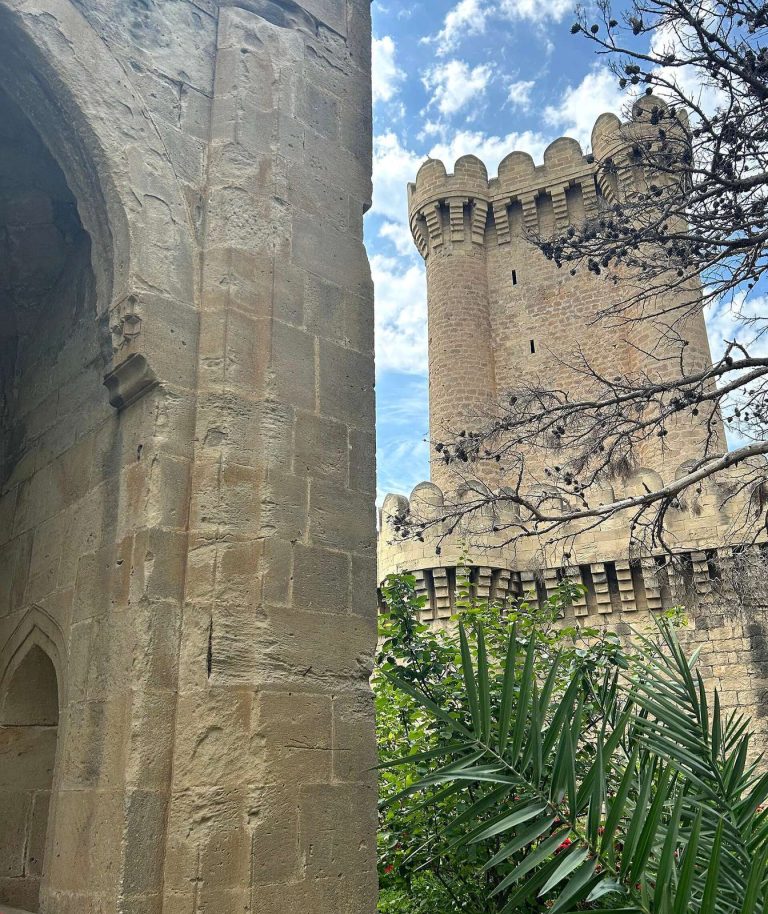
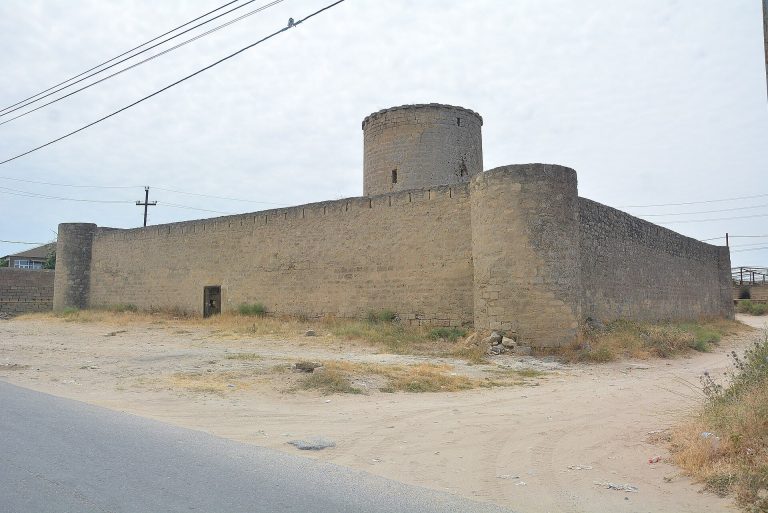
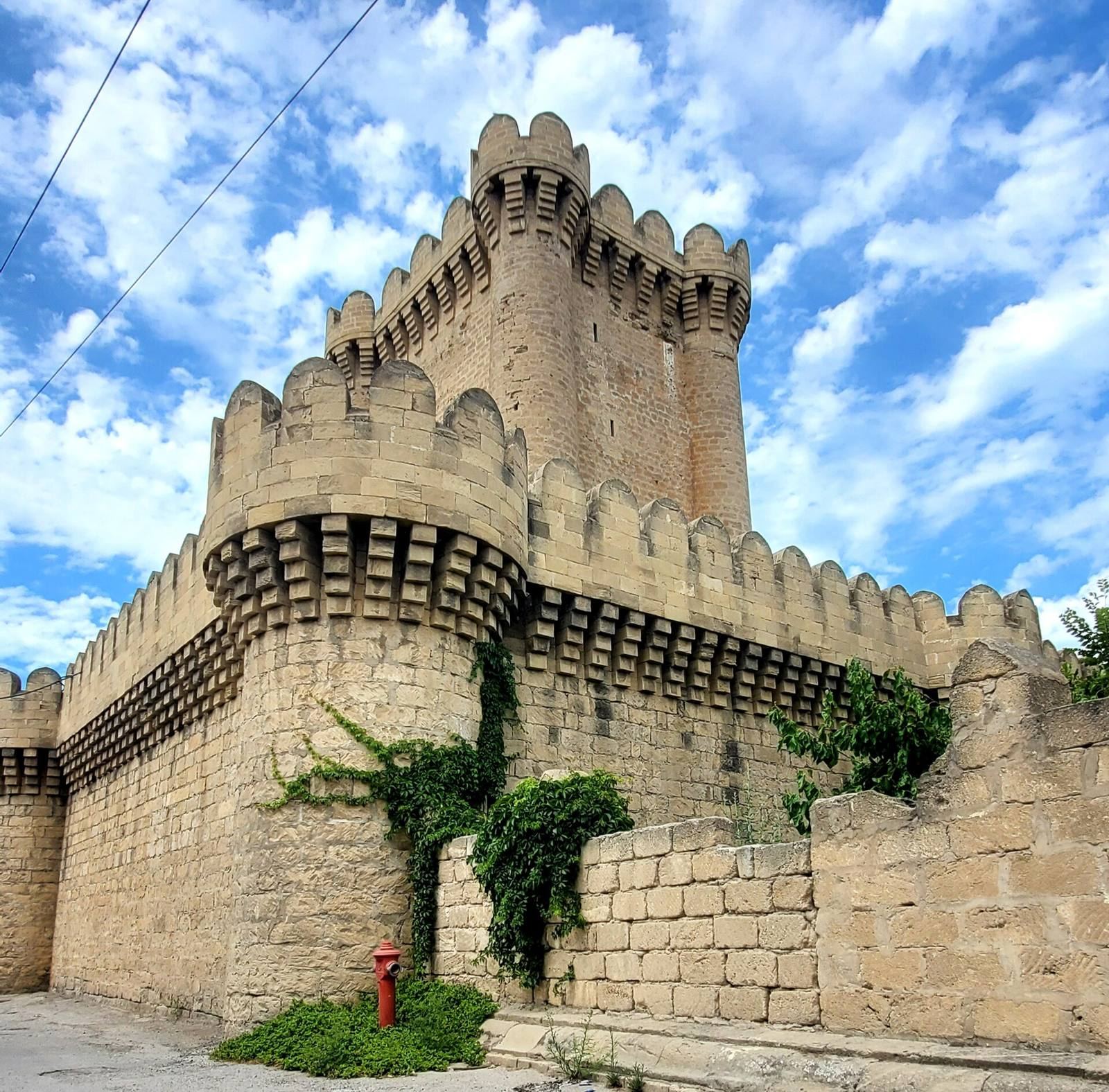
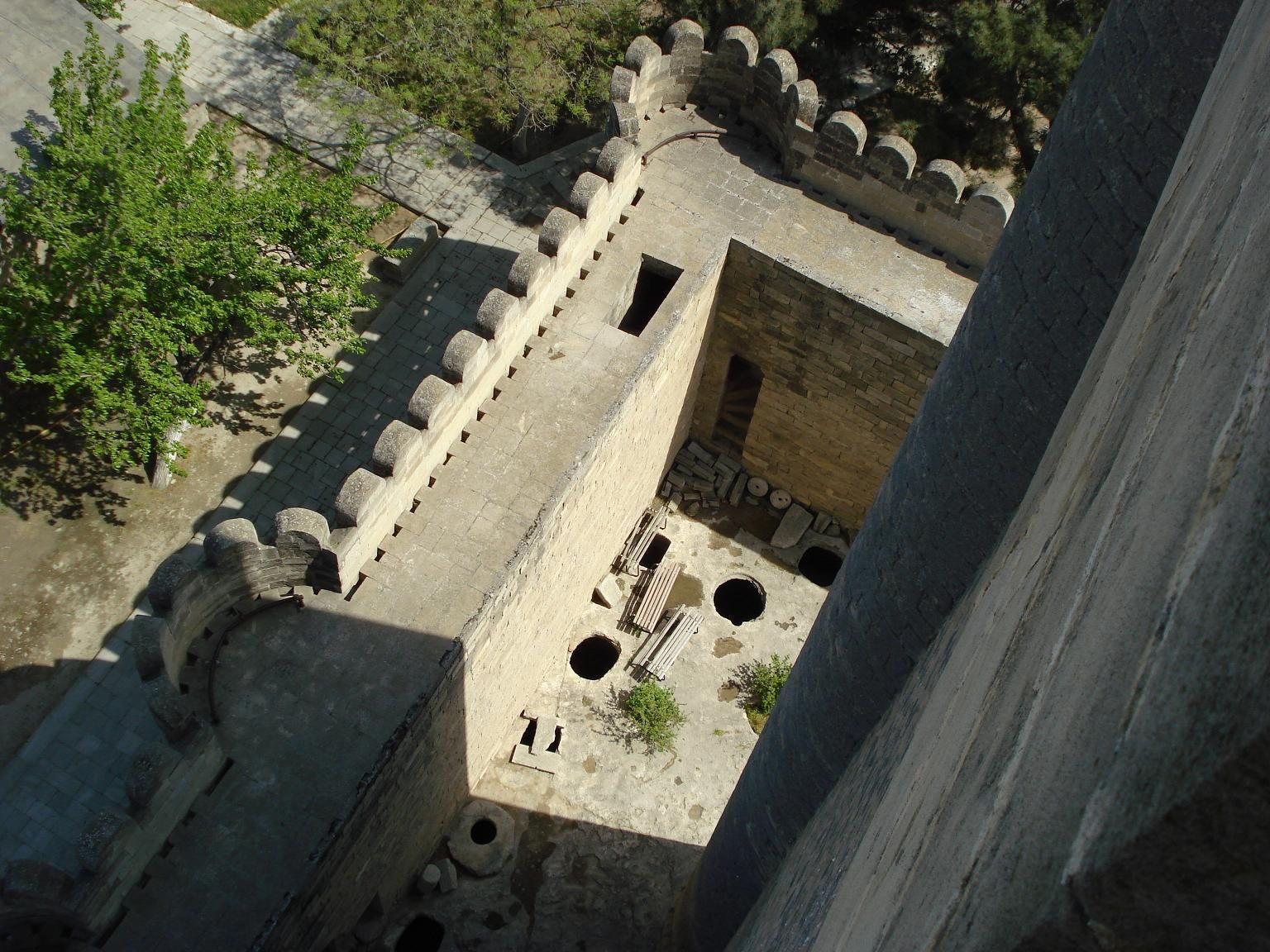
The fortress is arranged around an inner courtyard measuring 24 by 20 metres, with a 22-metre-high keep at its centre. Its exterior walls and towers form the defensive enclosure, while the square keep rises above the courtyard. The recorded condition of the castle is stable.
Walls and entrance
Semicircular towers without openings reinforce the exterior walls, standing at the corners and along the walls at intervals of about 10 to 11 metres or less. Their close spacing was probably intended to let defenders direct crossfire toward areas beside the walls. The entrance is positioned midway along one wall and protected by a semicircular tower on each side. Corbel brackets, projecting masonry supports, also appear on the outer walls, echoing those on the keep. A five-metre-wide corridor runs between the keep and the enclosure wall. An attacker who passed the first defensive line could be exposed to defenders firing from the keep’s upper platform.
Square keep
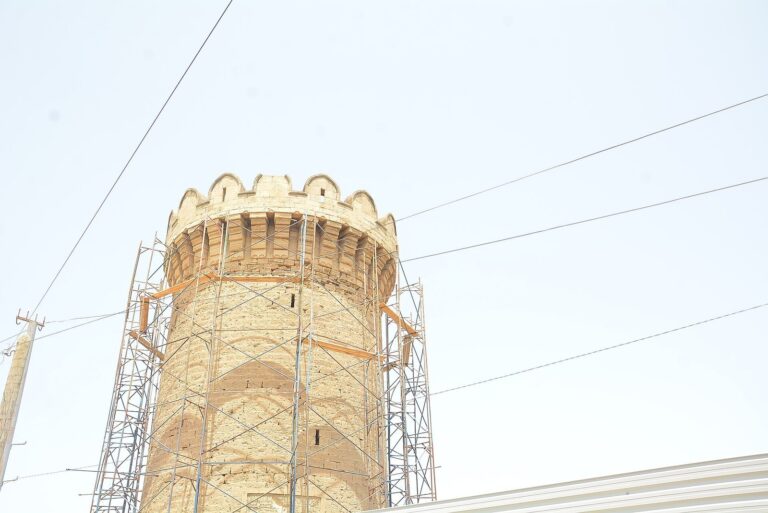
The keep has five levels, while round keeps characteristically have three. Stone vaulted ceilings cover its first and top levels; wooden beams support flat ceilings on the others. Semicircular towers attached to all four sides reinforce the keep and support its height. From the summit platform, defenders could fire into the courtyard and beyond the outer walls. The keep’s design is more developed than that of the Round Mardakan Castle.