Koliburg: A Medieval Hilltop Castle in Germany
Site at a Glance
- Popularity
- Very Low
- Country
- Germany
- Primary era
- Medieval
- Eras represented
- Medieval
- Civilizations
- Holy Roman Empire
- Site type
- Military
- Remains
- Castle
On this page4 sections
History
Foundation and destruction
Koliburg was a hilltop castle near Endingen in Germany, built around 1200. The Koler von Endingen, a branch of the Lords of Endingen, held it as a fief, a landholding granted in return for obligations, from St. Margaret’s collegiate foundation in Waldkirch, a religious institution served by clergy and able to hold property.
The castle was first destroyed in 1278. In 1321, the Lords of Üsenberg and citizens of Endingen destroyed it during the Kaiserstuhl War, a regional conflict fought from 1320 to 1322. Koliburg was not rebuilt.
Transfer of the fief
After part of the Endingen family moved to Strasbourg in 1333, the family appears to have relinquished the fief. Between 1419 and 1494, the Waldkirch foundation transferred it to the town of Endingen. The castle is also known as Burg Koliberg, Burg Kohlenberg, and Veste Kolberg. Isenburg and Üsenburg are sometimes used as incorrect names; the Üsenbergers’ Burg Üsenberg, near Breisach, was a different castle.
Remains
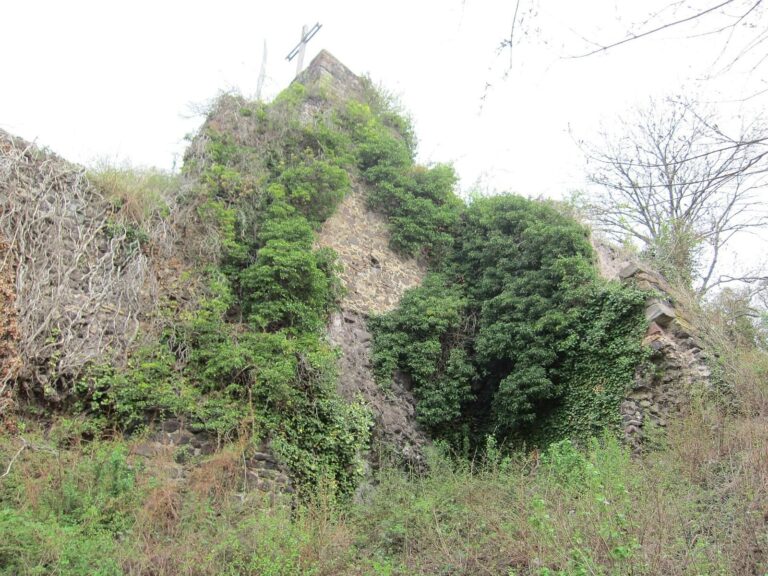
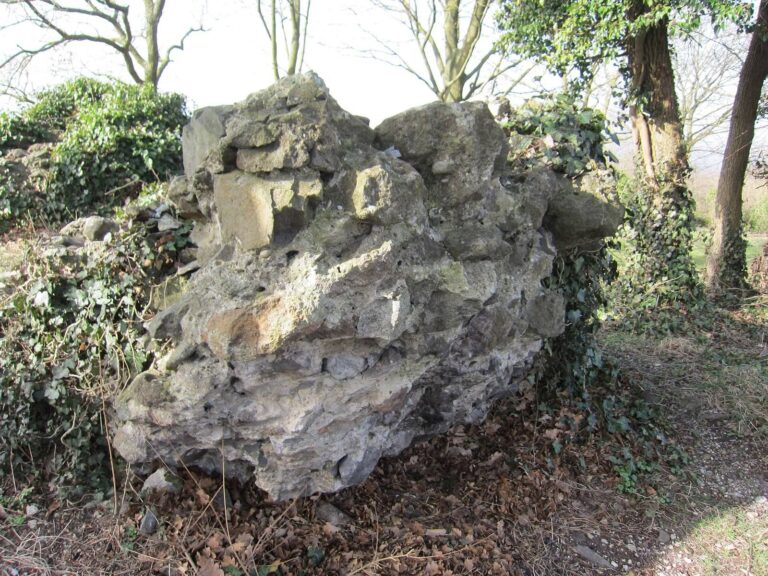
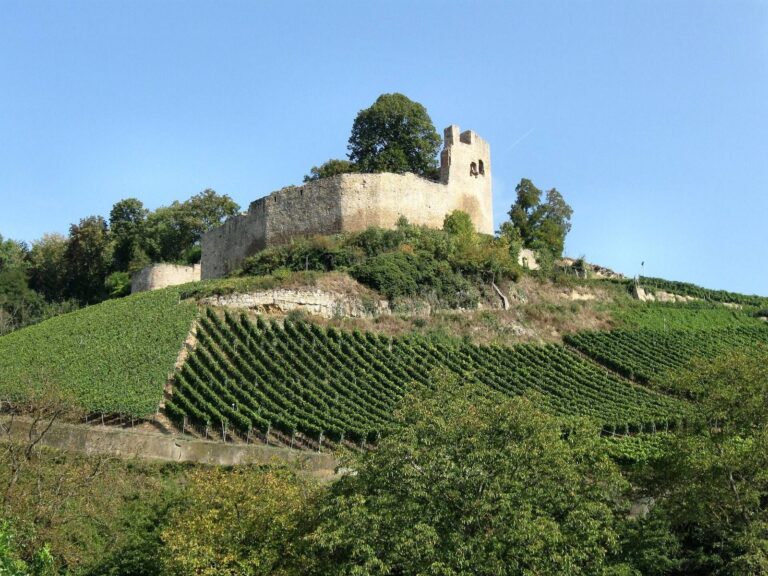
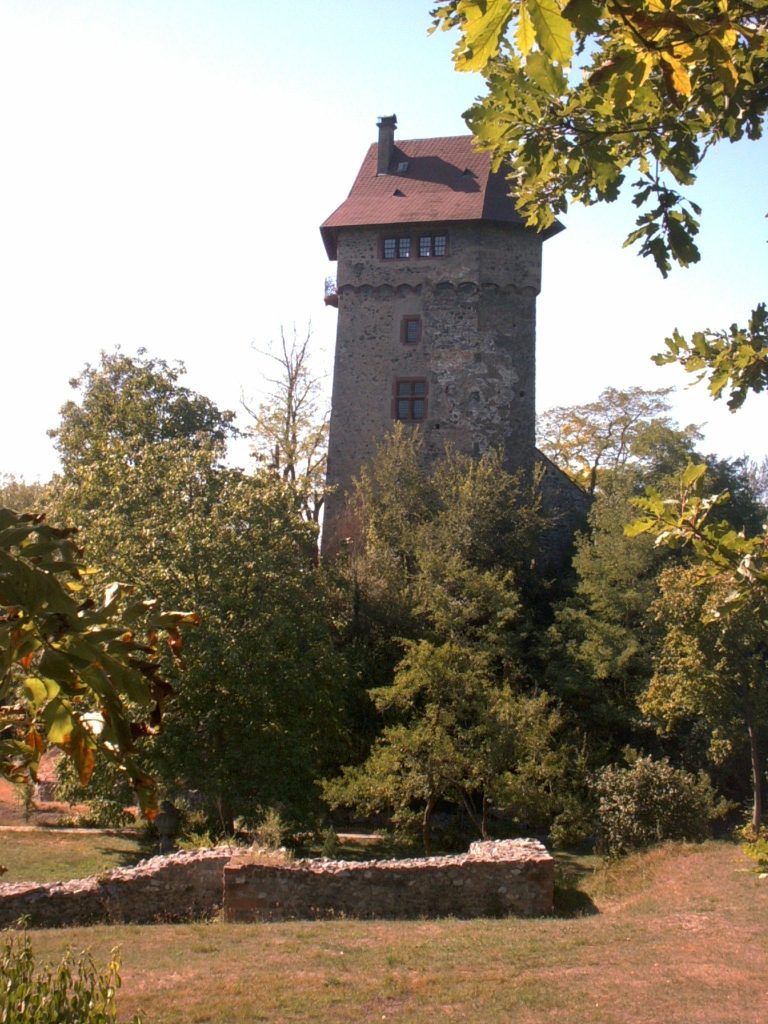
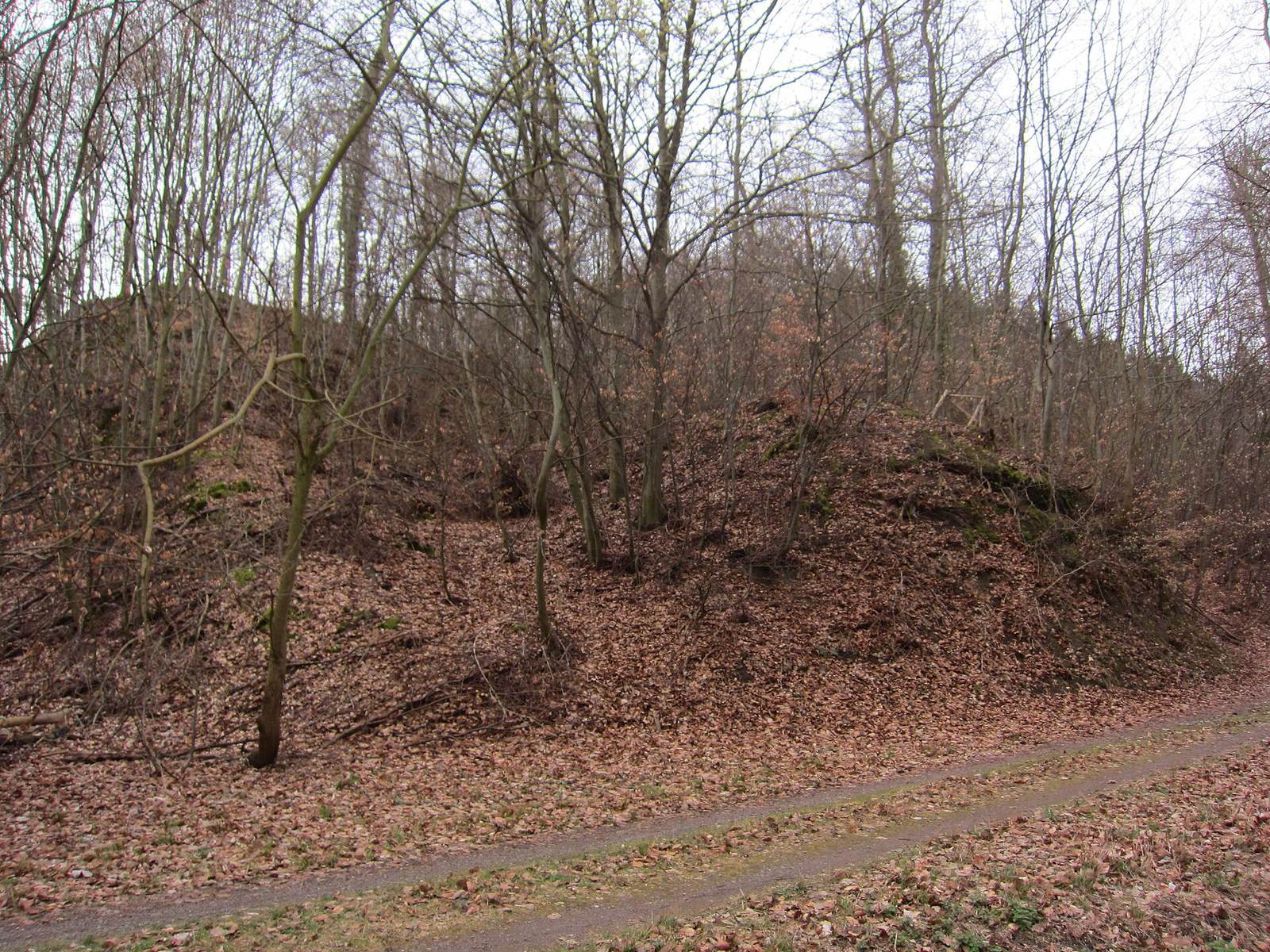
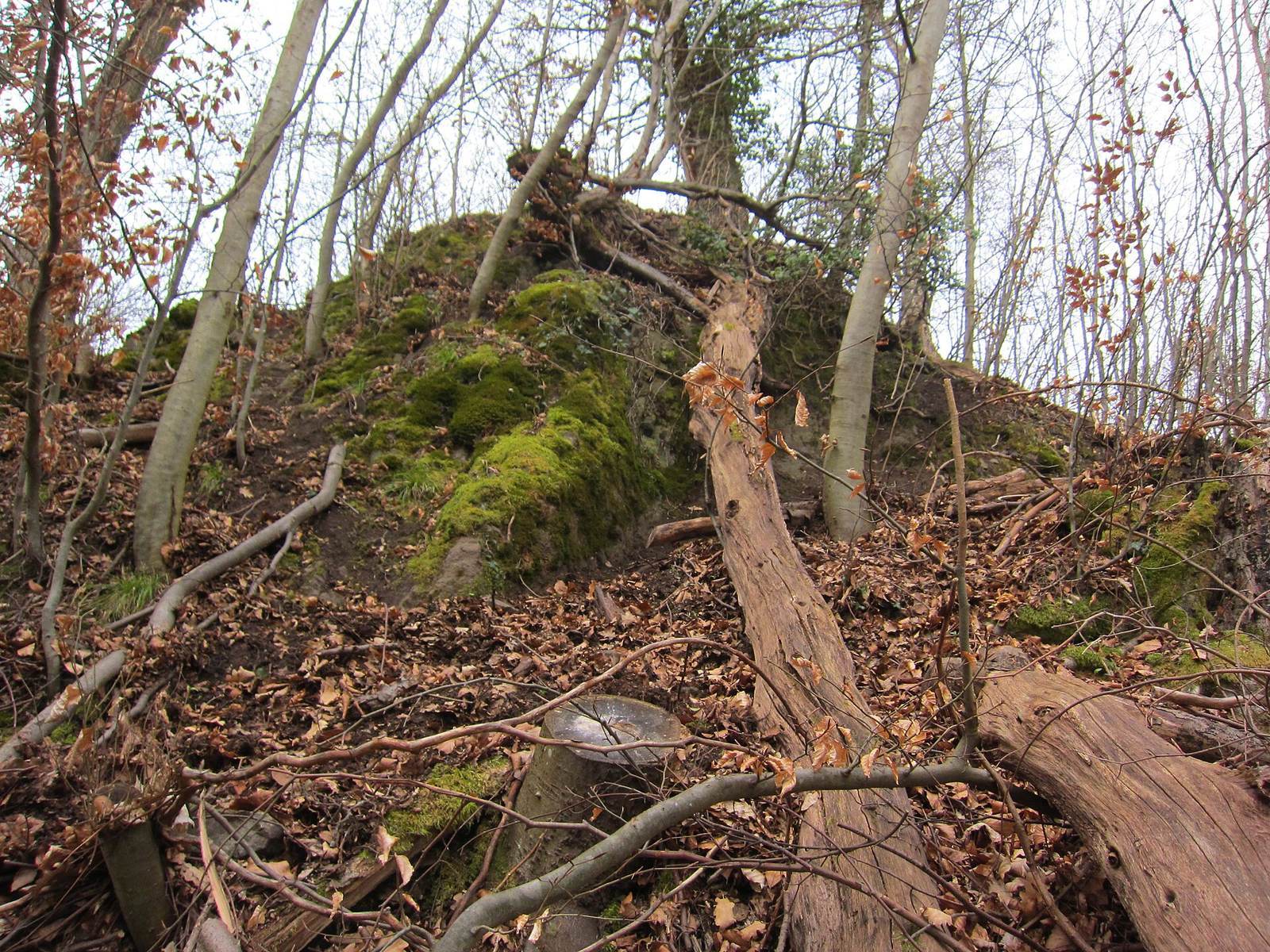
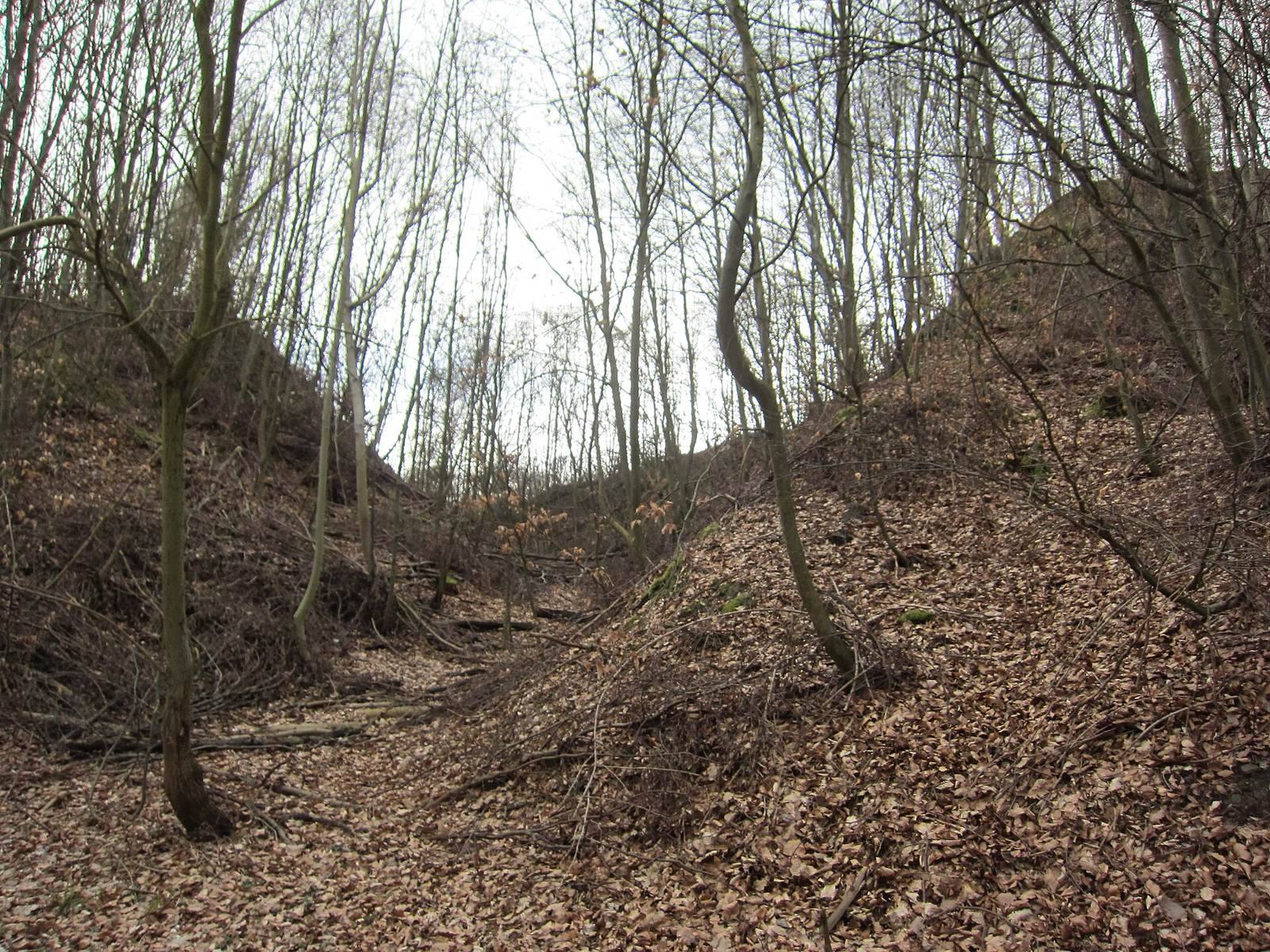
The ruin occupies a wooded spur of Kohlenberg on Katharinenberg, at an elevation of 359.1 metres, about 2.3 kilometres southwest of and above Endingen in Baden-Württemberg’s Emmendingen district. The core castle stood on the spur, with an outer ward joined to its north. A substantial ditch separated the castle from the rising ridge, and a second ditch cut off the spur’s tip. Quarrying removed much of the masonry; small sections of wall and the ditches remain.