Jakabov Palace: An Eclectic, Neo-Gothic Residence in Košice
Site at a Glance
- Popularity
- High
- Country
- Slovakia
- Primary era
- Modern
- Eras represented
- Modern
- Civilizations
- Austria-Hungary, Habsburg, Hungarian
- Site type
- Domestic
- Remains
- Elite Residence
On this page4 sections
History
Construction and private ownership
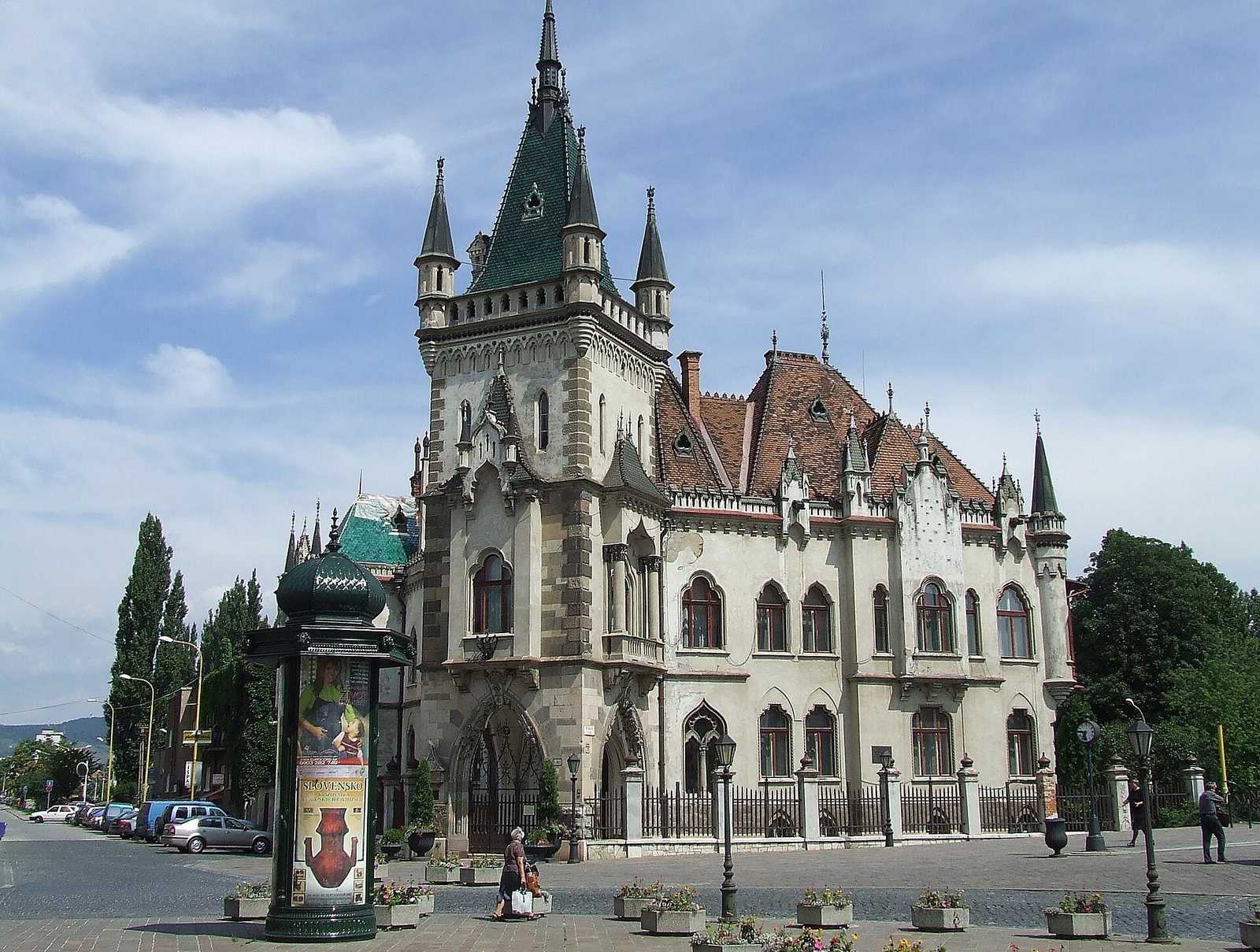
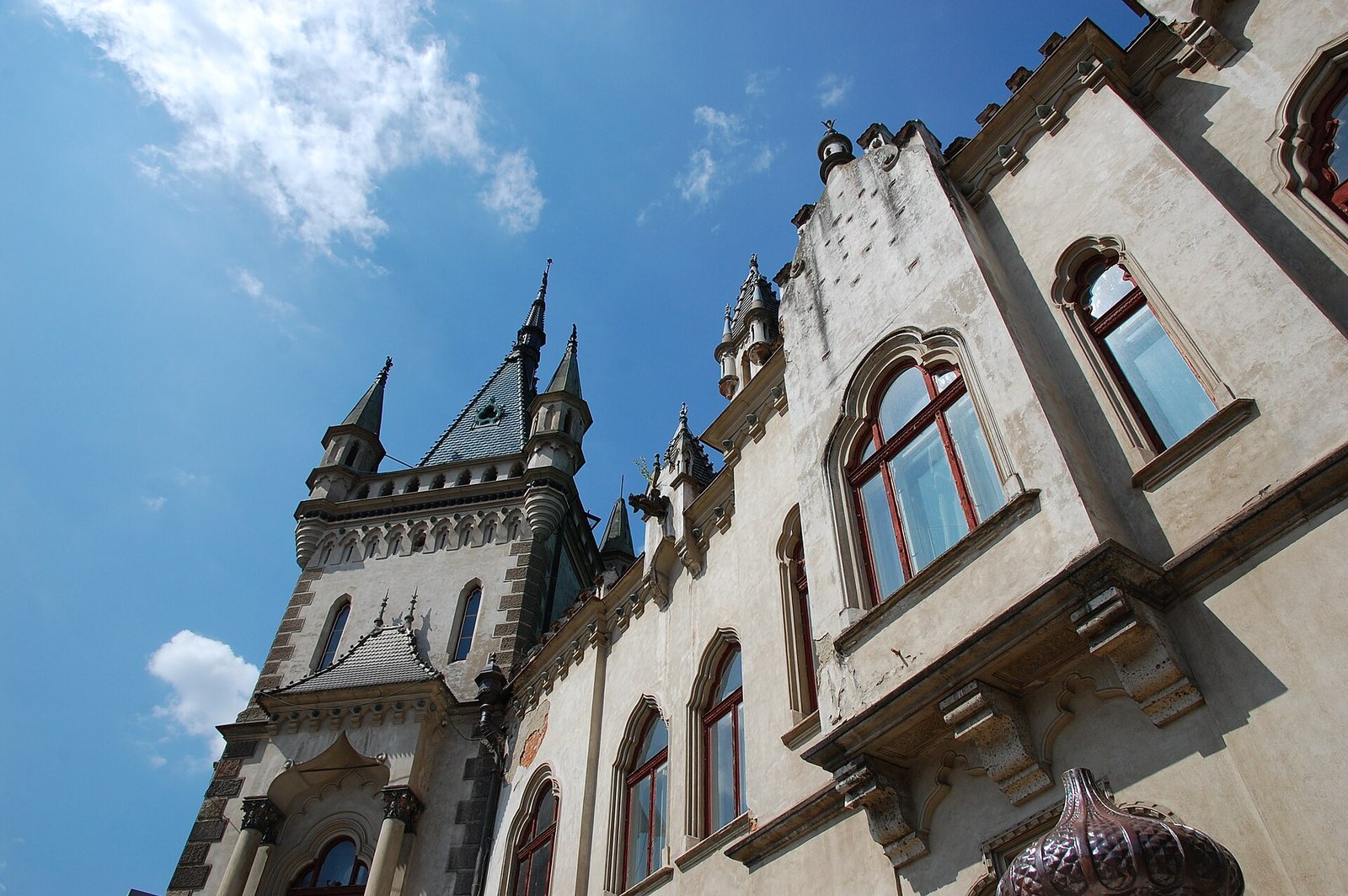
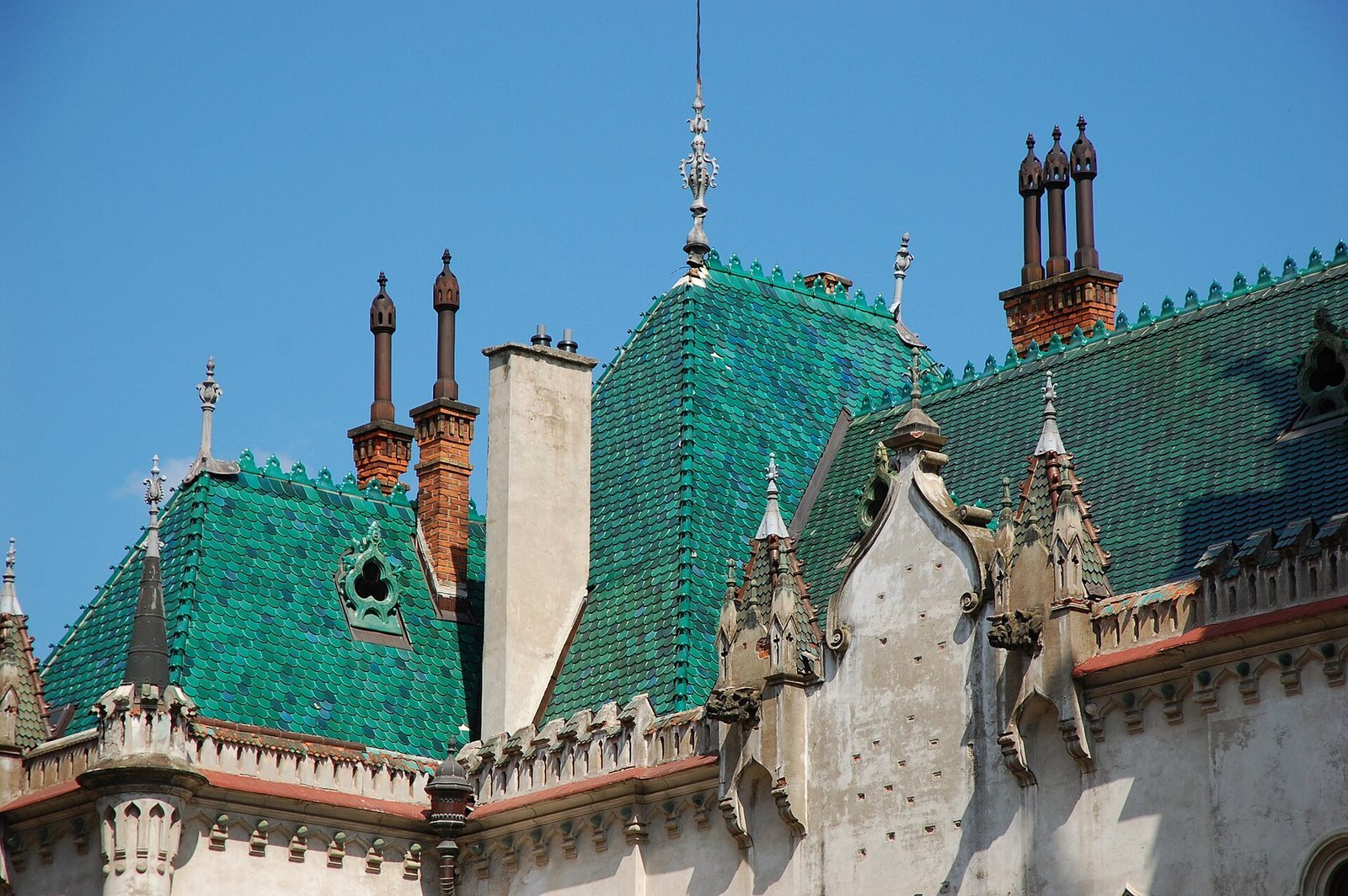
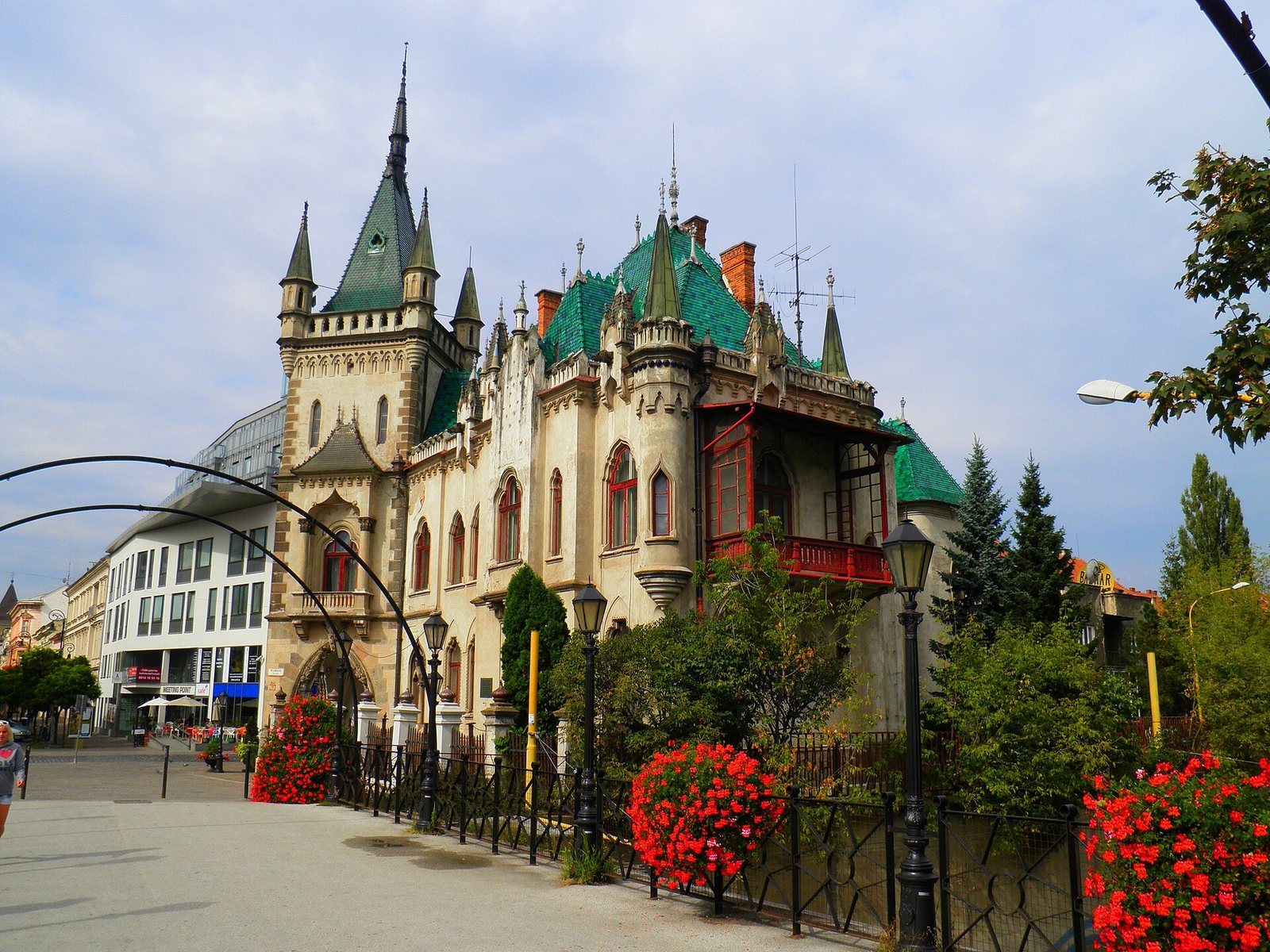
Jakabov Palace, an eclectic residence with Neo-Gothic features that revive medieval Gothic architecture, stands in Košice, Slovakia. Architect Péter Jakab built it around the turn of the twentieth century for his own use. The palace was originally a family home and was formerly known as Dzivák Palace.
Jakab owned the building until his death in 1903. His family left Košice in 1908 and sold it to Hugo Barkányi.
Postwar role and ownership dispute
After Soviet forces liberated Košice in 1945, Czechoslovak president Edvard Beneš lived in the palace for several months during his second term. After the Second World War, the city acquired the property.
In 1989, Barkányi’s daughter, Katarína Póšová, sought its return. A court recognized the Barkányi estate’s ownership in 1996, but an appeal overturned that ruling in 1999. A court again recognized the family’s claim in 2001. After the city appealed, a 2005 ruling assigned the palace to Košice, and the family appealed that decision.
The British Council, the United Kingdom’s organization for cultural relations and educational opportunities, occupied the palace from 1992 to 2000. It is now used for large social events and is designated a national cultural monument.
Remains
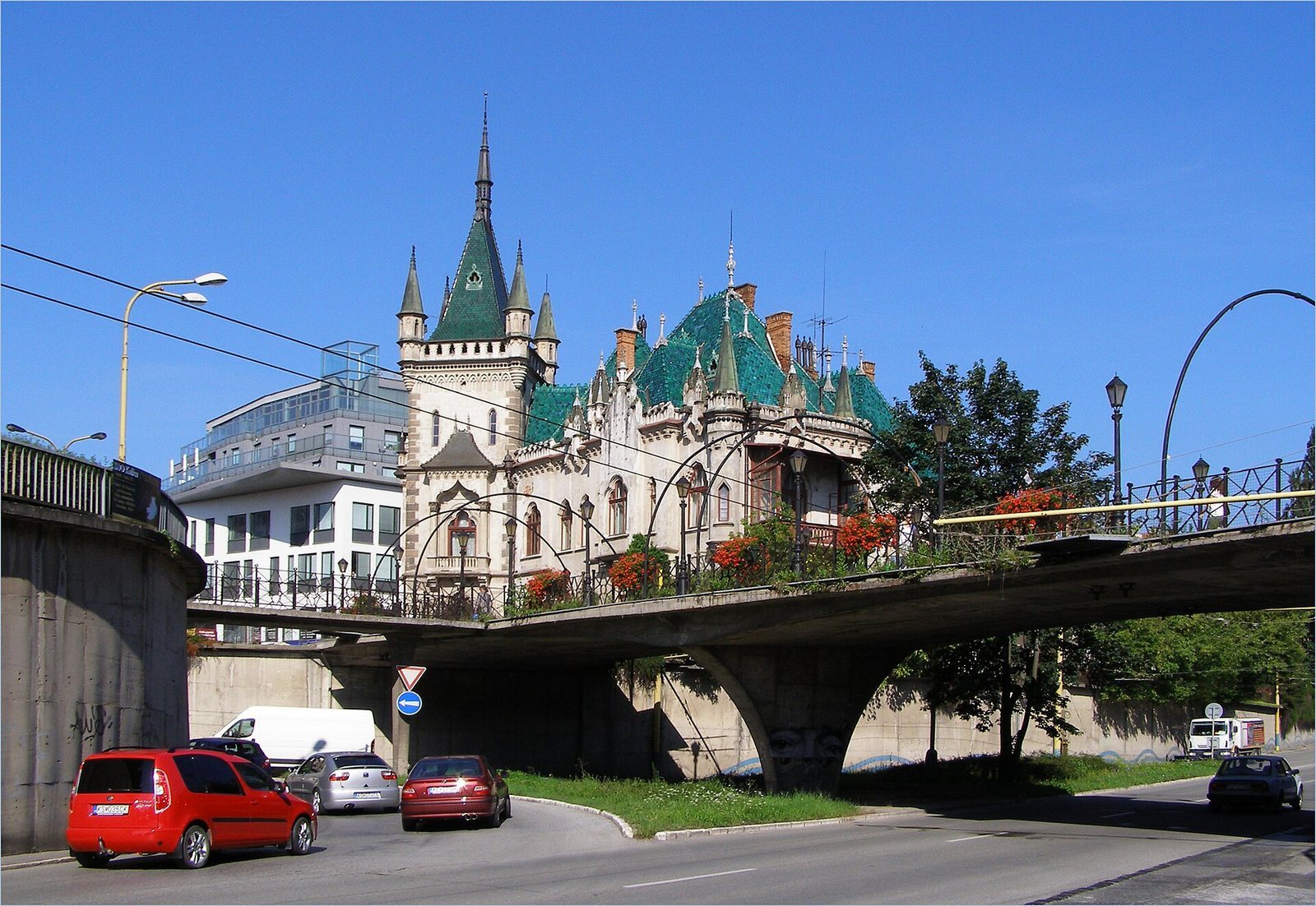
The palace combines eclectic design with Neo-Gothic, or pseudo-Gothic, features. It stands at the corner of Mlynská and Štefániková streets, near the railway station and City Park. A small bridge connects the building with the park.
Its construction incorporates old stones recovered from the vault of St Elizabeth’s Cathedral during that church’s major renovation in the late nineteenth century.
The palace originally stood on the bank of the Hornád River. After the river was diverted in 1968, a four-lane road was built in its former bed. The building survives beside the road.