Megalithic Tombs near Stegelitz: Neolithic Burial Monuments in Germany
Site at a Glance
- Popularity
- Very Low
- Country
- Germany
- Primary era
- Stone Age
- Eras represented
- Stone Age
- Civilizations
- Unclassified
- Site type
- Burial
- Remains
- Burial Mound
On this page4 sections
History
The Megalithic Tombs near Stegelitz are two Neolithic burial monuments near Stegelitz, Germany. The graves are broadly dated to 3500–2800 BC and associated with the Funnel Beaker culture, a Neolithic culture of northern and central Europe named for its characteristic funnel-shaped pottery.
Tomb 2 is also known in some references as the Suckow tomb. It had already been robbed when J. O. v. d. Hagen carried out a test excavation there in 1910. The excavation identified a clay pavement beneath the chamber.
Remains
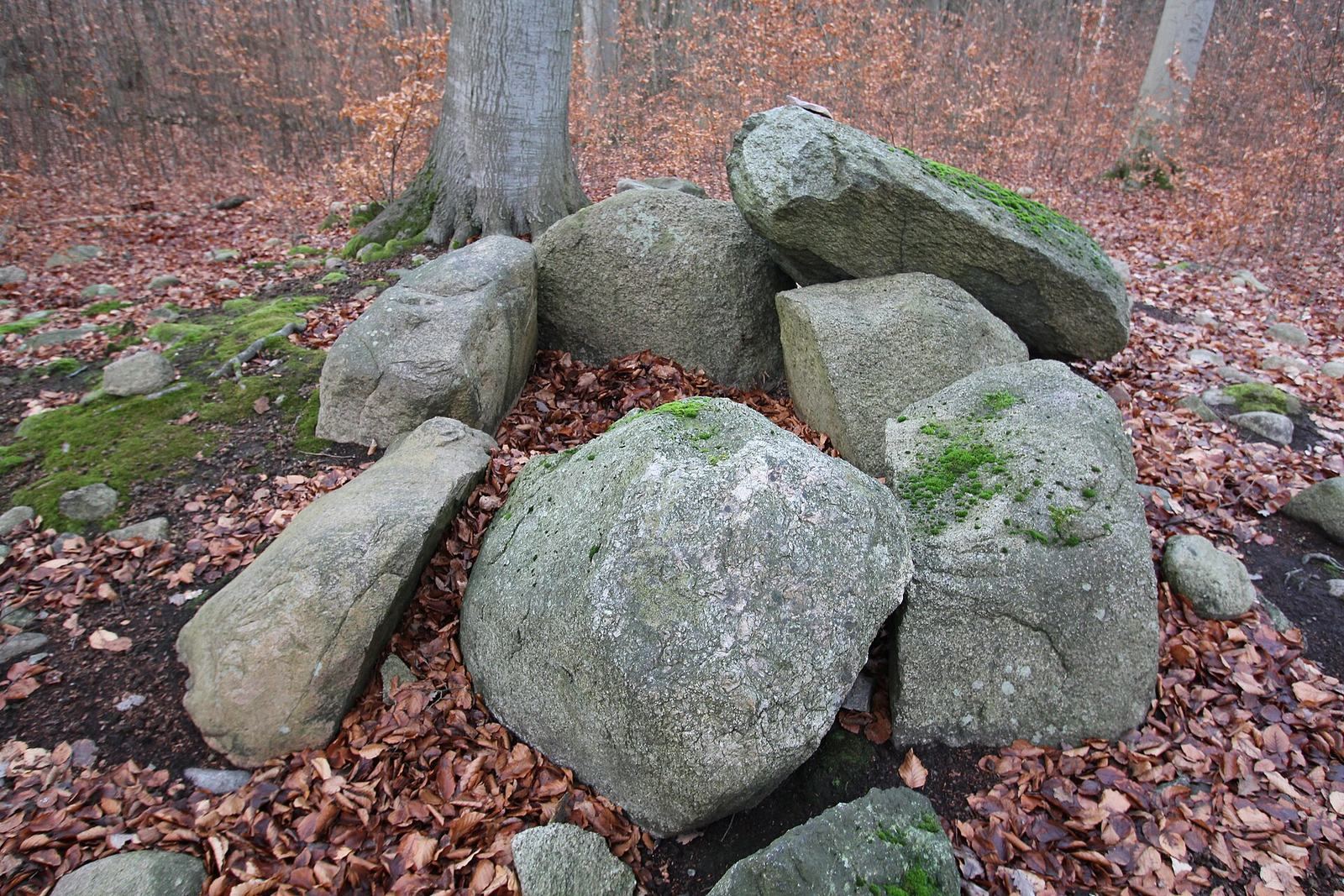
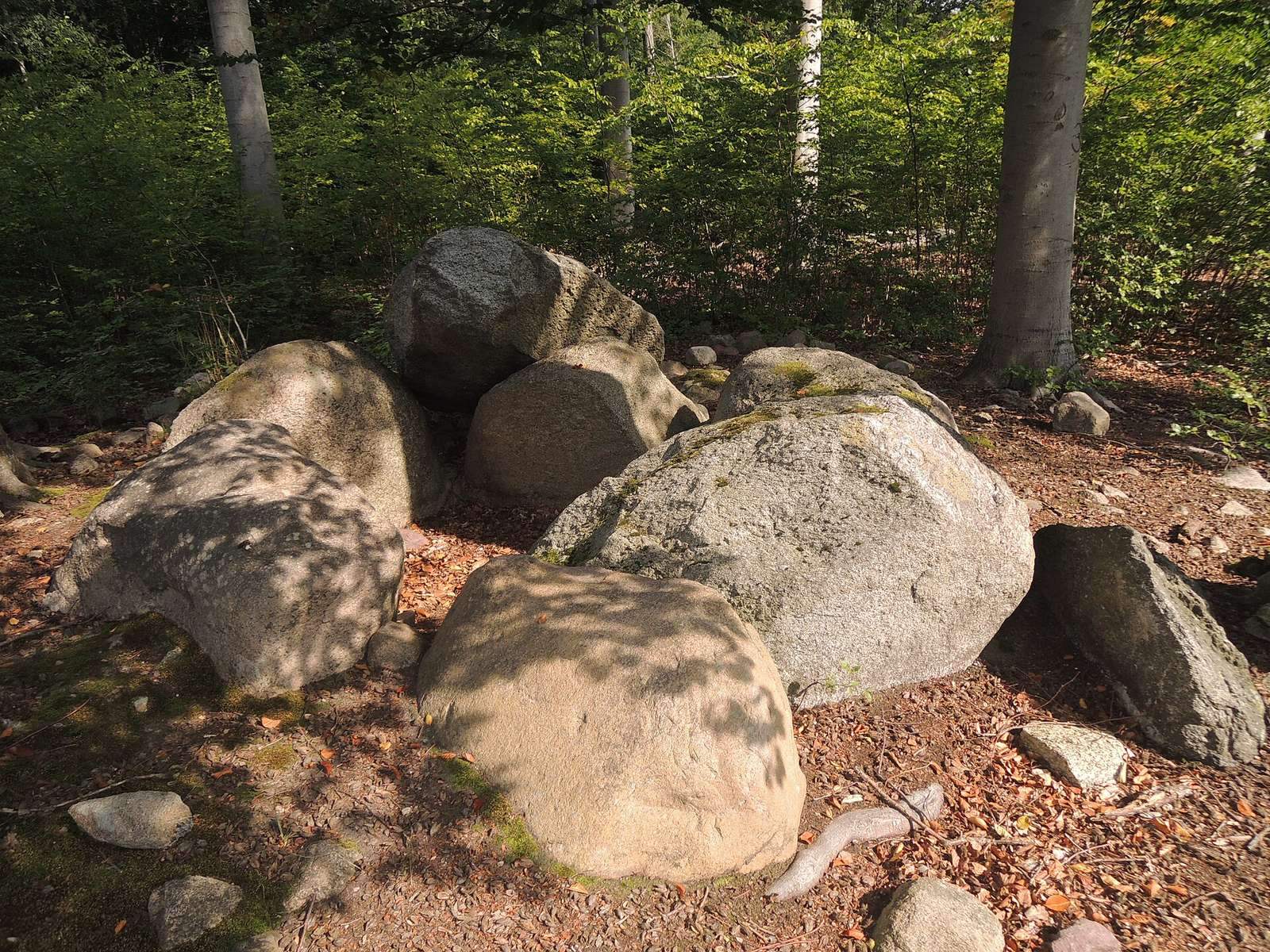
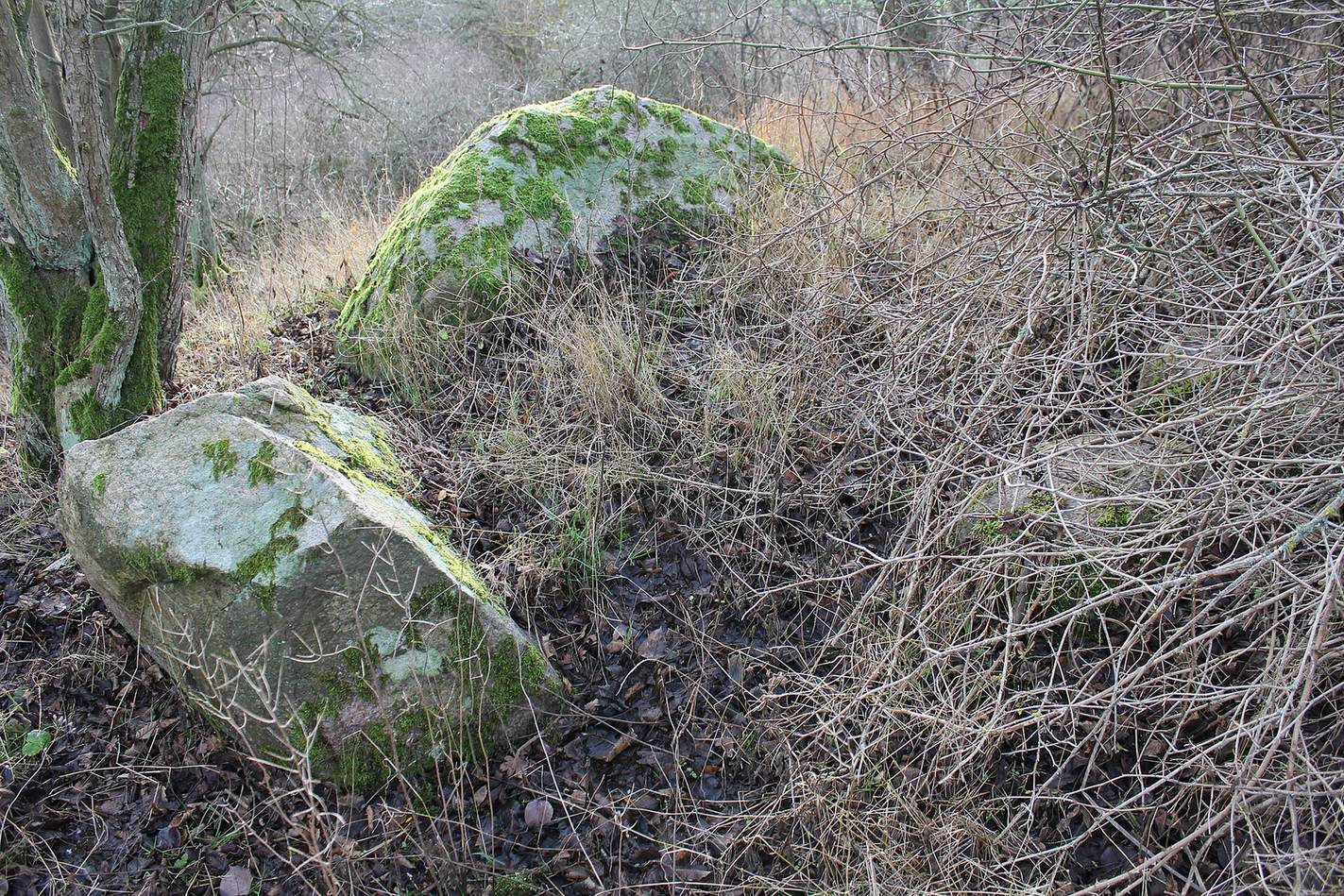
The two tombs have distinct forms: Tomb 1 is a long megalithic mound with a chamber at one end, while Tomb 2 has a smaller stone mound around a chamber built from upright stones and capstones.
Tomb 1
Tomb 1 stands in a field just under 1 km west of Stegelitz, north of the road to Groß Fredenwalde, among burial mounds from the Bronze Age, the prehistoric period associated with the use of bronze. Its long mound measures 35 m by 13–14 m and survives 1.6–4 m high. Its axis is thought to run approximately east–west, though the orientation is uncertain. A burial chamber occupies the eastern end. Some of its wall stones remain, its western side is open, and its capstone or capstones are missing.
Tomb 2
Tomb 2 lies 3.3 km southeast of Tomb 1 and almost 2 km south of Stegelitz, at the edge of Suckow Forest near the municipal boundary. It is about 500 m east of the A11. Its stone mound is 8 m across and survives to about 0.75 m high. The chamber runs northeast–southwest and is described as an extended dolmen, a megalithic burial chamber with an elongated plan. Hans-Jürgen Beier classifies it as either an extended dolmen or a ramp cist, a stone burial chamber associated with a ramp-like entrance. The chamber measures 2.5 m long and 1.25–1.5 m wide. Two upright stones form each long side, with a closing stone at the northeastern end. At the southwestern end, a narrow slanting stone covers half the opening, leaving an entrance. The wall stones remain in their original positions, but both capstones have shifted: one has fallen inside the chamber, and the other lies partly rolled off beside its eastern exterior.