Temple de Vasso Galate: A Roman Temple at Augustonemetum
Site at a Glance
- Popularity
- Medium
- Country
- France
- Primary era
- Classical
- Eras represented
- Classical
- Civilizations
- Roman
- Site type
- Religious
- Remains
- Temple
On this page5 sections
History
The Temple de Vasso Galate was a Roman temple at Augustonemetum, the ancient settlement at Clermont-Ferrand, France, and the capital of the Arverni, a Gallic people of central Gaul. It was also known locally as the Saracens’ Wall.
Ancient temple and destruction
Gregory of Tours, a sixth-century bishop and historian, recounts that Chrocus, king of the Alamanni, a Germanic people organized in a confederation during late antiquity, ravaged Gaul. On reaching Auvergne, Chrocus burned, overturned, and destroyed the temple, whose inhabitants called it Vasso-Galate in Gaulish.
Later identifications and protection
Gregory’s account led people to identify other remains in Auvergne as the temple. At Varennes-sur-Usson, local tradition placed a superb temple called Bassa-Gallia and dedicated to Mercury, the Roman god associated with commerce, travel, and communication. The French historian and archaeologist Pierre-François Fournier rejected this identification. He argued that Gregory’s temple stood at Clermont and that Bassa-Gallia was a corruption of its original name. The Temple de Vasso Galate was classified as a French historic monument in 1889.
Remains
Layout and surviving fabric
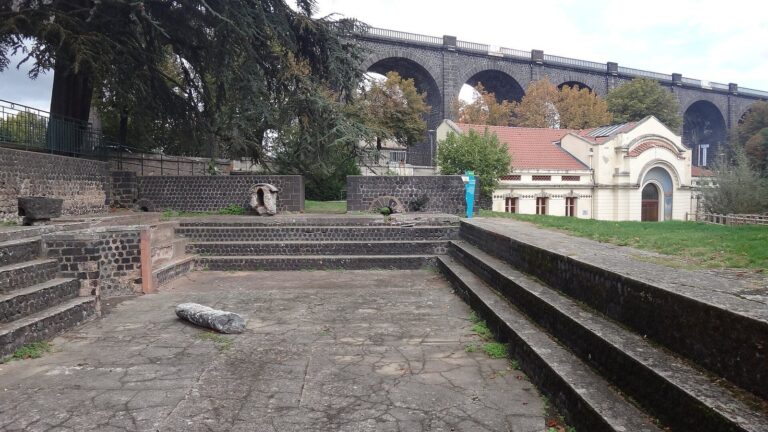
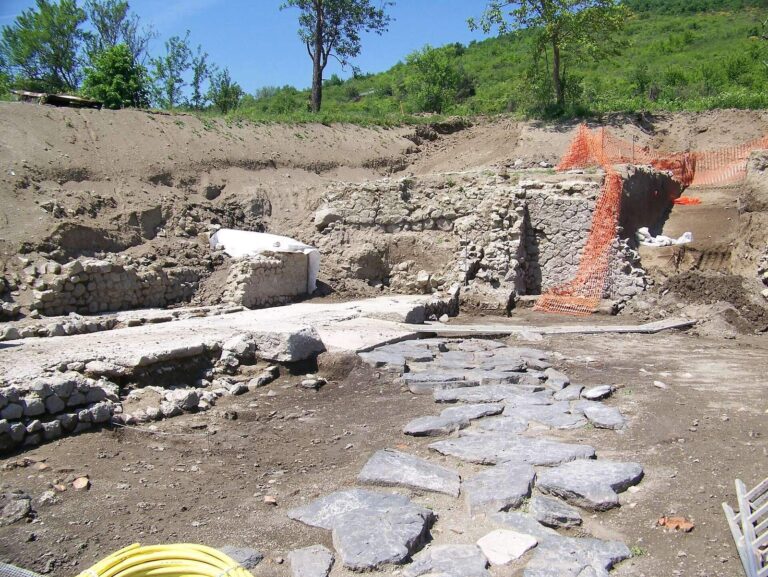
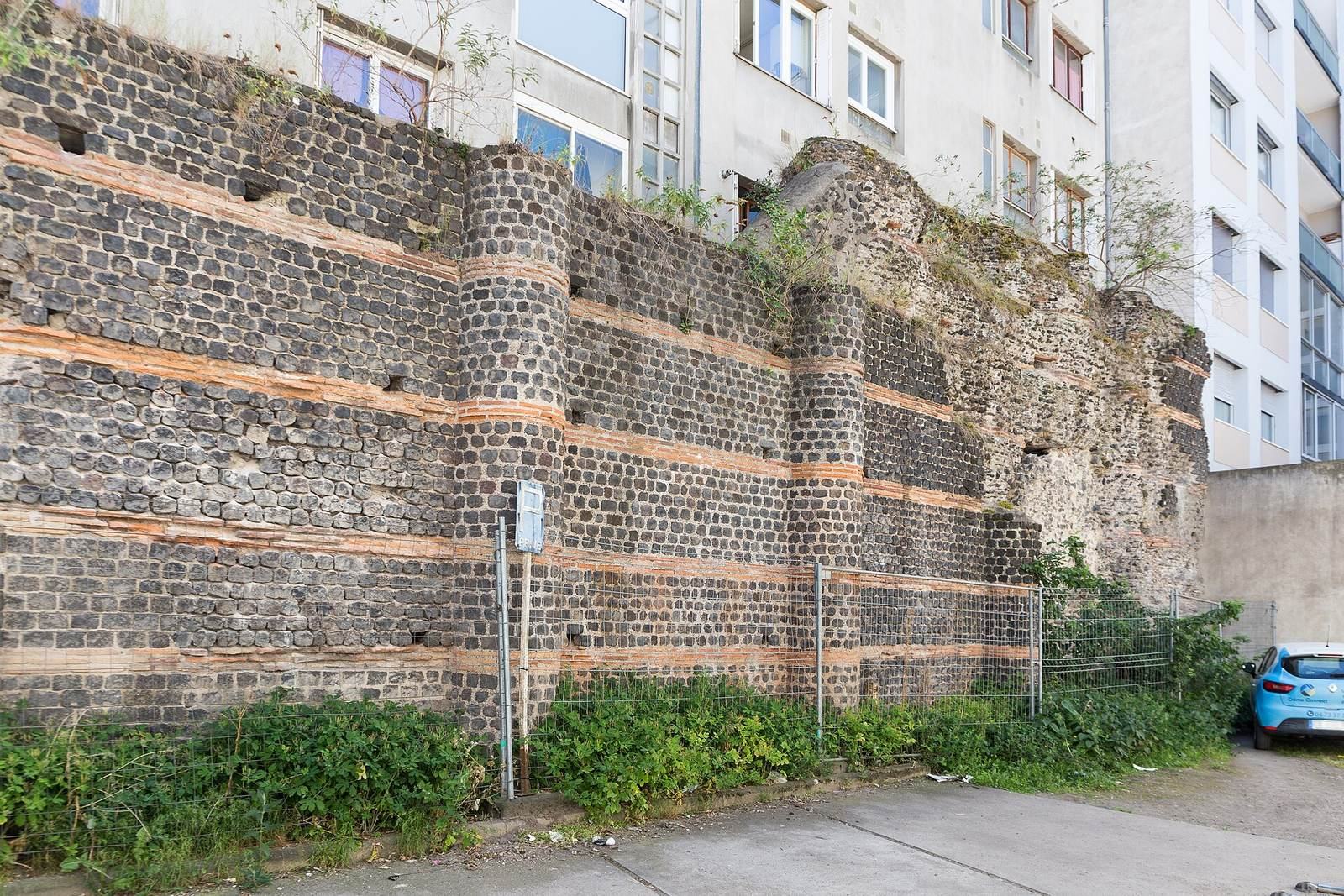
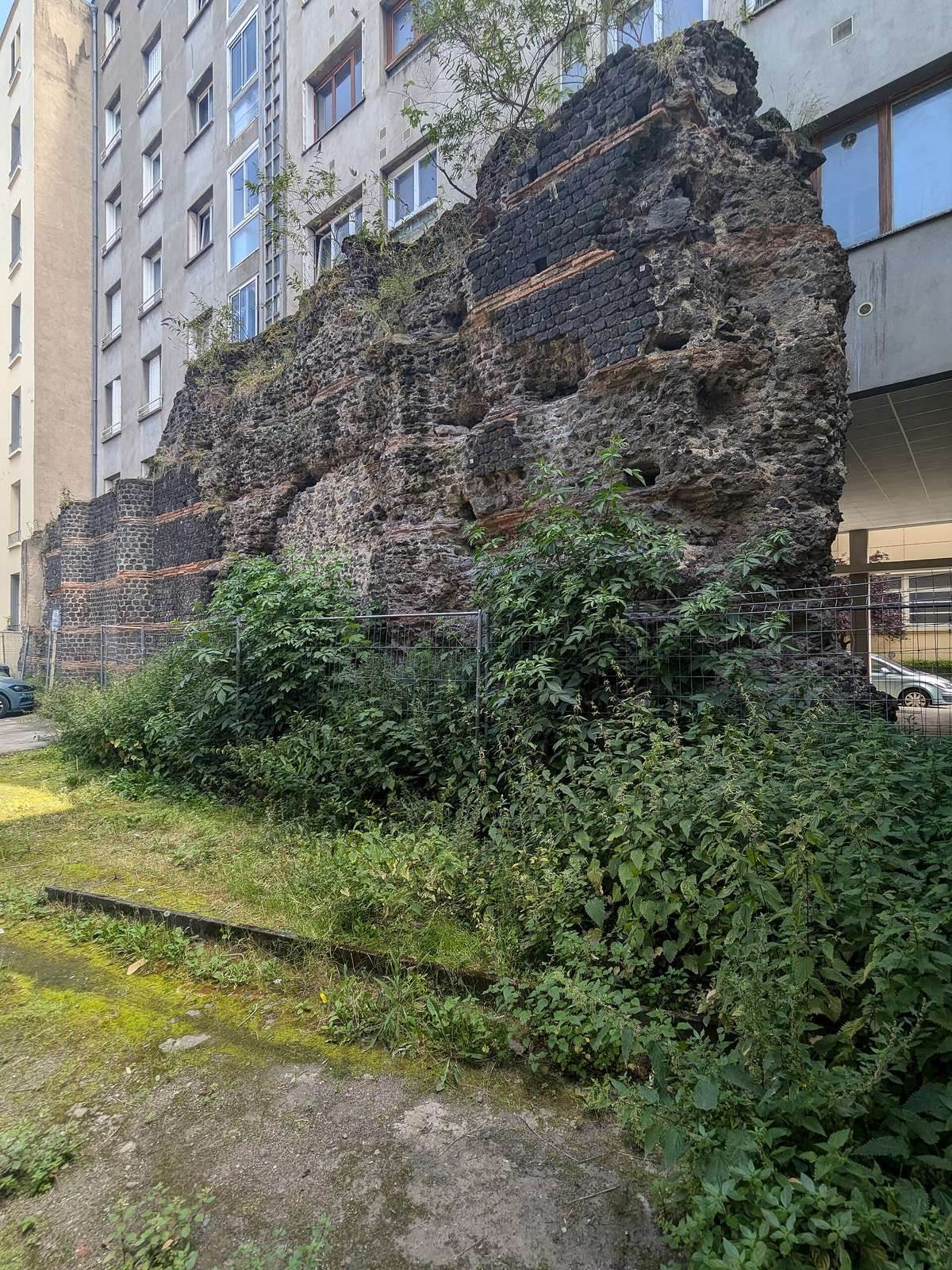
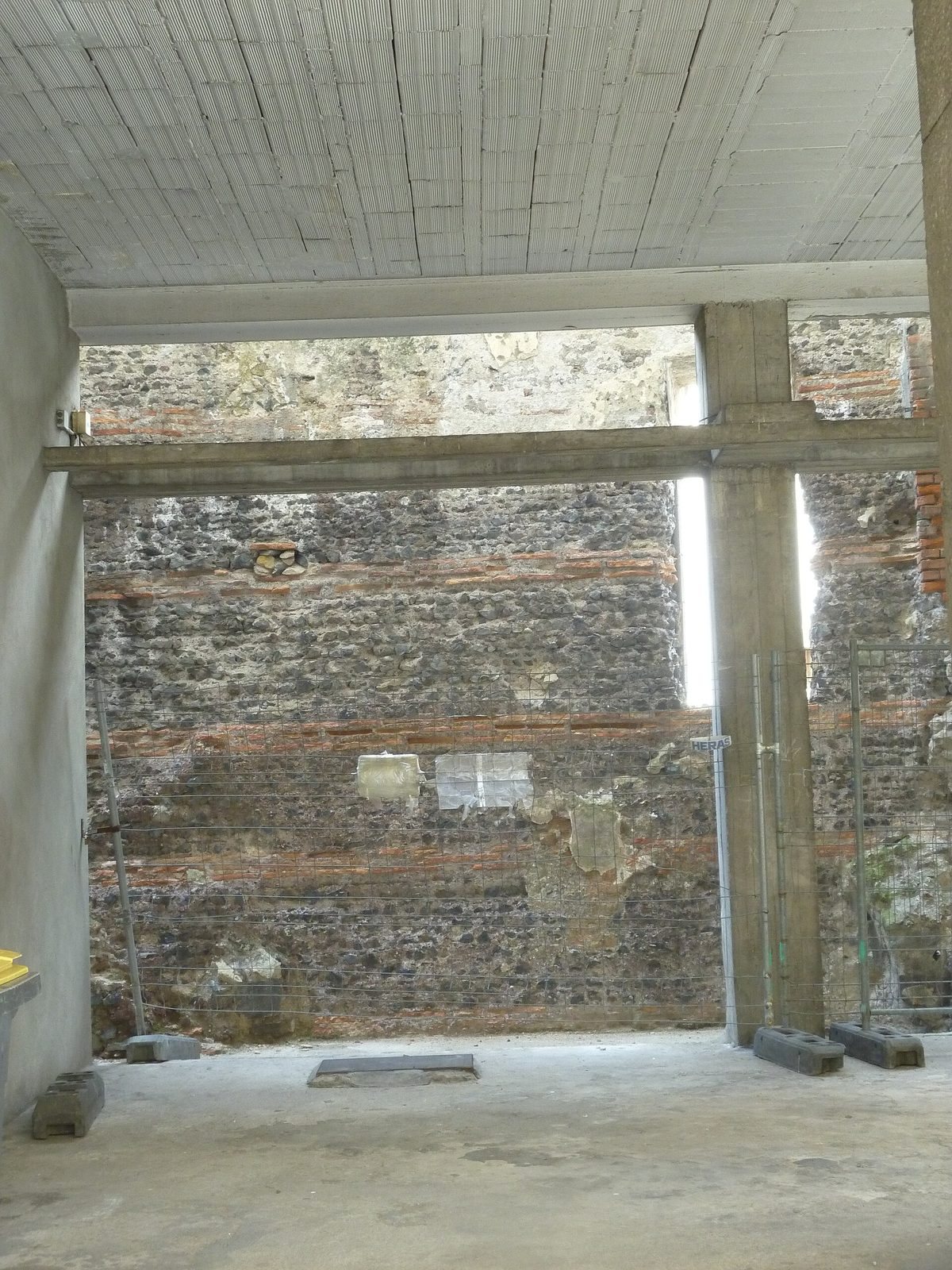
The remains extend across both sides of Rue Rameau, within an area bounded by Rue Beaumarchais to the west and Rue Bonnabaud to the east. A residential building occupies the northern side, while the southern block is occupied by the Nestor Perret school, formerly the Nestor Perret practice school. Most of the temple’s masonry has been destroyed or buried, though a northern section still stands in a parking area north of Rue Bonnabaud.
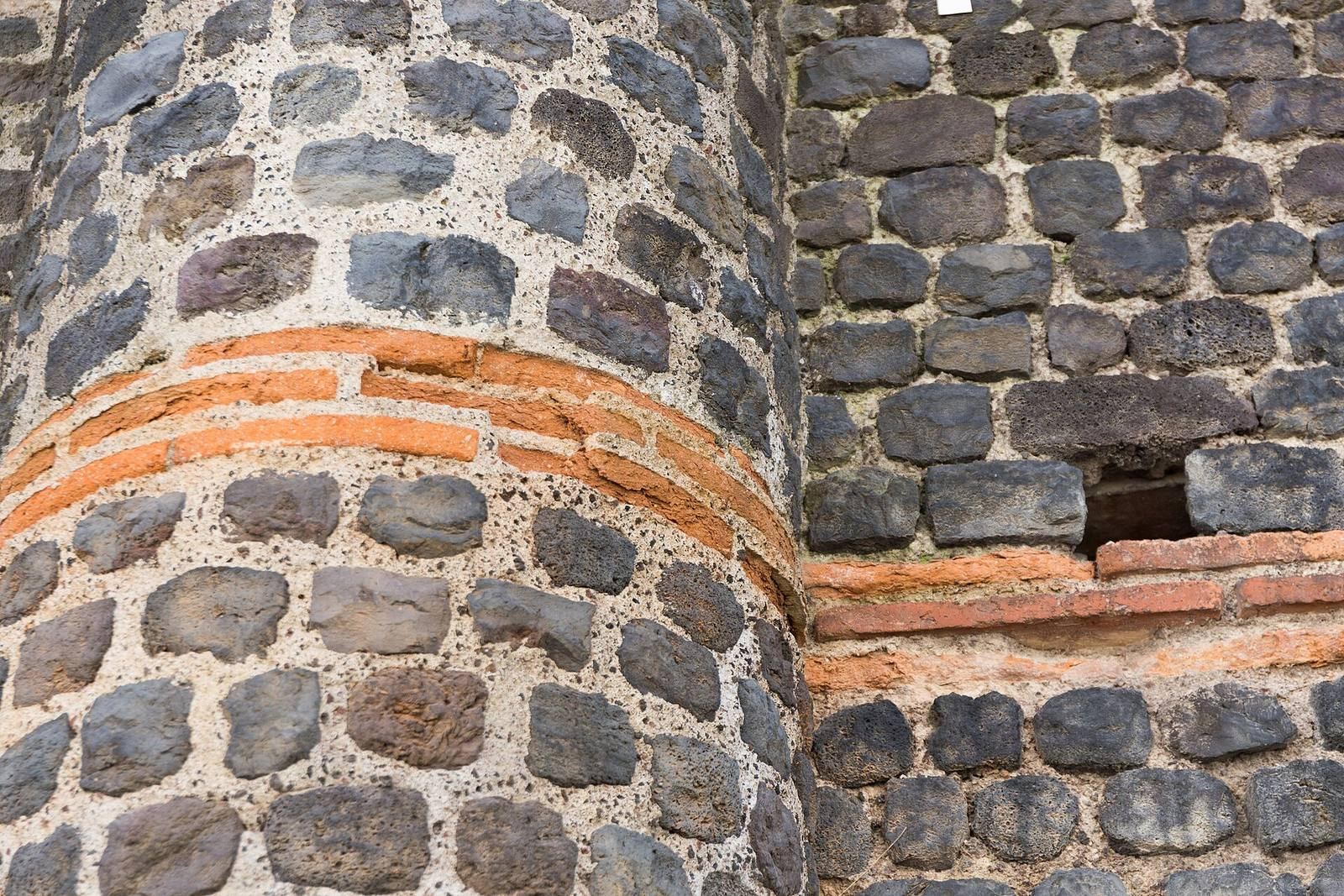
The level site lies at an average elevation of 385.20 metres in a former marshy depression where the Tiretaine once flowed; the river has since been channelled. Gregory described the temple as having double walls 30 feet thick, with small stones in the inner masonry and large squared stones on the exterior. He also described marble and mosaics inside and a roof covered with lead.