St. Nicholas’ Church: An Early Baroque Church in Bratislava
Site at a Glance
- Popularity
- Medium
- Country
- Slovakia
- Primary era
- Early Modern
- Eras represented
- Medieval, Early Modern
- Civilizations
- Habsburg, Hungarian
- Site type
- Religious
- Remains
- Church
On this page10 sections
History
Medieval foundations
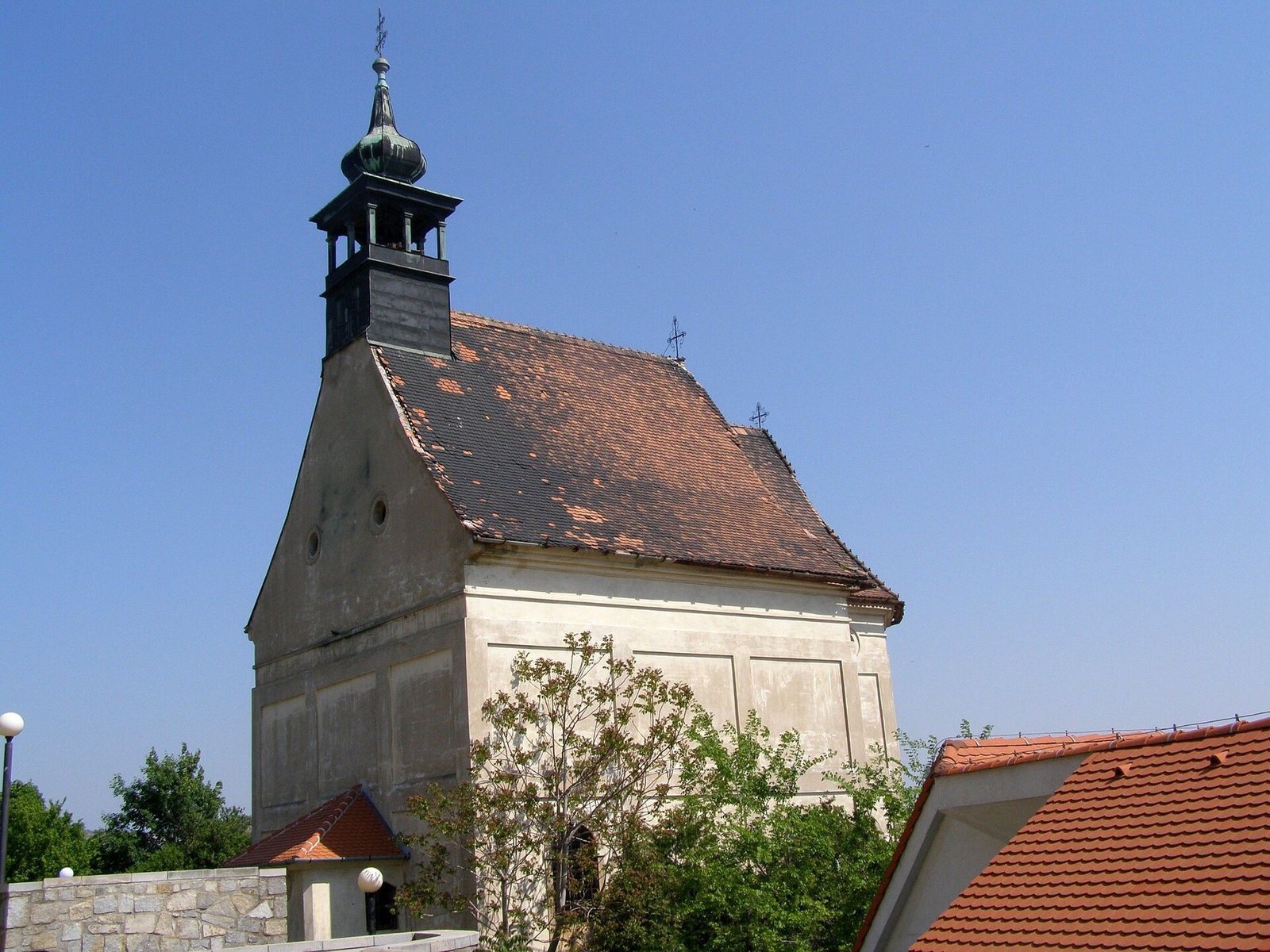
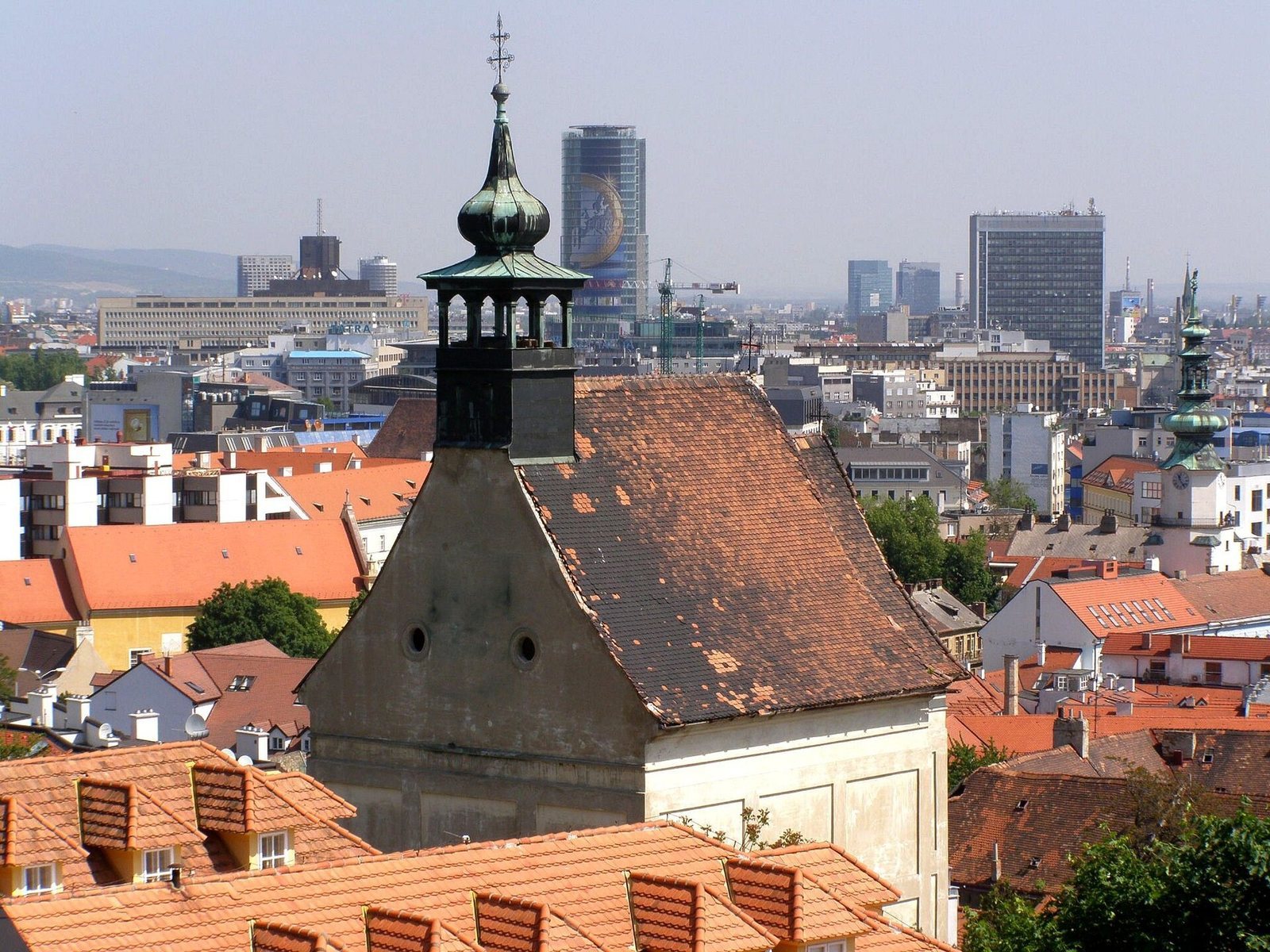
St. Nicholas’ Church is an early Baroque church in Bratislava, Slovakia, built in 1661 by Countess Frances Khuen, widow of Paul Pálffy, a senior royal official in the historic Kingdom of Hungary. The earliest church at the site was an 11th-century rotunda. It was partly destroyed in the 1270s and later rebuilt.
Probably around the middle of the 14th century, a single-nave Gothic church dedicated to St. Nicholas was constructed on the earlier church’s footprint. It was demolished in the 16th century as preparations were made for a threatened Ottoman siege.
Early modern church and religious use
The cemetery surrounding the church continued in use until the end of the 18th century. During the 18th century, the Capuchins, a branch of the Franciscan order, administered the church, which became part of the Second Bratislava Calvary, a Christian devotional site associated with the Passion of Christ. Under Maria Theresa, a Habsburg monarch who ruled from 1740 to 1780, a crypt was built under new regulations for handling the deceased. The interior was renovated in 1744.
The church was Roman Catholic and belonged to St. Martin’s parish. After Podhradie became part of Bratislava, a Catholic funeral society dedicated to St. Nicholas took over its administration. By 1936 the local Catholic congregation had declined and the church was no longer in use, so it was assigned to the newly established Greek Catholic Church of Bratislava. Greek Catholic churches are in communion with the Roman Catholic Church.
Changing church communities and twentieth-century damage
A fire in 1945, at the end of the Second World War, damaged the roof and bell tower. The Greek Catholic parish rebuilt the church between 1945 and 1950 under the direction of Father Jozef Haľko. After the Greek Catholic Church was forcibly suppressed in Czechoslovakia in 1950, the building was transferred to the Orthodox Church, which belongs to Eastern Orthodox Christianity.
The church is part of the Czech and Slovak Orthodox Church, within the Prešov Eparchy, an Eastern Christian diocese. It also belongs to an archdeaconry, an administrative district serving the Bratislava, Trnava, Trenčín, and Nitra regions. It became the Orthodox Church’s exclusive property in 2008. The church was registered as a Slovak National Cultural Monument in 1963.
Demolition of many buildings in historic Podhradie during the 1960s and 1970s weakened the church’s structural stability. A lightning strike in June 1966 and repeated vandalism caused further damage. The communist government approved reconstruction, but only part of the work was completed.
Remains
Architecture and fittings
Plan and exterior
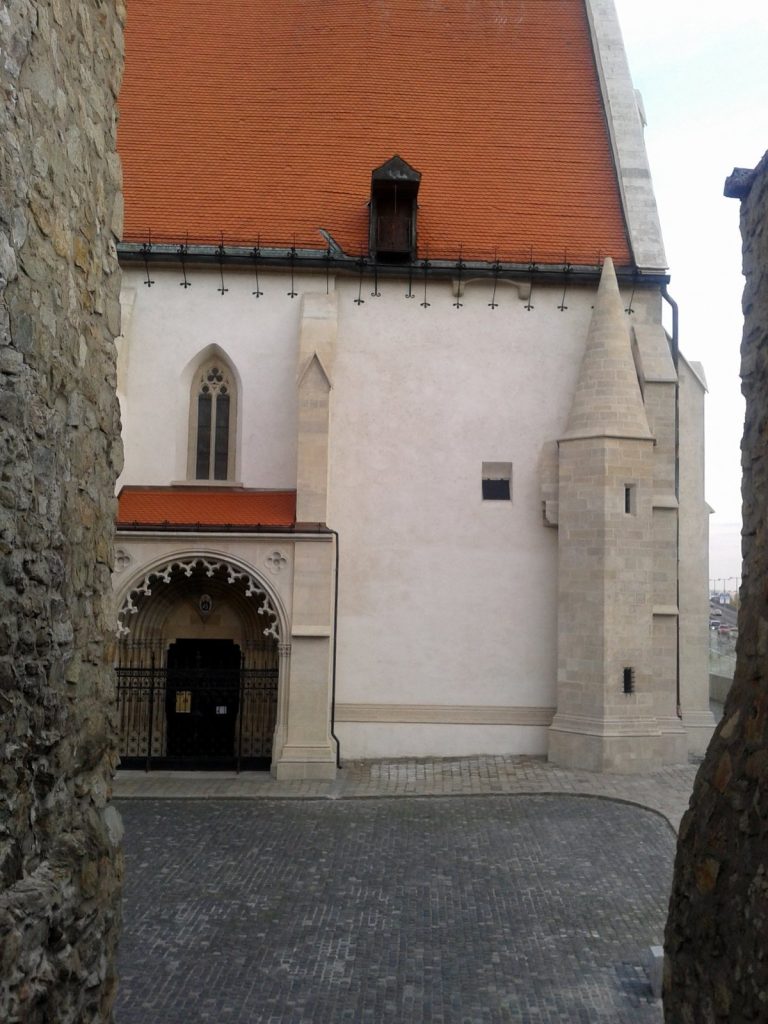
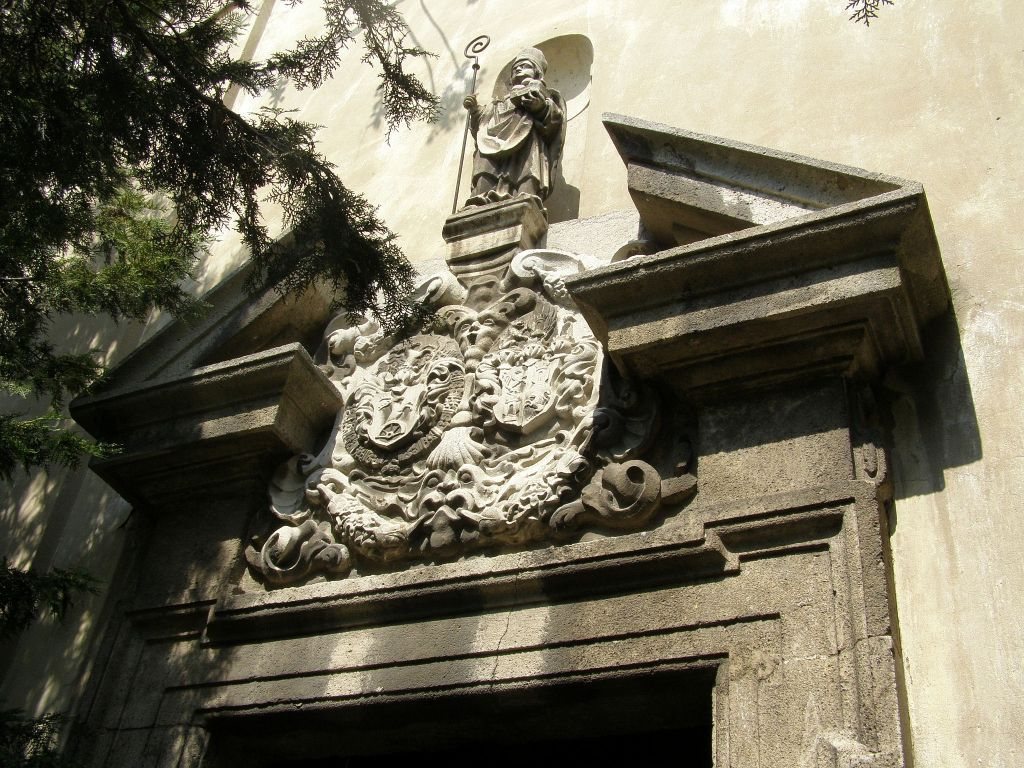
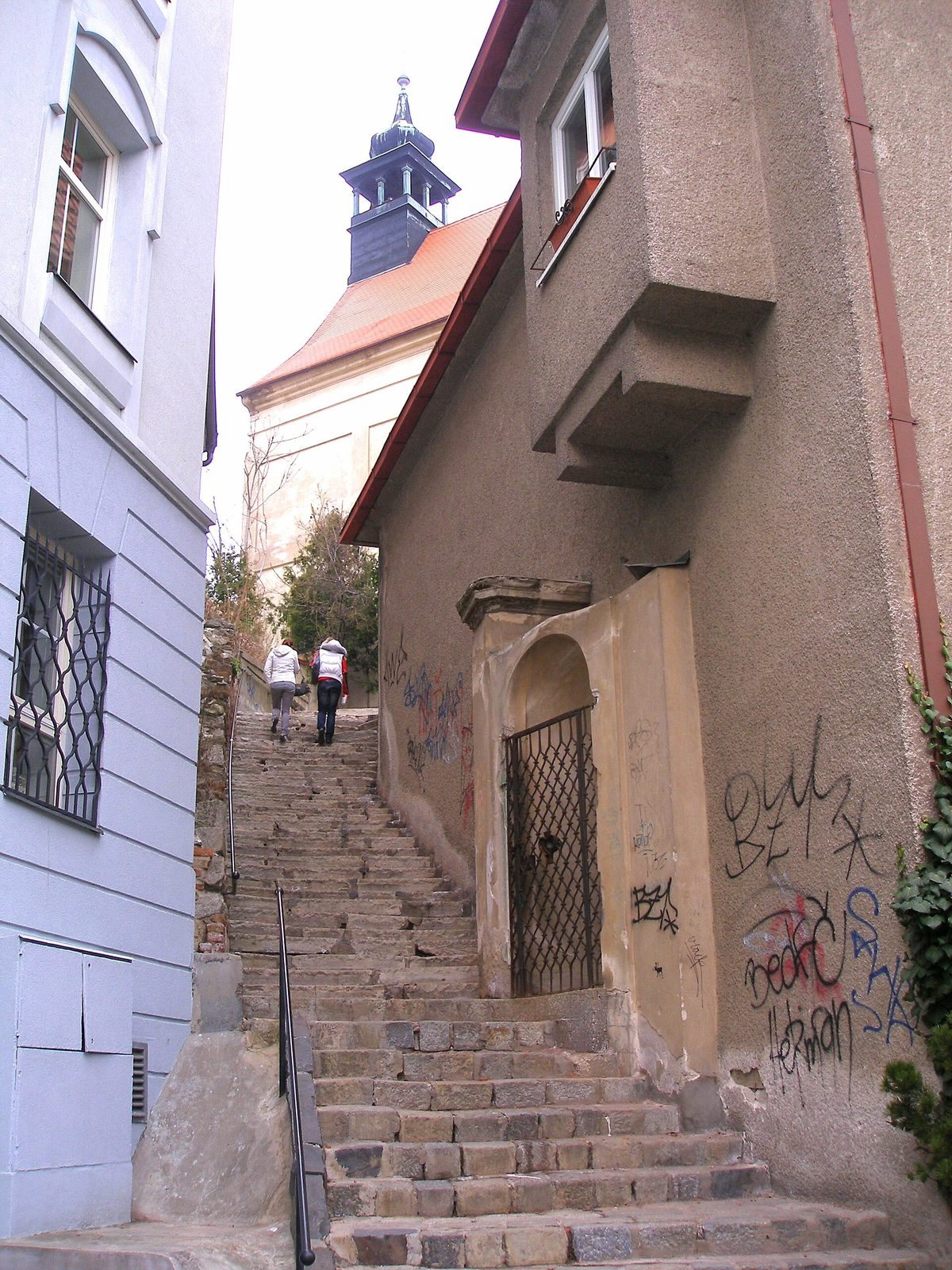
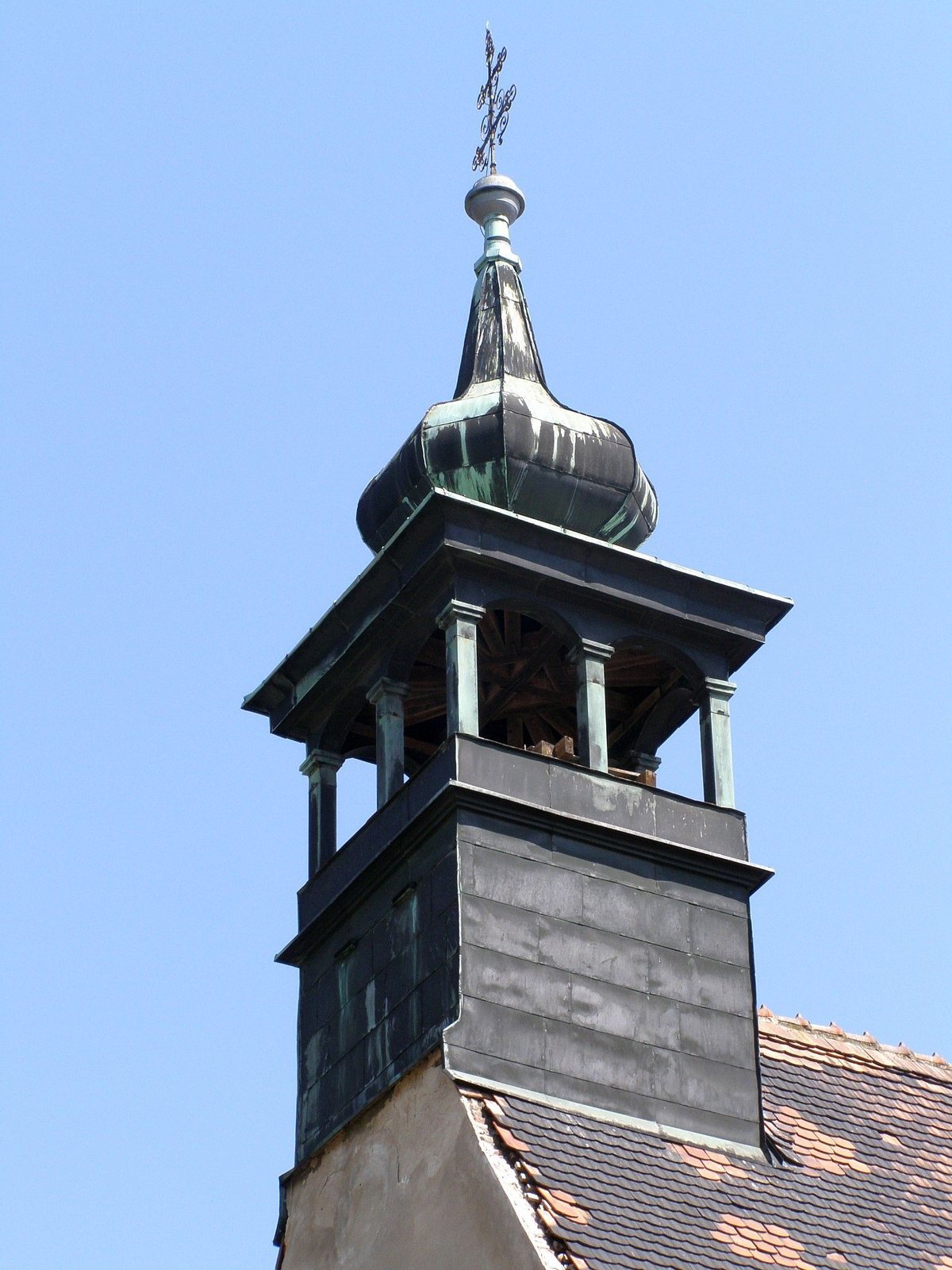
The current building is an early Baroque brick structure, with one nave running east to west and ending in a many-sided sanctuary. Its main gabled front carries a small, square wooden bell turret. On the south side, a stone entrance is crowned by a broken pediment, a decorative frame with an open top. A finely carved relief, a raised image on a flat surface, displays the coats of arms of the Pálffy spouses. Above it, a recessed niche holds a statue of St. Nicholas.
Interior furnishings
The main altar retains an image of St. Nicholas from the church’s original furnishings. In 1755, the church had an altar dedicated to him and another associated with the early Christian martyrs St. Fabian and St. Sebastian, and the Holy Trinity, the Christian doctrine of Father, Son, and Holy Spirit. An altar depicting Mary mourning the dead Christ, known as a Pietà, was added before 1761. Altars dedicated to the Holy Cross, the cross of Jesus’s crucifixion, and St. Rosalia were added in 1779. A pulpit made by the 18th-century artisan Peter Brandenthal was installed late in that century. Relics associated with the church’s special veneration included the Holy Cross, St. Sergius of Radonezh, a 14th-century Russian Orthodox monk and spiritual leader, and St. Moses the Hungarian, venerated as an Orthodox saint.
Crypt
The crypt is a broad chamber with burial spaces set into three walls. A narrow stair descends to it from a small projection on the church’s south side. The crypt was later vandalized.
Earlier church remains
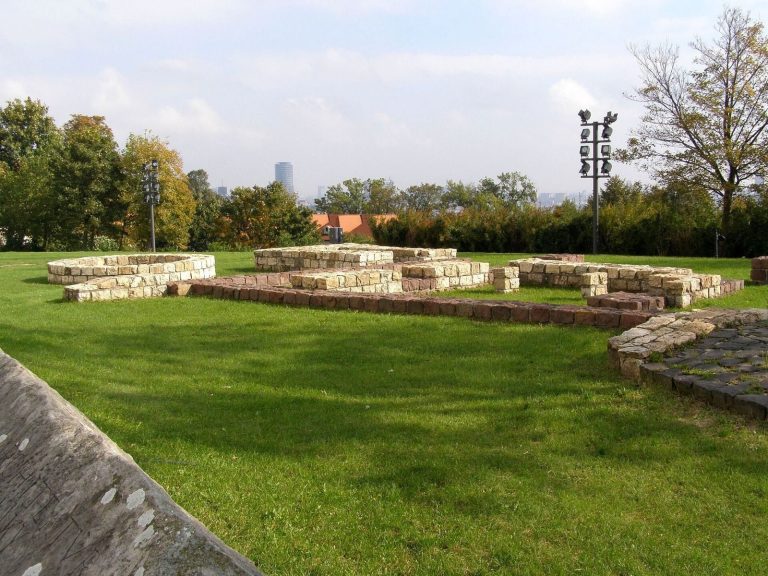
Archaeological research in the 1990s identified remains of the earlier rotunda beneath the present church. Its rebuilt form had two levels, with an underground ossuary, a place for storing human bones, on the lower level.