Conservatorio delle Mantellate: A Florentine Convent, Conservatory, and School
Site at a Glance
- Popularity
- Low
- Country
- Italy
- Primary era
- Early Modern
- Eras represented
- Early Modern
- Civilizations
- Duchy of Florence, Grand Duchy of Tuscany, Holy Roman Empire
- Site type
- Religious
- Remains
- Monastery
On this page12 sections
History
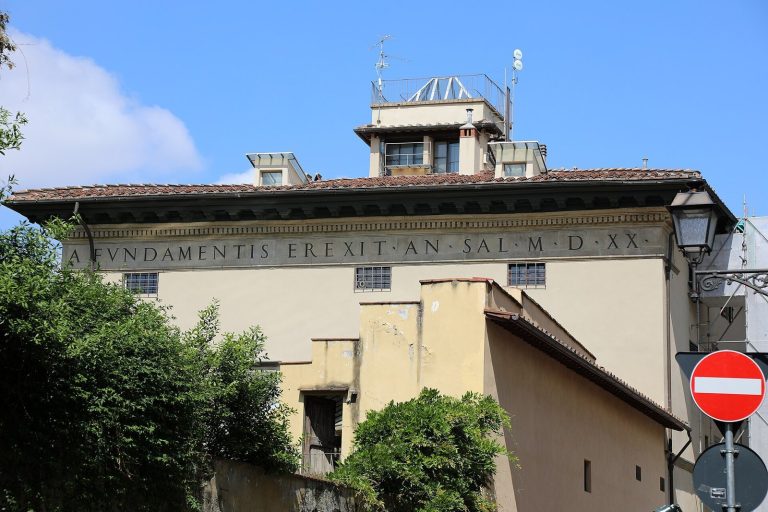
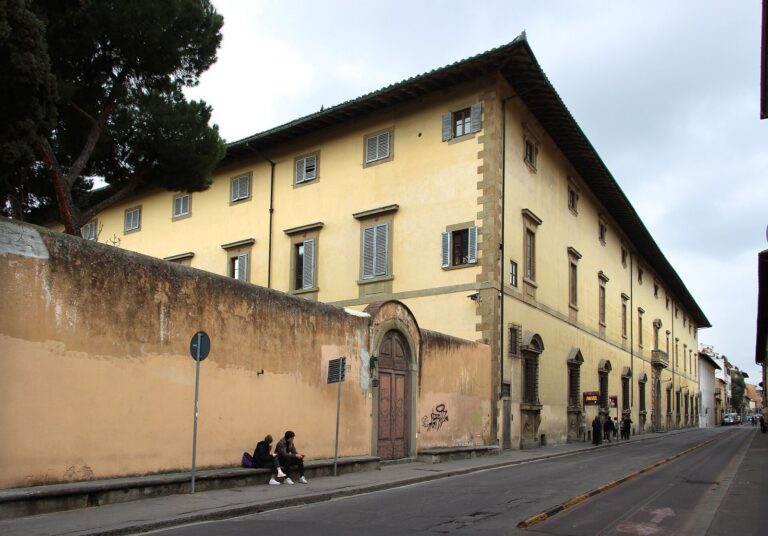
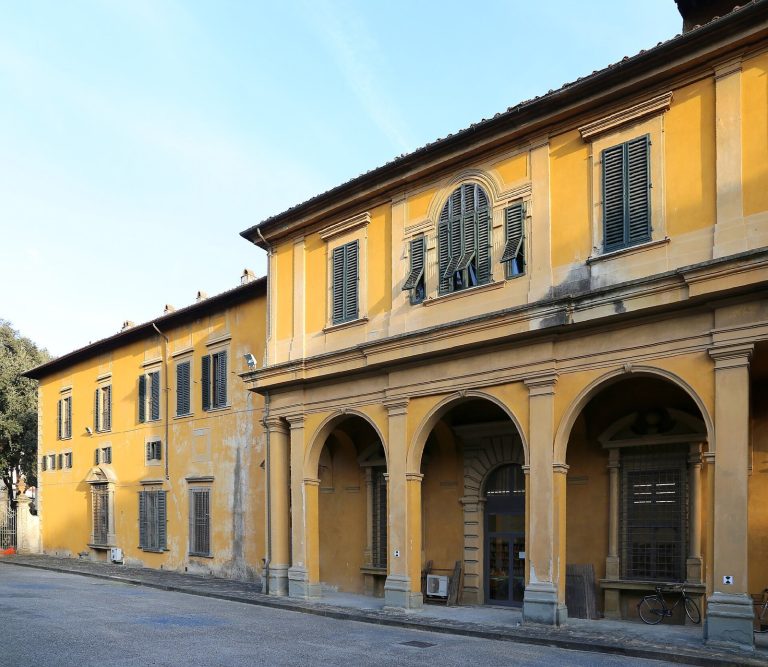
The Conservatorio delle Mantellate is a former convent and educational complex on Via San Gallo in Florence, Italy. Its history began with the Chiarito Monastery, founded in 1343 by Blessed Chiarito Del Voglia.
Chiarito Monastery and convent
Chiarito dedicated the monastery to the Queen of Heaven, a traditional title for Mary. A severe fire struck the convent in 1424. Augustinian nuns lived there from 1435 to 1453, and the community later became known for a crucifix regarded as miraculous. In 1478, Lorenzo de’ Medici, known as Lorenzo the Magnificent, credited the crucifix with helping him escape the daggers of the Pazzi conspiracy, a plot against Medici power that included attacks on Lorenzo and his brother Giuliano. Maria Maddalena of Austria, wife of Grand Duke Cosimo II de’ Medici, also credited the crucifix with her fertility.
The church was rebuilt in 1550 and reconsecrated in 1656, when work on the convent was also completed.
The conservatory and later uses
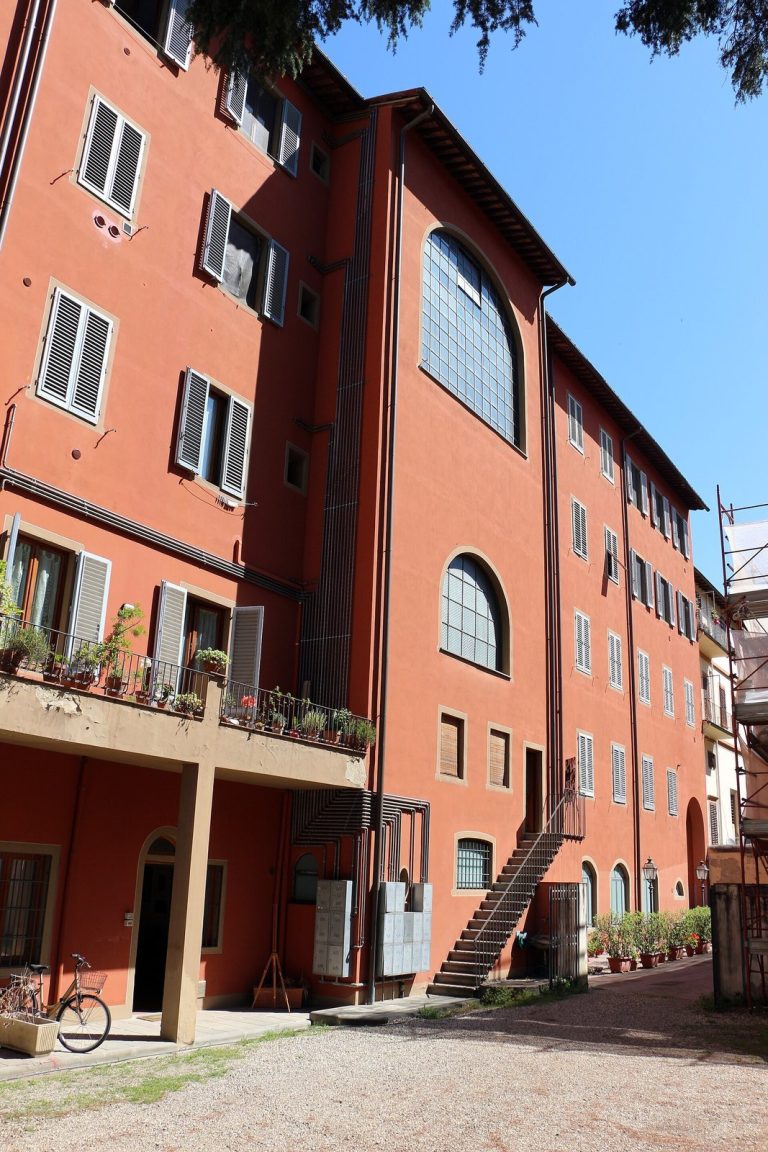
In 1785, Grand Duke Pietro Leopoldo converted the convent into a conservatory for the Mantellate Servants of Saint Mary of Saint Giuliana Falconieri, who had previously been based on Via Laura. The Conservatory was completed during the eighteenth century. It provided schooling and later operated as a classical secondary school until 1999.
A sovereign rescript dated 28 June 1822 allowed construction against the city walls on the condition that, if the property ceased to belong to the conservatory, the building would be demolished and the legally required space between it and the walls restored.
The Roman Catholic complex belongs to the Archdiocese of Florence. It now houses a women’s university residence, a private nursery and primary school, and offices for several associations.
Remains
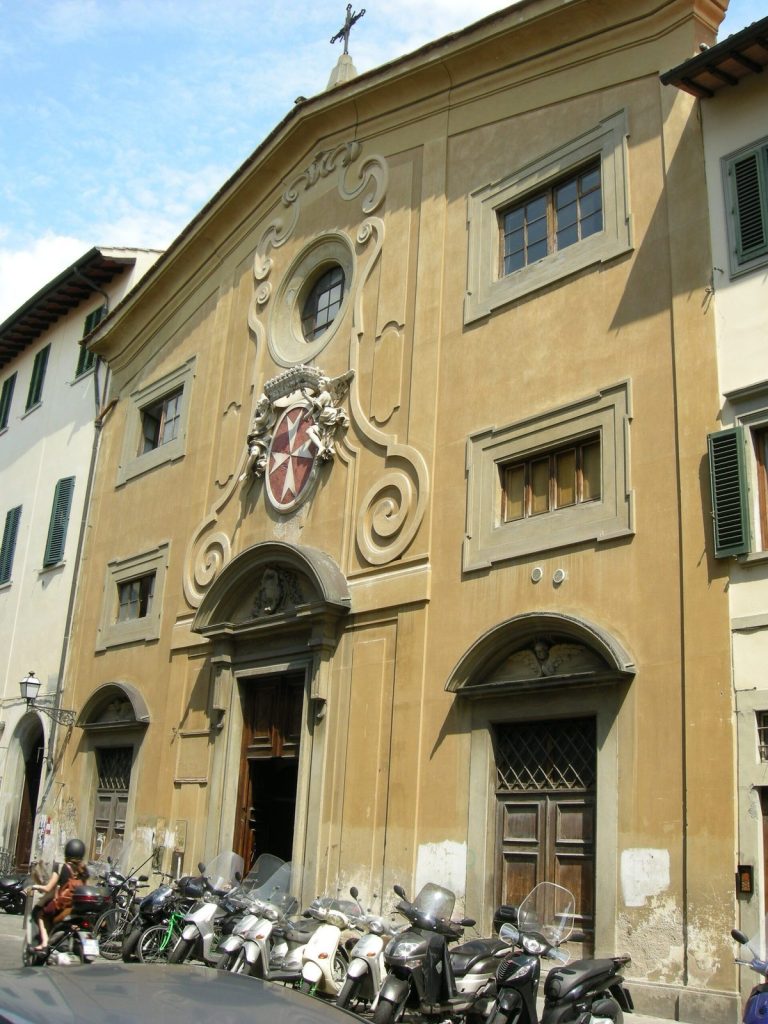
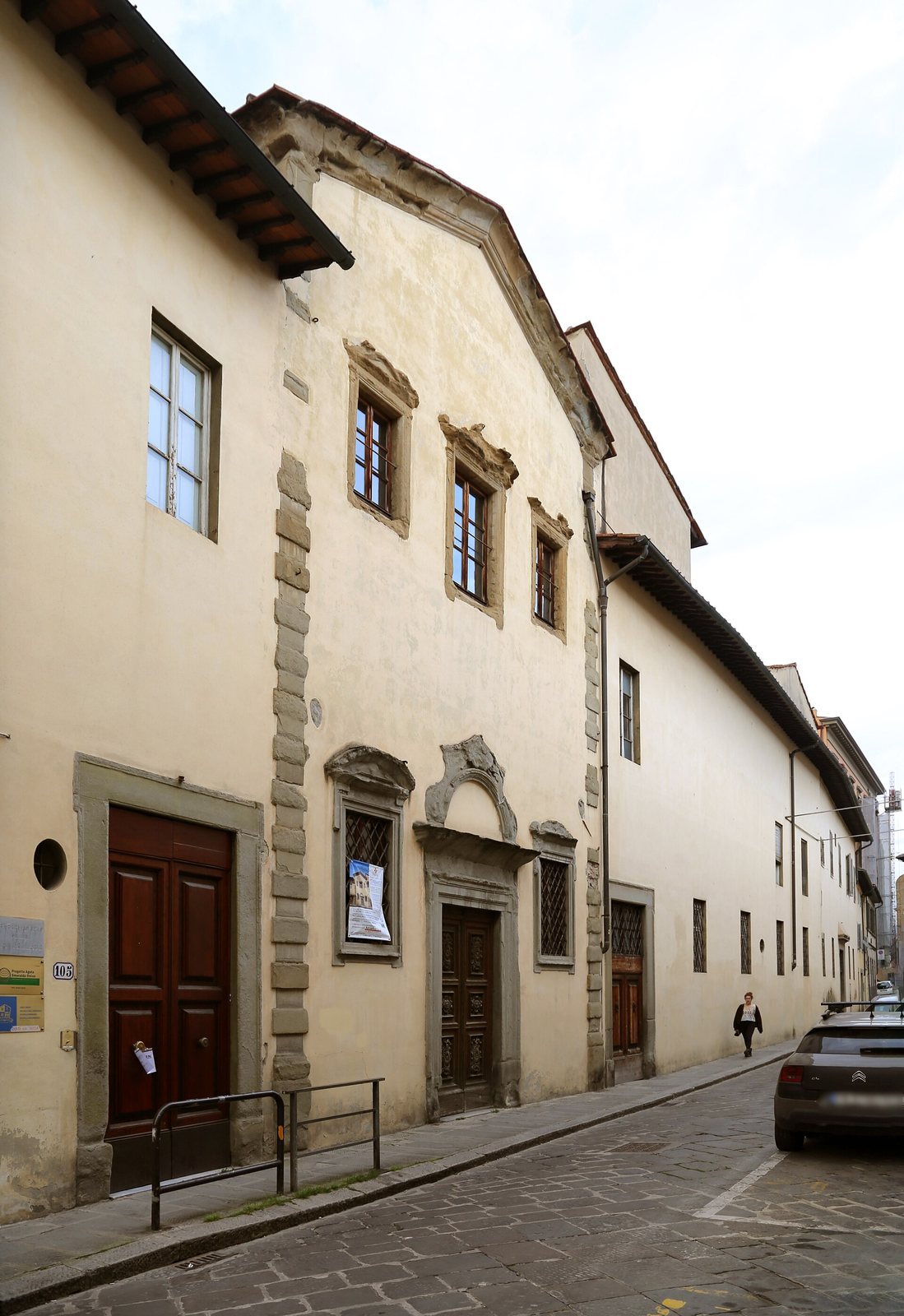
The complex stands on Via San Gallo and includes a façade with stone surrounds, a picture gallery in a hall overlooking the rear garden, a refectory, and a church. Its recorded features include painted works, vaulted interiors, altars, and furnishings from several periods.
Façade and convent interiors
Façade
The façade has surrounds made from pietra serena, a gray sandstone. The monastery’s former coat of arms showed a chalice, ears of grain, and overflowing wine, imagery associated with a vision attributed to Chiarito.
Picture gallery
The picture gallery occupies a hall overlooking the rear garden. Its seventeenth- and eighteenth-century paintings include Jacopo Ligozzi’s Martyrdom of Saint Catherine of Alexandria, Fabrizio Boschi’s Three Archangels, Francesco Curradi’s Madonna and Child with Saints, Anton Domenico Gabbiani’s Death of Saint Joseph, and Luca Giordano’s Adoration of the Magi. Works by artists whose names are unknown include Abraham and the Three Angels, in its carved wooden frame, a Madonna and Child with Saint John the Baptist, and Saint Joseph with the Christ Child.
Refectory
The refectory has vaulted ceilings with curved recesses and an anonymous fresco of the Last Supper.
Church
High altar
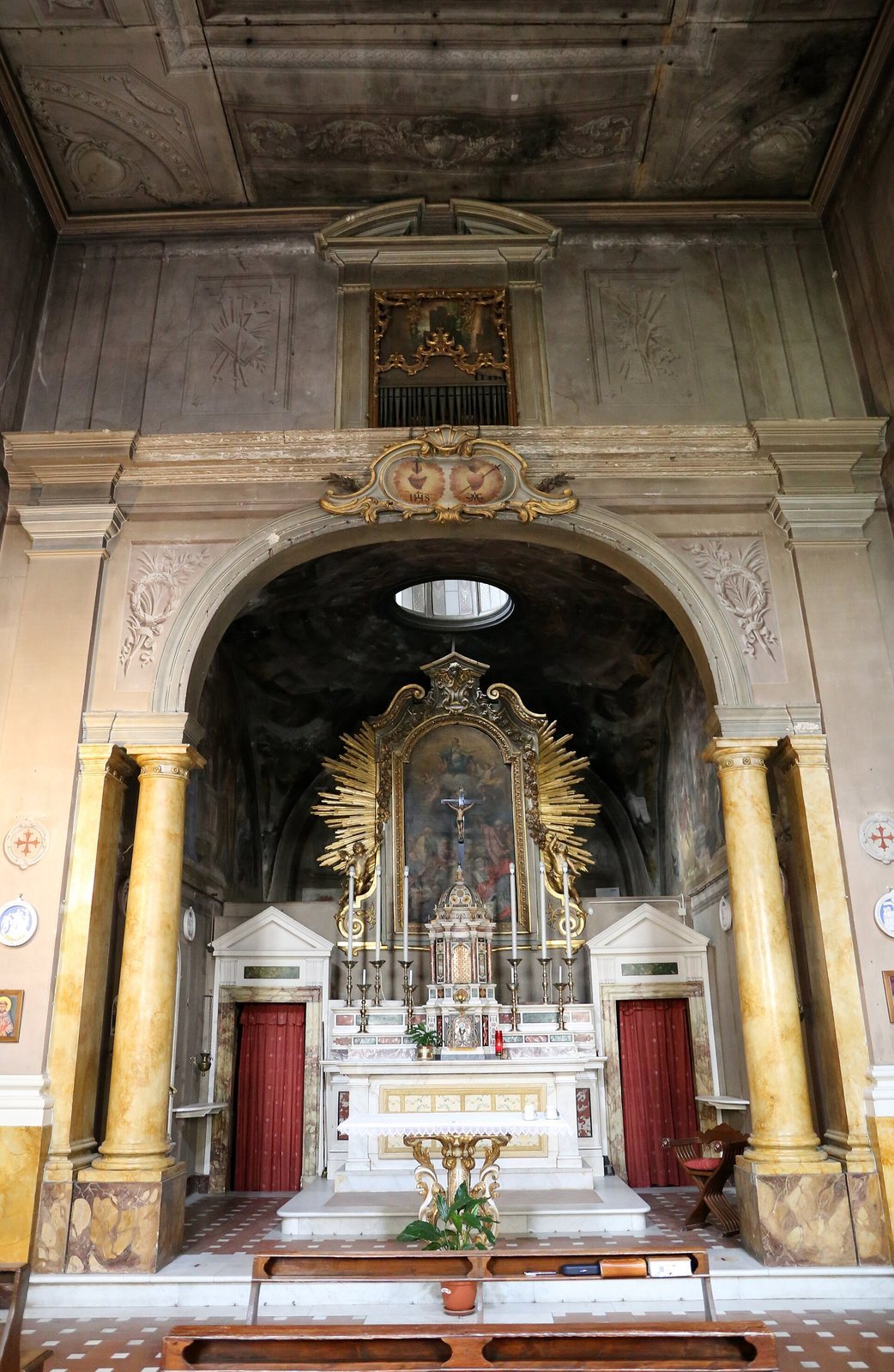
The high altar has a seventeenth-century painting of the Assumption of the Virgin, the Christian belief that Mary was taken bodily into heaven. The altar itself dates to the eighteenth century and is attributed to Bartolomeo Cennini. Its decoration uses hard-stone inlay, a technique that fits shaped pieces of colored stone together to form patterns or images. A small dome rests on eight columns at the altar’s upper end.
Side altars
One side altar holds Jacopo Vignali’s The Deposition of Jesus from the Cross with Saint Giuliana Falconieri and Saint Philip Benizi. The other has a Martyrdom of Saint Andrew, usually attributed to Giovan Camillo Sagrestani and more recently assigned to Giuseppe Moriani. It may be the painting Moriani made in 1715 for the religious association of Saint Andrew of the Wool Carders and its church.
Other furnishings
Other church furnishings include seven eighteenth-century wooden candlesticks, a twentieth-century plaster image of the Virgin Mary in a glass case, and a sixteenth-century pink-marble basin for holy water.