Tos Pelat: A Fortified Iberian Settlement in Spain
Site at a Glance
- Popularity
- Very Low
- Country
- Spain
- Primary era
- Iron Age
- Eras represented
- Iron Age
- Civilizations
- Iberian
- Site type
- Military
- Remains
- Wall
On this page8 sections
History
Edetani settlement
Tos Pelat is a fortified settlement of the Edetani, an Iberian people, located across Bétera and Moncada in Valencia, Spain. It was occupied from the sixth century BCE until about the middle of the fourth century BCE, during the Iberian period, when pre-Roman societies flourished in the eastern Iberian Peninsula. The archaeological site is also associated with the Islamic period, the era of Muslim rule in parts of the peninsula; this association is separate from the stated dates for the Iberian settlement.
Tos Pelat lies about 21 kilometres from Arse, later called Saguntum and now Sagunt, and about 20 kilometres from Edeta, now Llíria. It may have competed with these contemporary settlements. Its fortifications, chronology, setting and size have led to its description as potentially city-like, and as unique in Valencia province. The settlement seems to have been left peacefully.
Discovery and protection
Valencian archaeologist Joan Josep Senent Ibáñez discovered Tos Pelat in 1920. Historian Nicolau-Primitiu Gómez i Serrano made the first reference to the site that year and is also associated with its discovery. In recent years, excavation, study, consolidation and public outreach have continued. Five campaigns had been completed under municipal archaeologist Josep Maria Burriel and University of Valencia professor Xelo Mata.
Spain declared Tos Pelat an Asset of Cultural Interest in 1998, in the Monument category. A resolution in 2005 began proceedings to define a protection zone around the site, with a related registry entry dated 5 July that year.
Remains
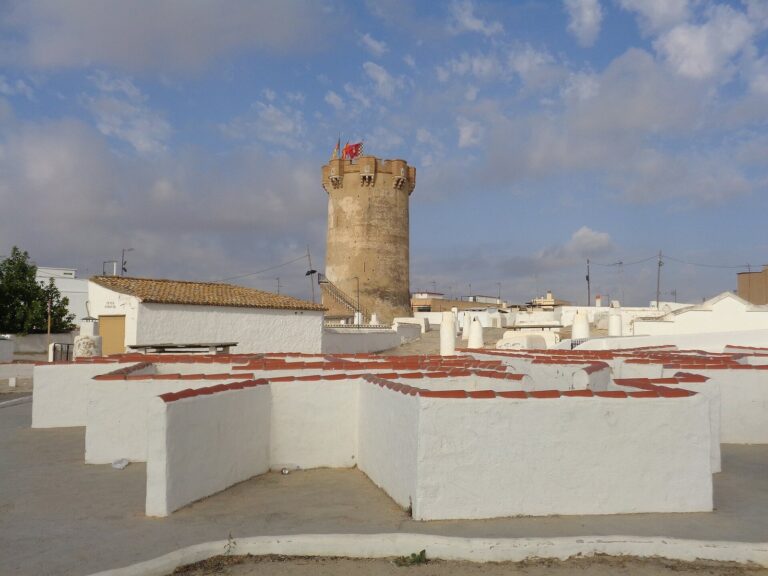
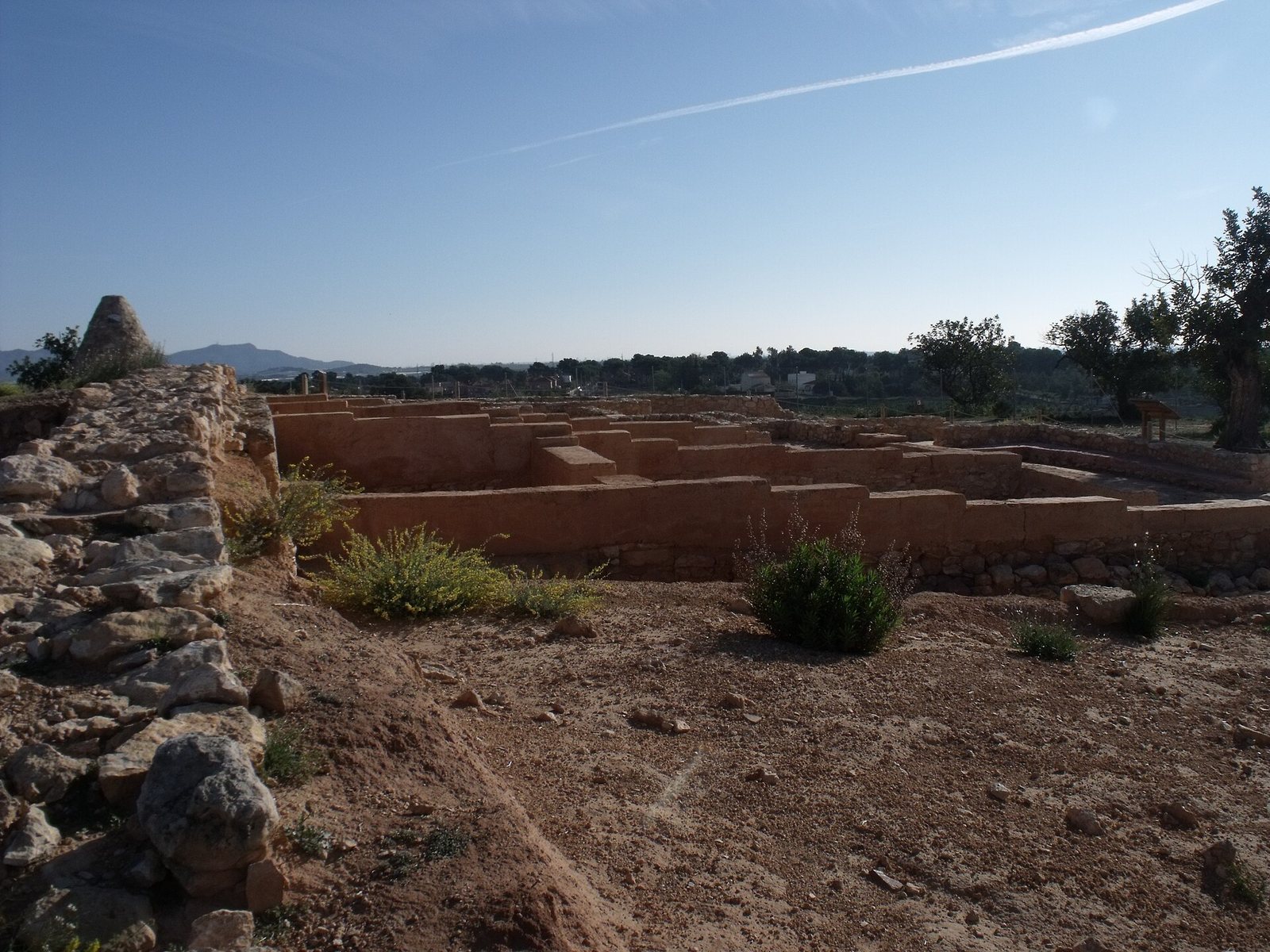
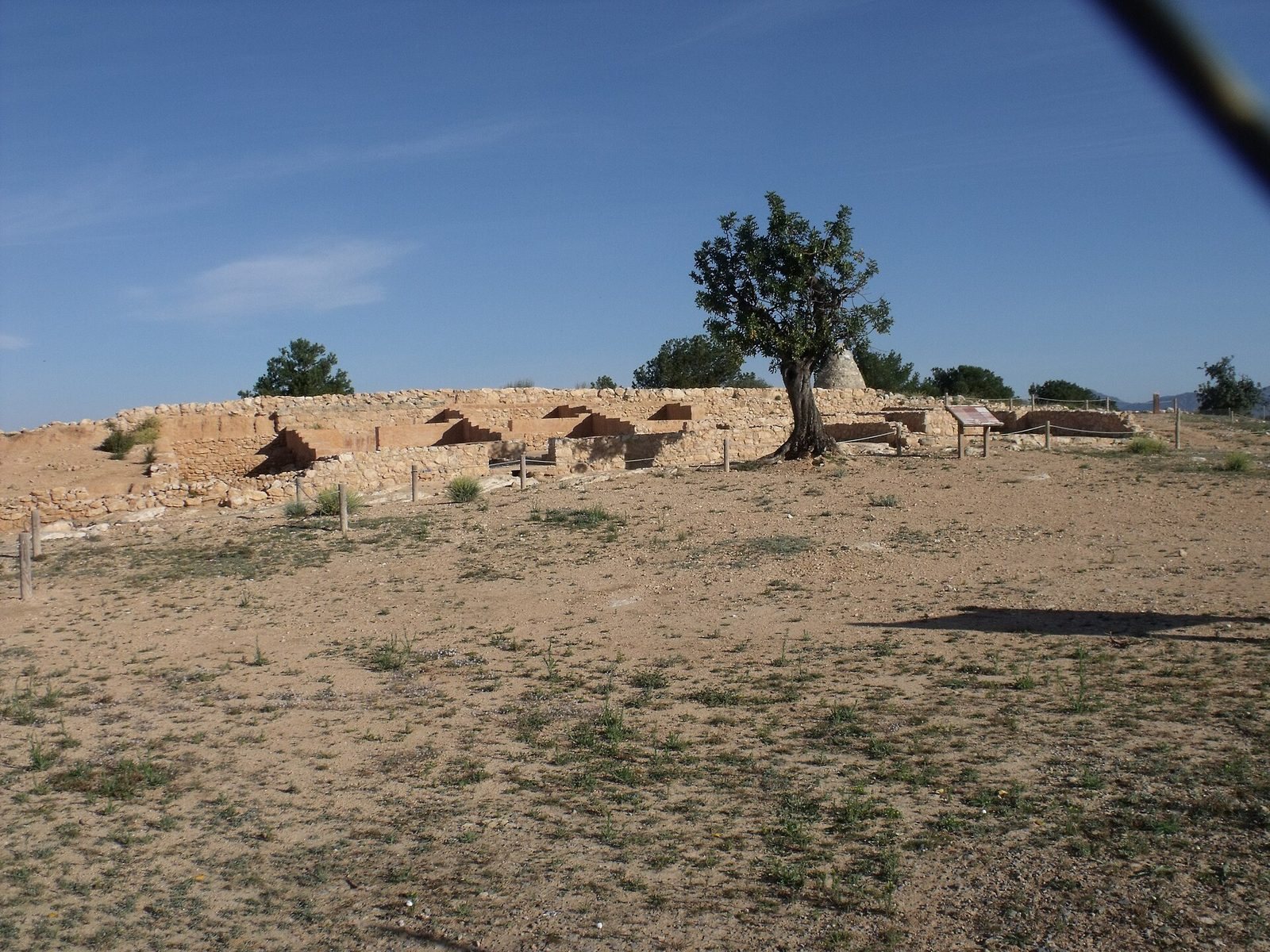
The archaeological site covers about two hectares along the boundary between Bétera and Moncada, although its original extent may have been greater. Its remains include a defensive enclosure and substantial domestic buildings. Quarries dating to the seventeenth and eighteenth centuries also survive nearby; botanist Cavanilles mentioned them in connection with Tos Pelat.
Defensive enclosure
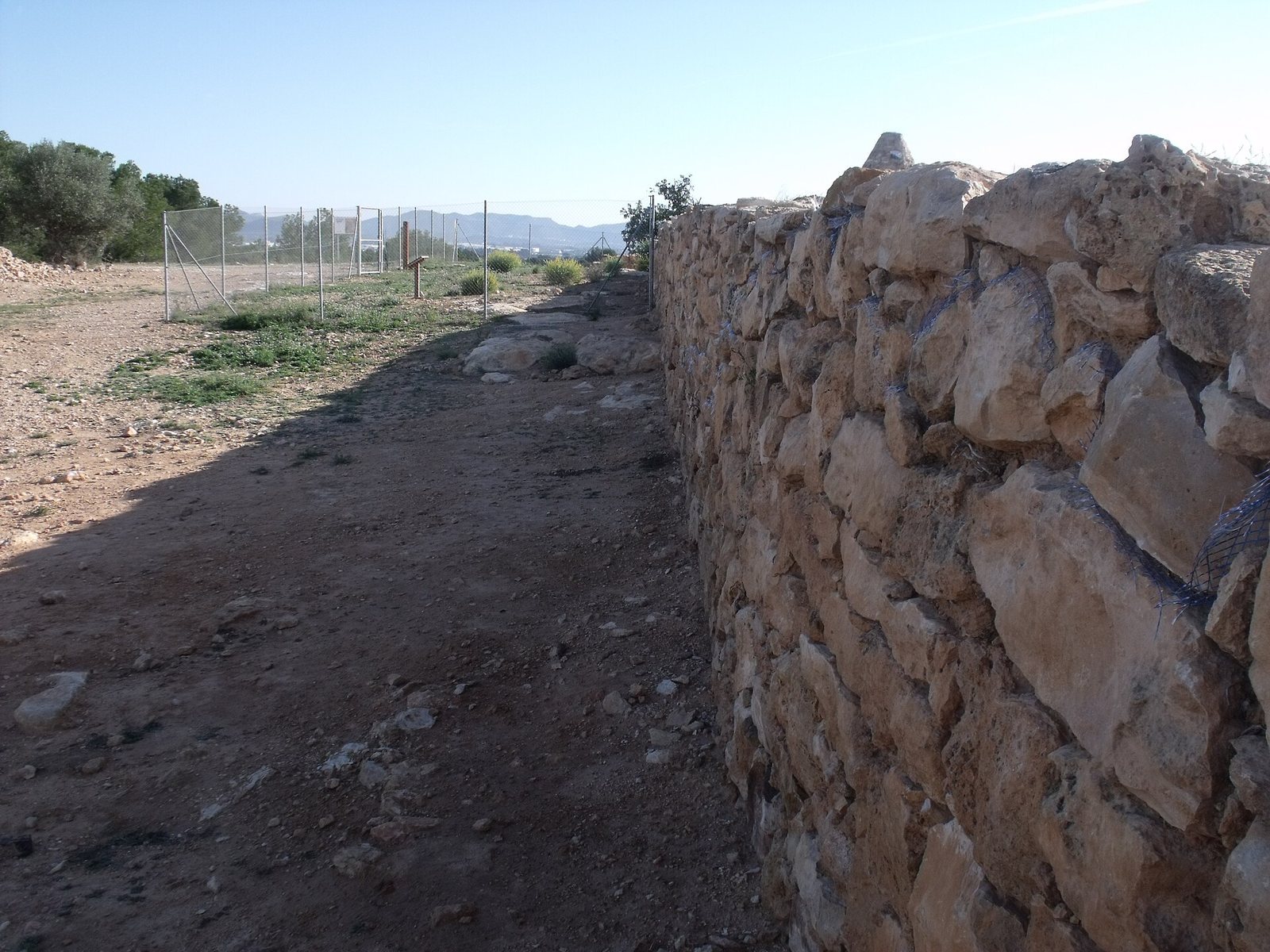
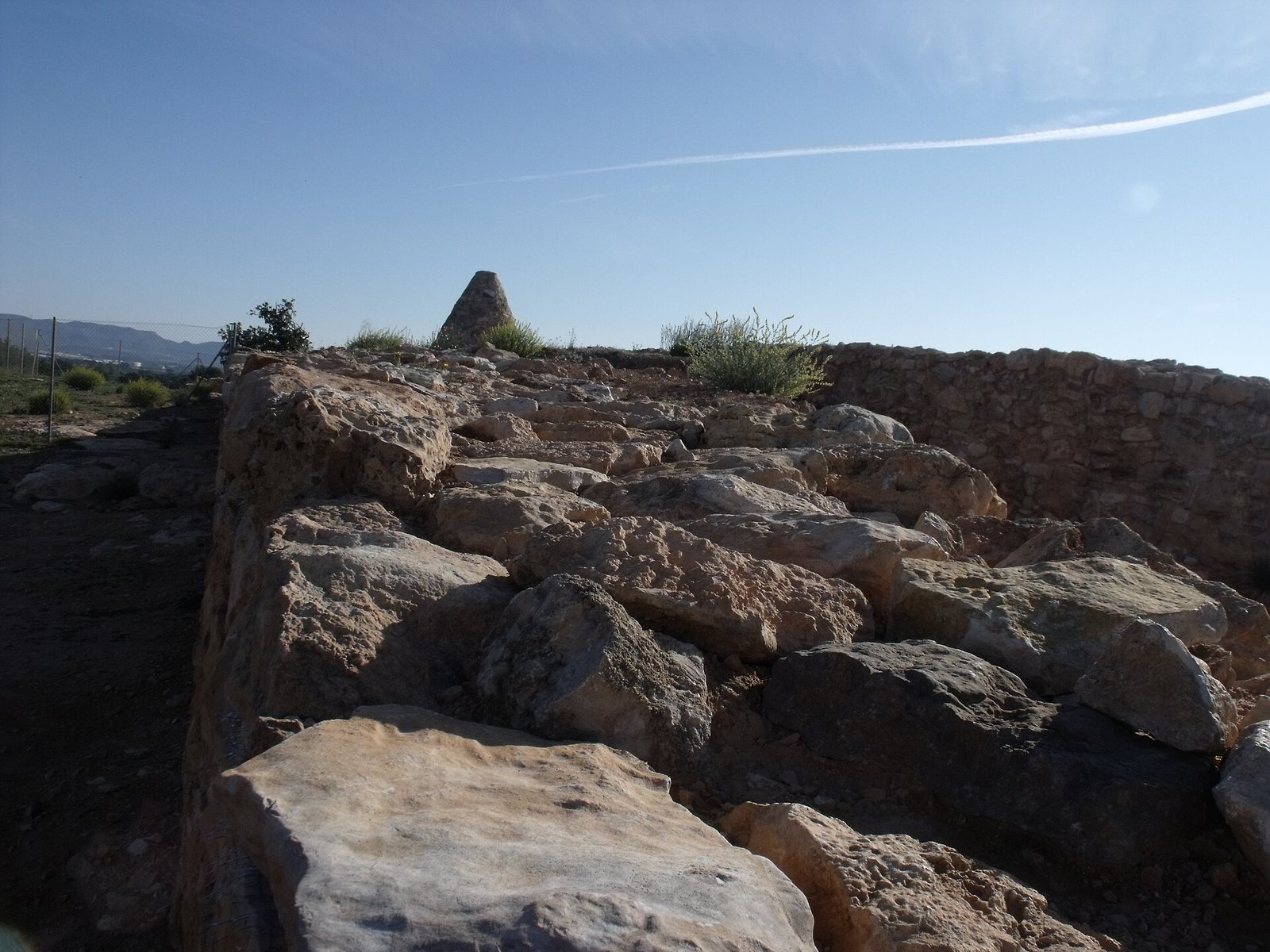
The settlement’s defenses included a substantial wall reinforced by towers at selected points, with at least two towers strengthening the enclosure. The surviving northwestern stretch runs for more than 120 metres in an almost straight line. About 32 metres, including one tower, have been excavated. The wall stands an average of 2.5 metres high; its width reaches about 4 metres at the southwestern end and exceeds 6 metres at the northeastern end. Two construction phases lie one above the other. A stone base supported upper courses of sun-dried brick. The first section probably reached about 3 metres, while a further brick-built section above it brought the total height to more than 6 metres.
Domestic remains and finds
Houses
Excavations uncovered two complex houses, each covering more than 100 square metres and divided into several rooms. Their surviving walls average about a metre high and combine a stone base with upper courses of sun-dried brick. Blue, white and red wall paintings were found among the building remains. The houses’ size and painted decoration have been taken to indicate a high standard of living.
Lead signary and other finds
In 2003, excavators found fragments of a northeastern Iberian signary, an inventory of signs in a script, in a domestic context from the settlement’s final phase. The fragments are on two distinctively shaped lead sheets, one rolled inside the other. They use the Iberian dual system, which paired variants of certain signs to distinguish sounds. Metal objects from Tos Pelat are exhibited at the Archaeological Museum of Moncada.