Polsingen Castle: A Moated Residence in Germany
Site at a Glance
- Popularity
- Low
- Country
- Germany
- Primary era
- Early Modern
- Eras represented
- Early Modern, Modern
- Civilizations
- Holy Roman Empire, Kingdom of Bavaria
- Site type
- Military
- Remains
- Castle
On this page4 sections
History
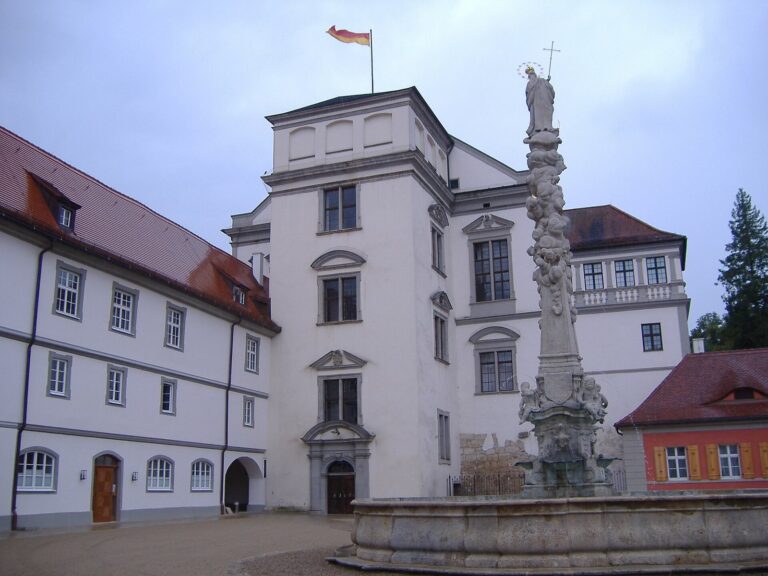
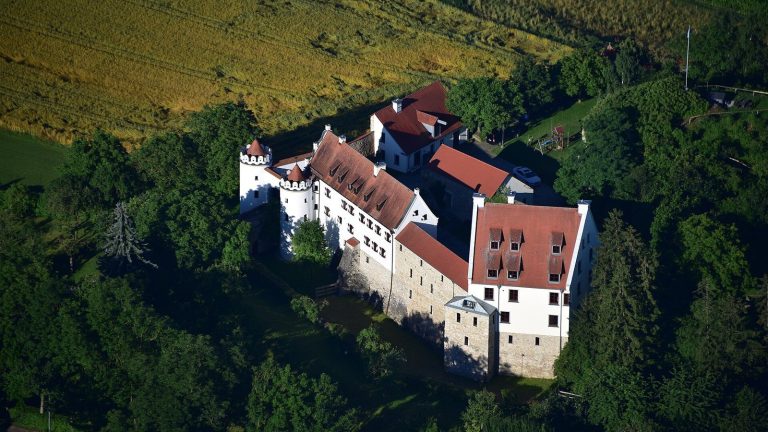
Polsingen Castle is a moated residence in Germany, built by the Lords of See. In 1517–1518, Margrave Casimir of Brandenburg-Kulmbach, a Hohenzollern prince, purchased it, transferring ownership to the margraves, Brandenburg’s ruling princes. Hans Sigismund von Wöllwarth, a member of a Swabian noble family, acquired the castle in 1580. His family held it until 1857, when Wilhelm Löhe bought it. Löhe was a Lutheran pastor and theologian associated with the development of the Christian social-care institution at Neuendettelsau.
From 1865, the castle served as an institutional building. It now belongs to Diakonie Neuendettelsau, a Protestant welfare institution devoted to Christian social and charitable work.
Remains
Site layout and defenses
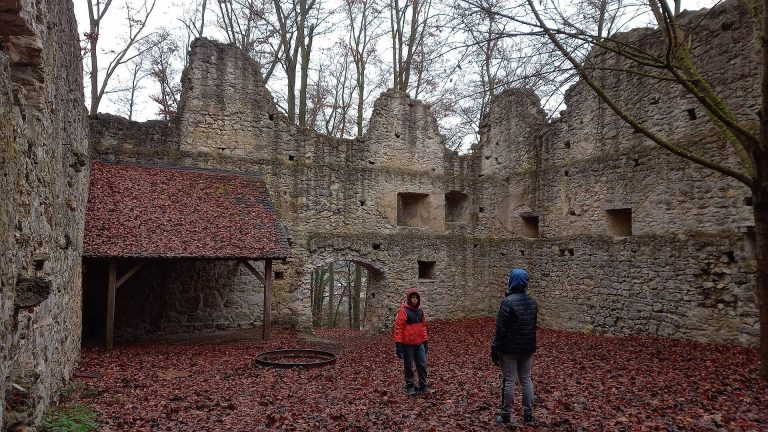
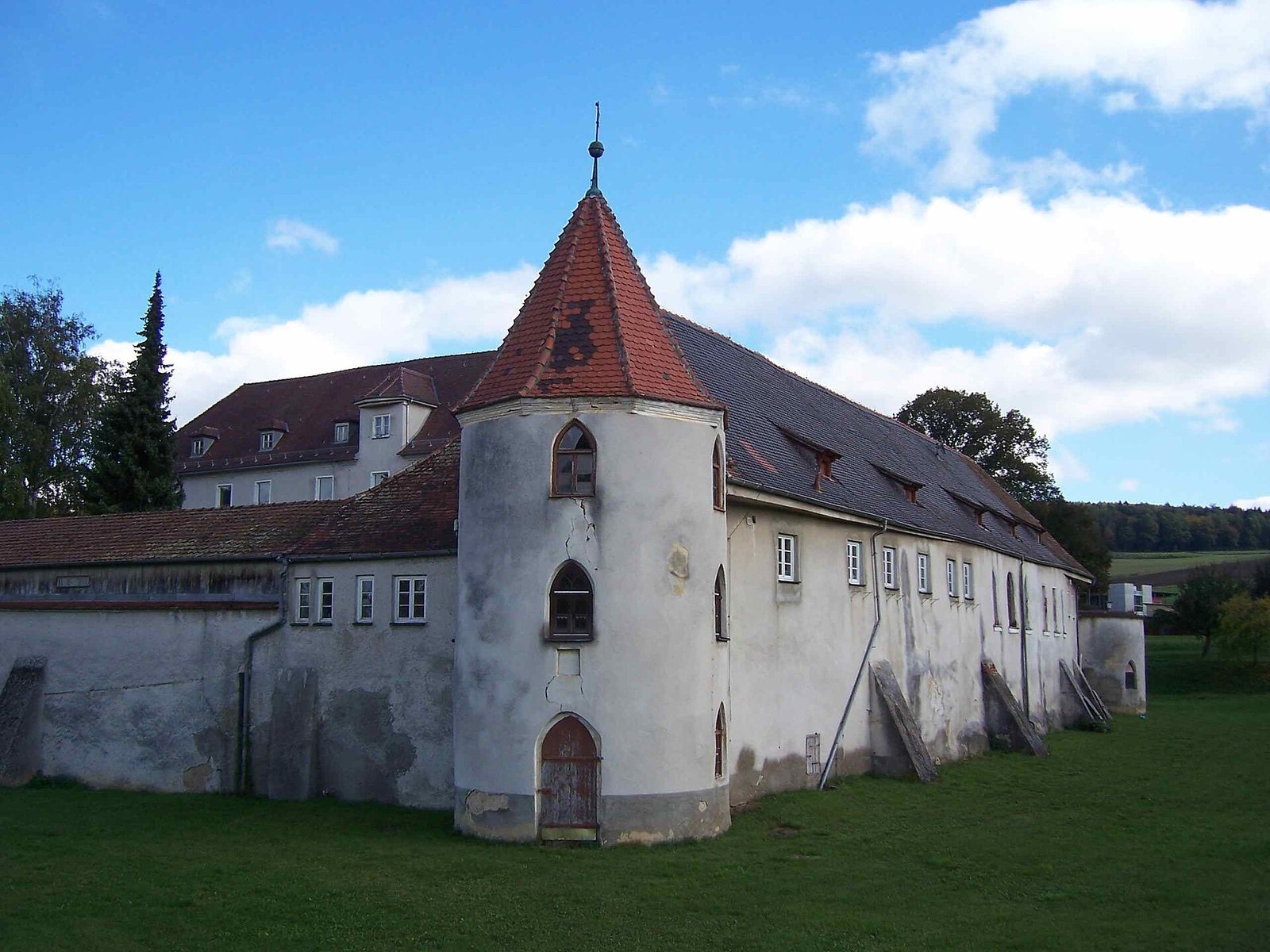
The complex lies east of Polsingen’s center, at an elevation of 447 metres above sea level. A rectangular moat surrounds an enclosing wall with round towers. The four corner towers and defensive wall date to the 16th century; the rear towers survive only in fragments.
Main building and later features
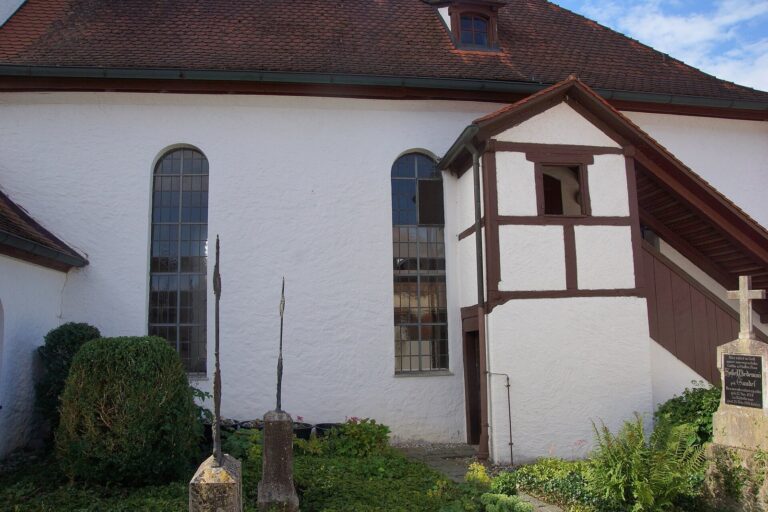
The three-storey main building has a hipped roof and probably dates to the mid-17th century. An iron garden fountain was made in 1858. In the late 19th century, a palace chapel was established inside a stable dating to the 17th or 18th century.