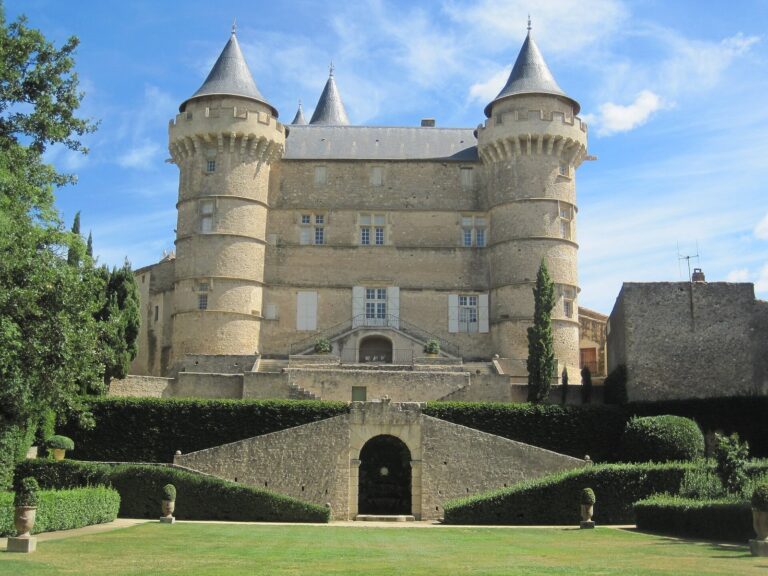
Castle of Cabrières: A Feudal Fortress in France
Site at a Glance
- Popularity
- Low
- Country
- France
- Primary era
- Unclassified
- Eras represented
- Unclassified
- Civilizations
- Unclassified
- Site type
- Military
- Remains
- Castle
On this page5 sections
History
Origins and early history
The Castle of Cabrières is a feudal fortress at Château de Cabrières in Compeyre, France. Its origins are attributed to the Visigothic kingdom, a post-Roman kingdom that ruled parts of southwestern Europe. The Visigothic kingdom initially owned the fortress and used it for defense. Construction of the castle was completed around the eleventh century, before the First Crusade, a military expedition to the eastern Mediterranean that began in 1096.
Gregory of Tours, a sixth-century bishop and historian, mentions Cabrières in his History of the Franks. He recounts that Thibert, generally identified as Theudebert I, a Merovingian Frankish king, threatened to burn the castle and take its inhabitants captive unless they submitted. Deutérie, a married woman of standing, sent messengers to accept his authority. Thibert was then received peacefully and caused no harm. Gregory also relates that Thibert became enamored of Deutérie and took her to his bed.
The Hundred Years’ War
During the Hundred Years’ War, the prolonged conflict between England and France conventionally dated from 1337 to 1453, mercenary bands occupied the castle. They raided and extorted communities in the Hérault and Lergue valleys in the Lodève region, along a route toward Rouergue. Communities in the Hérault valley paid a substantial indemnity to secure the bands’ departure.
Restoration and archaeological work
The castle was completely restored in 1895. Archaeological excavations followed from 1986 to 1991, conducted by the Clermontais Research and Studies Group under the direction of Laurent Schneider.
Remains
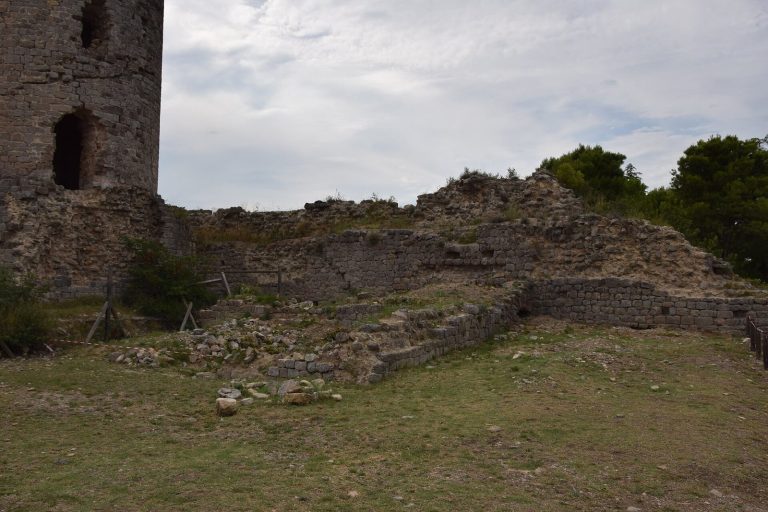
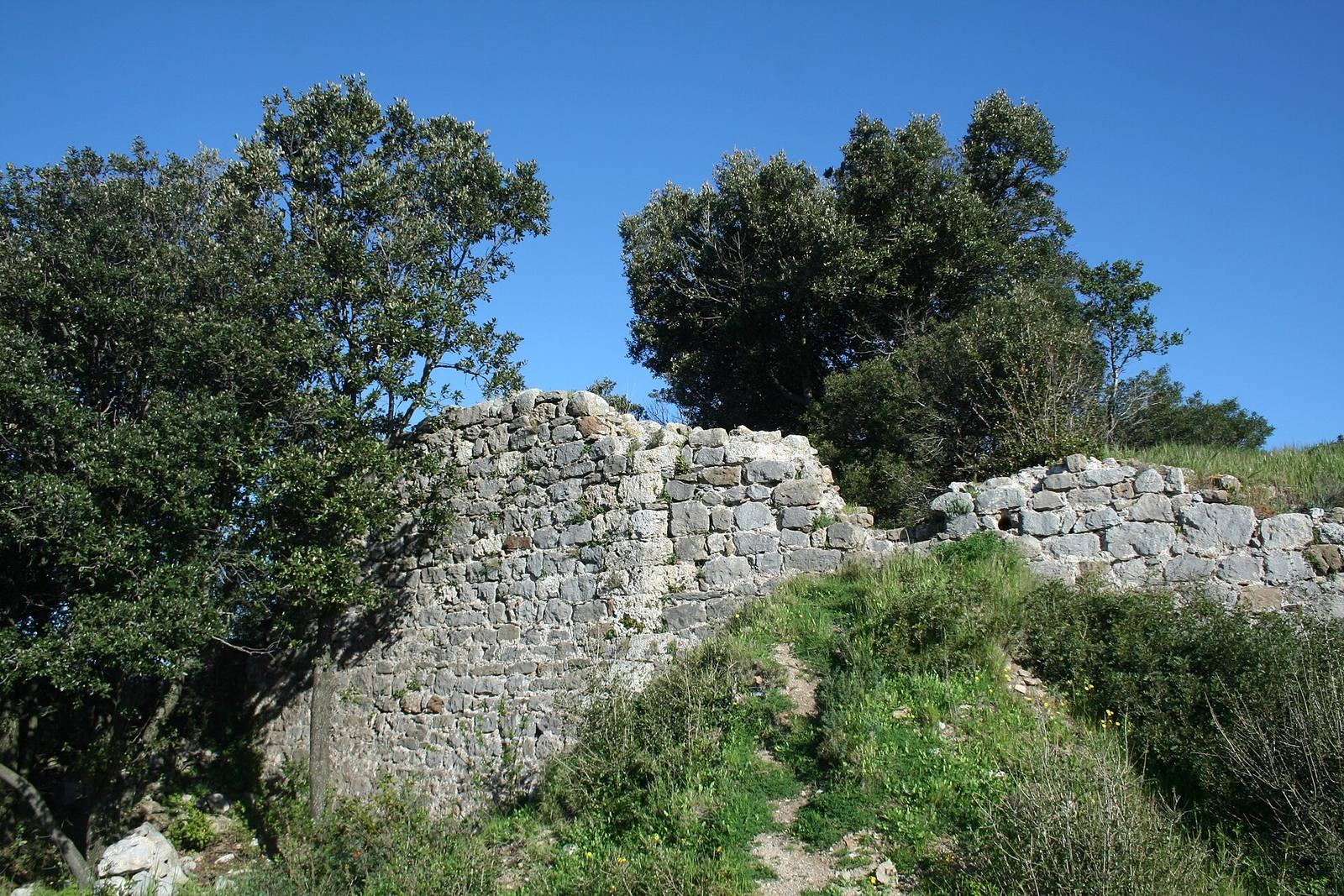
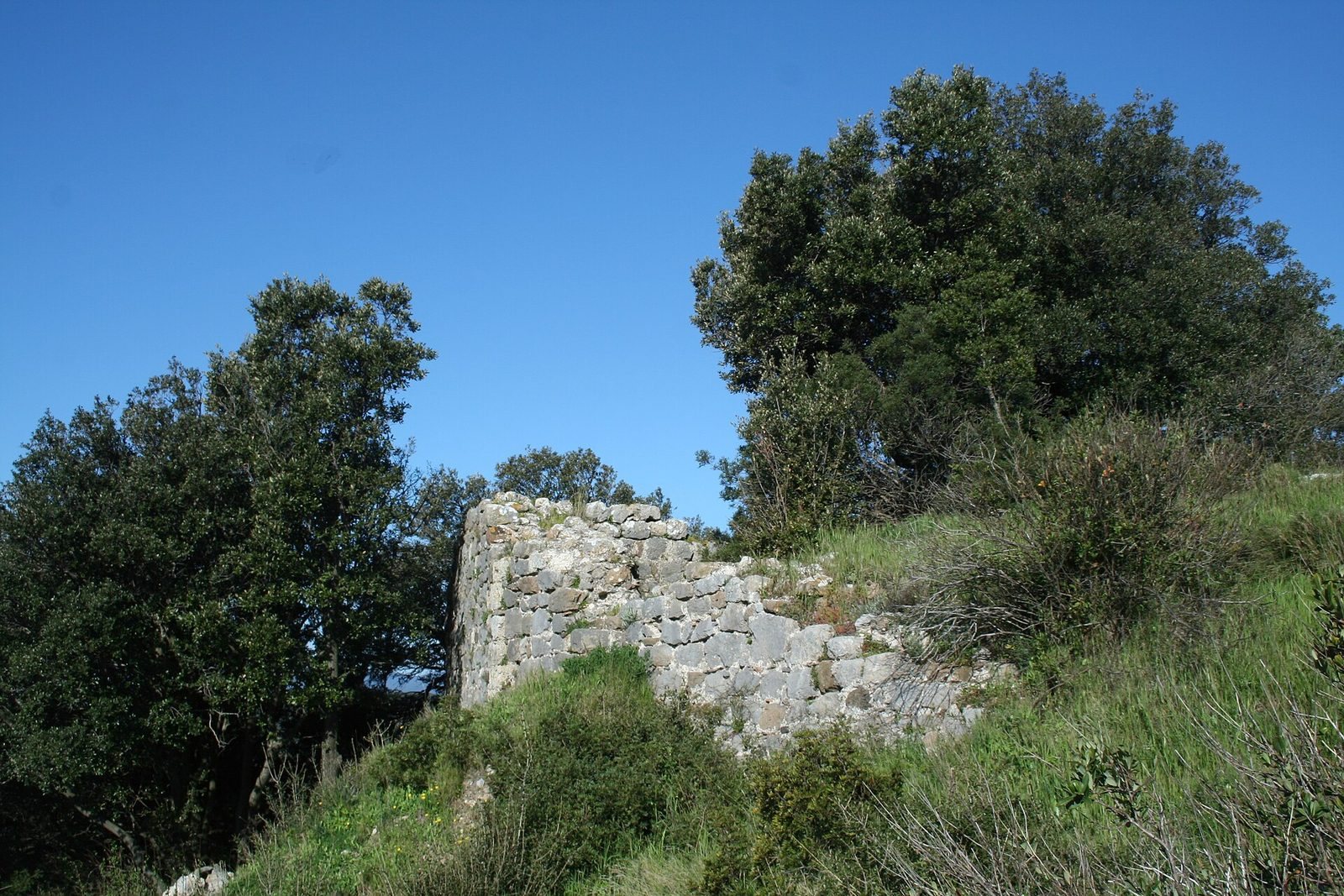
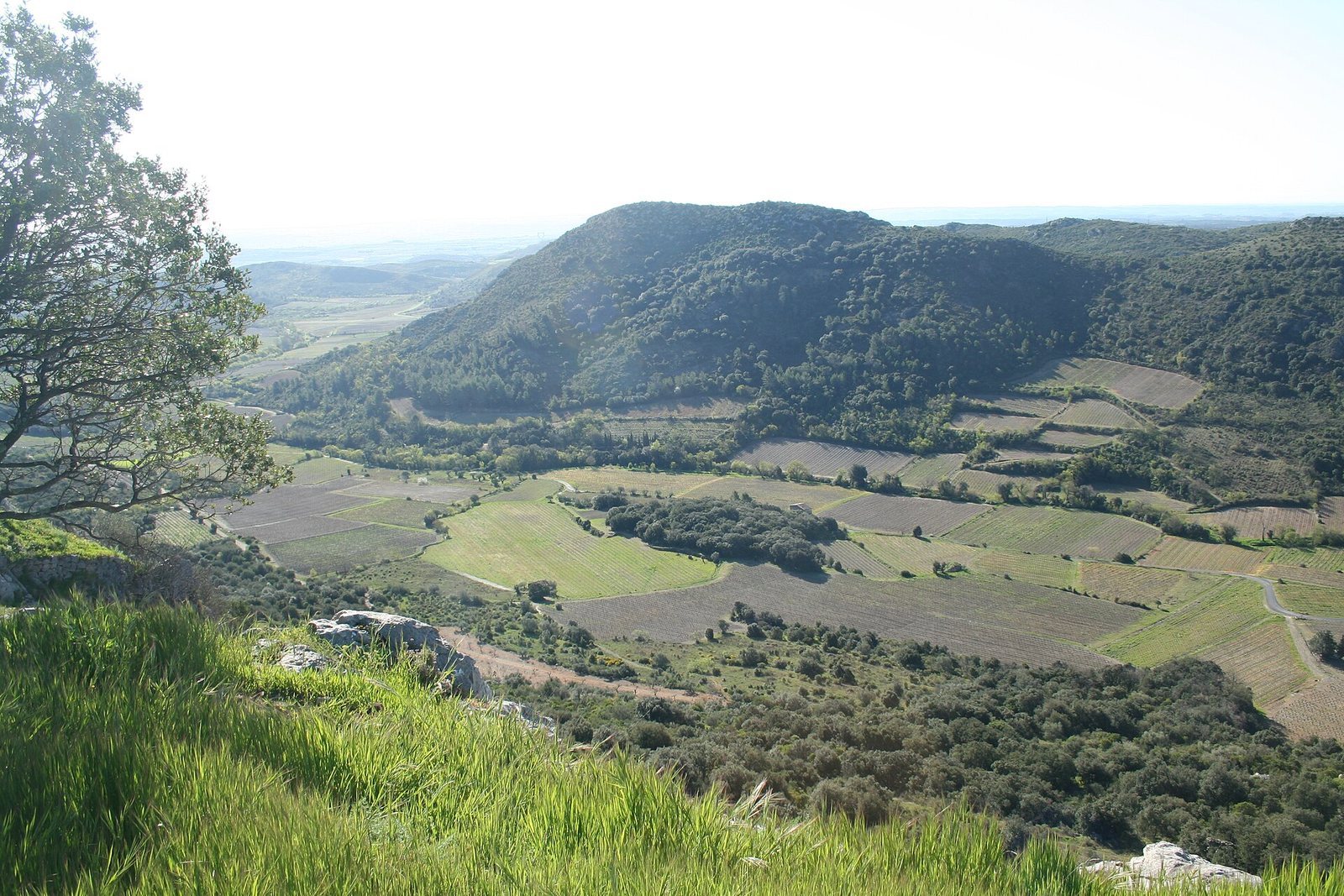
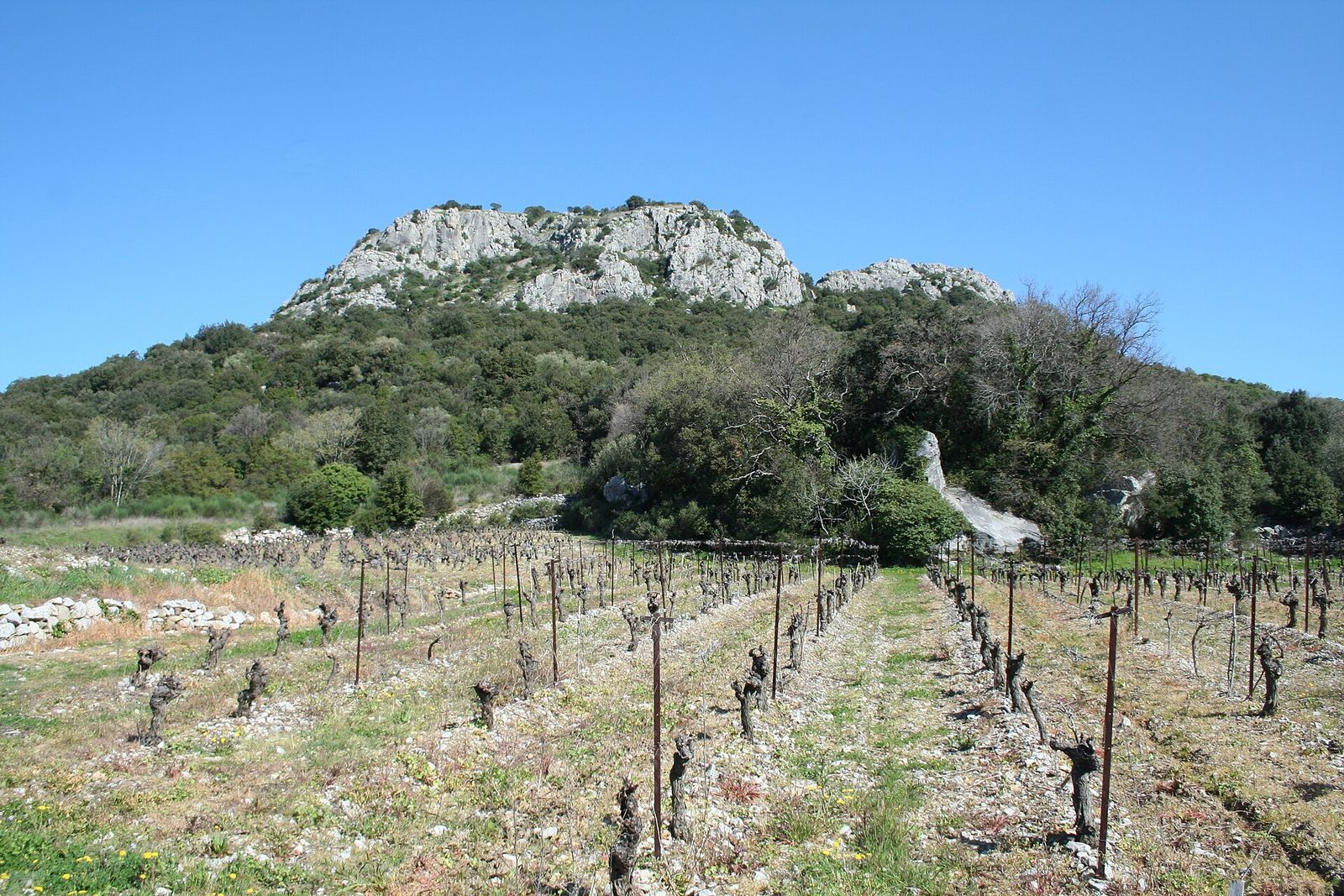
The castle was a feudal fortified complex overlooking the old village, which stood at its foot. Almost the entire complex has disappeared, and only very limited remains survive.