Vestre Moland Church: A Medieval Parish Church in Norway
Site at a Glance
- Popularity
- Low
- Country
- Norway
- Primary era
- Medieval
- Eras represented
- Medieval, Early Modern, Modern
- Civilizations
- Denmark–Norway, Norwegian
- Site type
- Religious
- Remains
- Church
On this page13 sections
History
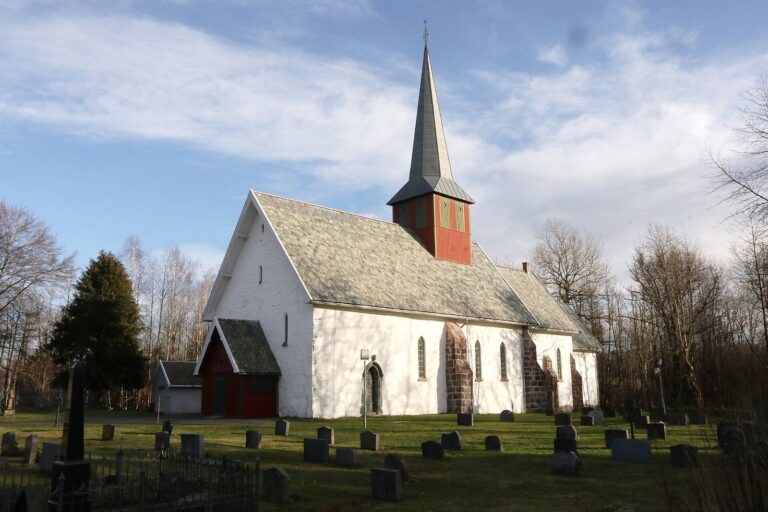
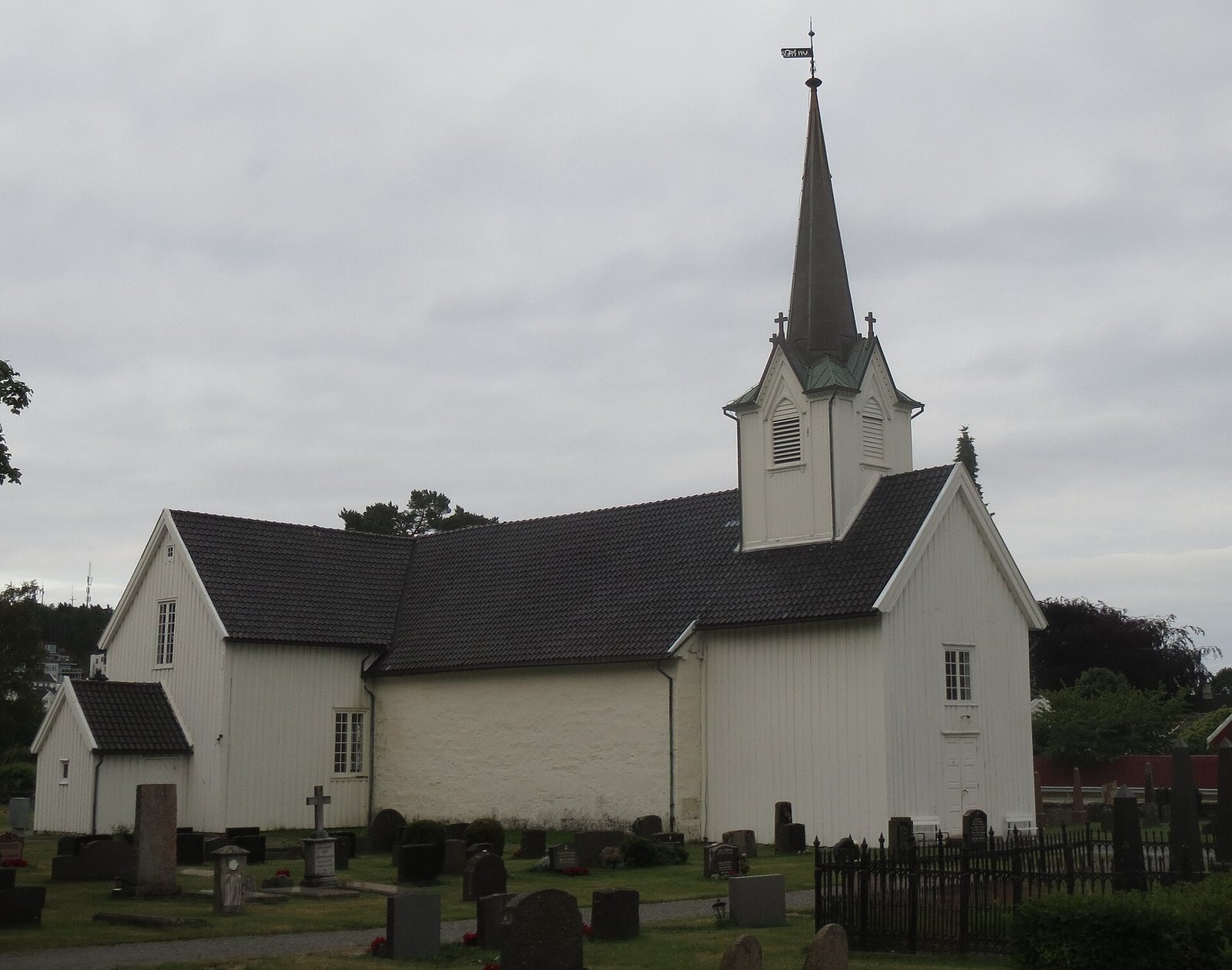
Vestre Moland Church is a parish church in Møglestu, just outside Lillesand, Norway. Probably built around 1150, it began as a medieval stone church and now serves as an active parish of the Church of Norway, an Evangelical Lutheran church within the Protestant tradition that developed from the Reformation.
Medieval origins
The earliest known written reference to the parish is in a formal document dated 13 December 1347, which names it Modgulandar kirkiu sokn. The church was formerly Catholic. It now belongs to Lillesand parish, within the Vest-Nedenes deanery and the Diocese of Agder og Telemark.
Expansion and rebuilding
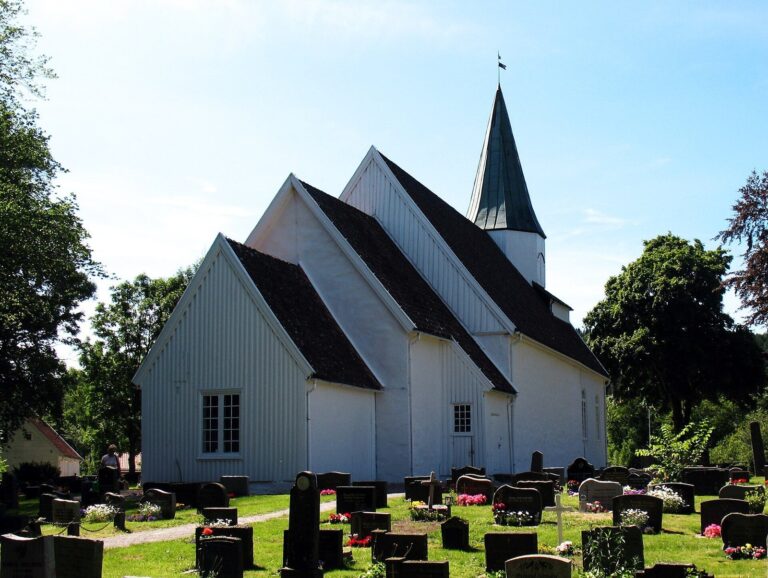
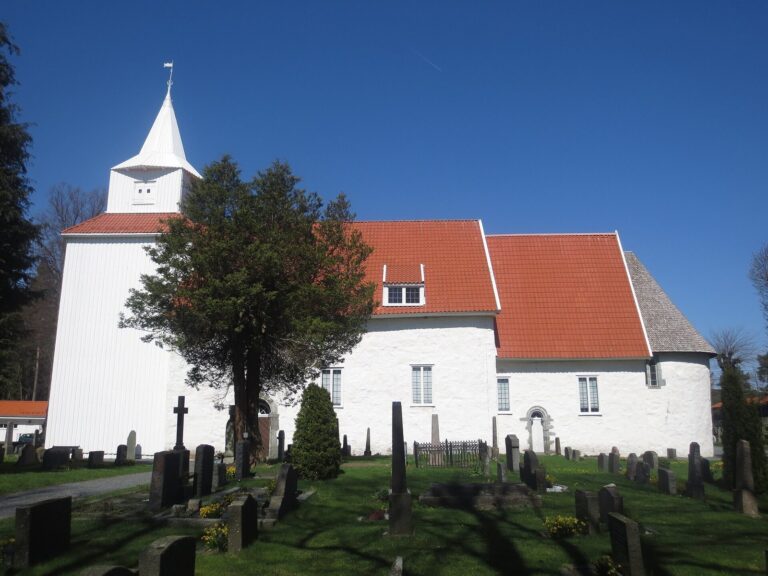
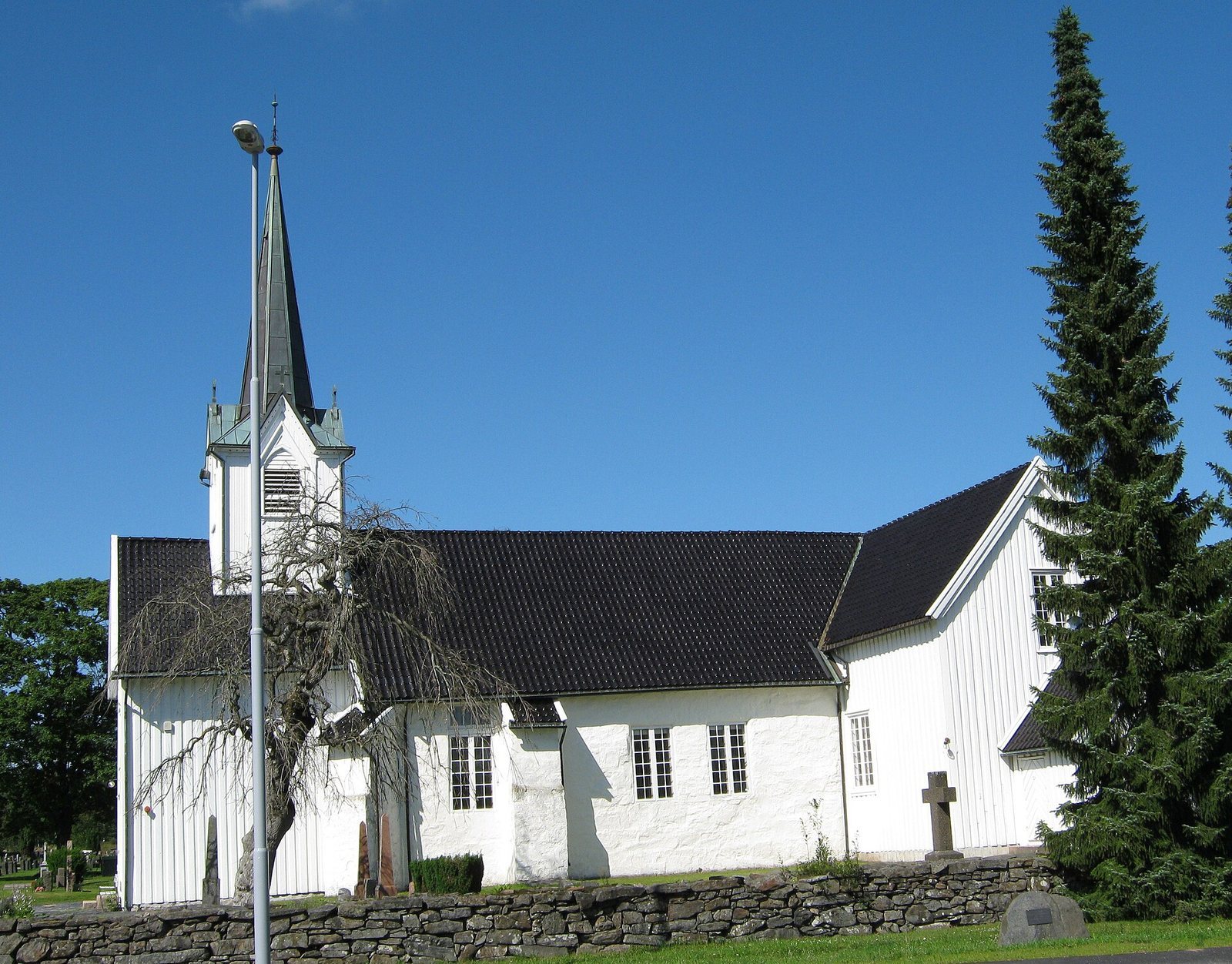
The medieval church grew over time, with a small choir and a tower added. A sacristy, a room for storing church furnishings and preparing clergy for services, was built in 1742. In 1797–98, builders demolished the eastern part of the old stone church and added a timber-framed extension, giving the building a cross-shaped plan.
The 1814 elections
In 1814, the church served as a polling place in Norway’s first national elections for the Constituent Assembly, the body that drafted the Norwegian Constitution. Each parish formed an electoral constituency. Voters selected electors, who then met by county to choose representatives to the assembly at Eidsvoll Manor.
Tower and restoration
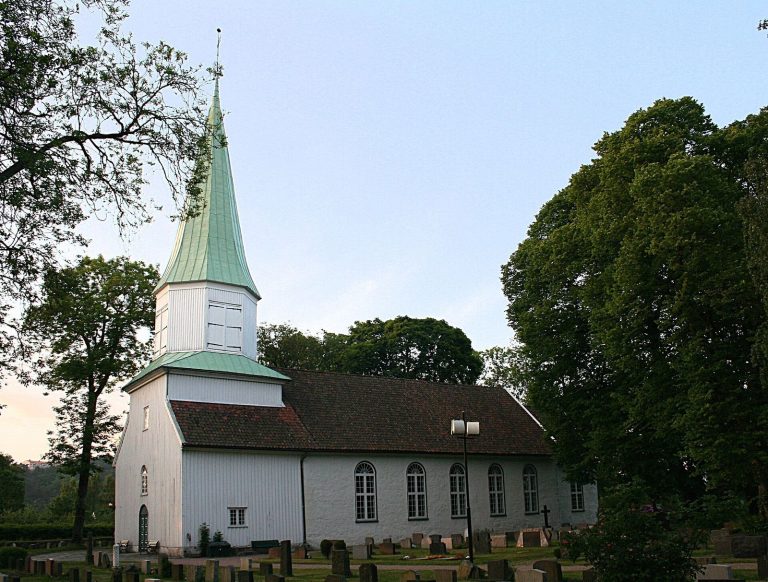
A new tower was built in 1898 and restored in 1900. The church underwent further restoration in the mid-1960s and again in 1978. It is automatically protected as a Norwegian cultural heritage site.
Remains
Plan and construction
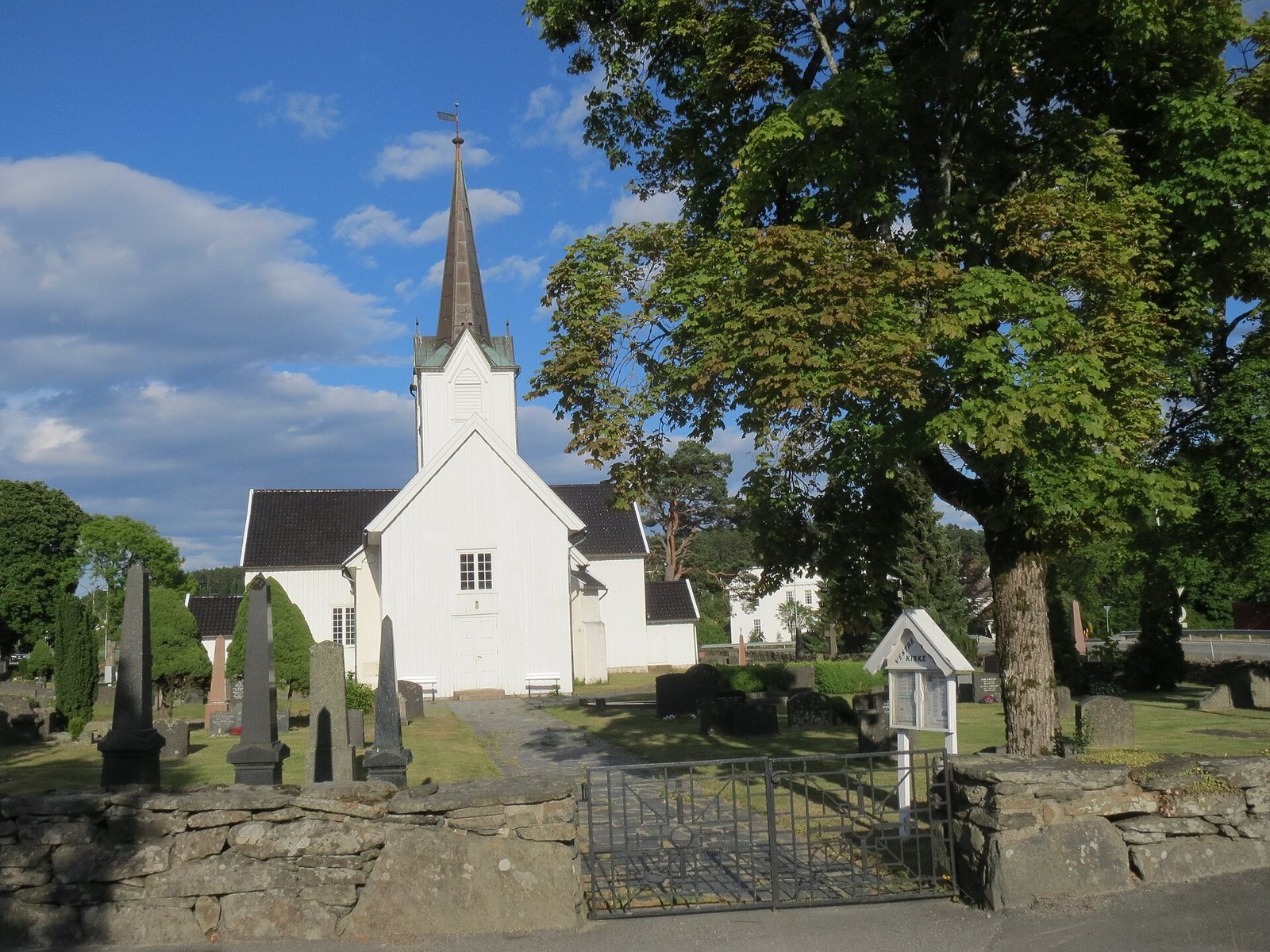
The church has a cross-shaped plan and seats about 350 people. Its medieval stone section forms the western arm of the building, with walls about one metre thick. Later timber-framed sections form the other arms. A tower in a revival of medieval Gothic design rises above the entrance porch.
Interior furnishings
Altarpiece and pulpit
The altarpiece includes a painting dating to around 1630 by the German painter Gottfried Hendtzschel. The pulpit, made in 1660, bears images of the Evangelists.
Bells
The church has two bells. The older is more than 800 years old. The other dates to the 17th century and was recast in 1766.
Baptismal font
A stone baptismal font dating to 1818 stands in the church.
Organs
An organ purchased in 1884 cost 300 speciedaler, a historical Norwegian currency unit. It served for 44 years before it was judged unusable and replaced. Schoolteacher Gunder Aadnesen was then appointed organist, with an annual salary of 34 speciedaler. A later organ, made in 1990 by Norsk Orgel- og Harmoniumfabrikk, is also associated with the church.
Churchyard
A shield-shaped medieval gravestone stands just south of the church. It is in the Romanesque style, a medieval architectural style.