Petersdorf Village Church: A Medieval Hall Church in Germany
Site at a Glance
- Popularity
- Very Low
- Country
- Germany
- Primary era
- Medieval
- Eras represented
- Medieval, Early Modern, Modern
- Civilizations
- German, Holy Roman Empire, Kingdom of Prussia, Margraviate of Brandenburg
- Site type
- Religious
- Remains
- Church
On this page13 sections
History
Medieval origins and rebuilding
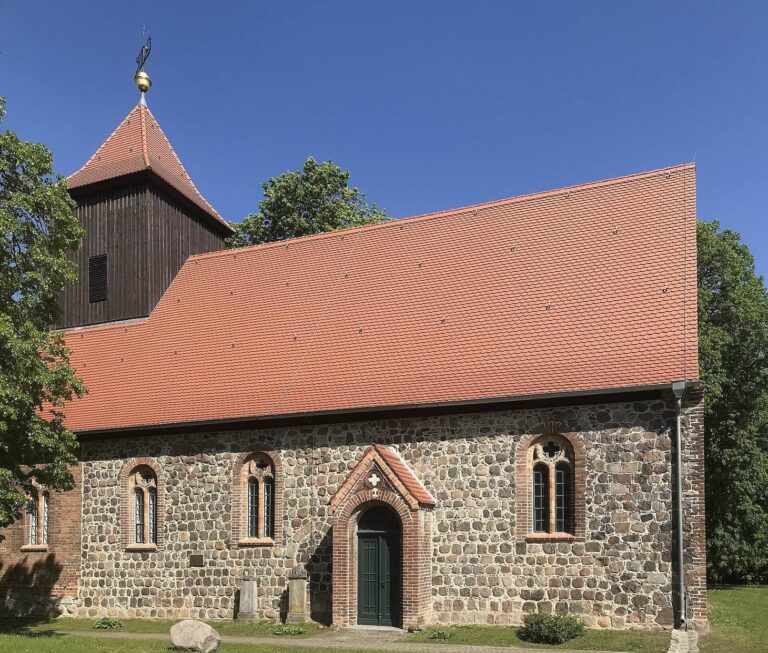
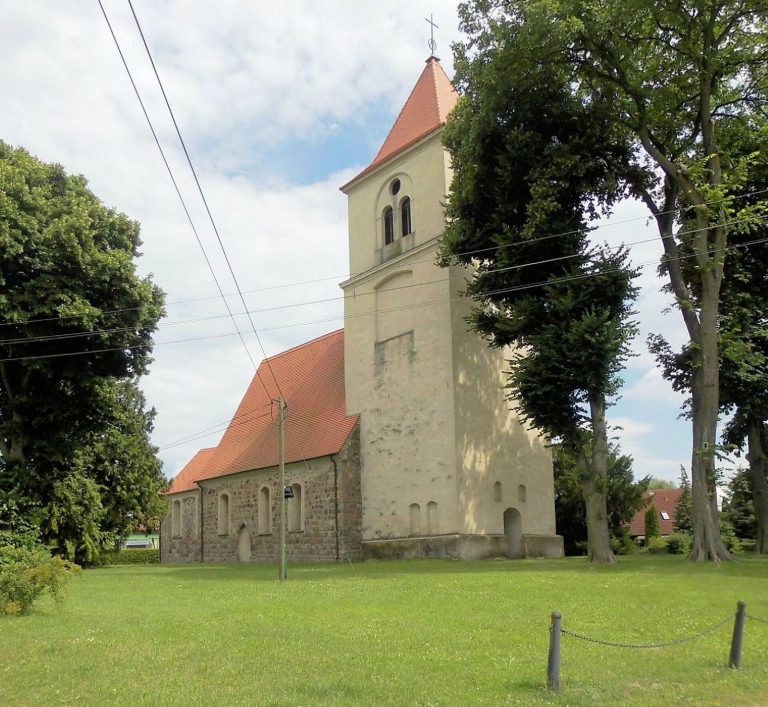
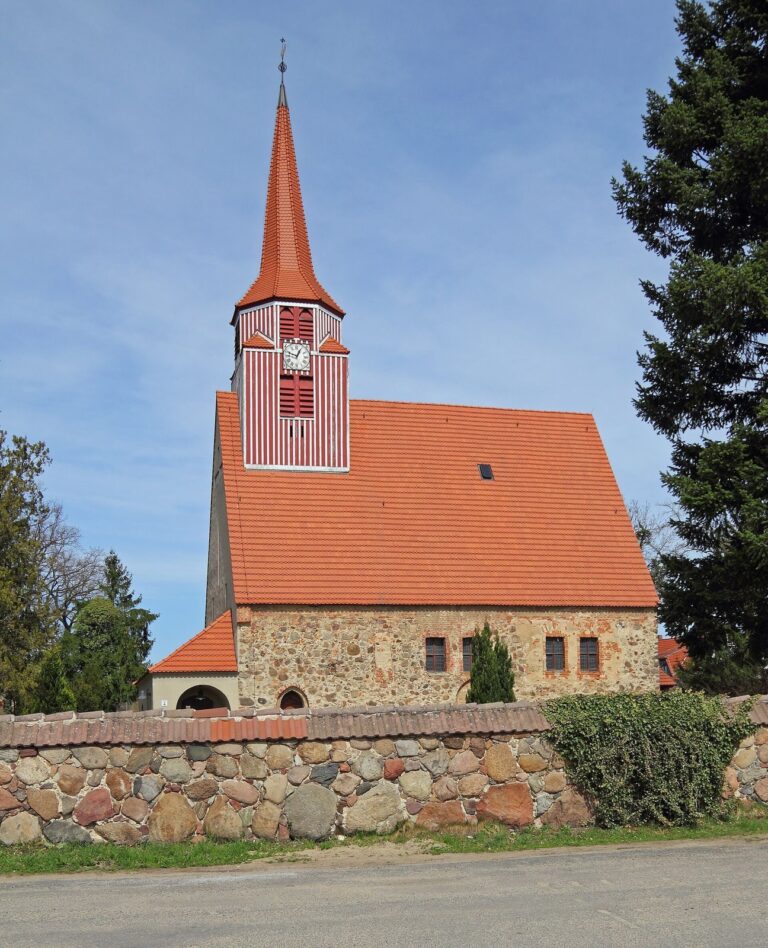
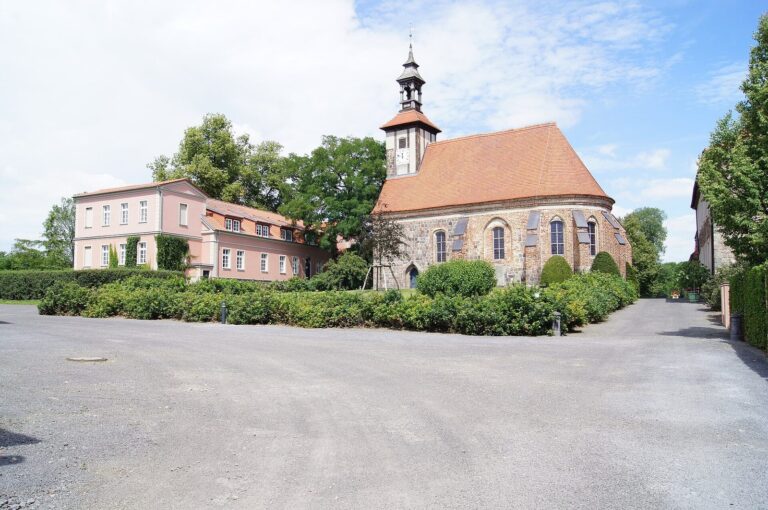
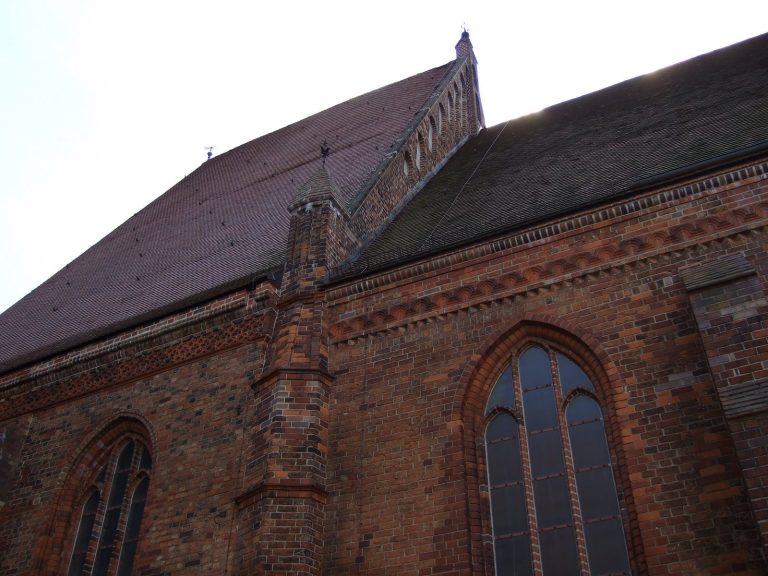
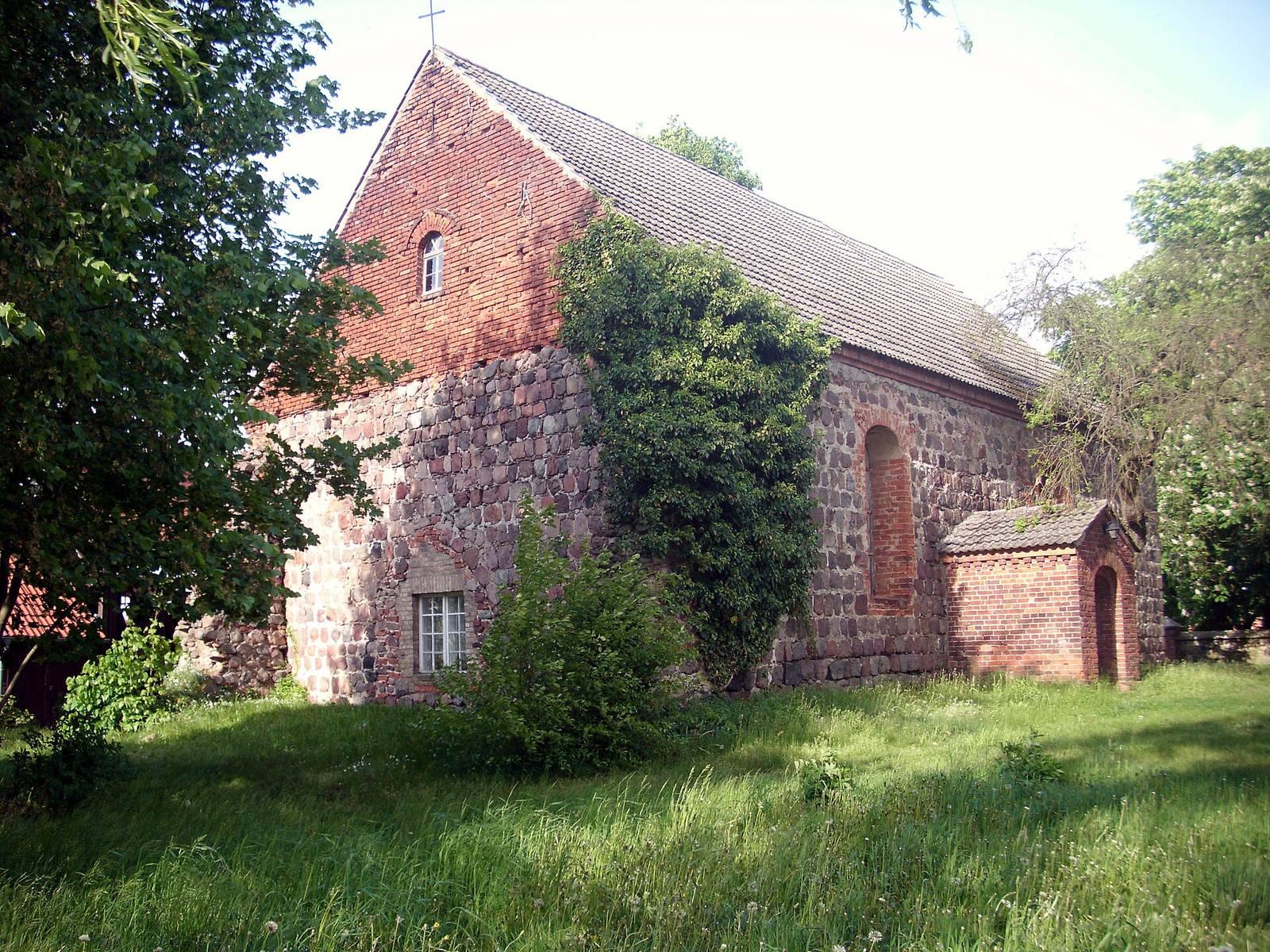
Petersdorf Village Church is a medieval hall church in Petersdorf, Jacobsdorf, Germany. Its dressed granite masonry points to a construction date in the second half of the 13th century. The church was severely damaged during the Thirty Years’ War, a major European conflict fought from 1618 to 1648, and rebuilt in later years. Subsequent alterations followed the Baroque style, which became prominent in Europe during the 17th and 18th centuries.
Later history
During the Second World War, the church’s two bells survived a metal collection unharmed at Hamburg’s bell cemetery. A third bell is also said to have belonged to the church. After an arson attack several years ago, the bell shelter was completely repaired. The church belongs to the Oderland-Spree church district, a regional grouping of congregations within the Evangelical Church Berlin-Brandenburg-Silesian Upper Lusatia, a Protestant regional church.
Remains
Church and churchyard
Church fabric and entrance
The church is built from dressed granite blocks and has a hall plan. A carefully worked pointed-arch portal on its west side has been bricked up. The masonry and the churchyard wall require substantial repair.
Bell shelter
A wooden shelter in the churchyard holds two bells. The older bell dates to the 14th or 15th century, while the younger dates to the 16th century. The shelter was fully repaired after an arson attack.
Interior furnishings
Pulpit
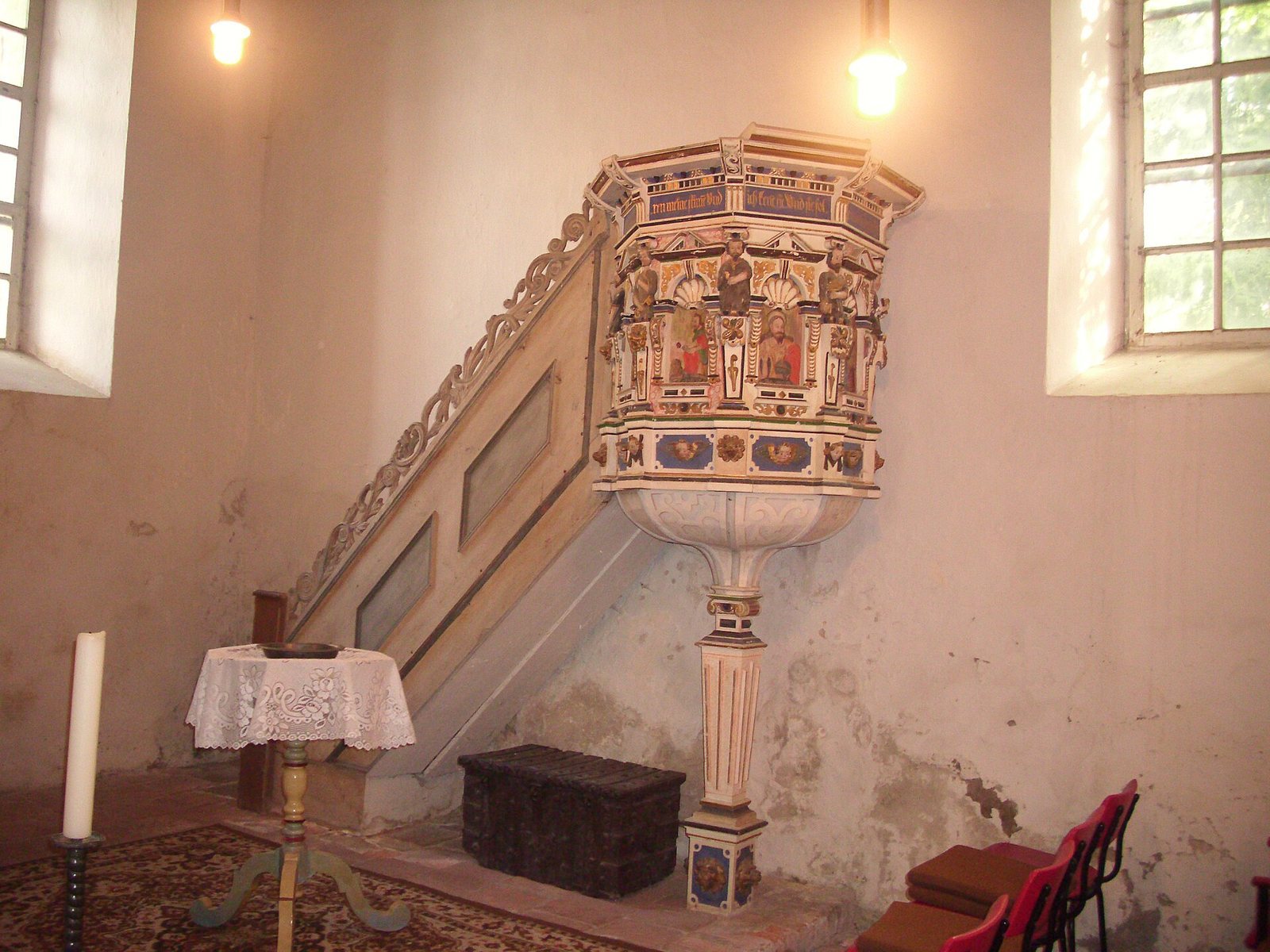
The pulpit, made in the early 17th century, is elaborately decorated. It carries figures of Christ and the four Evangelists, Matthew, Mark, Luke and John, each paired with a symbol. Its carved handrail is a notable part of the work.
Altar painting
The altar painting, in the late Renaissance style, depicts the Last Supper with Jesus among his disciples. It was originally placed in the patronage pew, a designated seating area for a church’s patron and typically the patron’s household. That pew remained in the church until the end of the 19th century.
Altar furnishings and baptismal items
Two candlesticks made of soldered tinplate stand before the altar and date to 1678. The church also has a Bible from the mid-19th century and a Baroque chalice of gilded silver. A wooden baptismal stand from the mid-18th century holds a pewter bowl donated in 1767; the initials M.A.K. are engraved beside the date.
Grave slab
A grave slab set into the floor before the altar commemorates Hans George von Strantz and his wife, Louise von Wolfersdorf. Their son, Hans Albrecht von Strantz, donated it on 2 October 1743. Hans George, a major in royal service and hereditary lord of Petersdorf, was born on 16 November 1659 and died on 29 January 1742. Louise was born in 1663 and died on 16 October 1735.
Organ
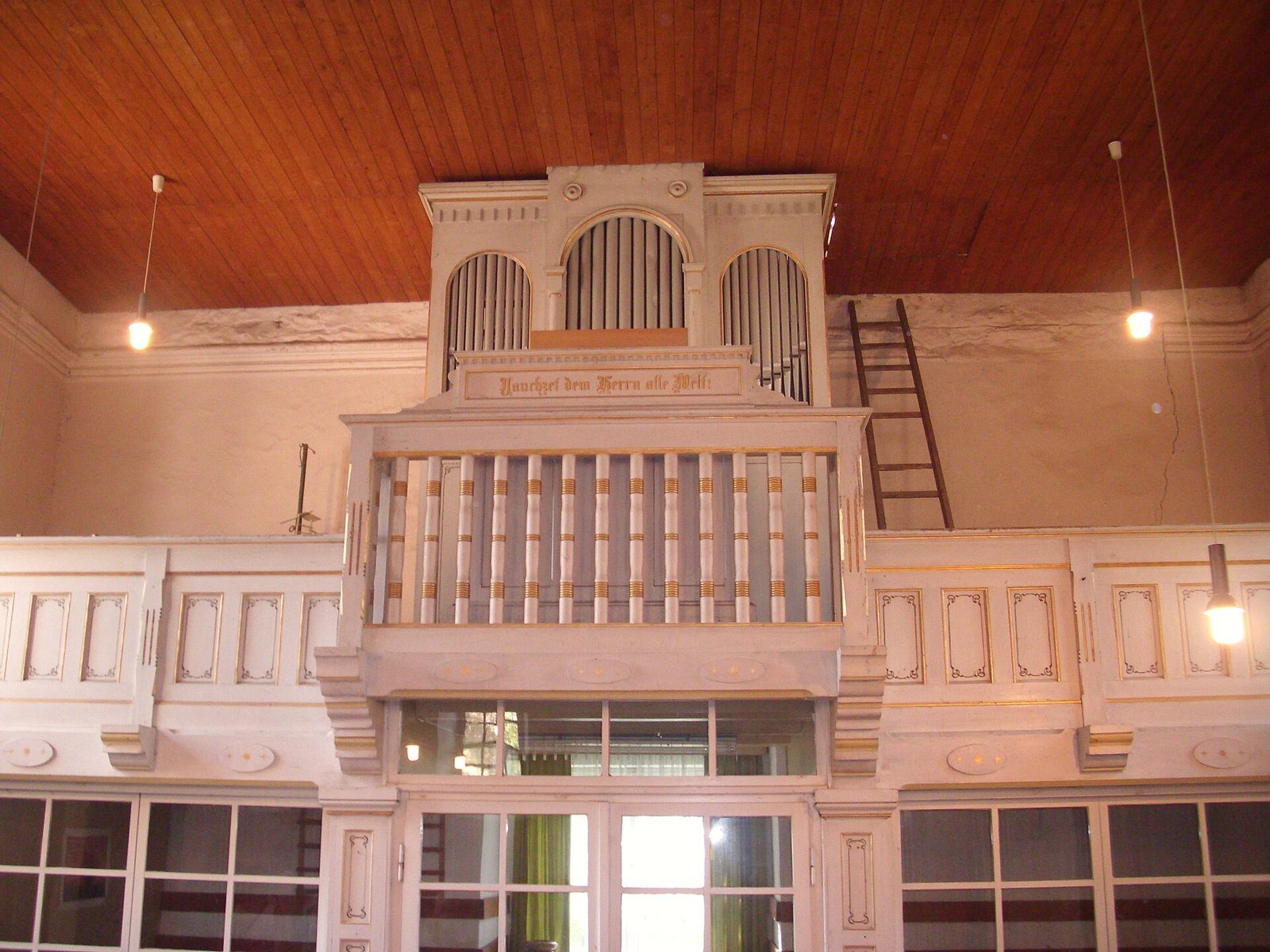
The organ stands opposite the altar. It is Opus 13, a catalogue designation, by Friedrich Ernst Gustav Heinze of Sorau. Few organs by this builder survive, making the instrument a rarity in Brandenburg. Its surviving fabric retains its 1907 state, though the instrument needs restoration. In 1917, during the First World War, its front pipes were surrendered and replaced with zinc pipes. After the organ became unplayable, Christian Scheffler, an organ builder from Sieversdorf, repaired its first keyboard, which has been playable again since 1994.
The organ has two manuals, or keyboards, and pneumatic action, which uses air pressure to transmit the movement of a key. Its cone chests use cone-shaped valves to admit air to the pipes. Couplers marked II/I, I/P and II/P connect the second keyboard to the first and each keyboard to the pedal. The playing aids include a call for the bellows attendant, a wind test and Tutti, the full-organ setting.