Mramorje: A Medieval Necropolis in Serbia
Site at a Glance
- Popularity
- Medium
- Country
- Serbia
- Primary era
- Medieval
- Eras represented
- Medieval
- Civilizations
- Serbian
- Site type
- Burial
- Remains
- Necropolis
History
Mramorje is a medieval tombstone necropolis at Perućac, Serbia, established in the 14th century and associated with medieval Bosnia, a South Slavic polity centered in present-day Bosnia and Herzegovina. It is also known as Bagruša. Its tombstones belong to the stećci tradition, a form of monumental late medieval memorial found across parts of the Balkans.
Serbia designated Mramorje an Archaeological Site of Exceptional Importance on September 25, 1968, a national heritage classification. In 2016, it became one of three Serbian sites included in the UNESCO World Heritage property Stećci Medieval Tombstone Graveyards.
Remains
Layout and tombstones
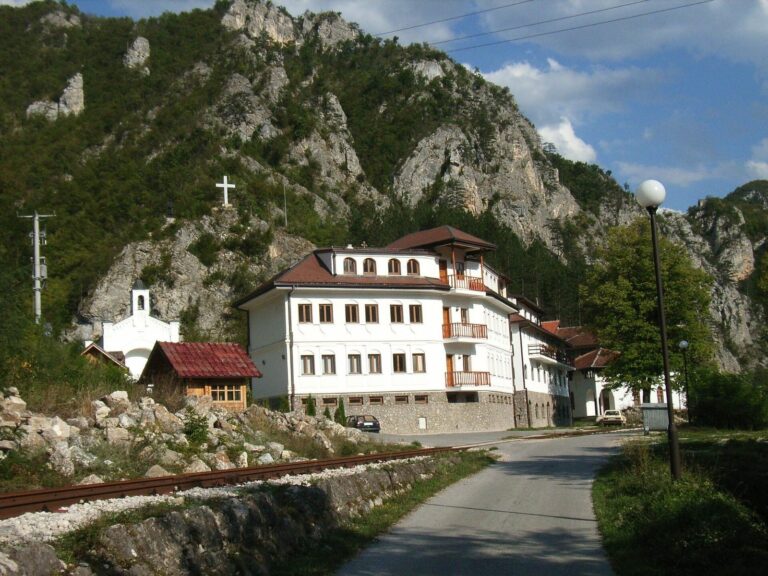
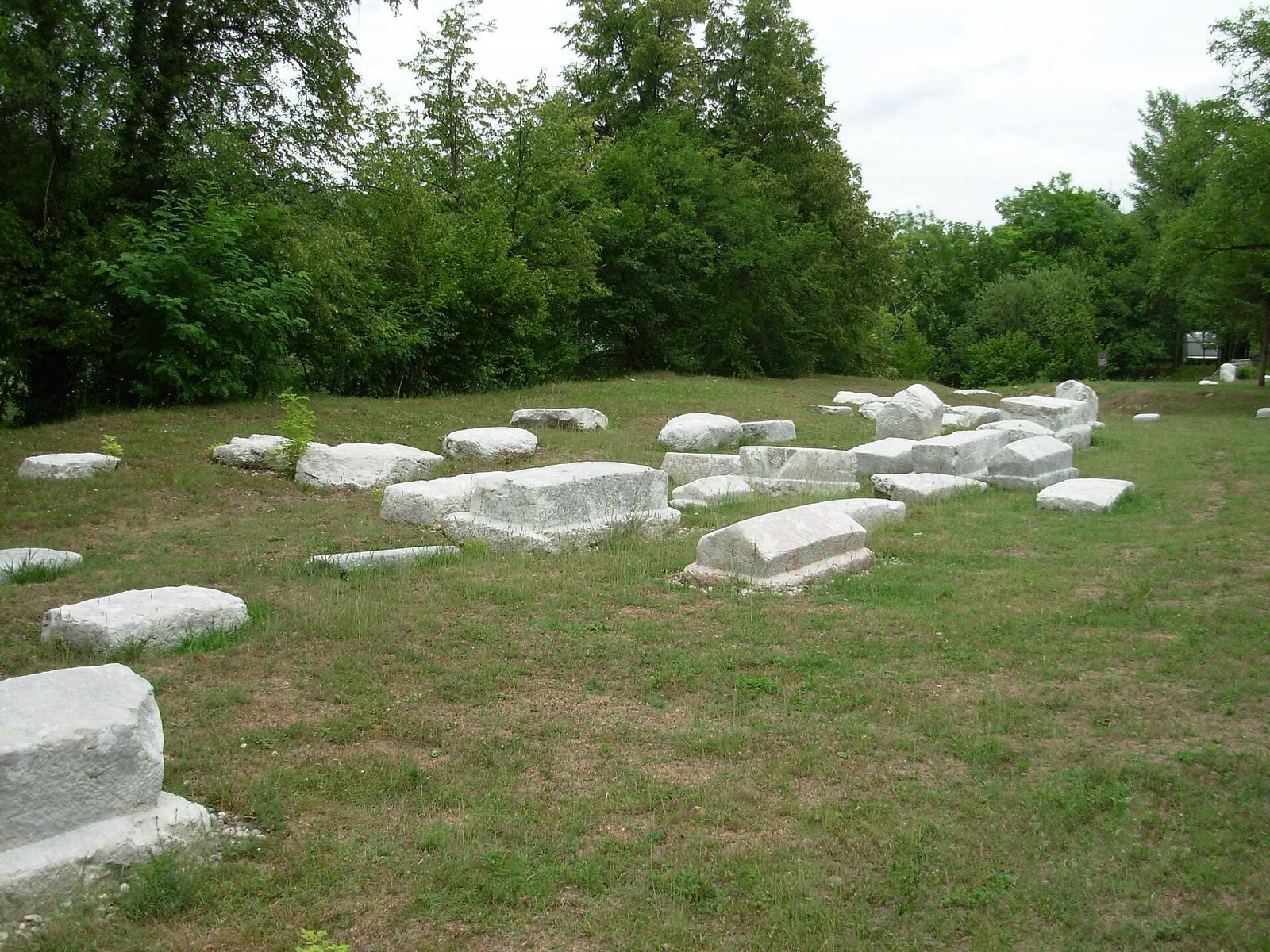
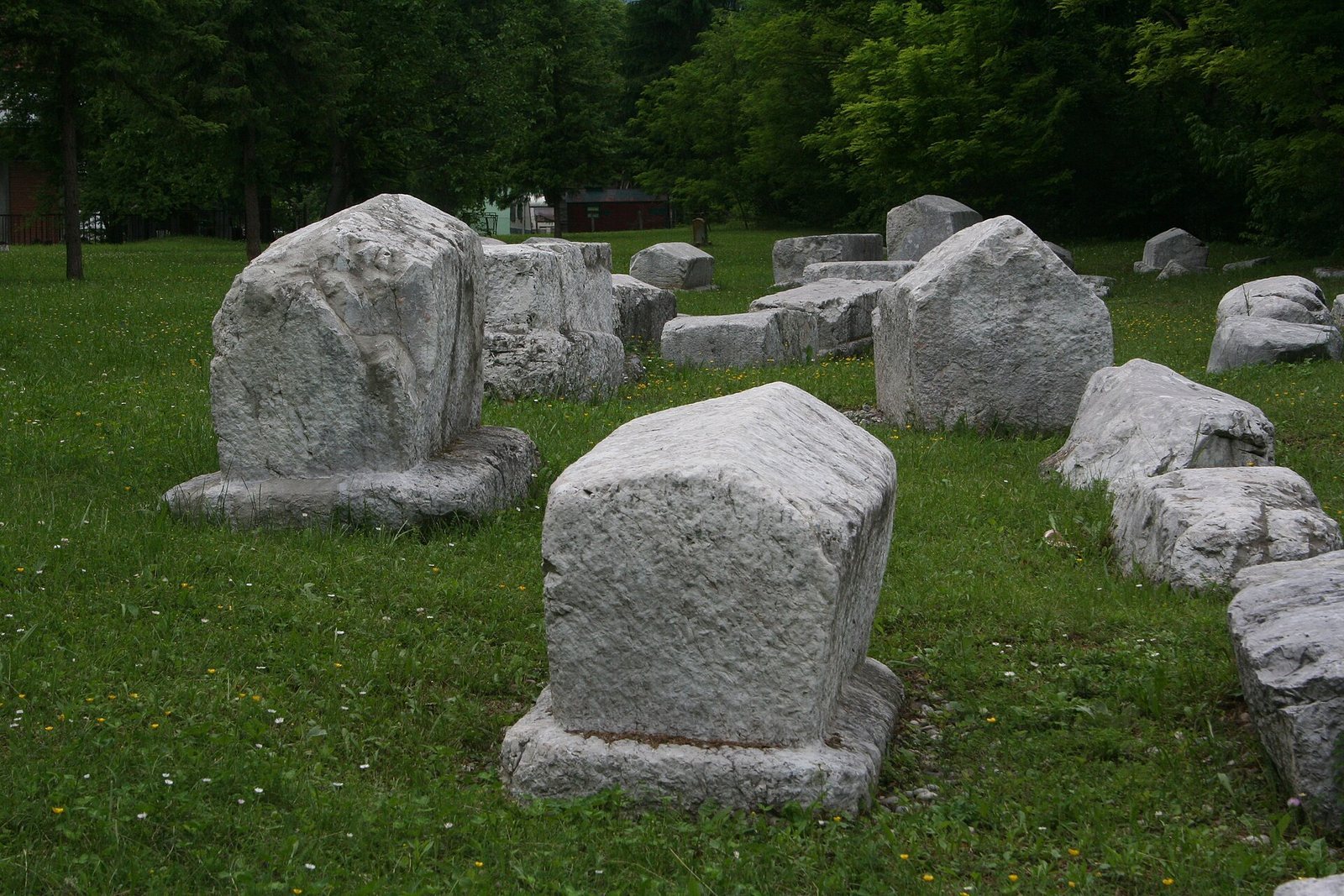
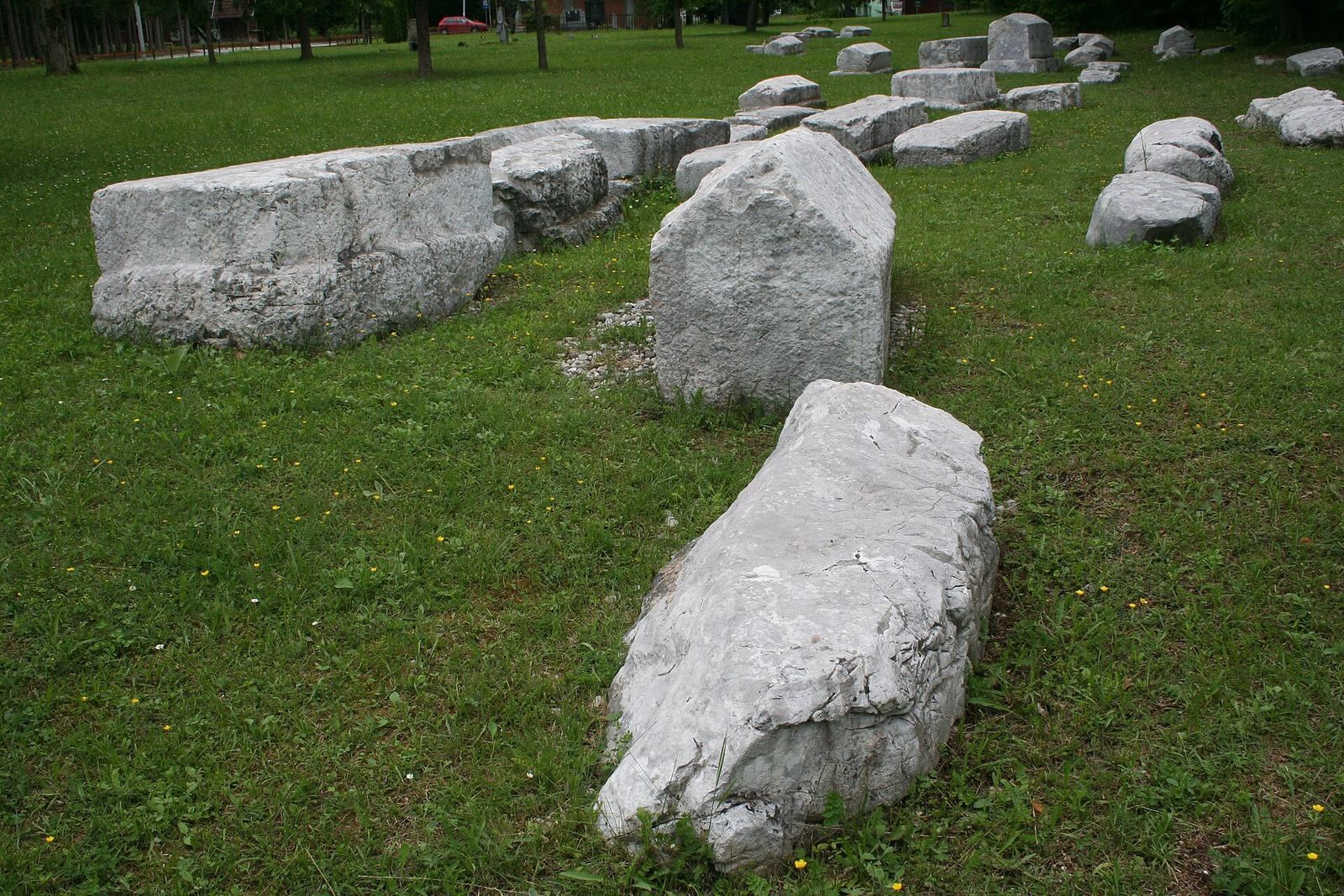
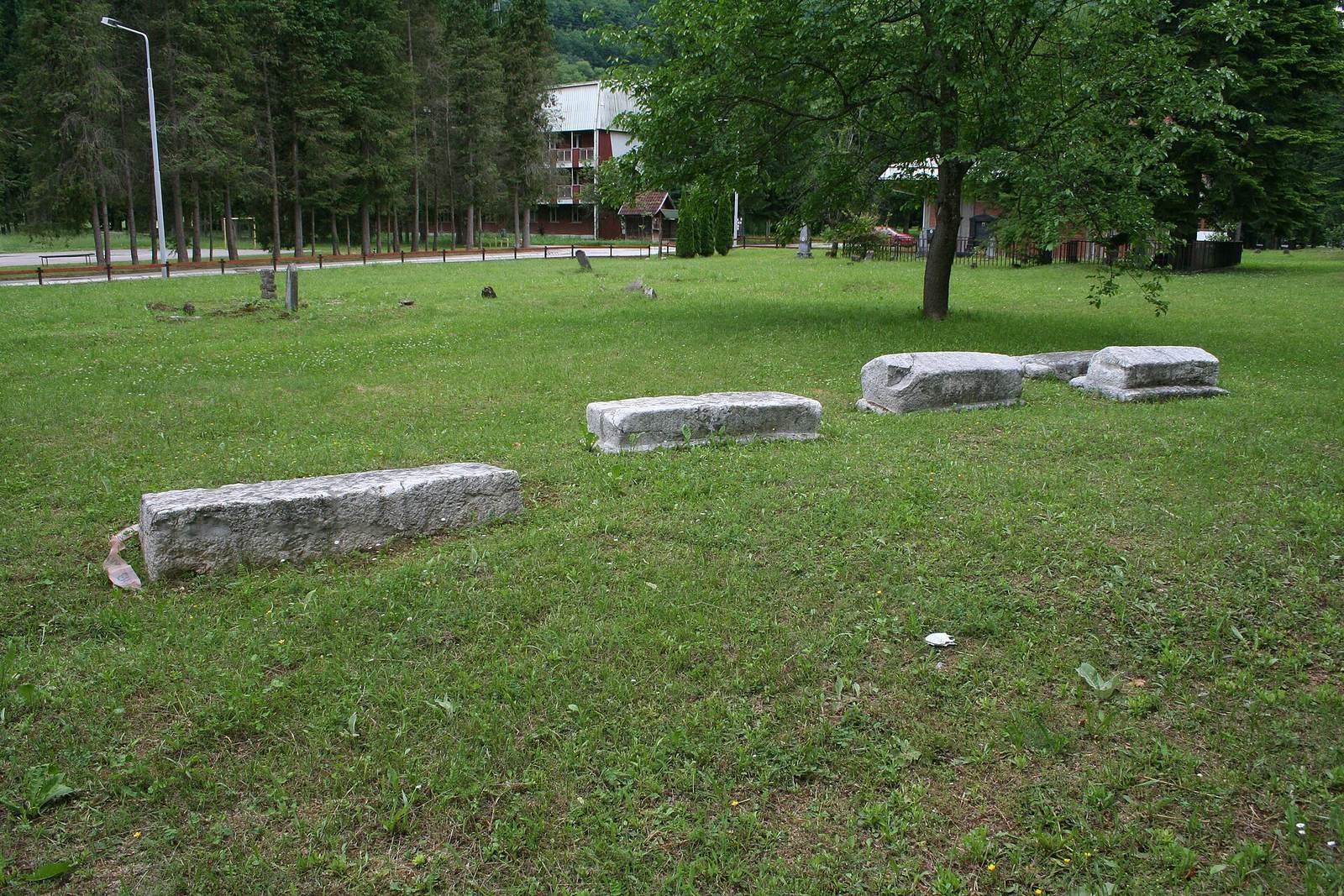
The necropolis occupies the area between the Drina River and a main road that follows the river valley, at the entrance to Perućac. Its limestone tombstones stand in regular rows, generally aligned east to west. The site is in ruined condition, and the river and the continuing expansion of Perućac threaten it.
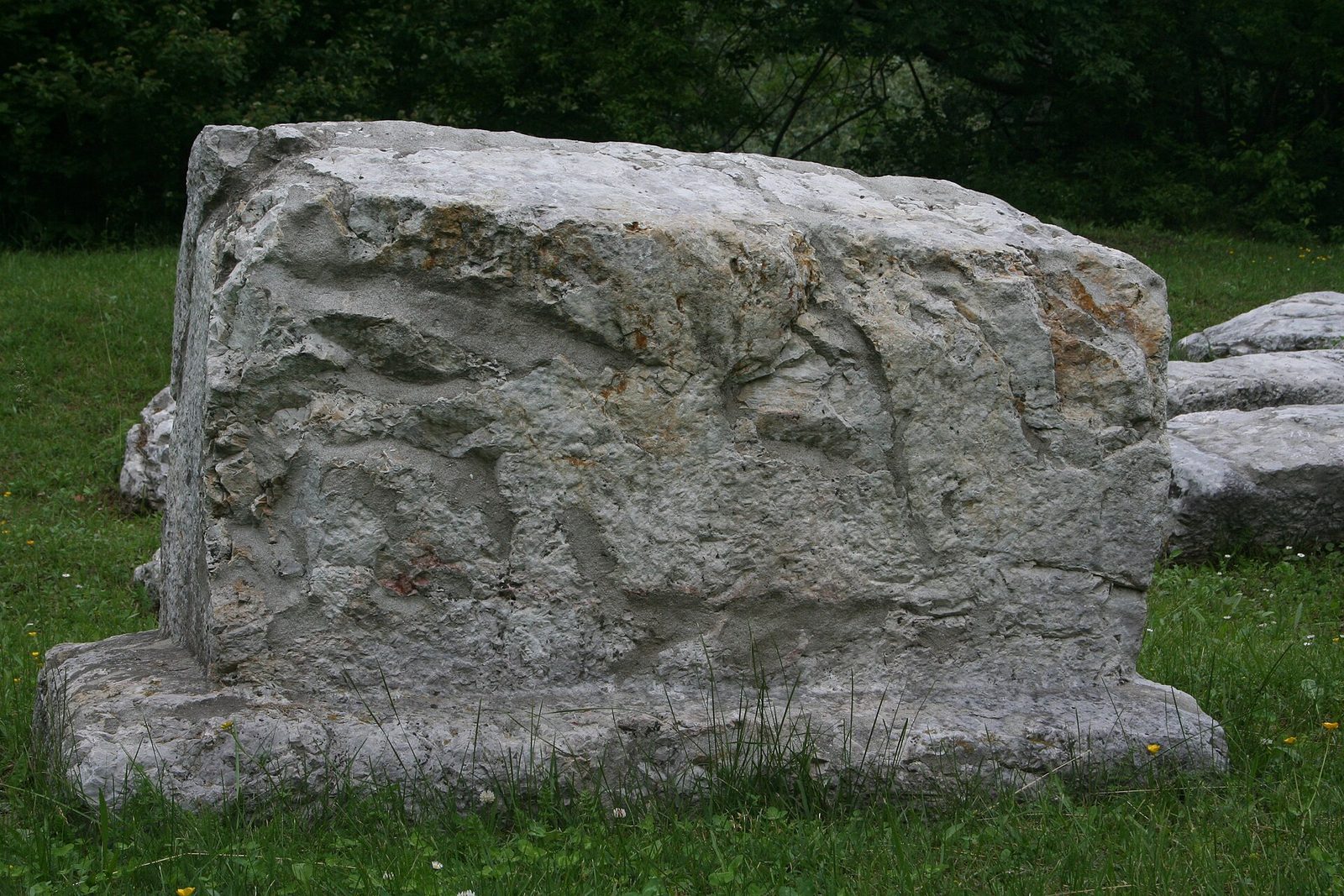
About 200 tombstones once stood here. An earlier count recorded 122 monuments, while a later inventory listed 93: 46 slabs, 28 ridge-shaped stones (18 with supports and 10 without), 17 sarcophagi (seven with pedestals and 10 without), and two irregular examples. The largest stones reach two metres in length and nearly a metre in both width and height.
Some stones are finely worked, and a small number carry carved motifs, including circles, a crescent moon, swords, and shields. Over time, some have shifted and others have sunk into the ground. Two undecorated tombstones are held by the Ethnographic Museum in Belgrade, and another is in the National Museum in Užice.