Uznaberg Castle Ruins: A Medieval Stronghold above Uznach
Site at a Glance
- Rating
- 3.3
- Popularity
- Very Low
- Country
- Switzerland
- Primary era
- Medieval
- Eras represented
- Medieval
- Civilizations
- Holy Roman Empire
- Site type
- Military
- Remains
- Castle
On this page8 sections
History
Origins and Toggenburg rule
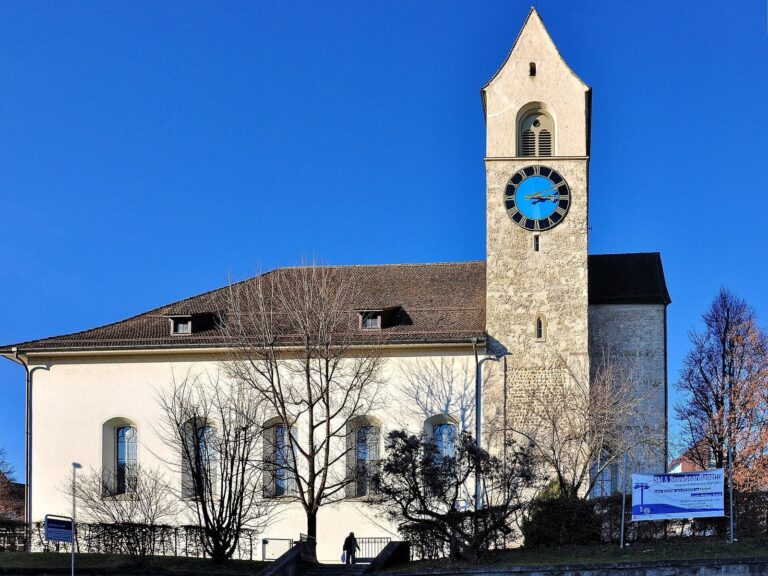
Uznaberg Castle Ruins are the remains of a medieval hilltop castle on a rocky spur northwest of Uznach, in Switzerland’s canton of St Gallen. The Toggenburgs built the castle around 1200 as part of the centre of their County of Uznach. Uznach is named in a donation dated 19 November 741, and a charter from 856 mentions a church on the site of today’s Kreuzkirche. The area later passed from the Abbey of St Gall, a major Benedictine monastery and landholder, to the Counts of Toggenburg.
Diethelm VI of Toggenburg married Guta of Rapperswil between 1180 and 1195. By 1195, the Toggenburgs had secured the area around Uznach and an alliance with the Counts of Rapperswil. Both families also served as lay protectors and representatives of the Abbey of St Gall’s secular interests, a role that may have helped the Toggenburgs expand their lands. The family established the town of Uznach around 1200, possibly in 1209, building it around an existing settlement. The town is recorded by 1228, and the castle by 1234. The Toggenburg line ruled the county until it died out in 1436.
Conflict and destruction
Uznaberg Castle’s strategic position hindered Zurich’s trade over the Graubünden passes. The Toggenburgs were probably involved in feuds with other rising noble families, the Abbey of St Gall and Count Rudolf of Habsburg, later King of the Romans. During the Regensberg Feud, a conflict associated with the Barons of Regensberg in 1267–68, the Toggenburgs were probably their allies. Zurich forces under Rudolf are said to have besieged and destroyed the castle in spring 1267 or 1268. The destruction is not firmly established and has not been confirmed by archaeological evidence. The castle was apparently not rebuilt.
Reuse and investigation
Stone from the castle was reused in Uznach’s Kreuzkirche and the parish church at Eschenbach. Around 1833, other stones went into supports for pressurized-water pipes serving the Uznaberg spinning mill. Construction of Uznabergstrasse later destroyed the last castle remains. The first archaeological investigation took place in 1939.
Remains
Site and castle fabric
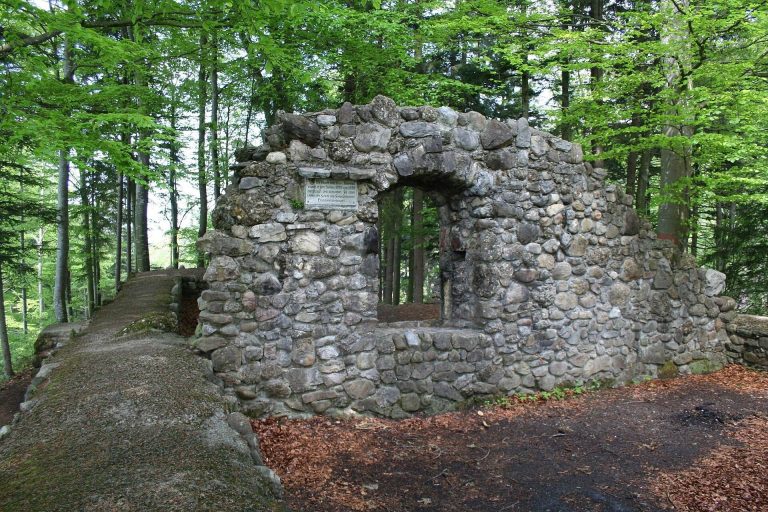
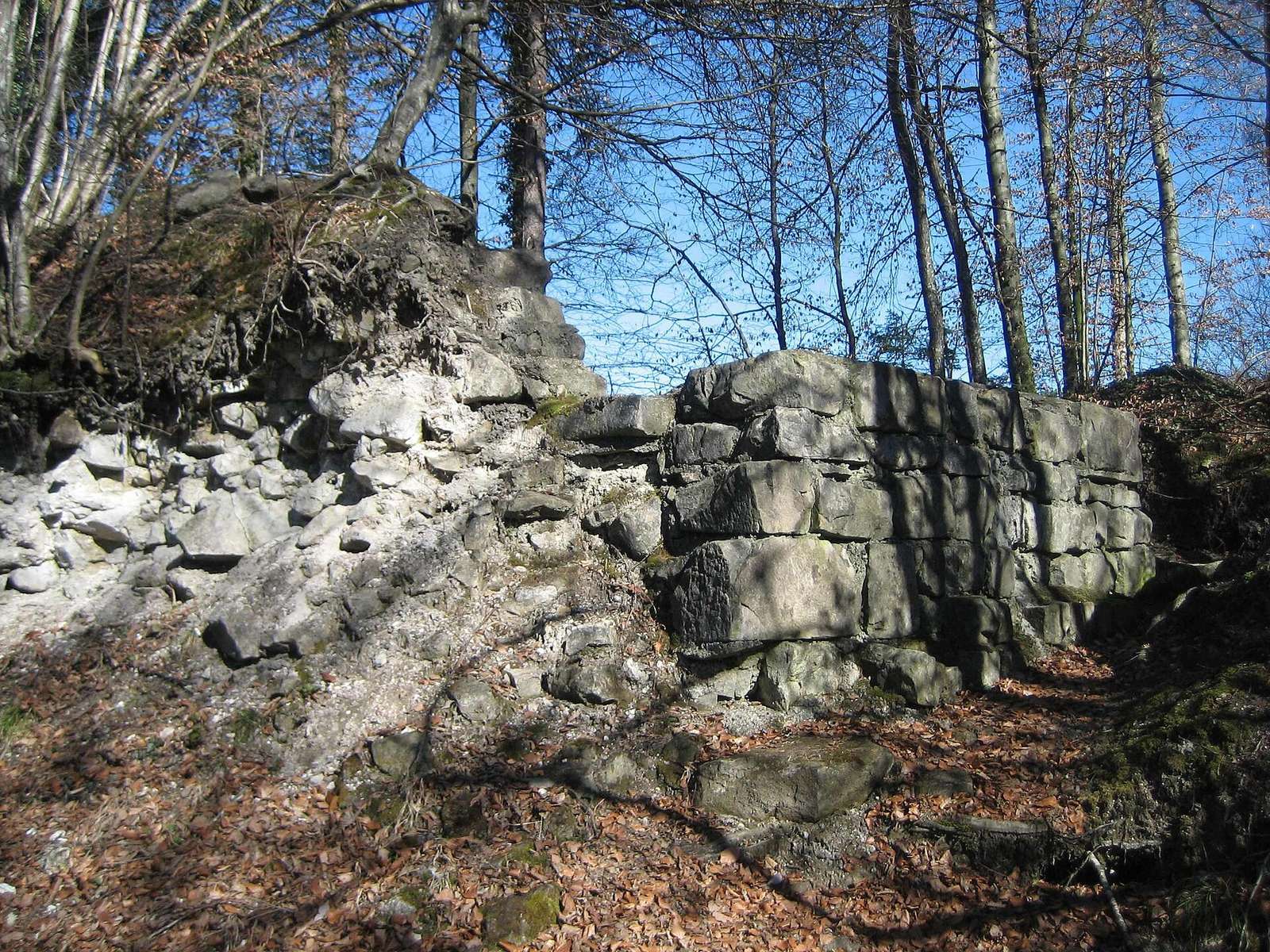
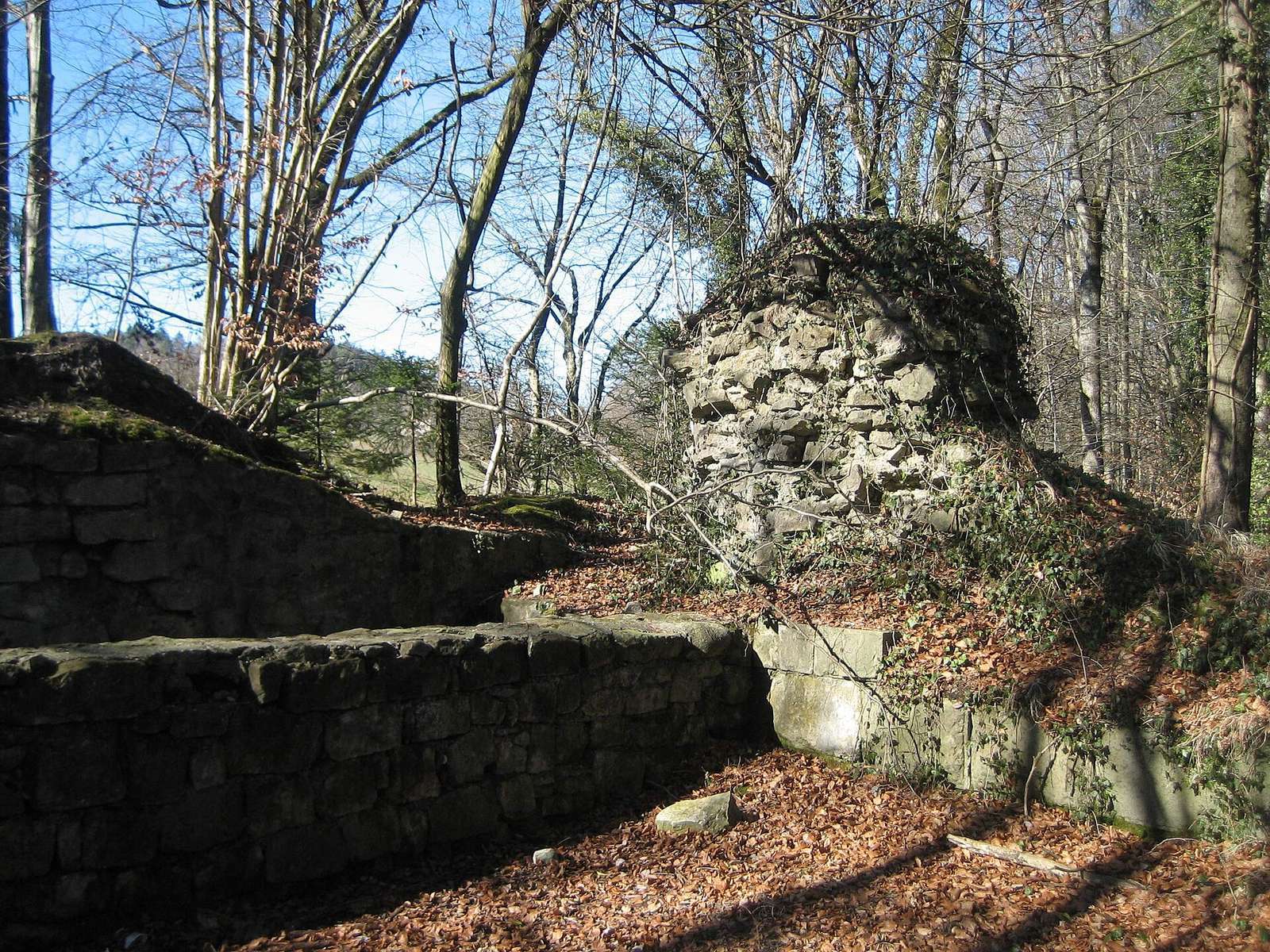
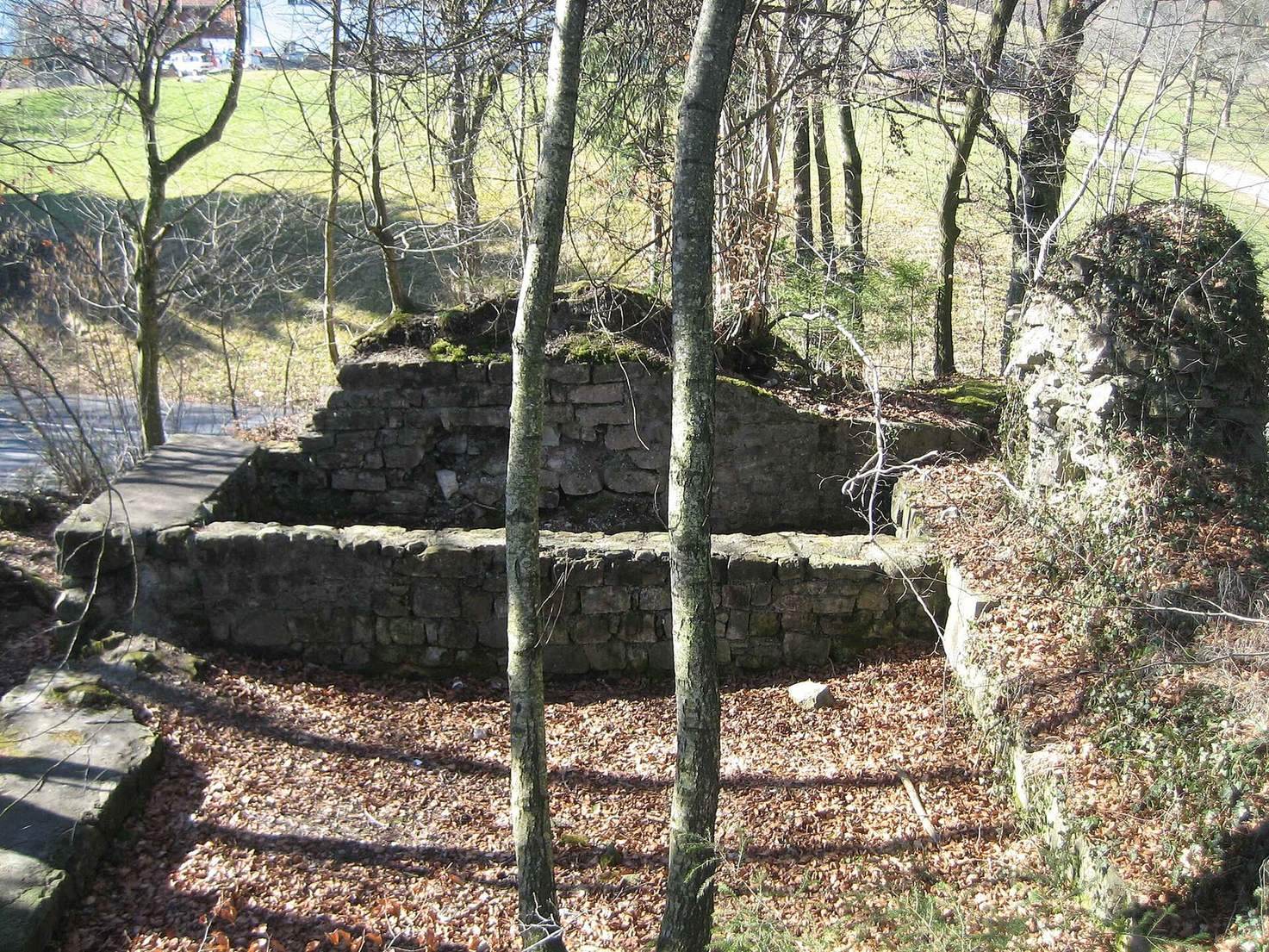
The castle stood beside the road to Neuhaus, about 60 metres above Uznach and approximately 490 metres above sea level. Built of rubble stone, it occupied the rocky spur of Uznaberg. The site is now characterized by rubble and a few fragmentary wall remains, including portions of the outer curtain wall. A residential tower stood on the spur, and a principal residential building is also thought to have formed part of the complex.
The Hexenturm
The tower known as the Hexenturm, or Witches’ Tower, was still largely intact around 1818. A pen drawing from that year shows large, regularly coursed blocks of cut stone. Its identity as the castle’s residential tower, or as another part of the complex, is uncertain. When the Hexenturm was demolished in 1865, it still had a spiral staircase and a fireplace.
Finds and later depictions
Finds from the castle include horseshoes, arrowheads, beaker-shaped stove tiles from a castle oven and individual coins. The local-history museum in Uznach displays some of these objects. Engravings made centuries after the castle’s presumed destruction portray it as an “unconquerable” fortress and exaggerate the shape of the hill.