Campo Lameiro Rock Art Archaeological Park in Galicia, Spain
Site at a Glance
- Popularity
- Low
- Country
- Spain
- Primary era
- Bronze Age
- Eras represented
- Bronze Age, Modern
- Civilizations
- Spanish
- Site type
- Civic
- Remains
- Rock Art
On this page10 sections
History
The Campo Lameiro Rock Art Archaeological Park in Galicia, Spain, combines an outdoor area of rock engravings with an interpretation center. Plans began in 2002, when the government of Manuel Fraga, then president of Galicia’s regional government, launched a competition for preliminary designs. Construction started in 2007 under a two-party coalition government. Alberto Núñez Feijóo, then president of Galicia’s government, inaugurated the park on 6 July 2011. It was the first archaeological park in Galicia.
The park is one of four centers in the Galician Archaeological Heritage Network and belongs to the Terras de Pontevedra rock-art group, a regional grouping of rock-art sites. The engravings received Historic-Artistic Monument status in 1974, and the wider area was designated an Archaeological Zone on 20 June 2002. Several carvings are designated Assets of Cultural Interest.
Remains
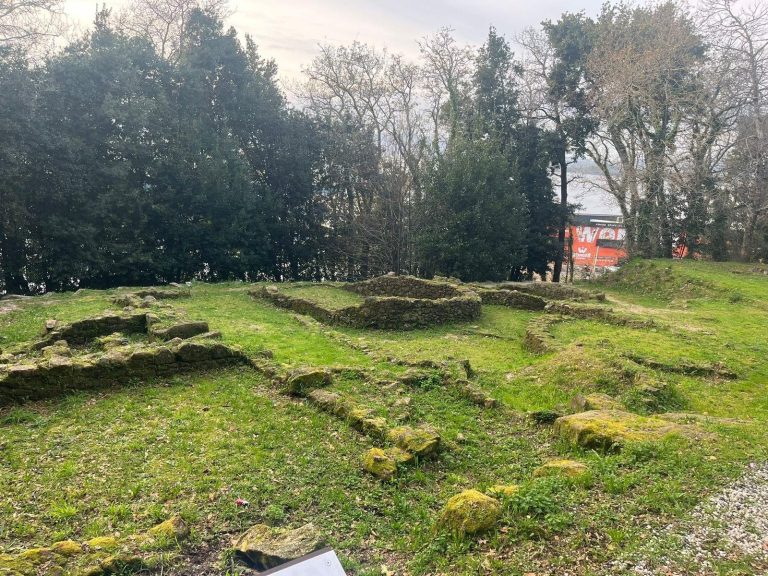
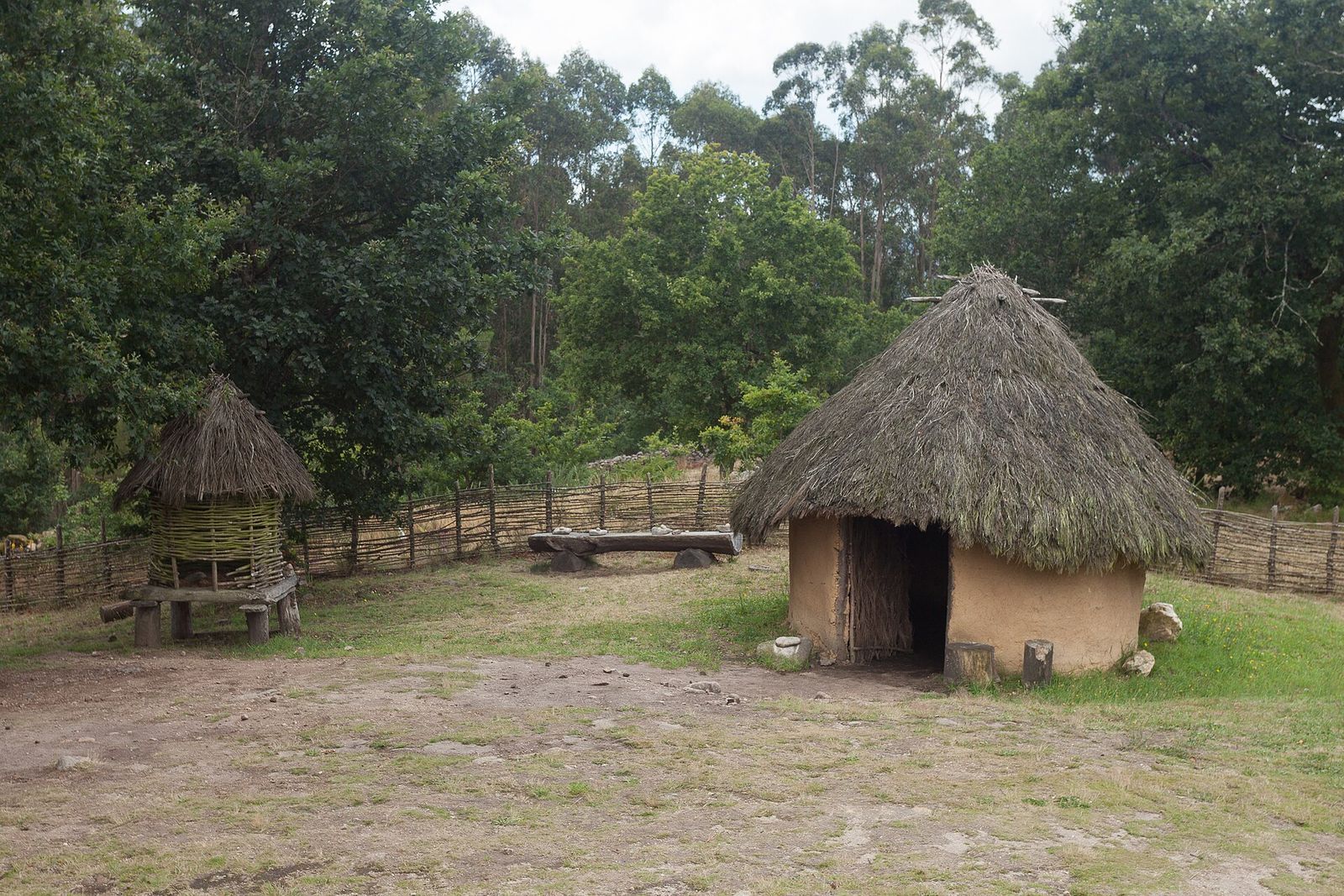
Covering 21.8 hectares, the park combines an outdoor archaeological area with a 5,000-square-metre interpretation center. Its outdoor route extends for about three kilometres, with engravings across the areas of Paredes, Parada and San Isidro, Painceiros, As Fragas, A Lagoa/Fentáns, and Caneda. The center contains exhibitions, models, projection rooms, audiovisual material, a library, and collections. The grounds also include a reconstructed settlement from the Bronze Age, a prehistoric period marked by widespread bronze use.
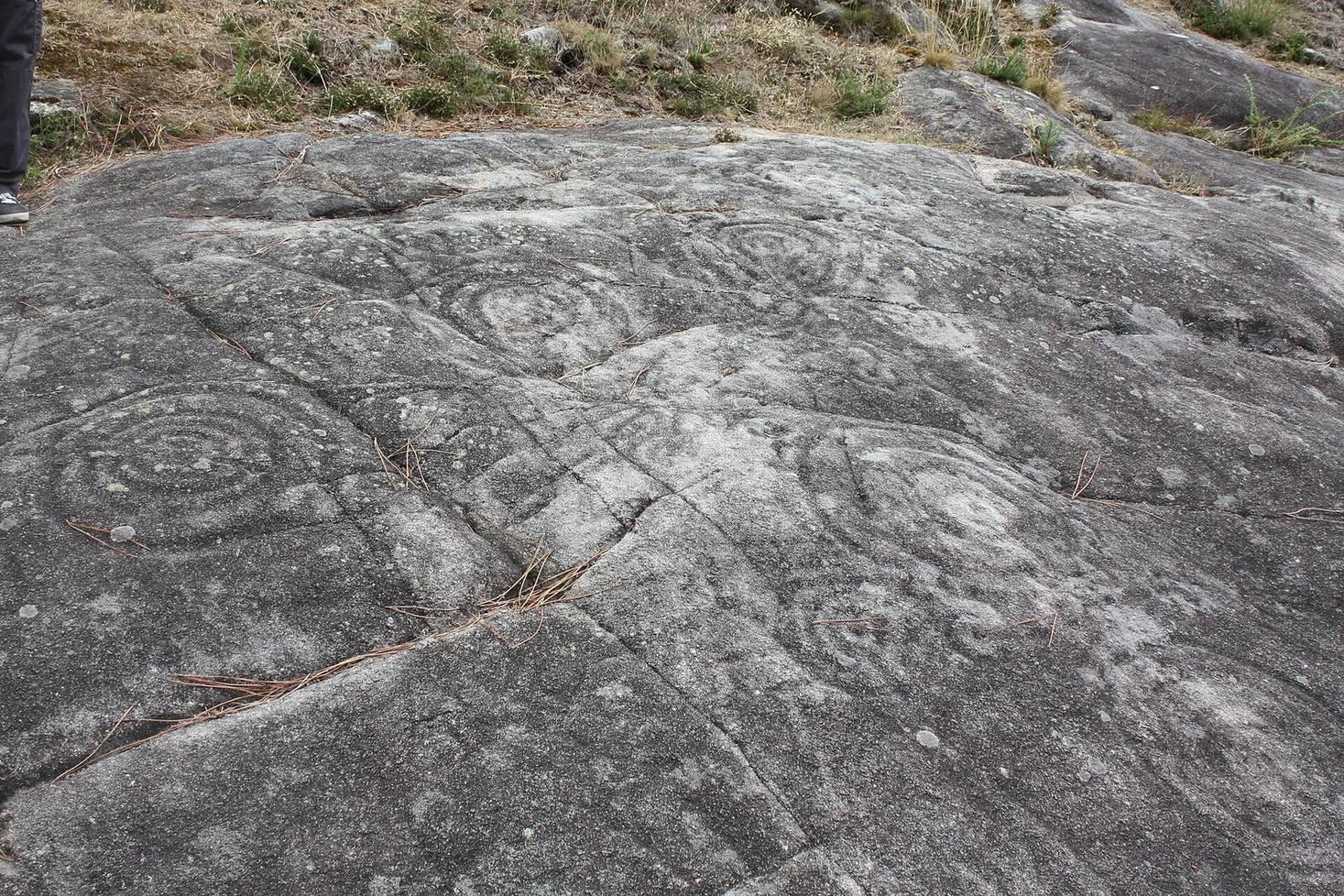
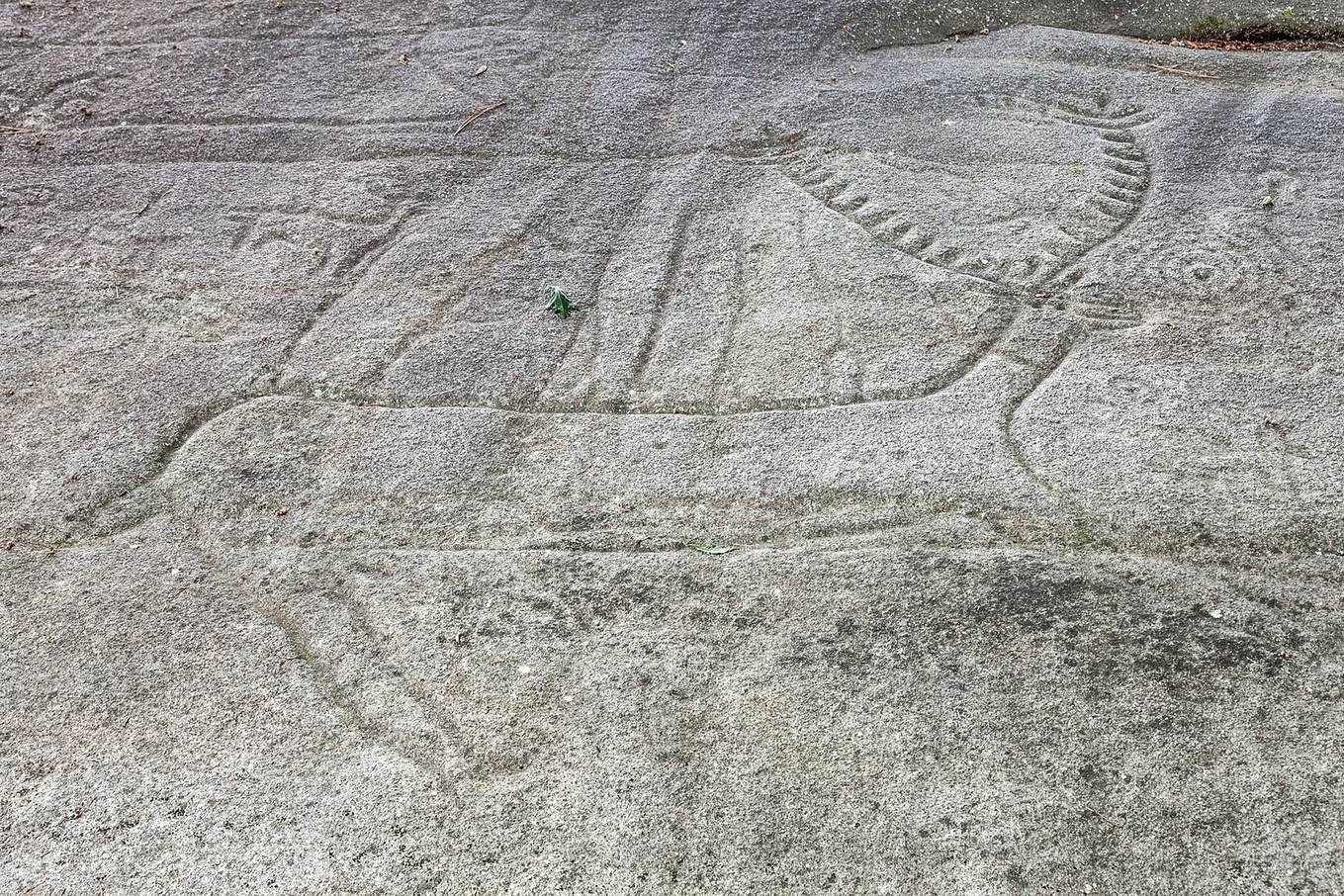
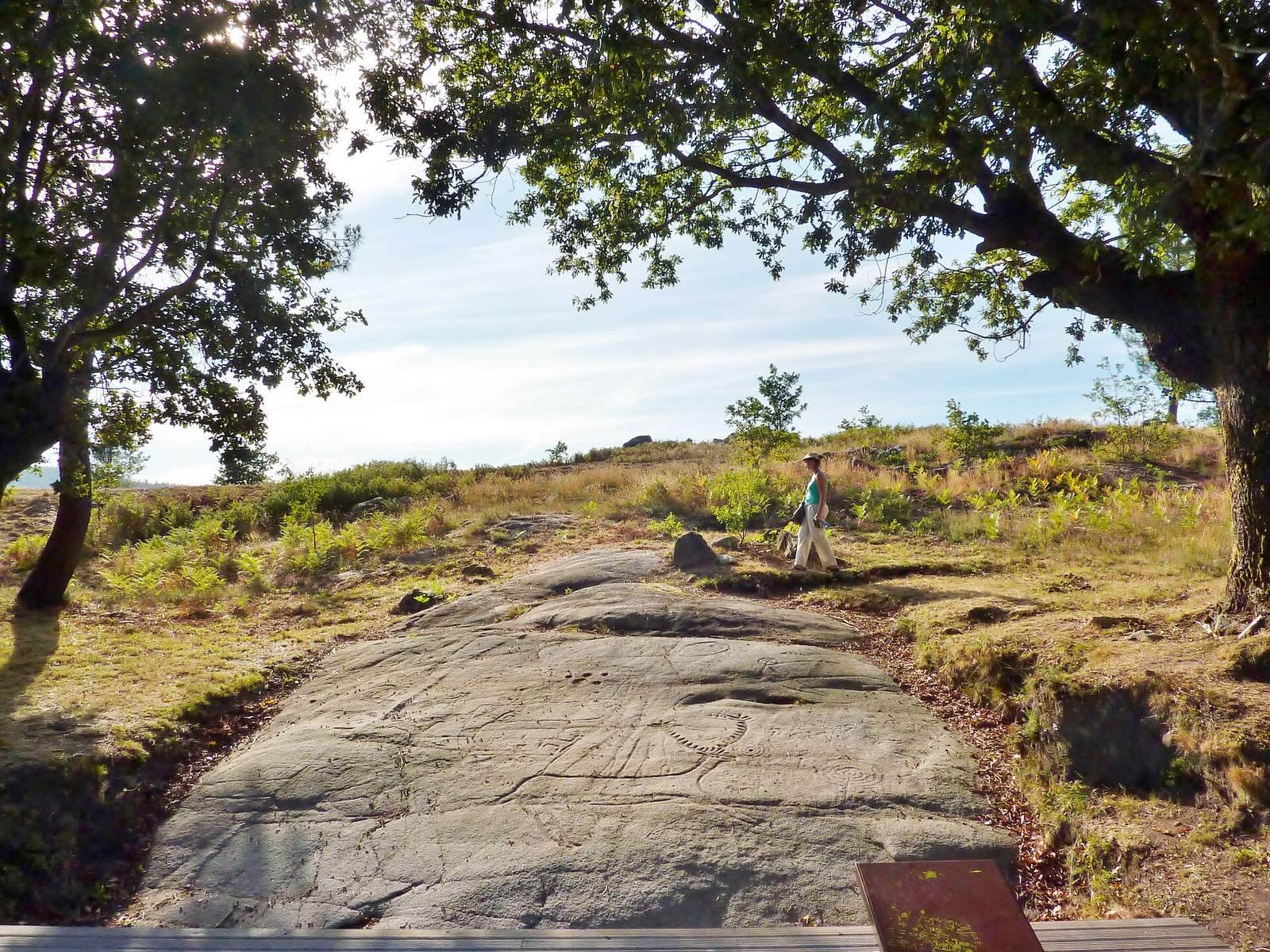
Nine rock-art stations contain numerous engraved rocks. Their motifs include crosses, concentric circles, and cup marks, small cup-shaped depressions carved into rock, as well as animals such as deer, horses, and snakes. The park contains a concentration of engravings notable for both quality and quantity in the Iberian Peninsula and Europe, including some of Galicia’s best-preserved examples.
Rock engravings
Laxe da Forneiriña
This rock bears a large animal figure alongside carvings of deer and circles.
Laxe dos Carballos
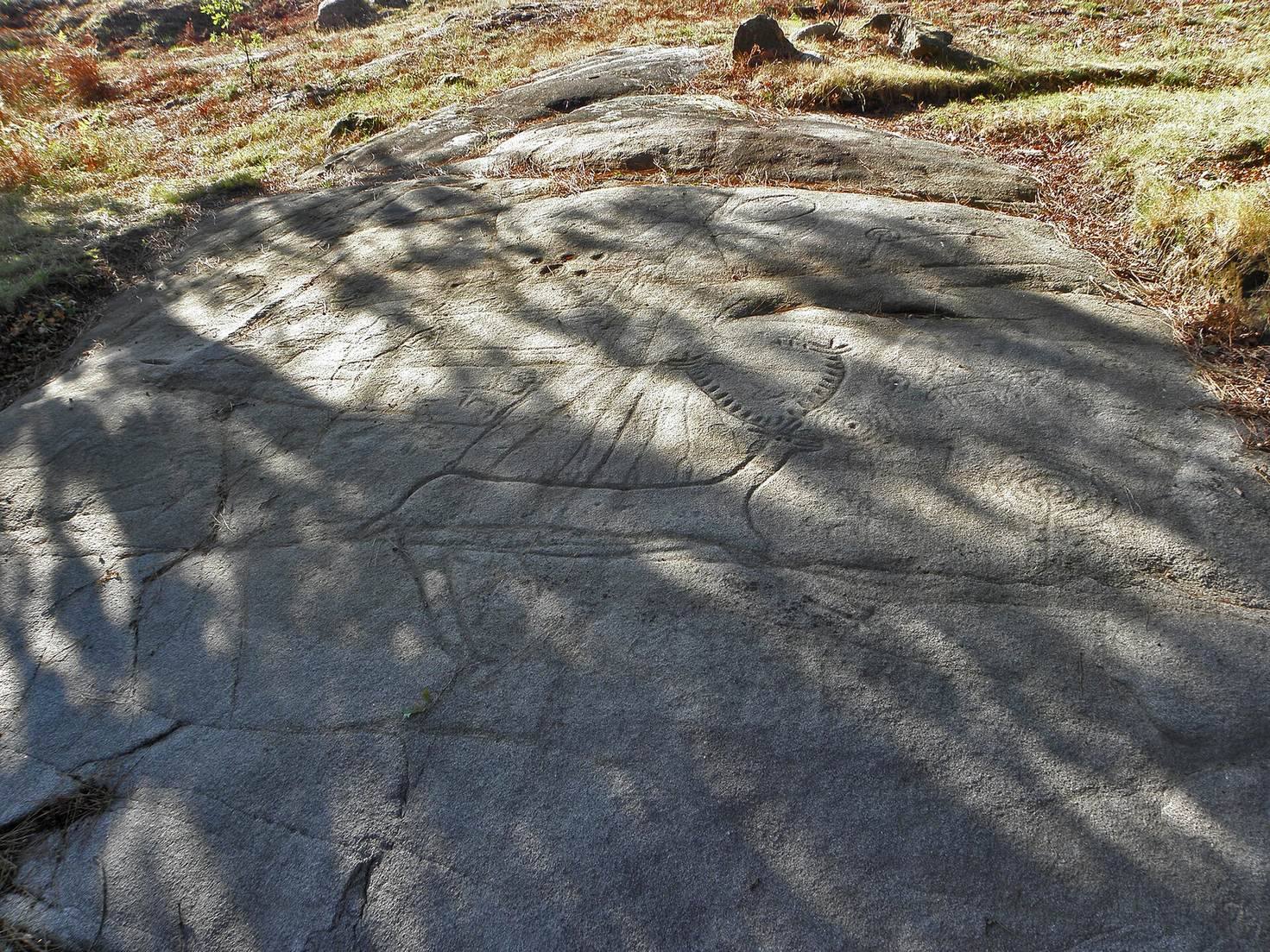
The central figure is a large stag, with its antlers, eyes, and mouth marked out. Its front legs extend forward, giving the animal the appearance of possibly lying down. Numerous spears across its back have been interpreted as signs of punishment or death. A line around its neck has several possible readings: a cord, a sign of dominance in hunting, or a change in coat colour. Nearby are circular patterns, rows of cup marks, and smaller deer. Two of the deer beneath the stag also have antlers.
Outeiro dos Cogoludos
Broad, deep grooves form clearly visible carvings on this rock. Three mounted riders appear in a vertical arrangement on the right, while a large panel of concentric circles occupies the left. An idol and several deer are also shown.
Outeiro das Ventaniñas
The carvings here include several circular forms and are among the simplest in the area.
Fonte da Pena Furada
Several stones bear deer and concentric circles. One antlered deer has its eyes and mouth represented on the same plane.
Outeiro da Pena Furada
This group is the only one in the area with labyrinth-like figures; other carvings lie nearby.
Laxe dos Cabalos
Several stones carry carvings of deer, other four-legged animals, and circular patterns. One rock shows two horses with riders in a scene that appears to depict a race.