Tel Zayit: An Archaeological Tell in Israel
Site at a Glance
- Rating
- 4
- Popularity
- Very Low
- Country
- Israel
- Primary era
- Bronze Age
- Eras represented
- Bronze Age, Iron Age
- Civilizations
- Canaanite, Israelite
- Site type
- City
On this page7 sections
History
Tel Zayit is an ancient settlement mound in Israel’s Shephelah, the lowland between the coastal plain and the southern Levant’s highlands. It was occupied from the Late Bronze Age, an eastern Mediterranean archaeological period, through the Mamluk period, when the Mamluk sultanate ruled Egypt and parts of the Levant. Its recorded phases also include Iron Age I and II and the Crusader period, an era of Crusader rule and activity in the eastern Mediterranean.
Late Bronze Age
Near the end of the Late Bronze Age, Tel Zayit reached its greatest extent, a period of growth associated with economic prosperity. Its position near routes connecting Judah, the Shephelah, and Egypt contributed to that development. Ceramic finds have been interpreted as evidence that the settlement was not inhabited by a Philistine population.
Iron Age settlement and destruction
A new city was established on the tell’s summit during Iron Age IIA, a regional subdivision of the Iron Age. Its earliest material culture resembles that of Lachish, an ancient city associated by archaeological scholarship with the Kingdom of Judah. Later finds point to closer commercial and cultural ties with coastal-plain communities, alongside continuing connections with the hill country.
Fire destroyed the settlement around 1200 BCE and again in the ninth century BCE. Both events are considered likely consequences of military action. Some researchers, including excavation director Ron E. Tappy, attribute the later destruction to Hazael, the ninth-century BCE king of Aram-Damascus, an Aramean kingdom based in present-day Syria. This proposal draws on the similar destruction of nearby Gath, a major Philistine city, and the biblical account of Hazael’s campaign in the Shephelah.
Later settlement and modern investigation
The ancient settlement was abandoned during the Mamluk period. By at least the sixteenth century, an Arab village called Zayta occupied the site. During the British Mandate, the period of British administration in Palestine before 1948, the village’s population was moved 1.5 kilometres north. In 1948, the village was depopulated by Israel’s Givati Brigade, an infantry brigade active that year.
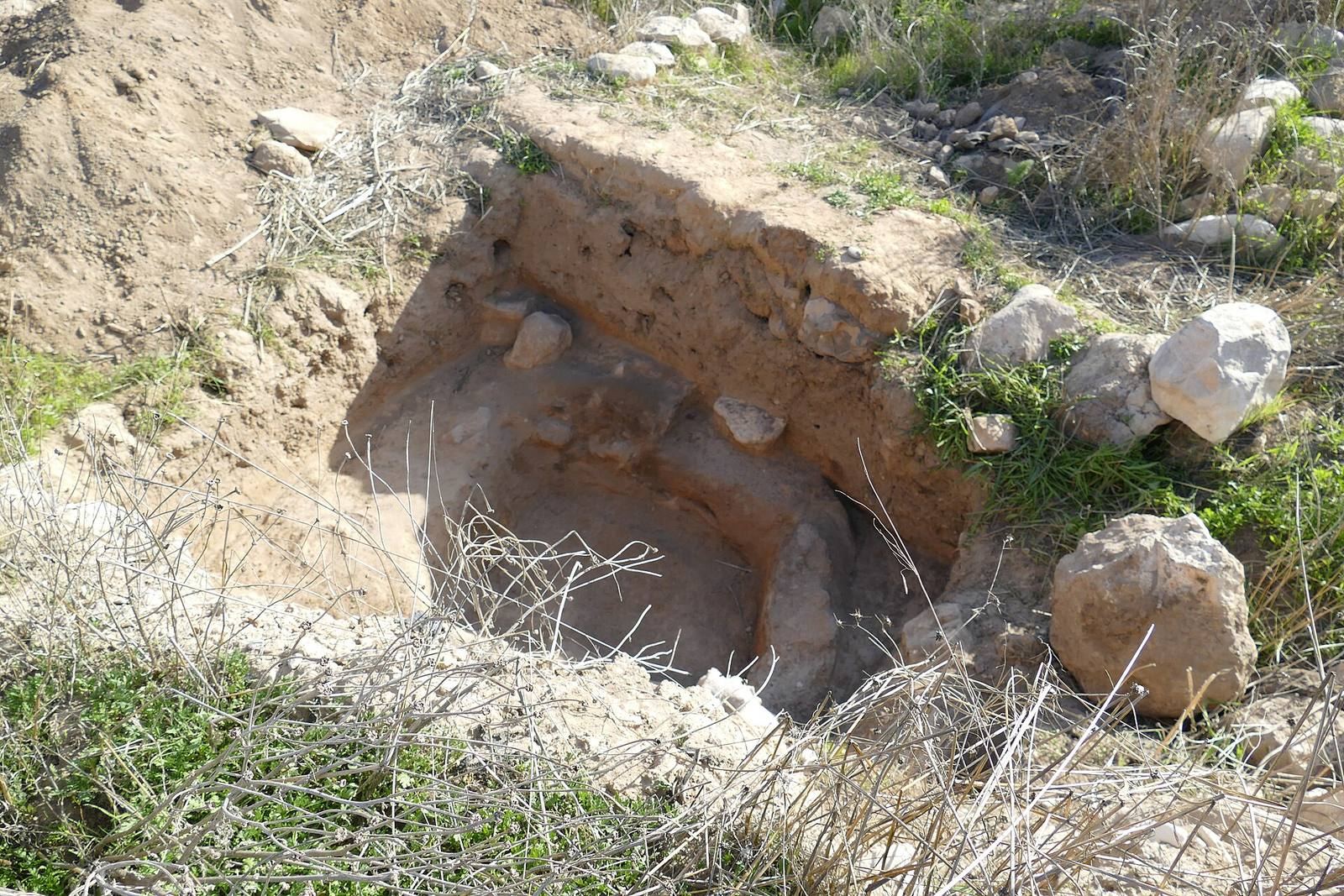
A Pittsburgh Theological Seminary team led by archaeologist Ron E. Tappy carried out a preliminary survey in 1998. Excavations followed over nine seasons from 1999 to 2008. The team found the Zayit Stone in 2005; some scholars regard its inscription as one of the oldest alphabetic inscriptions discovered.
Remains
Settlement mound and layout
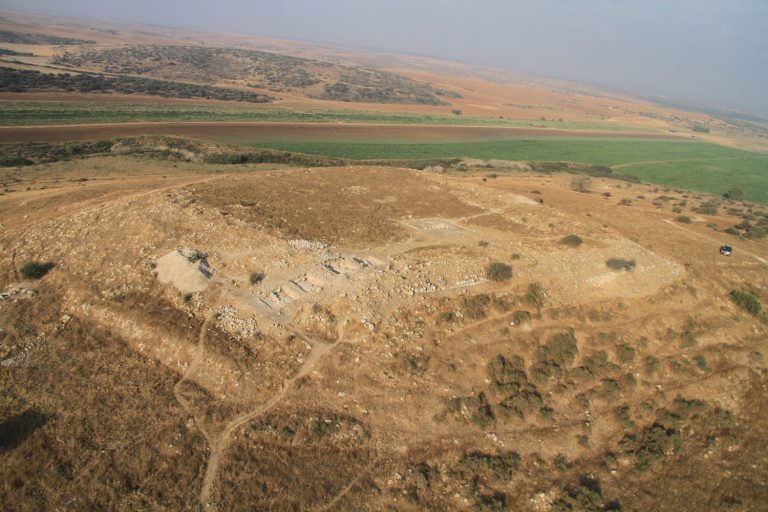
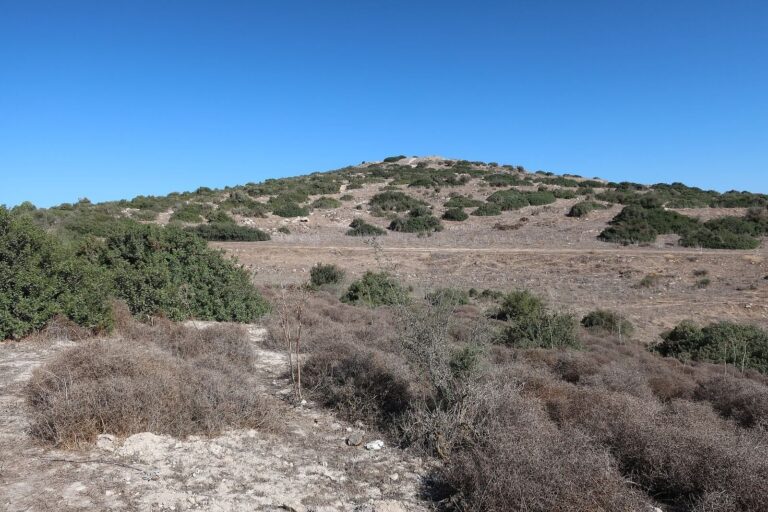
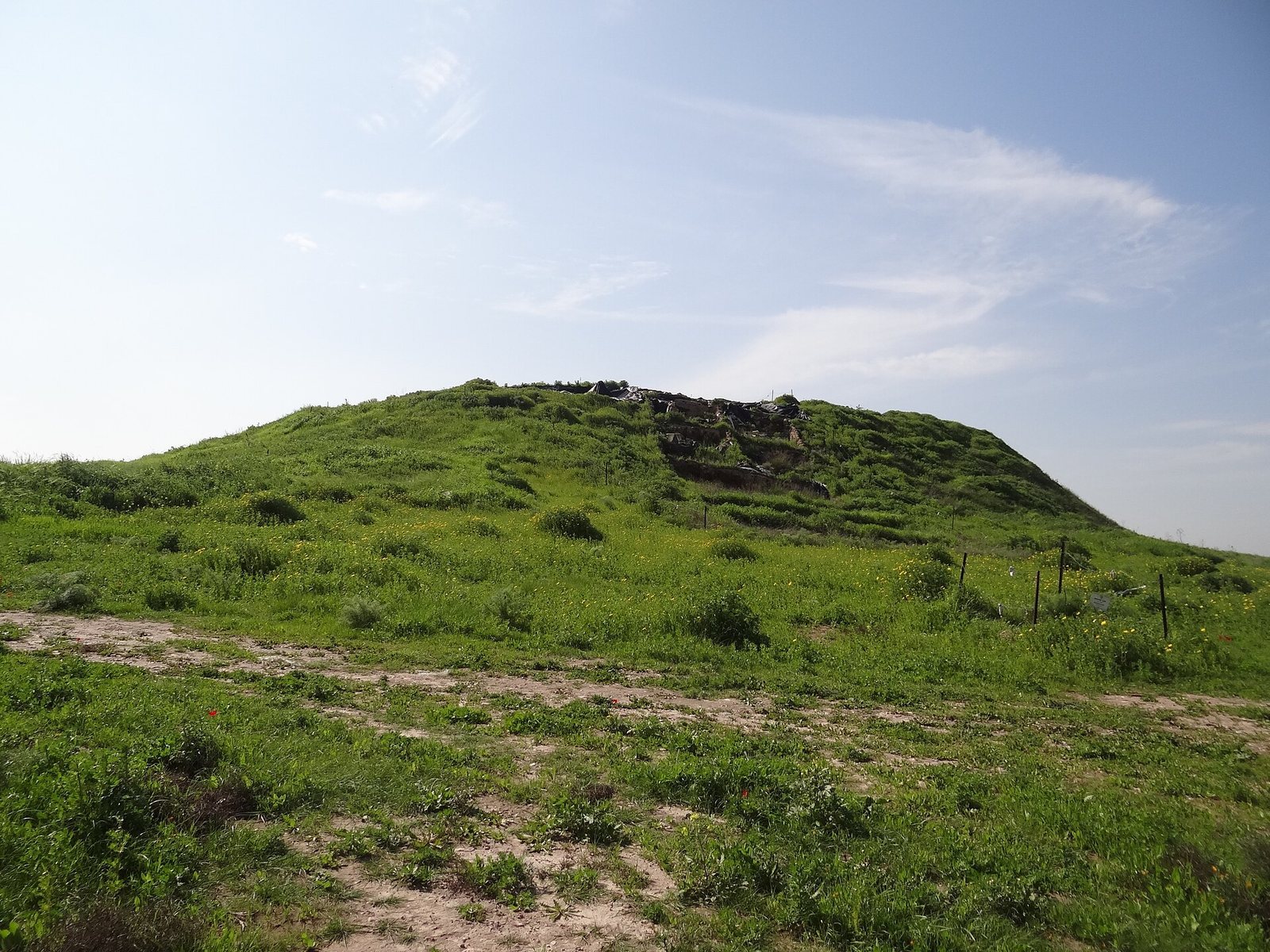
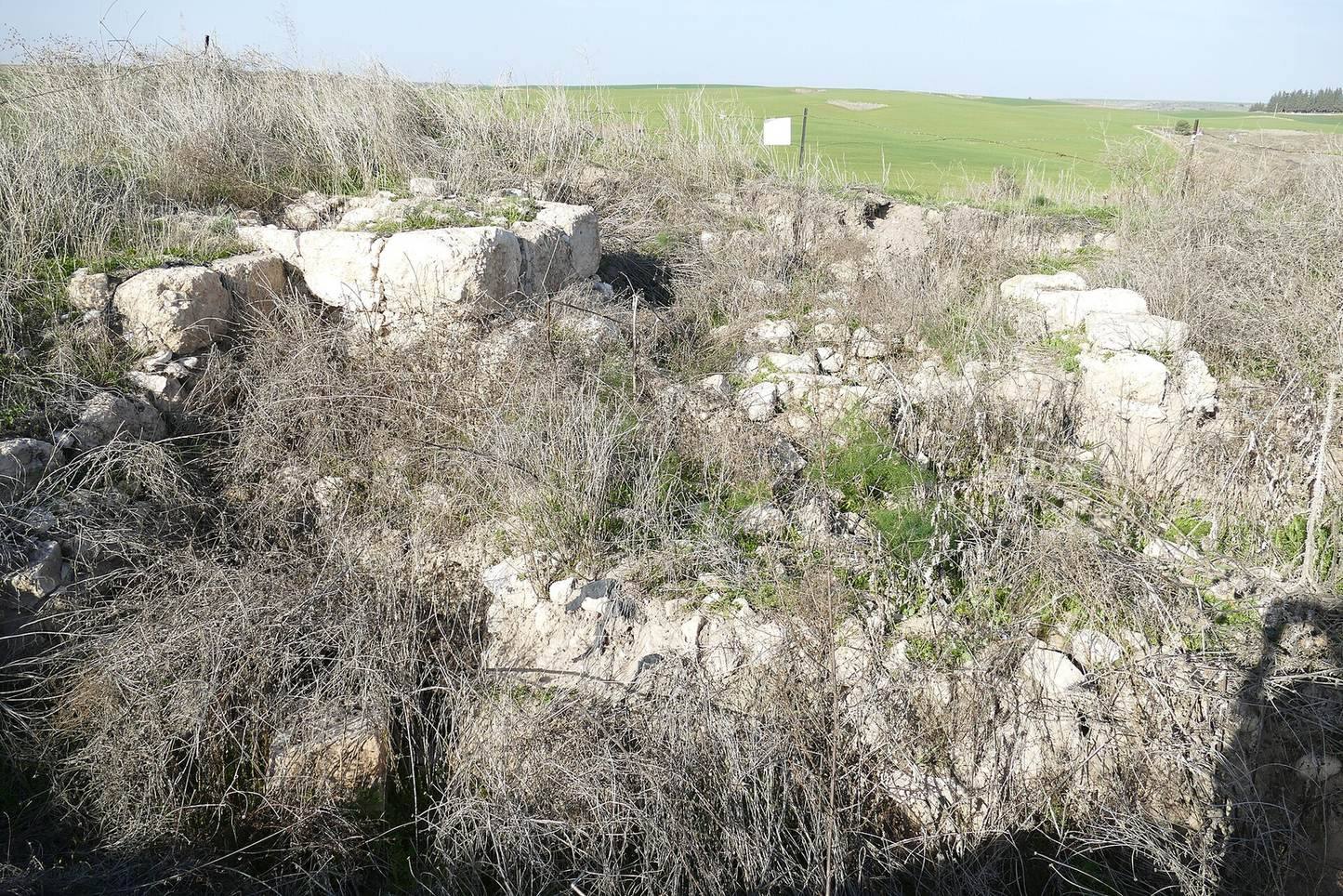
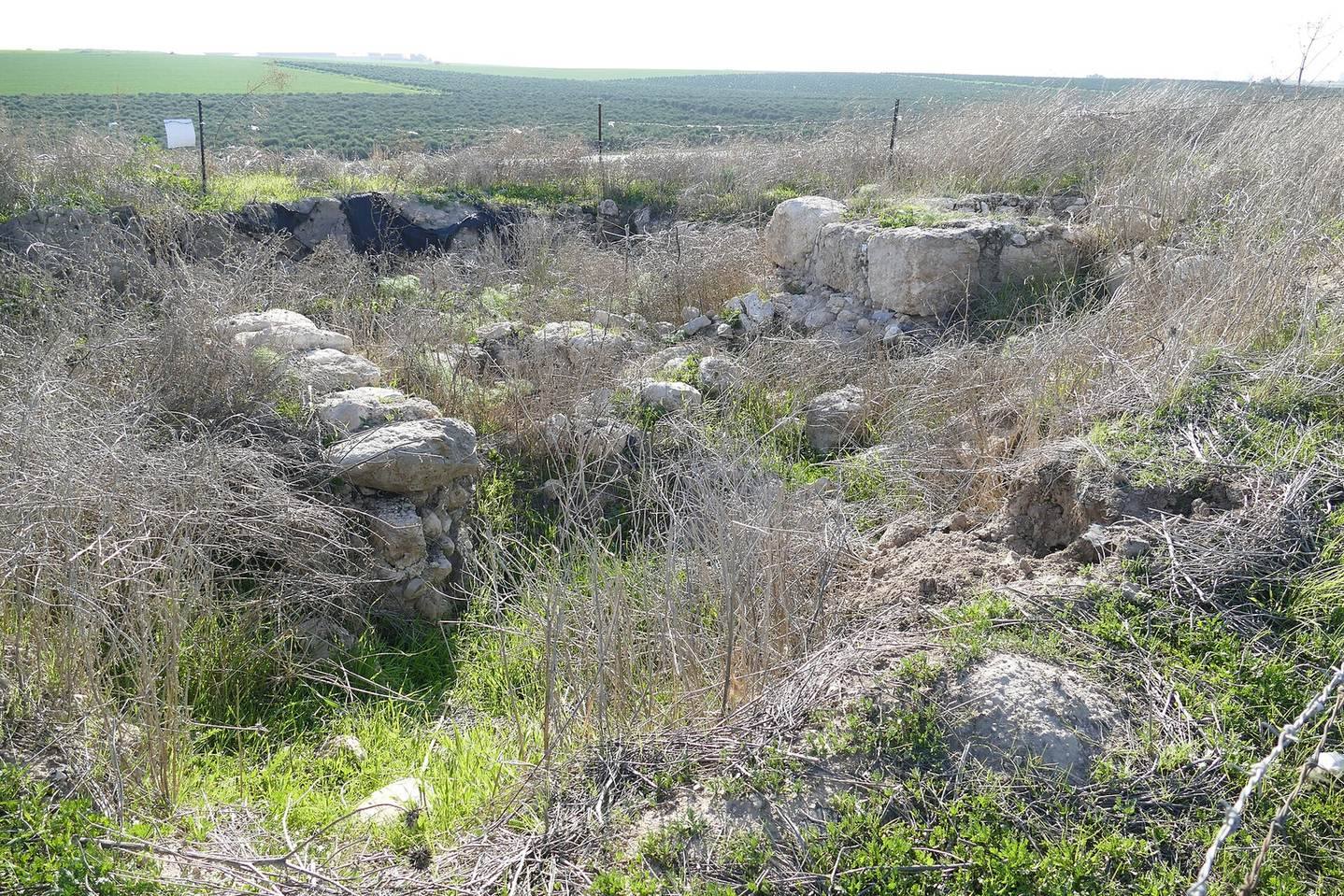
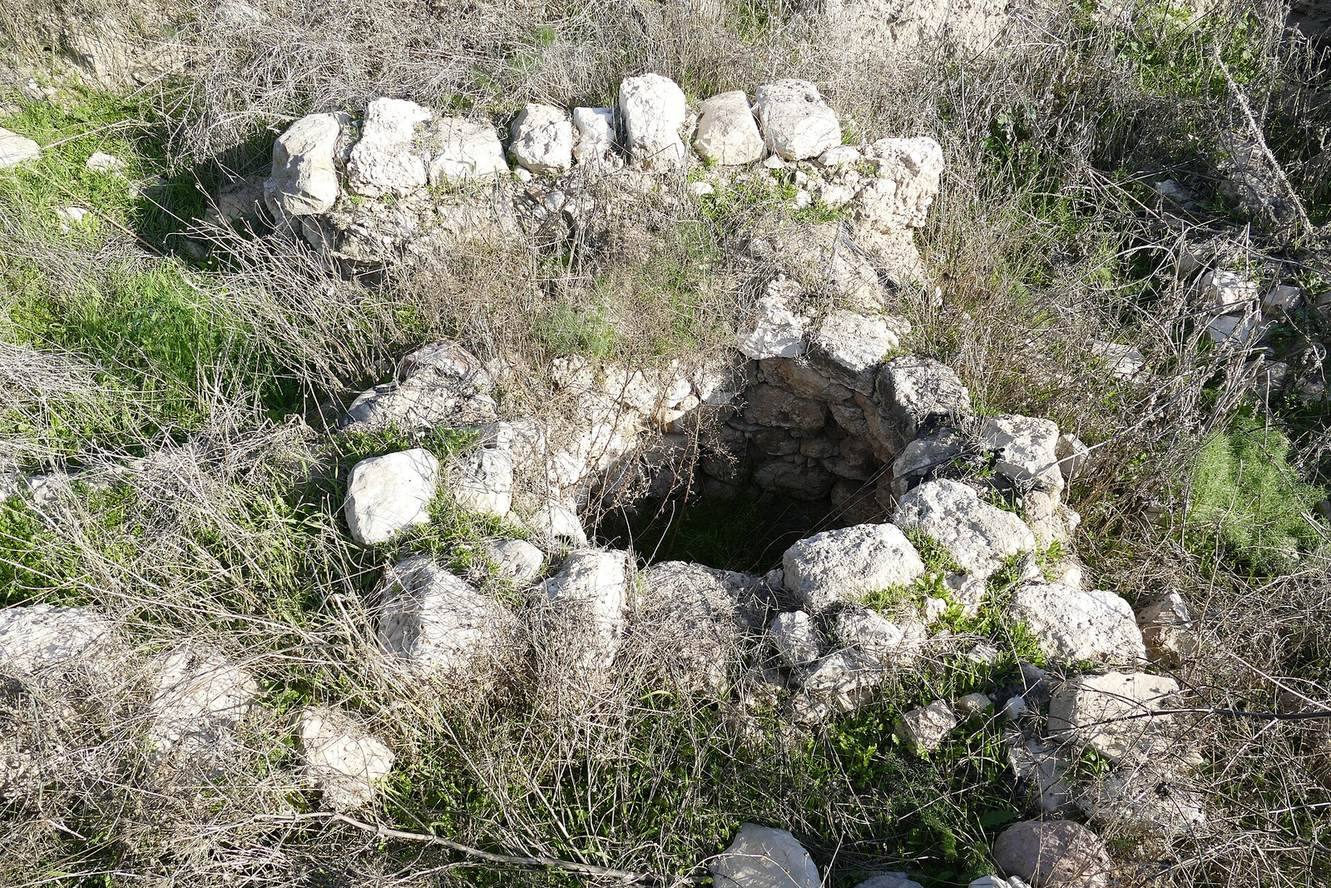
Tel Zayit is a ruined tell, a mound formed by successive layers of occupation and construction, in the Shephelah. It lies about 30 kilometres east of Ashkelon, five kilometres northeast of Kiryat Gat, and west of Kibbutz Gal’on. The site covers 250 dunams, or 250,000 square metres, and rises to 140 metres above sea level. The Late Bronze Age settlement extended across more than 30 dunams, or 30,000 square metres; the later Iron Age IIA city was established at the summit.
The Zayit Stone
The Zayit Stone was built into the wall of a house in a settlement dated to the tenth century BCE. It was found among fire-destruction remains. The associated layer is dated to the tenth century BCE, though a ninth-century date has also been proposed. One face carries an alphabetic sequence read from right to left, with 22 letters in the first row and two in the second. Two marks are thought to divide parts of the sequence; another mark between letters remains unexplained, with proposed readings corresponding to m or sh. The other face bears three words. The inscription has been interpreted as an early form of the ancient Hebrew alphabet, between Phoenician writing and the more developed Hebrew script. An older Hebrew inscription on a potsherd from the Elah Fortress uses Proto-Canaanite, an early alphabetic script ancestral to several later scripts in the region.