Abrigo del Arquero de los Callejones Cerrados: A Rock-Art Shelter in Spain
Site at a Glance
- Popularity
- Very Low
- Country
- Spain
- Primary era
- Stone Age
- Eras represented
- Stone Age
- Civilizations
- Unclassified
- Site type
- Civic
- Remains
- Rock Art
History
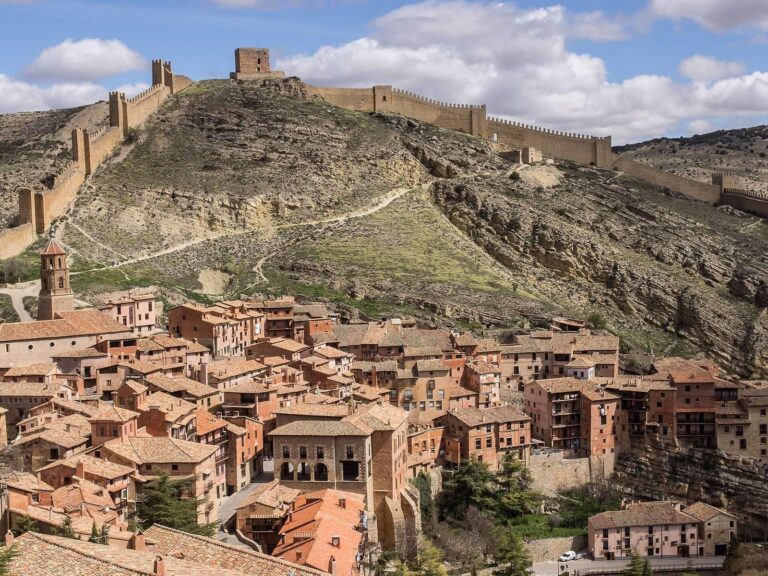
Abrigo del Arquero de los Callejones Cerrados is a rock shelter near Albarracín in Teruel, Spain. Its paintings probably date to the Neolithic, a prehistoric period associated in many regions with farming and more settled ways of life. Archaeologist Martín Almagro Basch discovered them and published the first study in 1953. Later research identified and catalogued further figures, mainly through the work of archaeologist Octavio Collado.
The Cocinilla del Obispo shelter, just over 500 metres away, had known rock paintings by at least the 1890s. The shelter became a protected Asset of Cultural Interest, a formal Spanish heritage category, in 1996. In 1998, it was included among 758 rock-art sites in the UNESCO World Heritage property Rock Art of the Mediterranean Basin on the Iberian Peninsula. It also belongs to Aragón’s statutory list of caves and shelters with rock art, published in 2002 under the region’s 1999 Cultural Heritage Law.
Remains
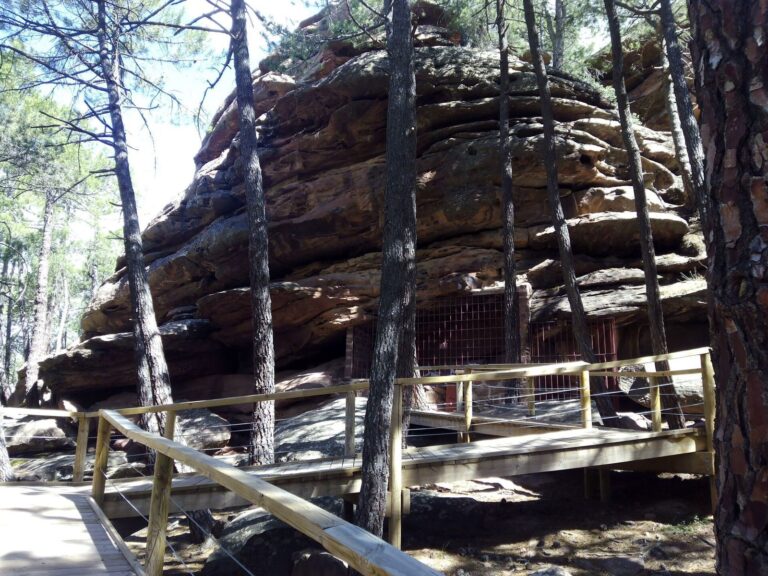
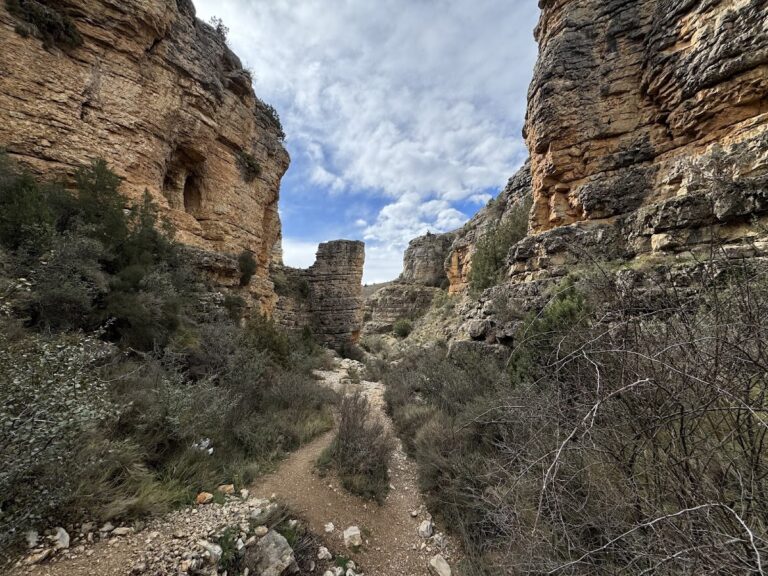
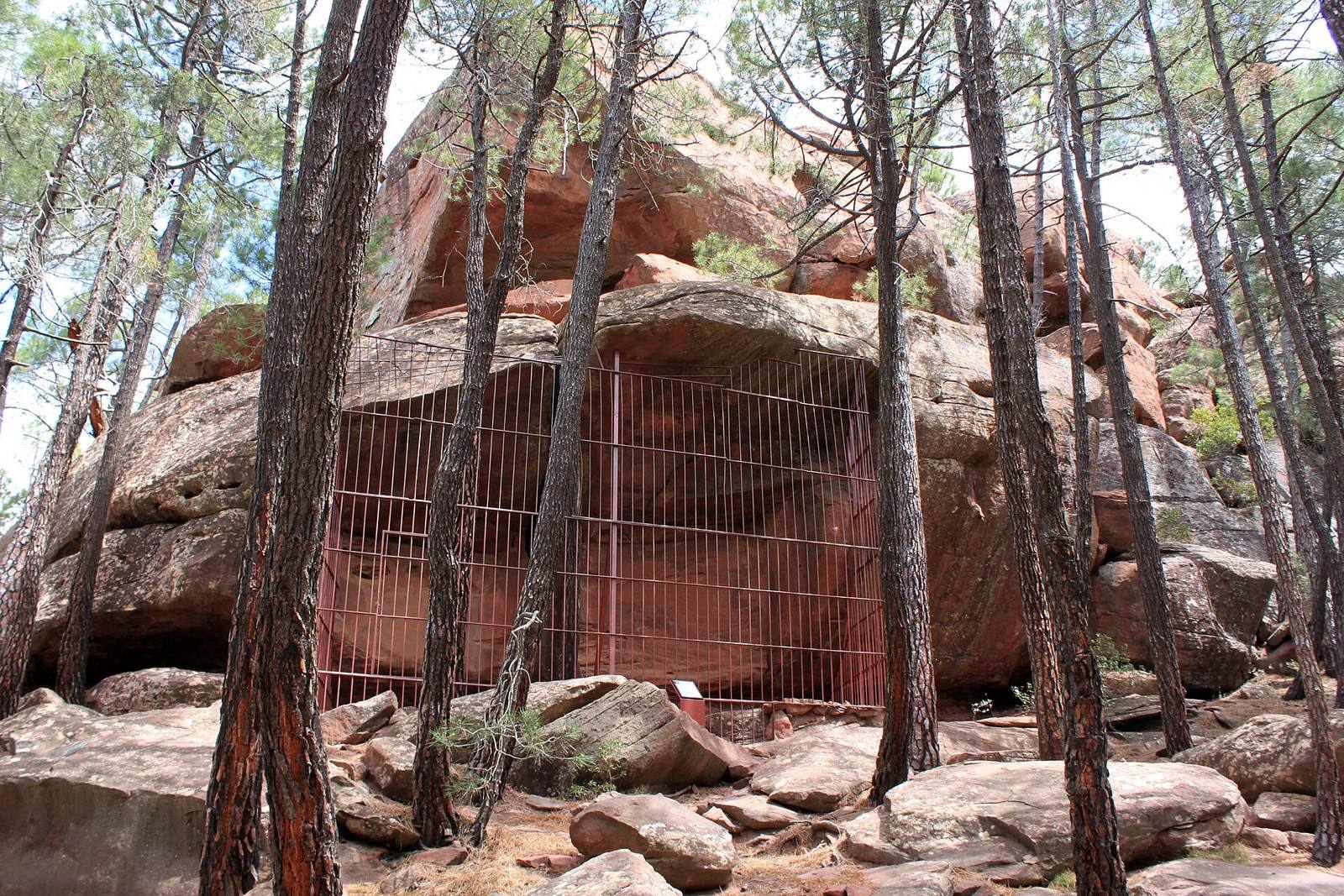
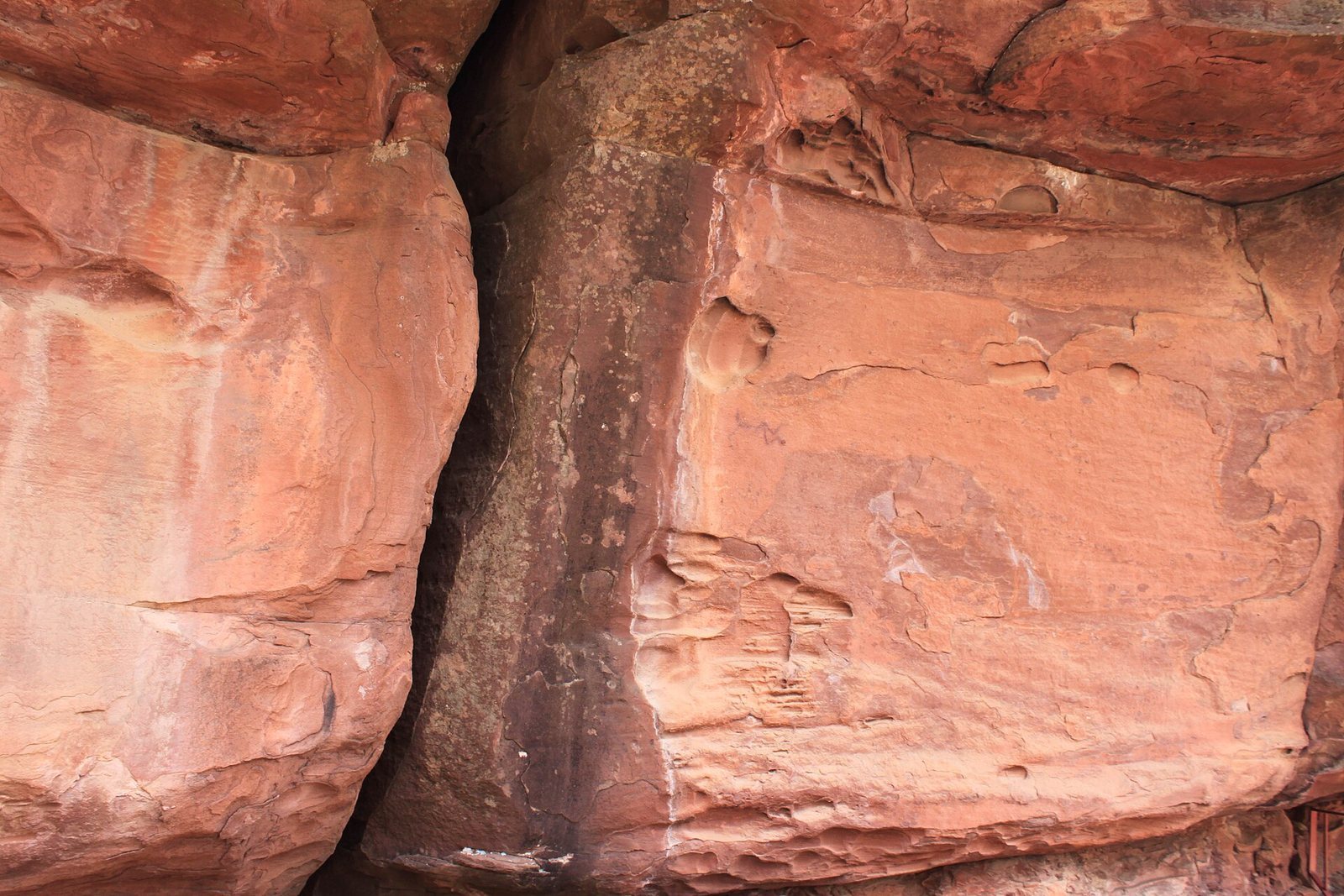
The natural shelter lies in the Sierra de Albarracín, within the Pinares de Rodeno Protected Landscape and the Albarracín Cultural Park, an area linking cultural heritage with its landscape. Its painted band, about nine metres wide, is arranged across two panels. A third panel at the far right contains several human-like figures and four-legged animals, now barely perceptible.
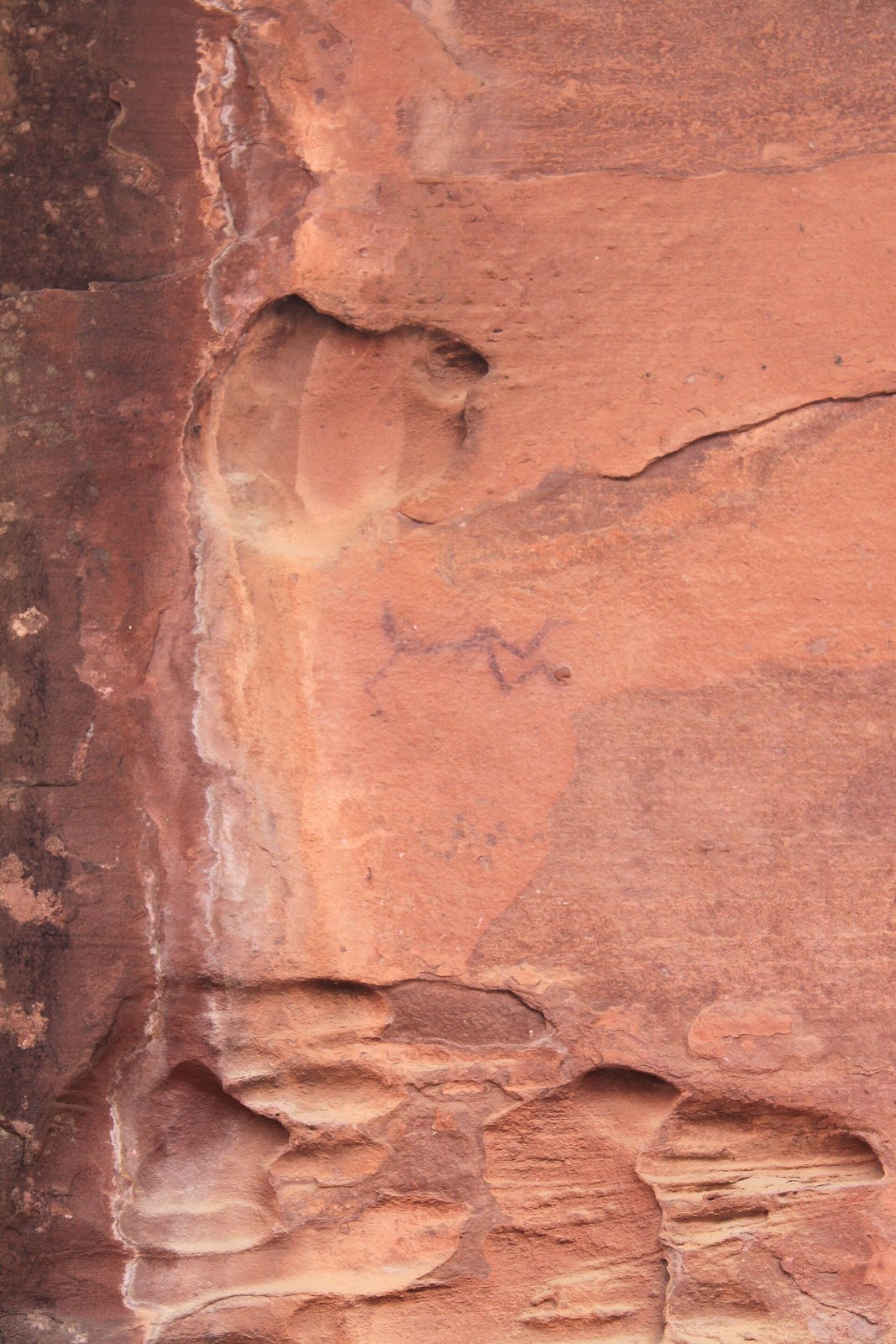
The two main panels contain thirteen figures, including a hunting scene, a female figure, cattle-family animals, horse-family animals and a goat-like animal. The images combine linear strokes with areas of flat reddish and violet pigment. Near the centre, a dark-violet archer, 19 centimetres long, lies horizontally as if preparing to shoot a bow. The figure is nude, with bent legs resting on a small natural ledge; its elongated head is covered by what may be a helmet or tall hat. At the far left, a highly stylized human figure, probably female, is painted reddish-brown.