Stará Boleslav: An Early Medieval Fortified Settlement in Czechia
Site at a Glance
- Rating
- 4.4
- Popularity
- Medium
- Country
- Czechia
- Primary era
- Medieval
- Eras represented
- Medieval
- Civilizations
- Duchy of Bohemia
- Site type
- Military
- Remains
- Fortified Town
On this page12 sections
History
Stará Boleslav was an early medieval fortified settlement beside an important ford across the Elbe in present-day Czechia. It was founded at the beginning of the tenth century, probably by Duke Spytihněv I, and was initially called Boleslav. The settlement developed on a site that had already been inhabited. Its history became closely associated with the killing of Duke Wenceslas, later venerated as Saint Wenceslas, on 28 September 935 beside the Church of Saints Cosmas and Damian.
Foundation and ducal centre
The settlement’s earliest defenses were made of timber and earth. During the tenth century, a stone wall replaced them, probably in the lifetime of Duke Boleslav I. The precise date is uncertain. Cosmas, a medieval Bohemian chronicler, preserved a foundation tradition linking Boleslav I with the fortification.
From the 930s until the end of the tenth century, the principal fortified area, or acropolis, included timber structures serving the settlement’s inhabitants. One building probably served as the duke’s residence, while a metalworking area supplied goods for local use. Around the turn of the eleventh century, this settlement was replaced by buildings with floors below ground level.
Churches and changing use
After 1039, Duke Bretislaus founded the Basilica of Saint Wenceslas on the site of the earlier Church of Saints Cosmas and Damian. He brought sacred relics of the Five Holy Brothers, a group of Christian martyrs, from his incursion into Poland and placed them in the basilica. Built in the mid-eleventh century over the area of the earlier sunken buildings, the basilica accompanied a shift in the acropolis toward religious use, especially burial. The Boleslav chapter, a collegiate body of clergy serving a major church, was established at about the same time.
Further churches followed toward the end of the eleventh century. The Church of Saint Clement stood beside the basilica, and another church was built in the area now occupied by Saint Wenceslas Square. A third was established in the outer settlement, where the Church of the Assumption of the Virgin Mary now stands. Burial grounds were associated with each of these churches.
Archaeology and protection
Investigations during the first third of the twentieth century, followed by rescue excavations in the 1980s and 1990s, helped establish the settlement’s broad history and chronology. The work of Jan Frolík and Jaroslav Špaček was particularly important. The archaeological site is protected as a cultural monument.
Remains
The settlement occupied a terraced rise about three to five metres above the modern Elbe floodplain. Its smaller acropolis and more extensive outer settlement together covered more than ten hectares. The Elbe’s meanders offered natural protection to the south, the Jizera lay to the east, and marshy ground extended northwest. The northeast was the only accessible approach.
Defenses and boundaries
Acropolis defenses
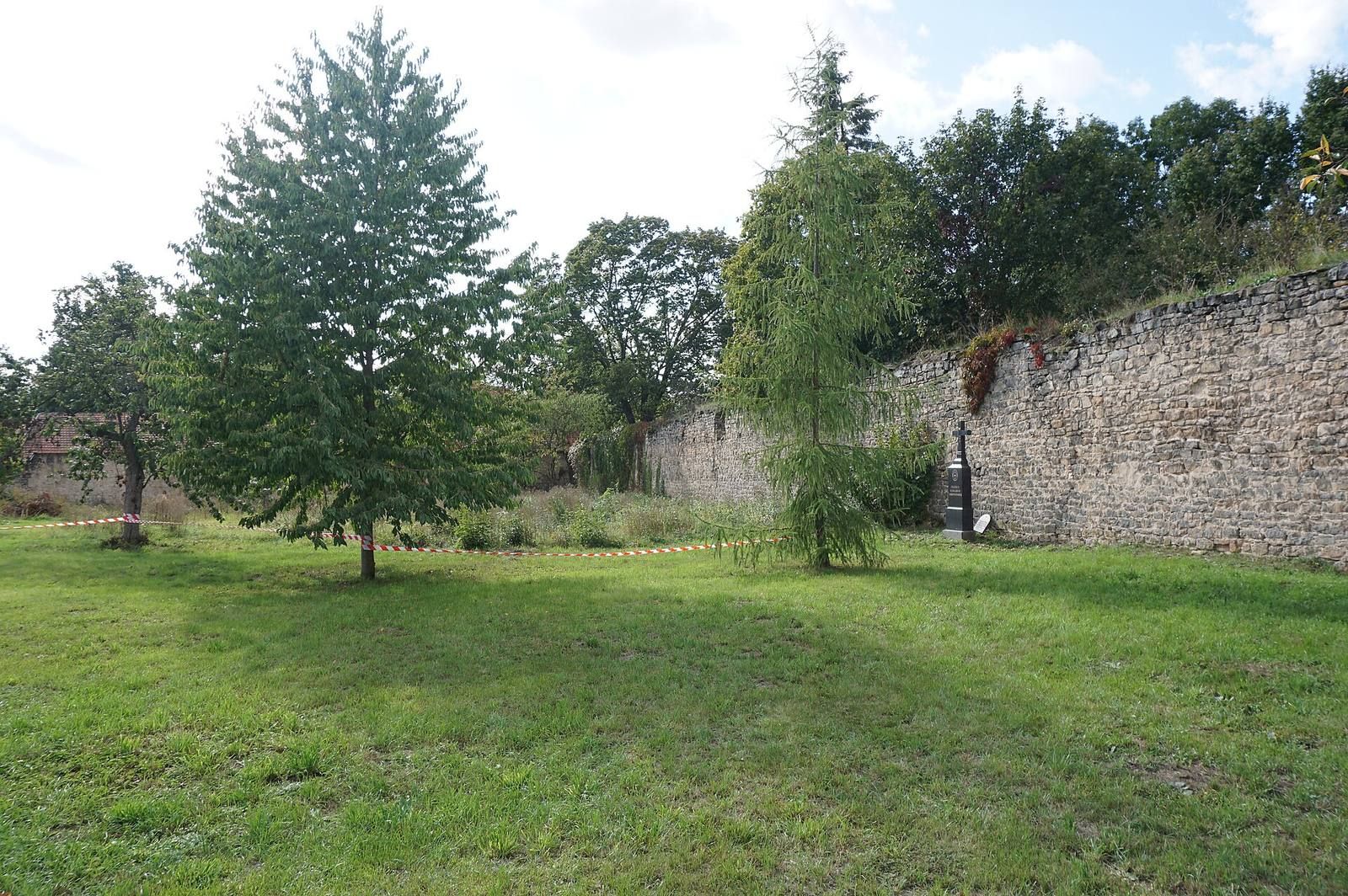
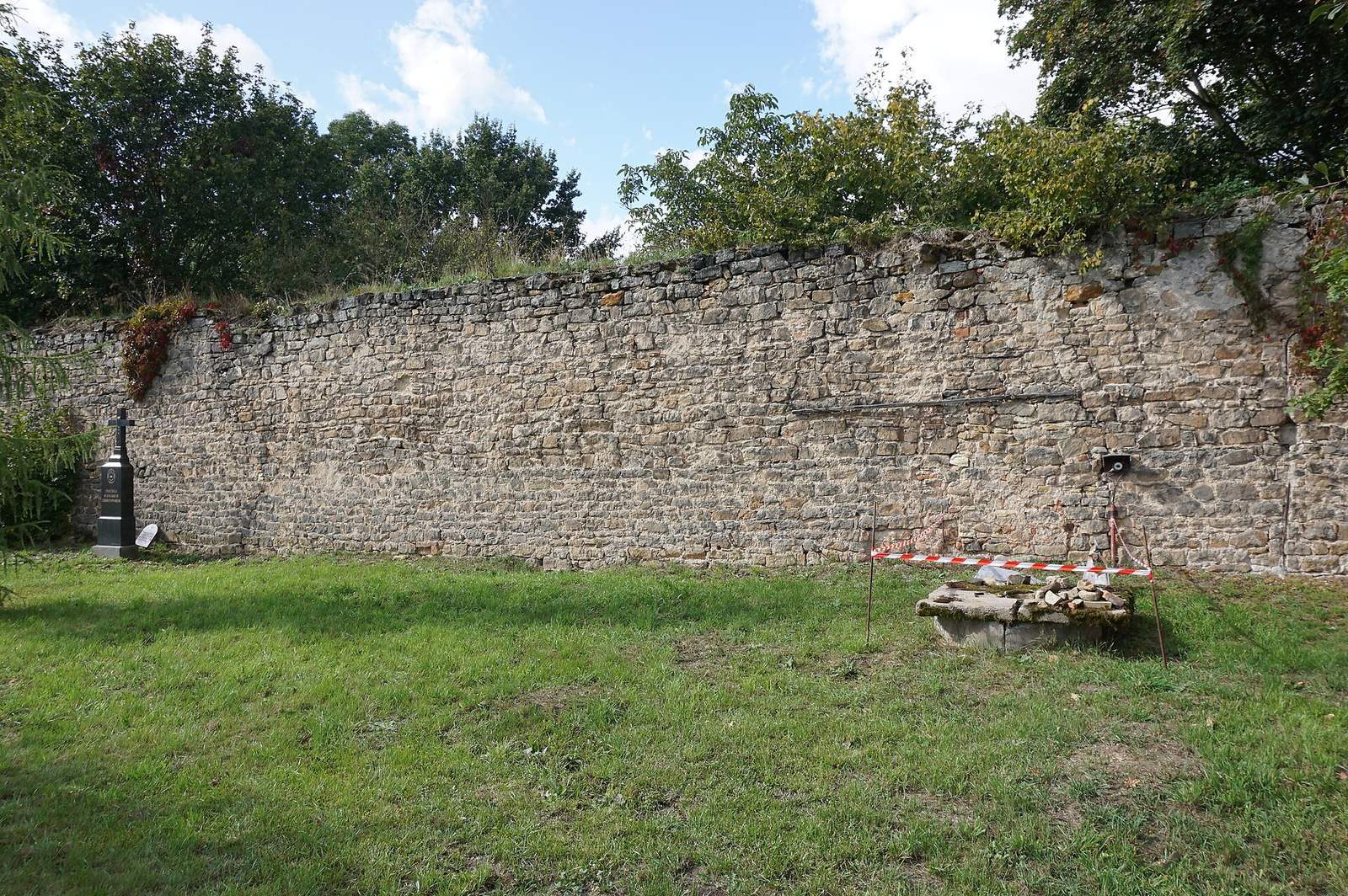
The first enclosure of the acropolis was a timber-and-earth defensive bank with a stone facing on its outer side. In the tenth century, a masonry wall built from sandstone blocks set in mortar replaced it. The wall was approximately 2.5 to 3 metres thick. A section discovered in 1993 in the deanery garden north of the Basilica of Saint Wenceslas dates to the tenth century and is the oldest masonry wall in Czechia.
Division and outer boundary
A cross-wall and ditch divided the acropolis from the outer settlement. A later town wall followed part of this dividing line. The outer settlement may have had its own timber-and-earth defensive bank, though a simpler enclosure is also possible. A change in ground level on U Staré kovárny Street is considered a possible trace of that boundary.
Buildings and routes
Church sites
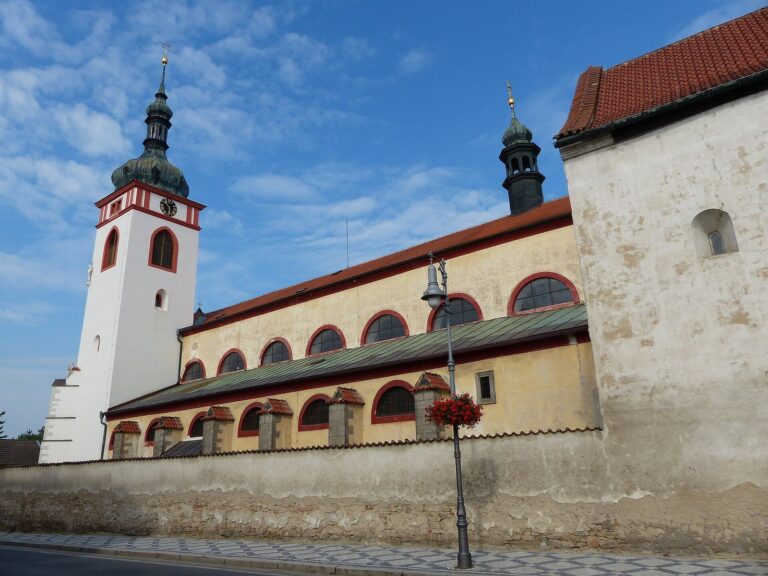
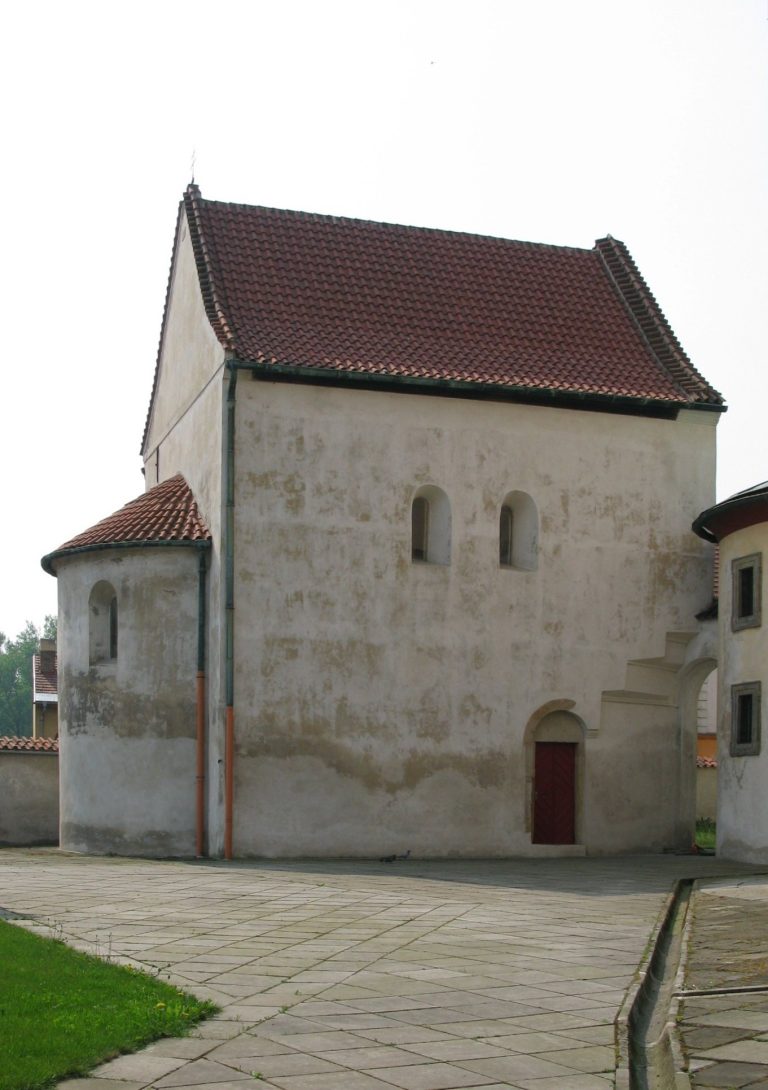
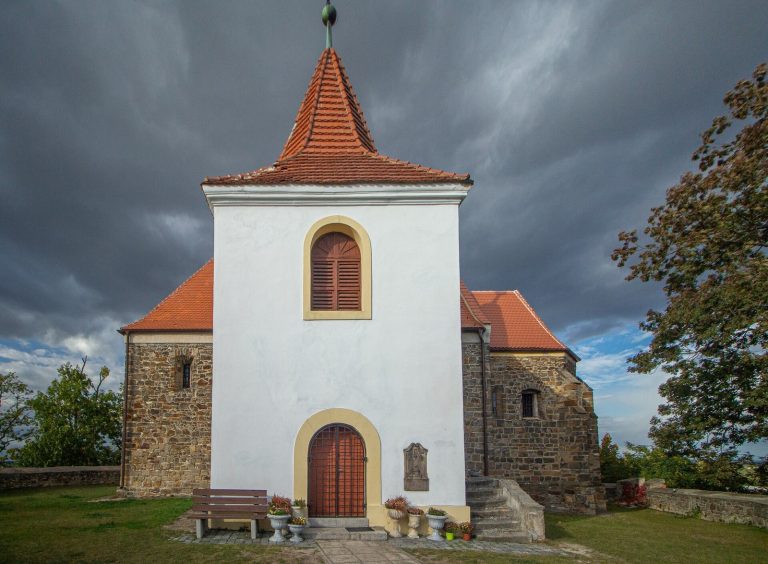
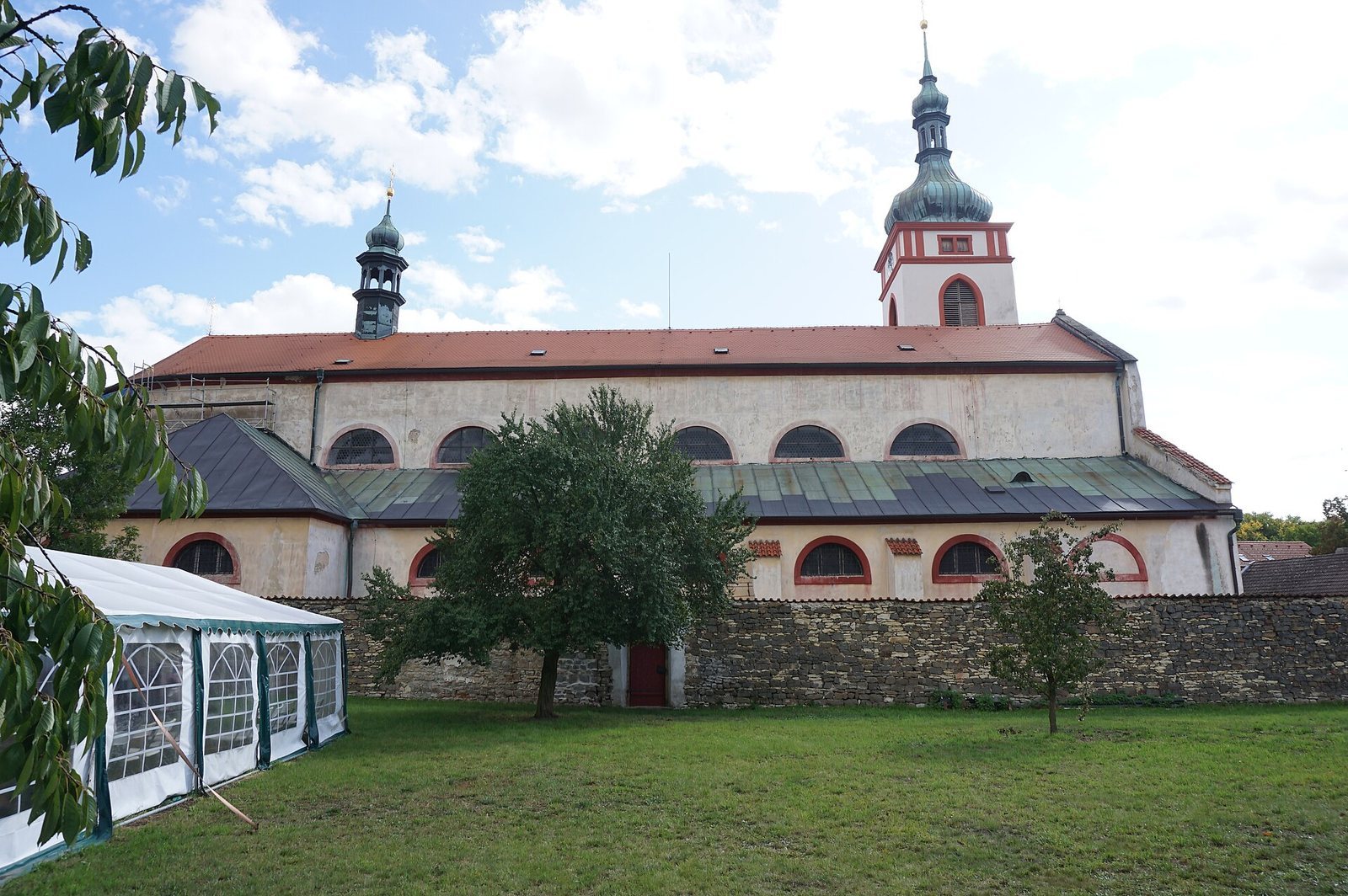
The Church of Saints Cosmas and Damian, probably a wooden building, stood on the acropolis. The Basilica of Saint Wenceslas occupies the site of that earlier church, and the Church of Saint Clement stood beside it. The ground plan of another late-eleventh-century church is marked in the paving of Saint Wenceslas Square. In the outer settlement, the present Church of the Assumption of the Virgin Mary stands on the site of a church built around the same period.
Timber buildings and craft area
The acropolis contained an extensive ducal court and several smaller, separate courtyards. At least seventeen log-built structures have been identified; their walls were made from horizontally laid timbers. These are among the earliest documented log constructions in Bohemia. One building probably served as the ducal residence. The acropolis also had a metalworking area, likely intended to supply the settlement’s inhabitants.
Settlement routes
Routes through the settlement were first surfaced with pieces of marlstone, a relatively soft calcareous stone. Later, probably in connection with the construction of Saint Clement’s Church, this paving was replaced by a mixture of quarried stones and rounded pebbles. The settlement’s remains and many of its structures now lie beneath the buildings of the modern town.