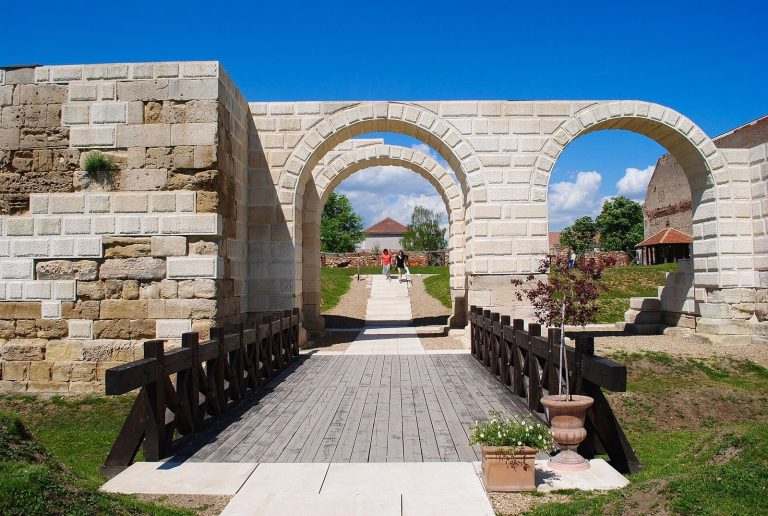
Căpâlna Fortress: A Dacian Military Stronghold
Site at a Glance
- Popularity
- Medium
- Country
- Romania
- Primary era
- Classical
- Eras represented
- Classical
- Civilizations
- Dacian
- Site type
- Military
- Remains
- Fort
On this page11 sections
History
Căpâlna Fortress, near Căpâlna village in Romania, was built around 50 BC by the Dacians, an ancient people of the region. It guarded the route from the Sebeș Valley toward Sarmizegetusa Regia, the Dacian kingdom’s capital, and protected the capital’s eastern flank. The stronghold may also have served as a Dacian chieftain’s residence.
War and destruction
The fortress was drawn into Emperor Trajan’s campaigns against Dacia, known as the Dacian Wars. Roman forces occupied it during the first war and destroyed part of its defensive wall. The wall was hurriedly rebuilt shortly before the second war.
Sometime after AD 102, following the first war, the gate facing the Sebeș Valley was blocked. Around AD 106, Roman forces burned and destroyed the fortress. It was abandoned that year.
Archaeology and heritage
Historian Gábor Téglás mentioned the fortress in 1892, and Halavátsy Gyula described it in travel notes in 1906. Archaeological campaigns took place in 1939, 1942, and 1954 under Mihail Macrea and Ion Berciu, followed by excavations in 1965–67 and 1982–83 coordinated by Hadrian Daicoviciu. Macrea, Berciu, and Ioan Glodariu are also associated with archaeological work at the site.
Căpâlna is part of the Dacian Fortresses of the Orăștie Mountains, a group of Dacian fortifications and related sites inscribed on the UNESCO World Heritage List in 1999 under criteria (ii), (iii), and (iv). The fortress is also listed as a Romanian historic monument.
Remains
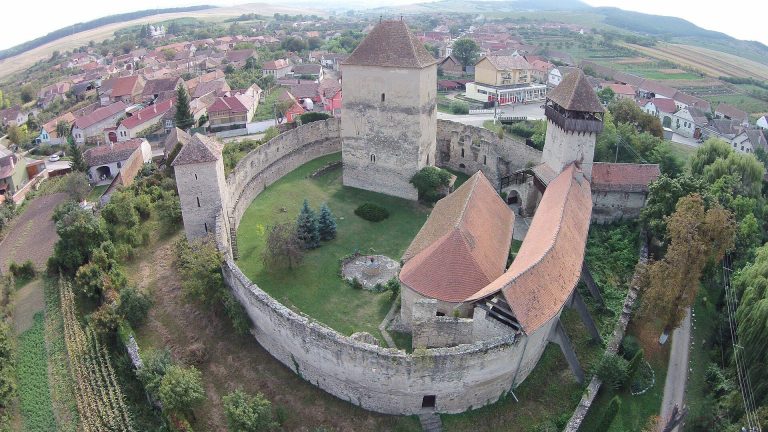
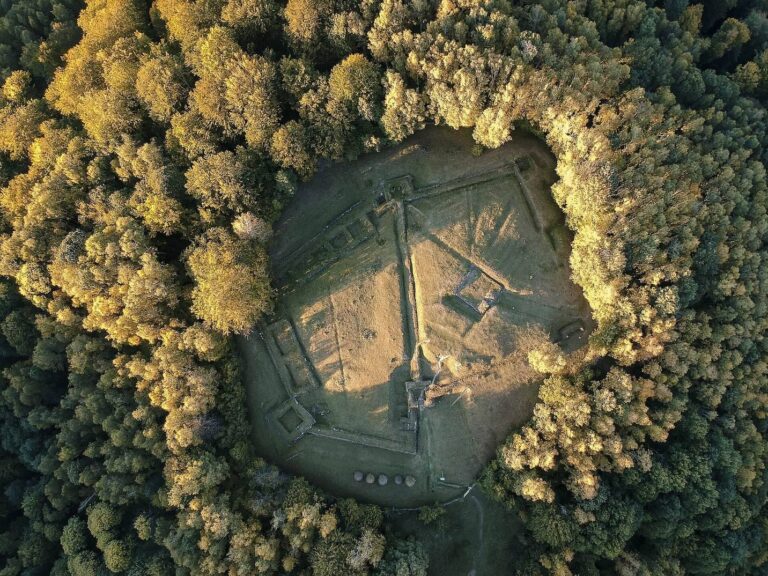
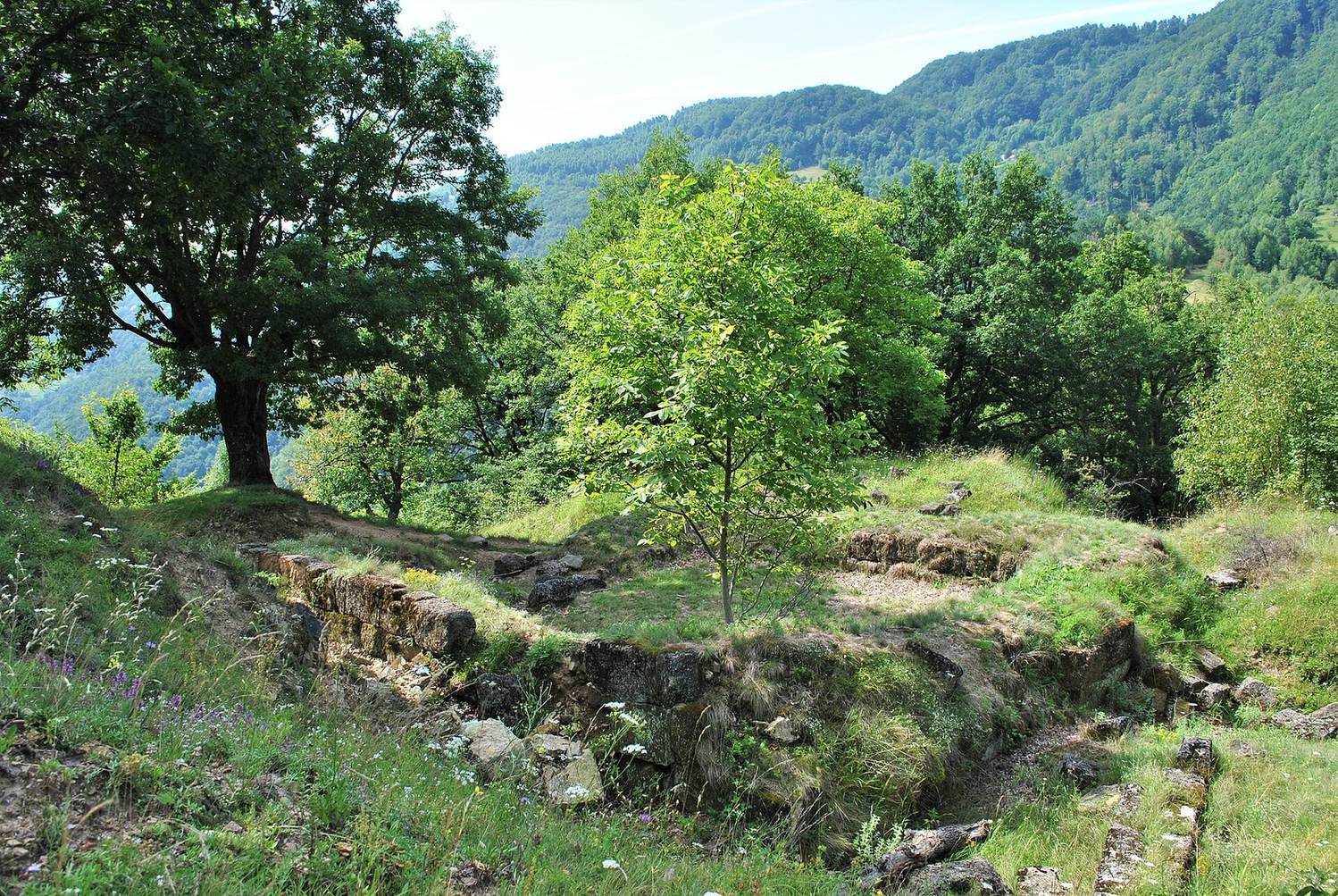
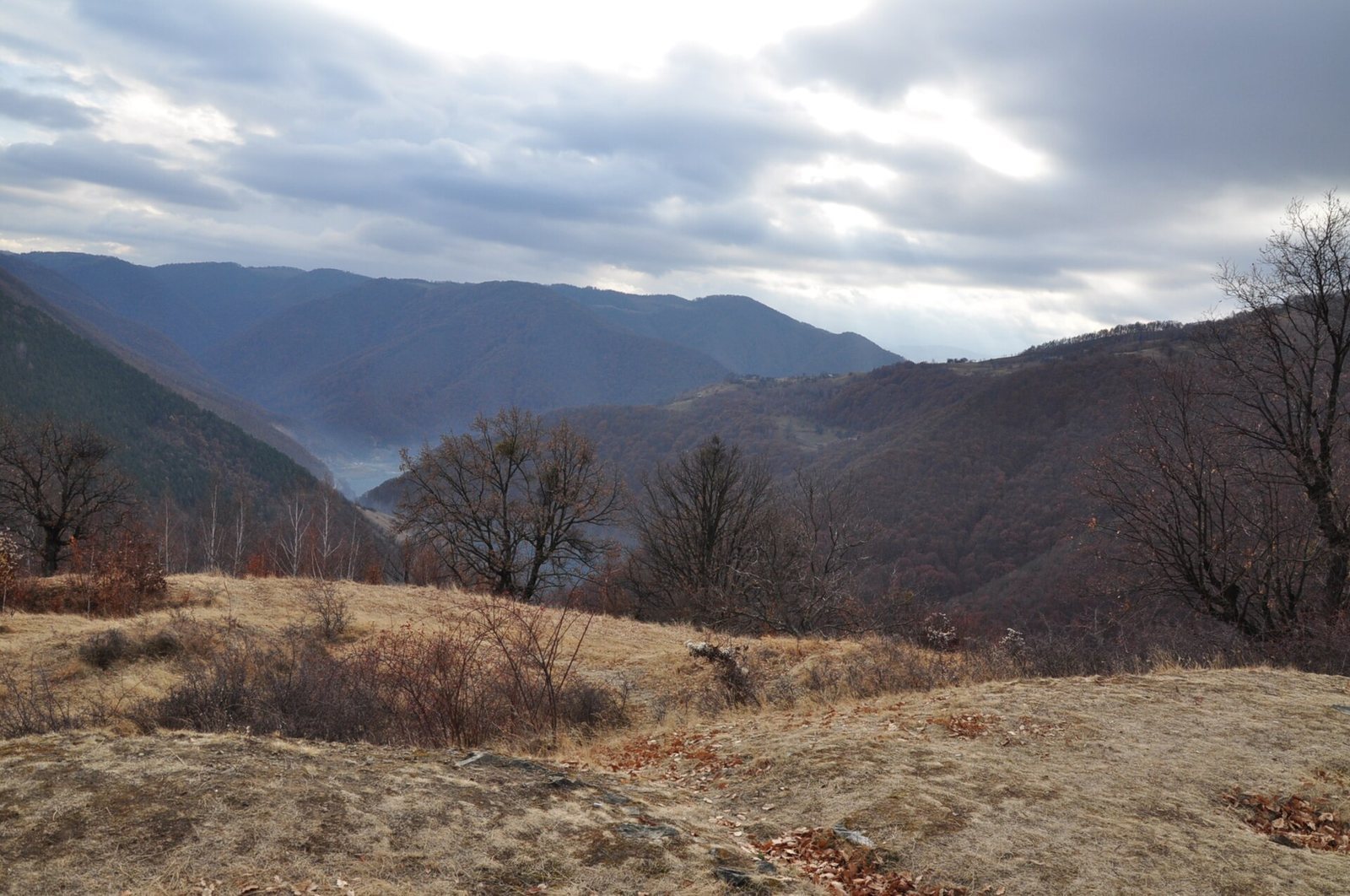
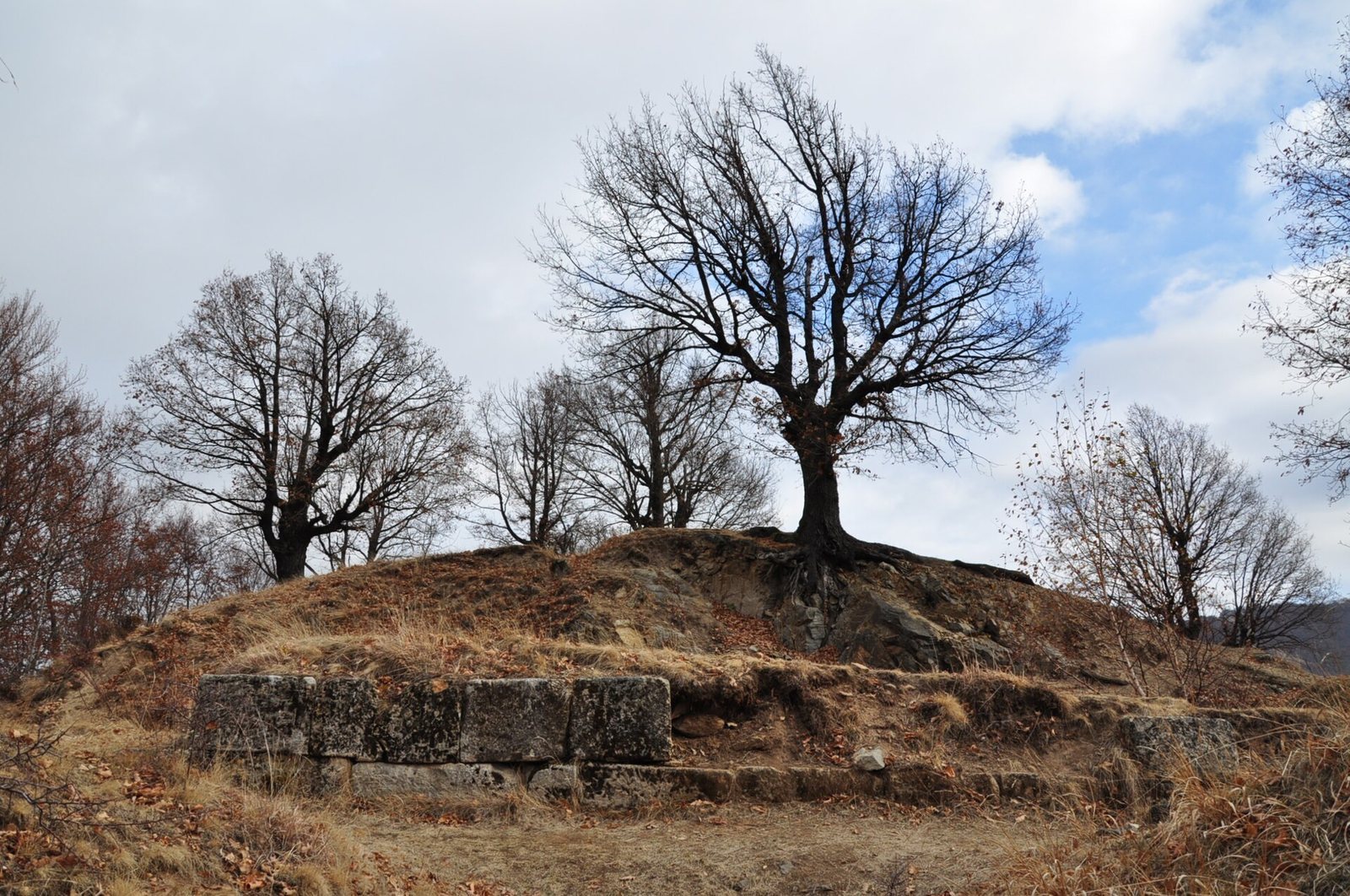
The ruins occupy a steep hill about 600 metres above sea level, on the left bank of the Sebeș River between the Gărgălăului Valley and the Râpii stream. The site is about two kilometres south of Căpâlna village and 19 kilometres south of Sebeș. An ancient road climbs the slope from the Râpii stream before turning toward the fortress. Inside the enclosure, the remains include two terraces.
Defences and structures
Enclosing wall and ditches
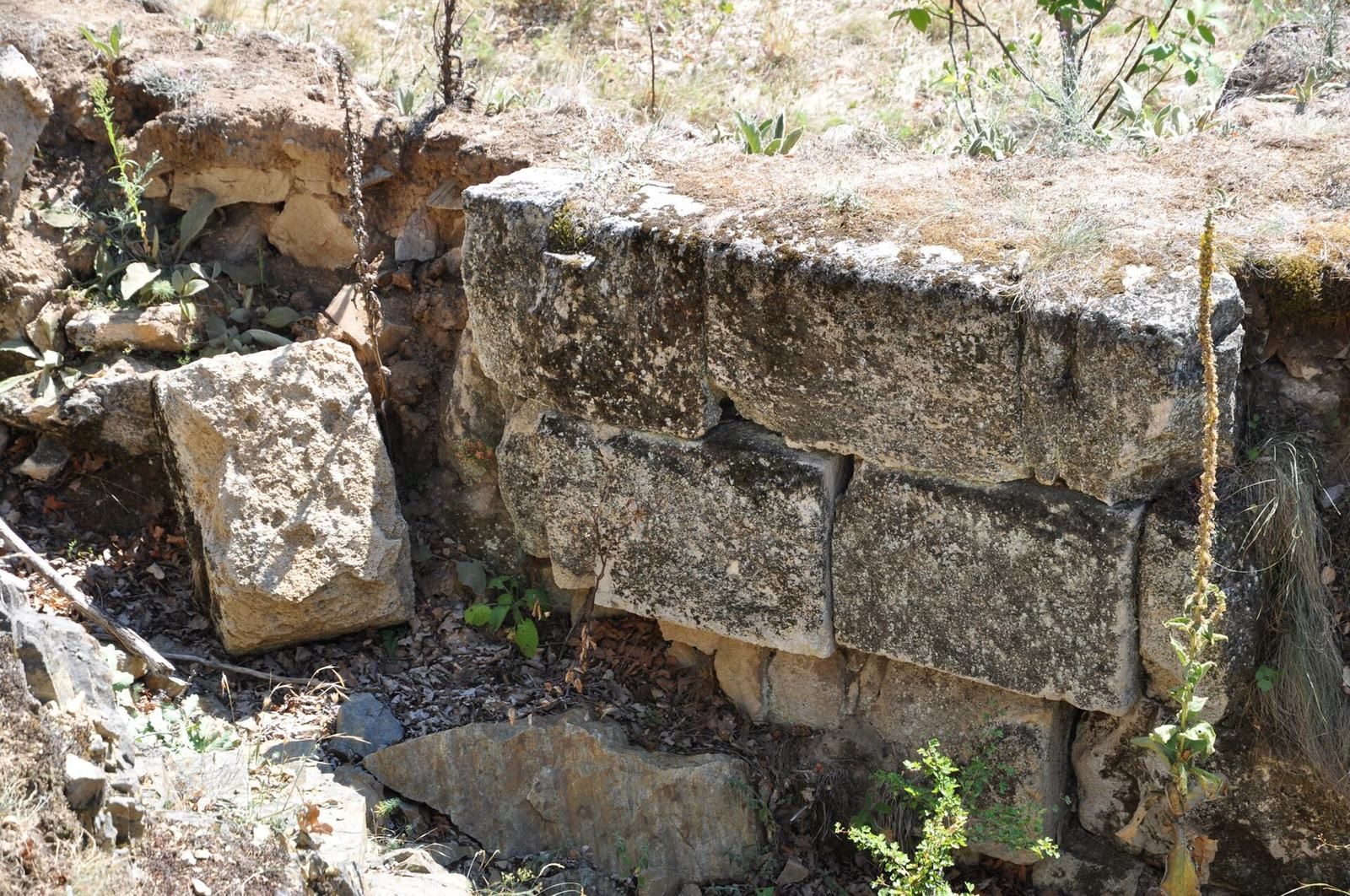
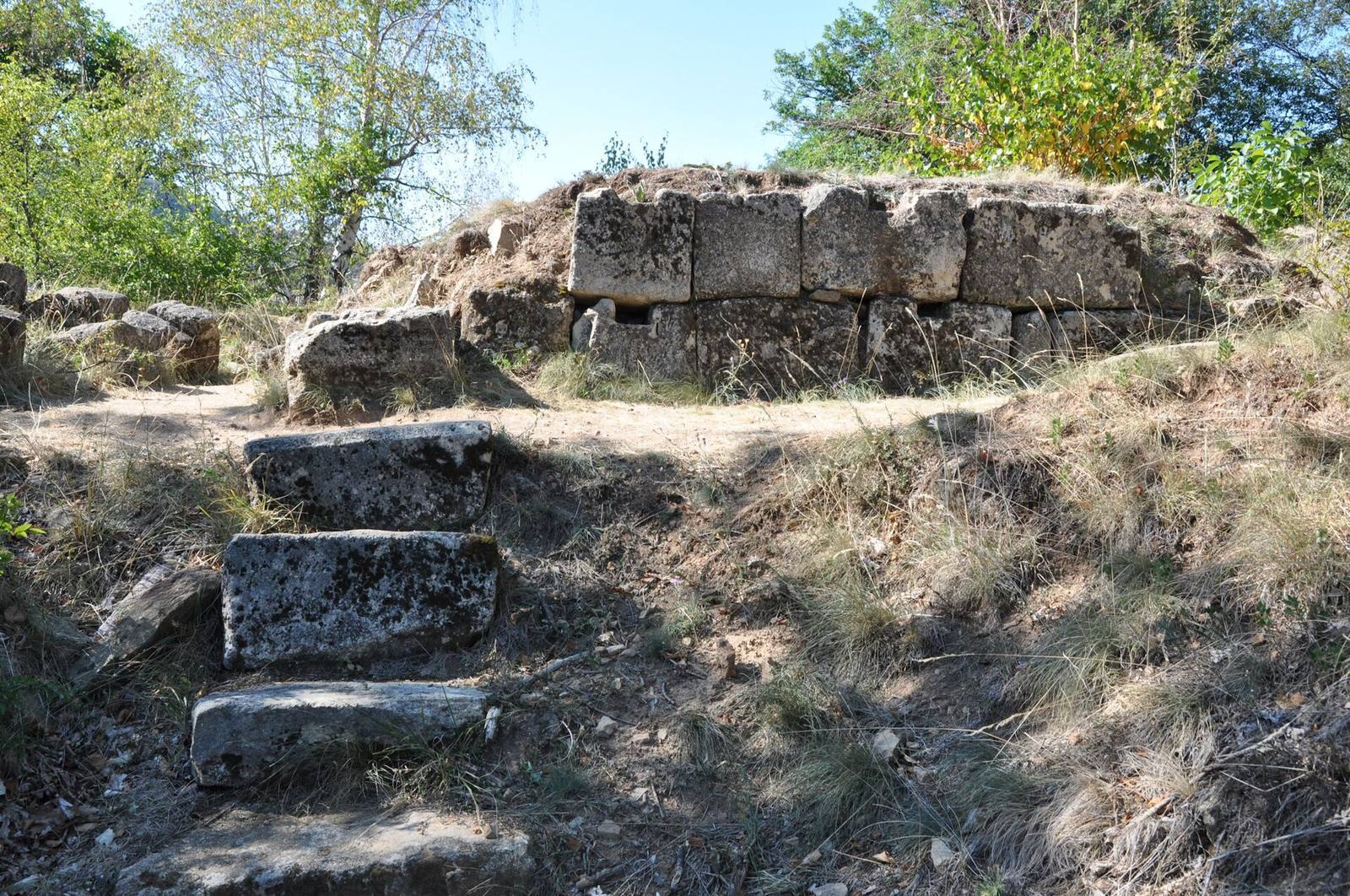
An elliptical defensive wall, about 270 metres long, surrounded the fortress. It was built using the Dacian wall-building technique. Three defensive ditches lay outside the wall.
Terraces, towers, and gates
An observatory tower stood at the highest point of the upper terrace. Near the main fortified gate was a tower-house measuring 9.5 by 9.5 metres. A second gate opened toward the Sebeș Valley. Excavations also revealed the remains of a Dacian sanctuary.
Finds
Pottery and spinning tools
Pottery finds include handmade and wheel-made cooking pots, as well as painted vessels of foreign inspiration or imported origin. T-shaped clay templates were used to shape vessels. Spindle whorls, weighted tools for spinning thread, point to wool-spinning activity. Pottery fragments were also fashioned into tokens, probably for games; this type of token was considered characteristic of military-barracks settings.
Tools, weapons, and personal objects
Iron objects include blacksmiths’ hammers, tongs, and chisels; carpentry axes and adzes; and agricultural ploughshares, hoes, and sickles. Other finds include nails, studs, clamps, household vessels, strainers, knives, horse-harness parts, daggers, spearheads, and arrowheads. Clothing pieces and ornaments made of iron, bronze, and silver include links, buckles, bracelets, finger rings, and fibulae, ancient garment fasteners.
Gold objects and coins
Around 2002–03, a gold necklace with pendants and two gold earrings were discovered. Twenty-nine Roman silver coins came from inside and around the tower-house. Other coins from the site date to both the Roman Republic and the later Empire.