Hammarby Farm: A Historic Parsonage in Botkyrka, Sweden
Site at a Glance
- Popularity
- Low
- Country
- Sweden
- Primary era
- Modern
- Eras represented
- Early Modern, Modern
- Civilizations
- Swedish
- Site type
- Domestic
- Remains
- Manor House
On this page10 sections
History
Hammarby Farm is a historic farm beside Lake Aspen in Botkyrka Municipality, Sweden, just west of Botkyrka Church. The surrounding area had settlements during the Iron Age and Middle Ages, and Hammarby became the church’s parsonage during the medieval period.
Early settlement and the medieval church
Tradition holds that Saint Botvid grew up at Hammarby. Botkyrka takes its name from Botvid, a Swedish Christian saint. The earliest people known by name to have owned Hammarby were Sven and Bänkfrid, Botvid’s parents. They lived in the eleventh century and were pagans.
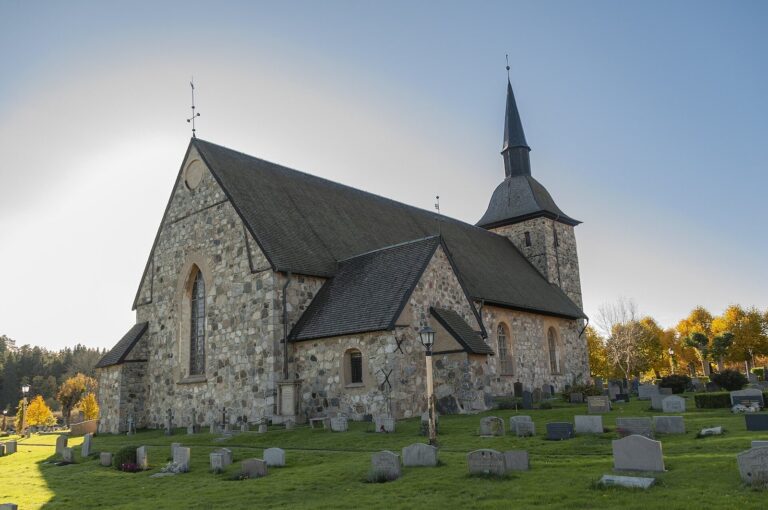
A timber stave church, built with a structure supported by upright wooden posts, was erected on Hammarby land in 1129. It preceded the present-day Botkyrka Church. Hammarby served as the priest’s residence in the Middle Ages. Though it was not a noble estate, the farm held status. The church village is first mentioned in 1539, a date that may indicate it was established in the fifteenth century.
Conflict and rebuilding
During a battle near Botkyrka Church in 1568, King Erik XIV of Sweden housed Scottish mercenaries in the parsonage. He had brought his troops across a floating bridge at what is now Flottsbro, then along the Göta Road, to repel a Danish attack on Stockholm. Danish forces approached from the west between Lakes Aspen and Bornsjön. Erik’s troops won a battle in the fields near the church, but the Danes burned the parsonage as they withdrew.
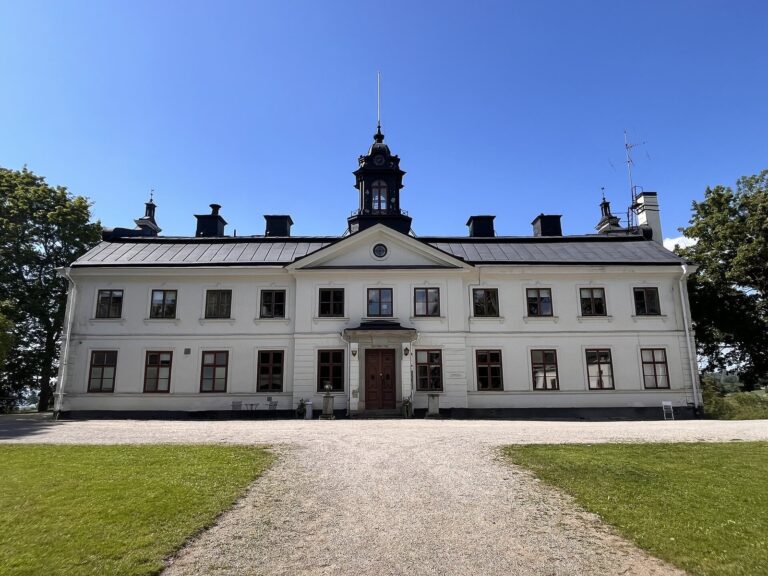
The parsonage burned again in 1768. The present main house was built in 1804 to designs by Swedish architect Christoffer Gjörwell.
Changes in ownership and use
In 1903, the City of Stockholm acquired part of Hammarby’s landholding and incorporated it into the Bornsjö estates. Hammarby remained the parsonage of Botkyrka Church until 1997 and is now privately owned. The Saint Botvid Pilgrimage Route passes the farm.
Remains
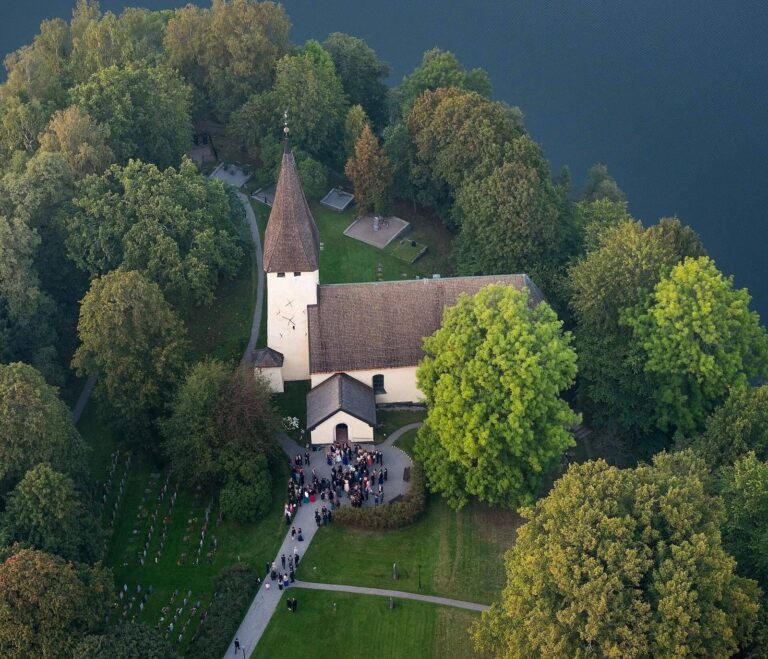
The farm lies west of Botkyrka Church at Prästviken on Lake Aspen. Its present main house and associated buildings stand within a landscape that also preserves archaeological traces of earlier settlement.
Landscape and archaeological evidence
A wooded burial ground lies west of the present parsonage and contains at least 71 archaeological features. Elsewhere in the Hammarby area, traces of settlement include burial grounds, house foundations, and later farm complexes. A map from 1636 depicts Hammarby beside the lake and church, surrounded by cultivated land and fences. It shows the main road between Stockholm and Tälie along the farm’s northern edge, identified as the Göta Road.
Farm buildings
Main house
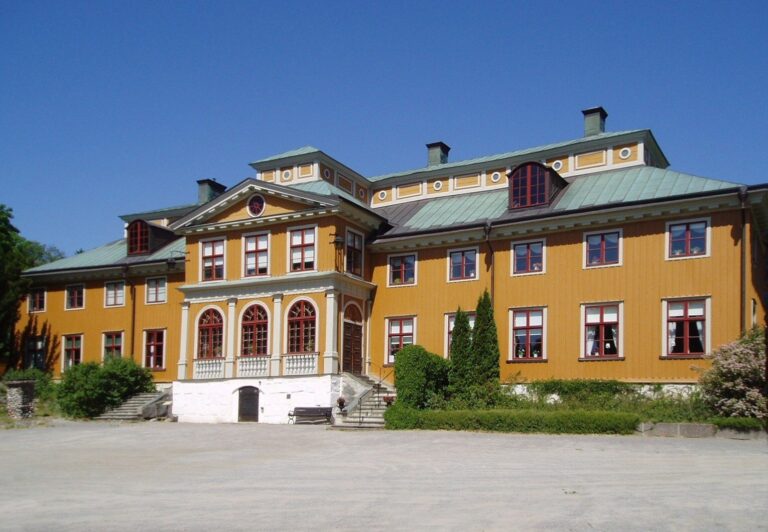
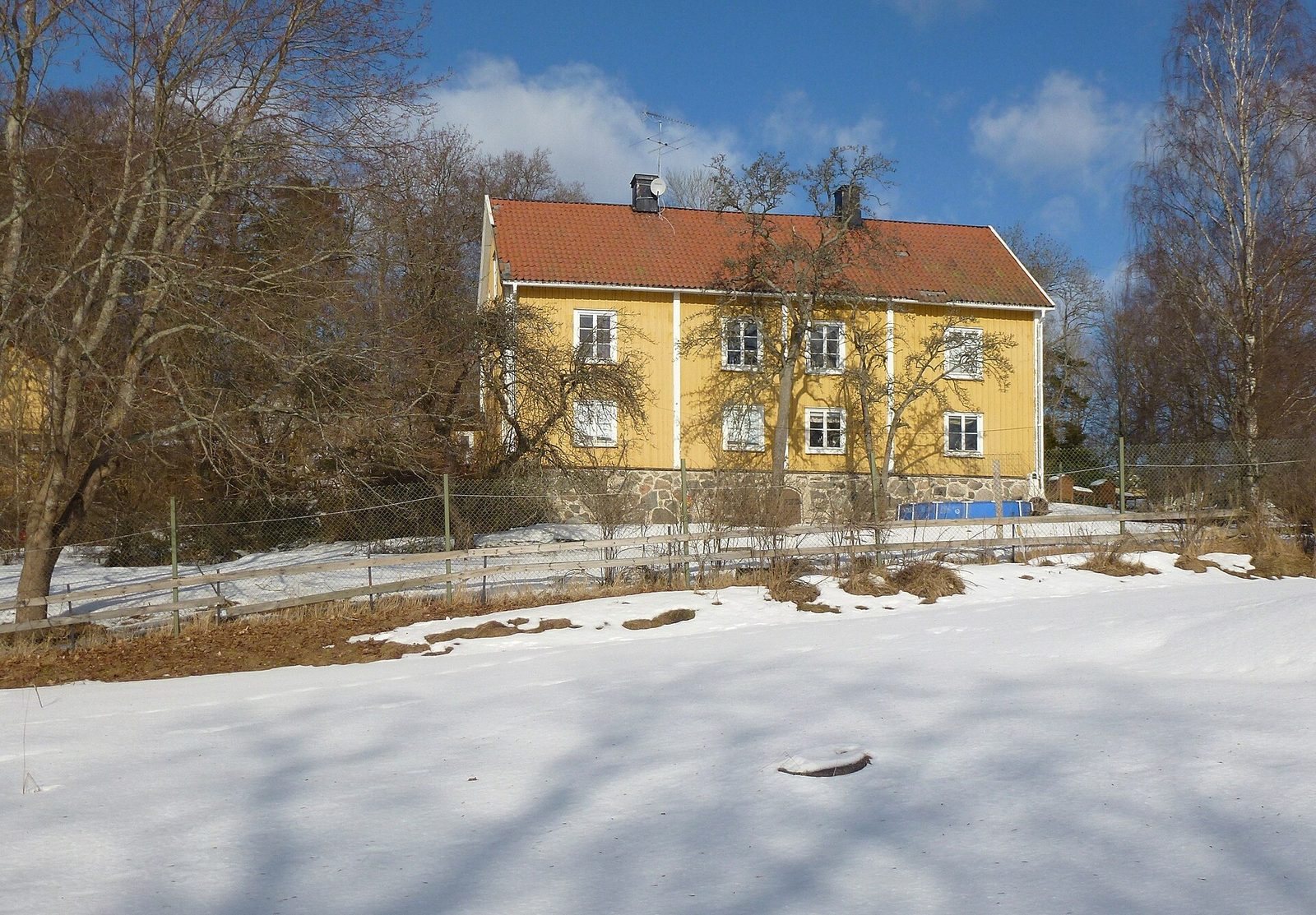
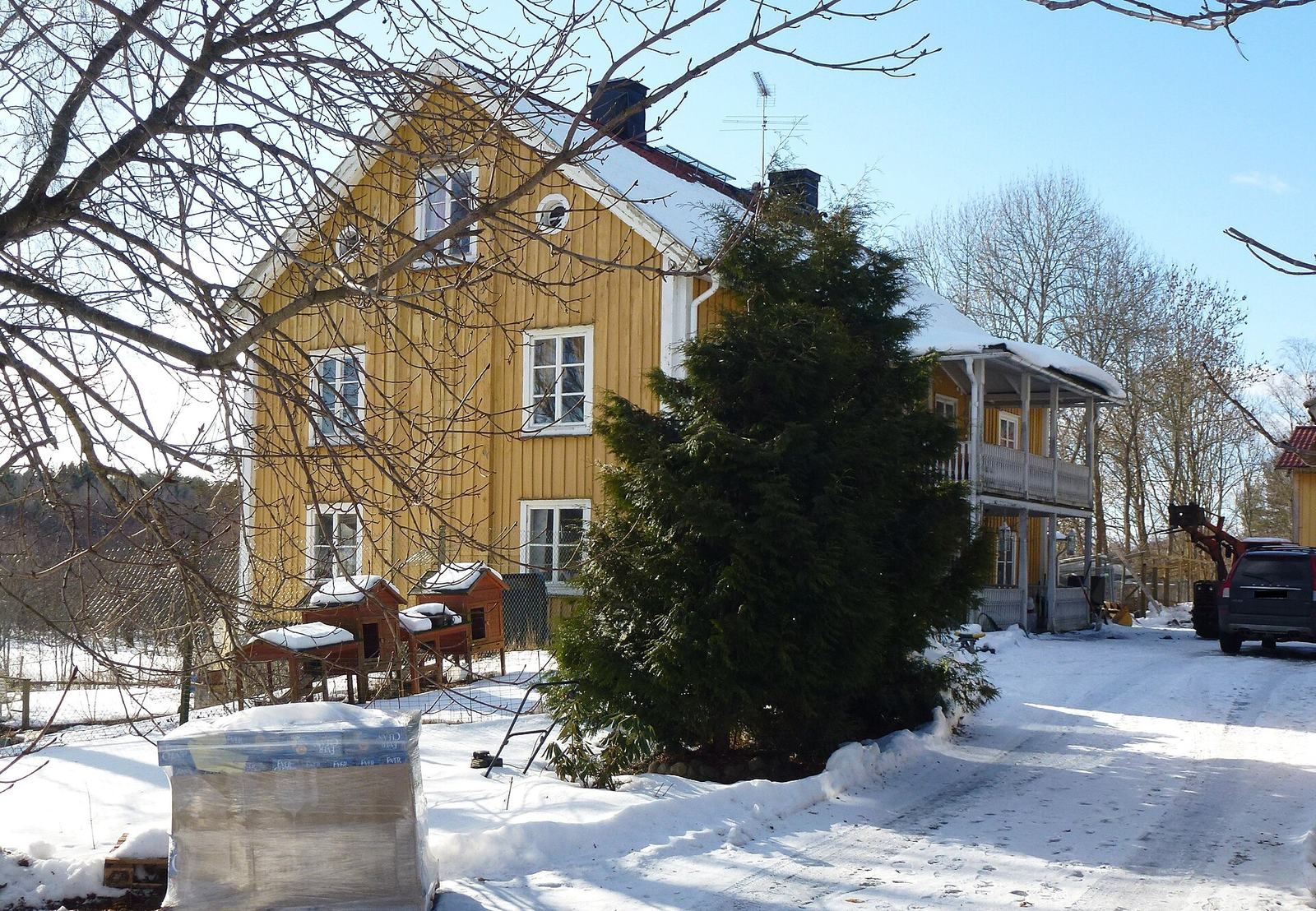
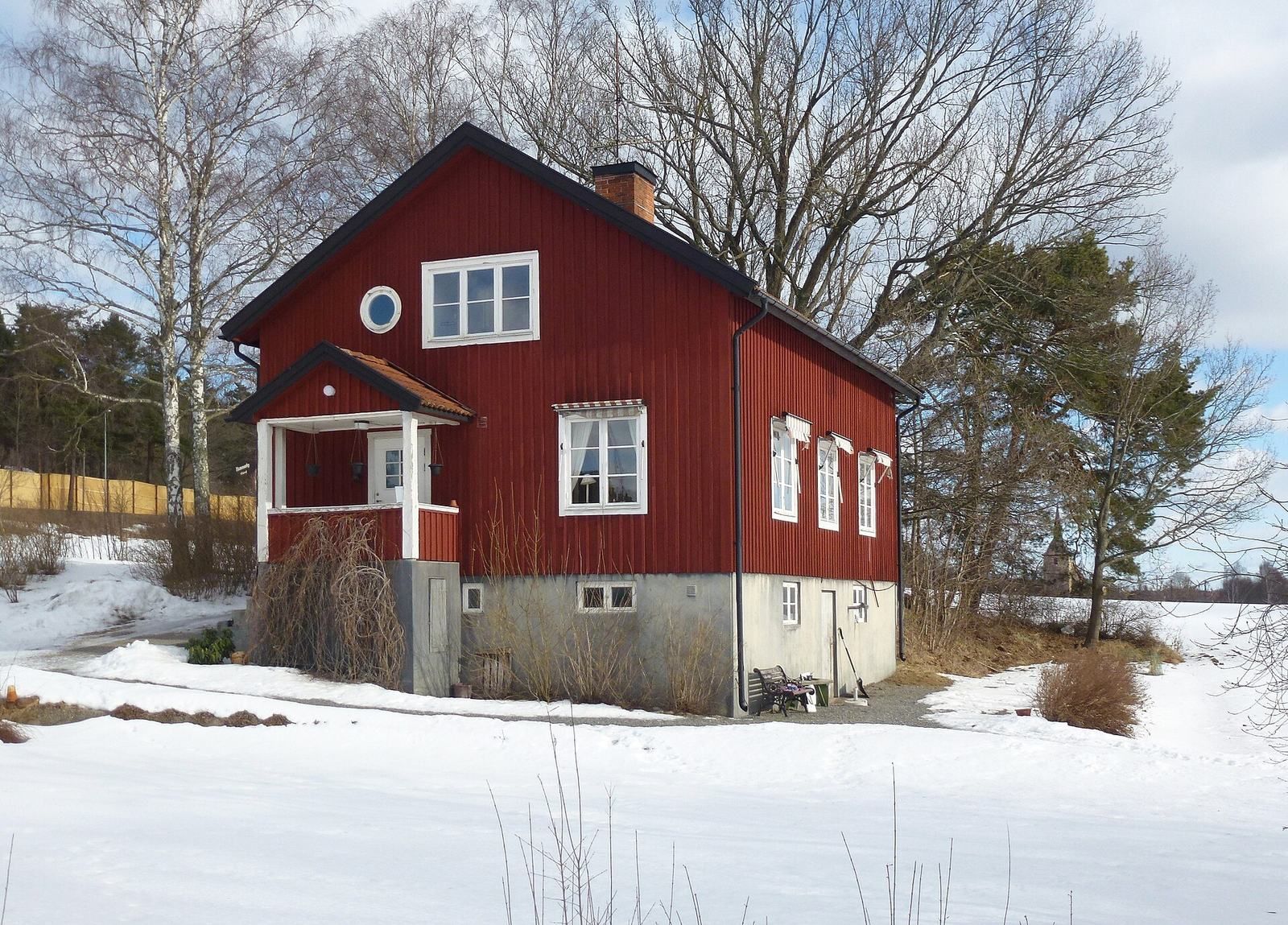
The two-storey main house stands on foundations probably dating from the sixteenth century. Its high natural-stone base supports yellow-painted timber walls, and its gabled roof is tiled. The attic is fitted for use, and two large terraces face the entrance. The house contains nine rooms and a kitchen, with 370 square metres of living space. The present farm plot covers 6,730 square metres.
Former tenant’s dwelling
A former tenant’s dwelling is also identified among the farm’s associated buildings.
Grave monument
A grave monument at Botkyrka Church commemorates Björn, Botvid’s brother. Their parents erected and paid for it. Dated to the first half of the twelfth century, the monument bears Hammarby’s name in the form haimarbu. The massive stone block has carved reliefs and inscriptions in Latin and runes. Its form resembles the nave of a stone church, with a rounded sanctuary end at the east. The original is held at the Swedish History Museum, and a copy stands outside Botkyrka Church.