Gravier de Gargantua: A Neolithic Menhir at Port-Mort, France
Site at a Glance
- Popularity
- Very Low
- Country
- France
- Primary era
- Stone Age
- Eras represented
- Stone Age
- Civilizations
- Unclassified
- Site type
- Civic
- Remains
- Megalithic Monument
On this page7 sections
History
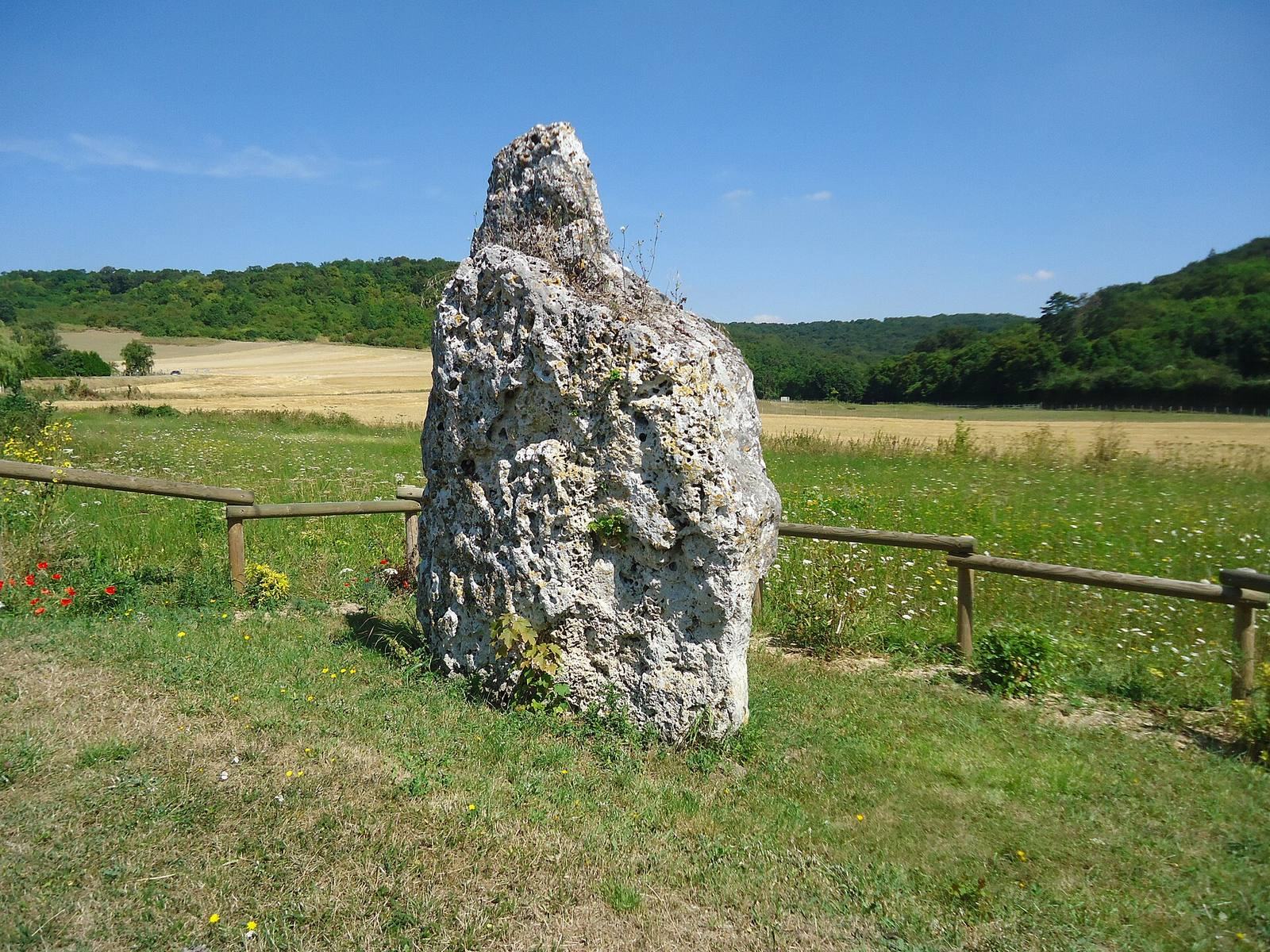
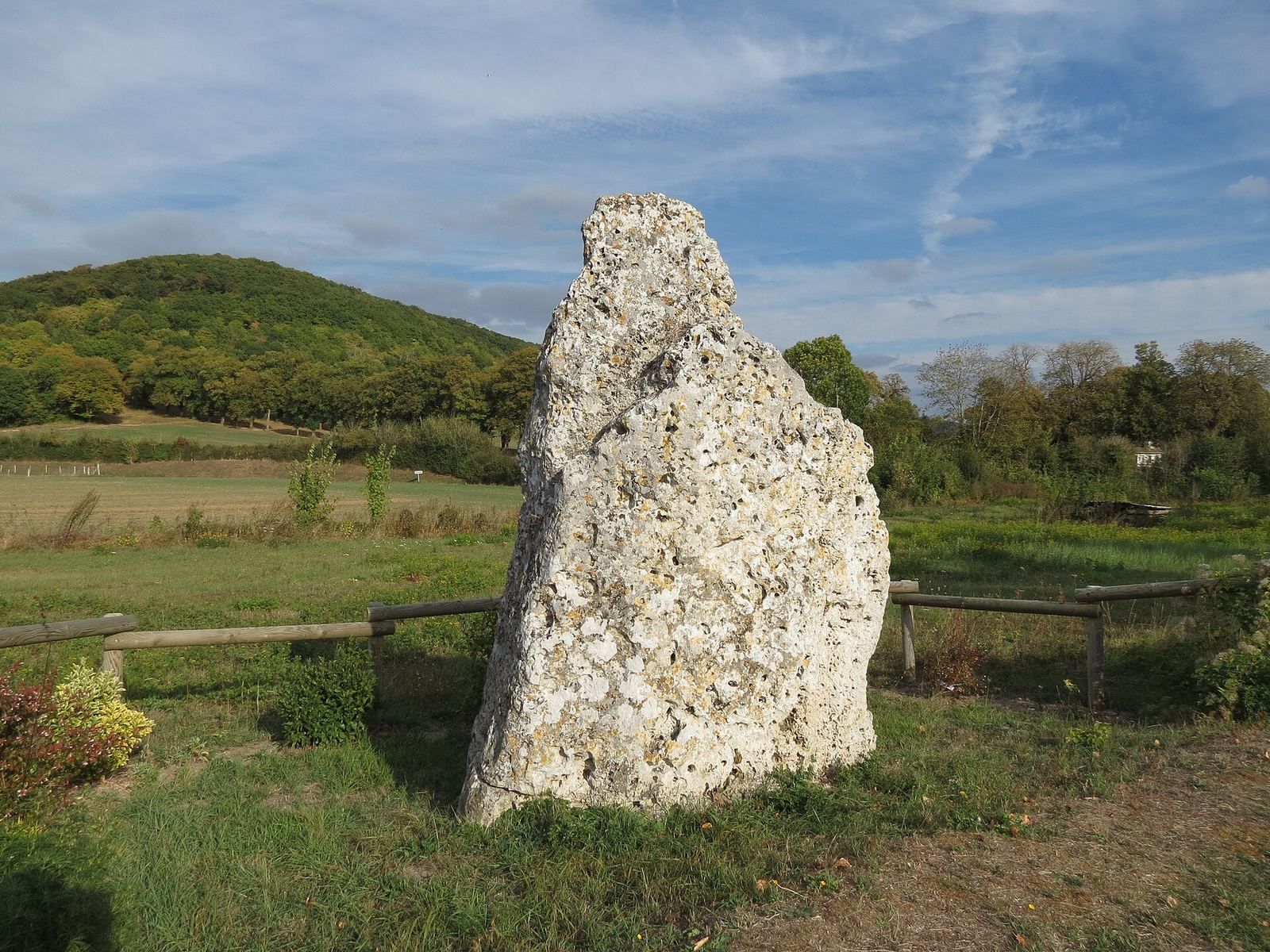
The Gravier de Gargantua is a Neolithic menhir, a large upright stone erected as a prehistoric monument, in Port-Mort, France. The Neolithic was the later part of the Stone Age, when farming communities became established.
Prehistoric monument and proposed purpose
The stone dates to the Neolithic, though its original purpose is uncertain. Léon Coutil proposed that it marked a nearby dolmen. Other explanations connect it to a crossing of the Seine or to a medieval boundary between the Kingdom of France and the Duchy of Normandy. Polished axes and axes prepared for polishing have also been found in Port-Mort.
Recorded traditions
Auguste Le Prévost first mentioned the monument in 1832. Other recorded names include Gravois de Gargantua and Caillou de Gargantua. Local legends explain the stone through Gargantua, a legendary giant popularized by the French Renaissance writer François Rabelais. In Le Prévost’s version, Gargantua was building the nearby Côte Frileuse hill when a pebble in his shoe bothered him. He removed it, recognized it as the enormous stone, and left it behind instead of using it in his construction.
Félix Leclerc de Pulligny related another version. Gargantua and his father Grangousier, a character who is Gargantua’s father in the literary tradition, were staying at an inn in Mantes when thieves stole their horses. While pursuing the thieves along the Seine toward Les Andelys, Gargantua felt the stone in his shoe at Port-Mort. He sat beside the road, removed it, and threw it there, startling people from Panilleuse who were returning from market.
The name Gargantua is not found in records before the sixteenth century, when Rabelais popularized the giant. The shoe-pebble story is also associated with sites at Croth and La Turballe, and with a natural boulder at Roche, a hamlet at Goury. A Scottish version links the motif to Clochoderick Stone in Renfrewshire, though its giant is unnamed. In Indre-et-Loire, dozens of menhirs and a dolmen are known as Gargantua’s Quoits. Traditions of Gargantua shaping the landscape there predate Rabelais’s literary treatment.
Relocation and protection
During nineteenth-century road widening, the menhir was moved. De Pulligny described the damage in 1879, reporting that the worker was said to have received 150 francs and completed the job in a day. The Marquis de Graville, brother of the stone’s owner, intervened with the administration and secured its re-erection in its original orientation. On 10 January 1923, the menhir was classified under French law as a protected historic monument, a legal measure intended to guard it against further destruction.
Remains
The menhir
The stone stands in a small enclosure beside departmental road 313, also called Grande Rue, northwest of Port-Mort and near the Seine. Made of Late Cretaceous limestone, it measures 3.5 metres high, 2.5 metres wide, and 0.7 metres thick. Le Prévost described it in 1832 as conical, about 10 feet high and 5 to 6 feet wide at its base. It was formerly taller: during the road-widening move, the stone was cut at ground level, leaving a lower section about one metre high buried in place while the upper block was moved. Coutil’s 1896 inventory credited the Marquis de Graville with repairing the menhir’s lower corners.
The former dolmen site
The dolmen associated with one interpretation of the menhir’s purpose was destroyed. Before its destruction, de Pulligny described it as two upright stones joined by a capstone. The Tomb of Saint-Ethbin was erected at the dolmen’s location in 1870.