Tornio Church: A Seventeenth-Century Wooden Lutheran Parish Church
Site at a Glance
- Popularity
- Medium
- Country
- Finland
- Primary era
- Early Modern
- Eras represented
- Early Modern
- Civilizations
- Swedish
- Site type
- Religious
- Remains
- Church
On this page10 sections
History
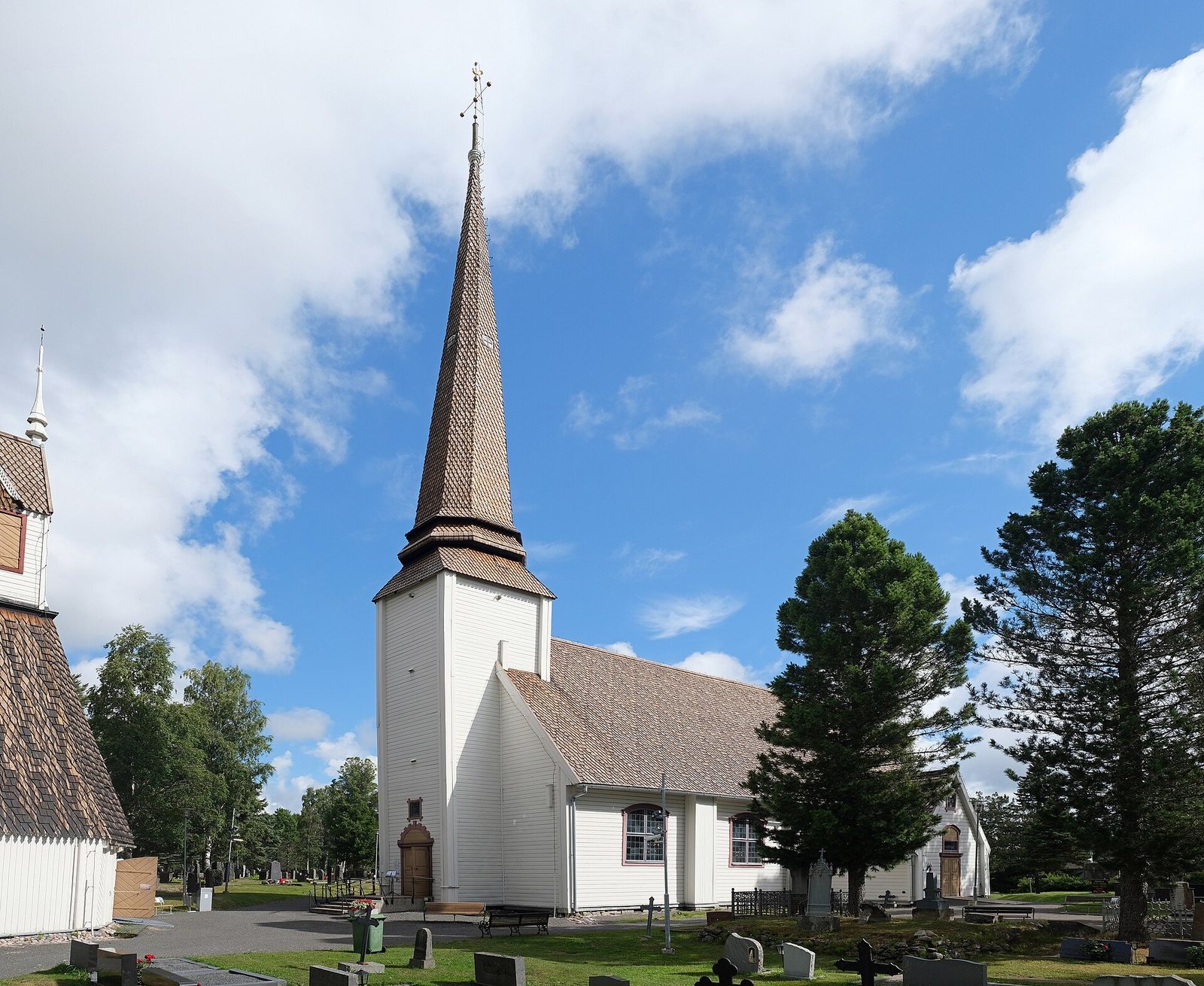
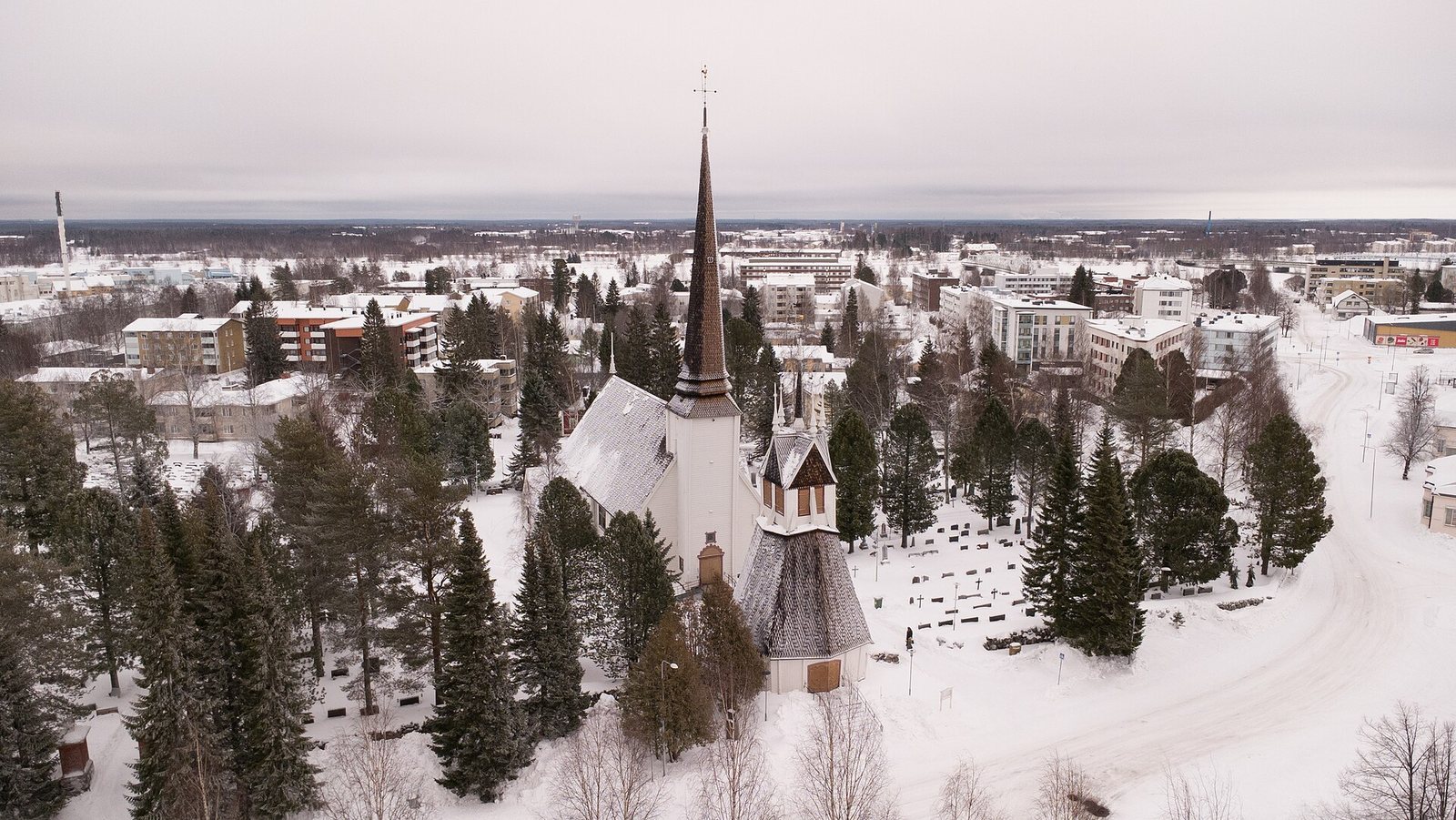
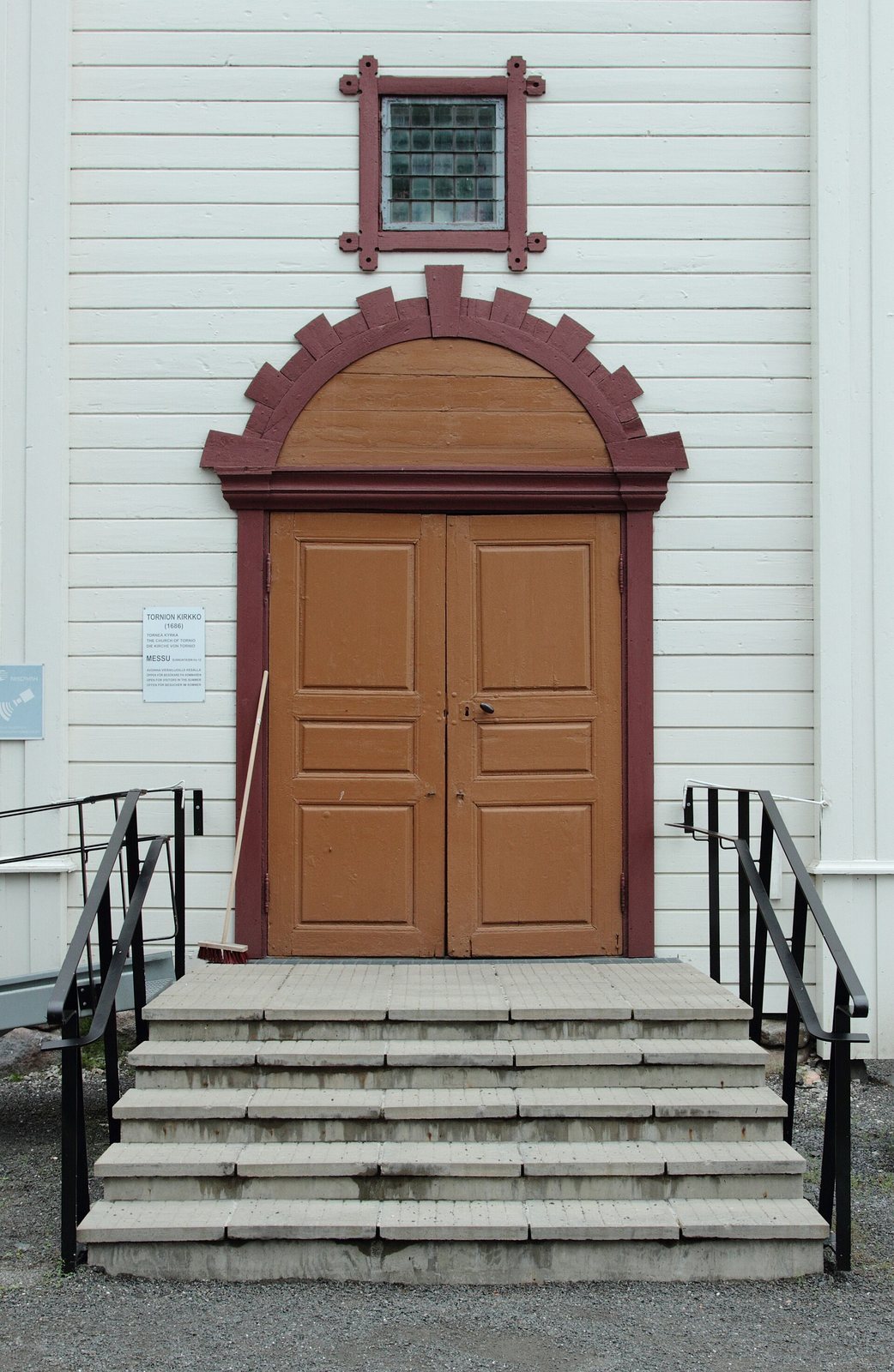
Tornio Church is a wooden Evangelical Lutheran parish church on Suensaari in central Tornio, Finland, begun in spring 1684 and completed in 1686 with late Renaissance forms and emerging Baroque influences. It is among the North Calotte’s oldest wooden churches and remains especially well preserved. The North Calotte is the northernmost part of Fennoscandia, and the church is regarded as an important Finnish wooden church monument of the seventeenth century.
Foundation and early use
The church was built for Tornio’s town parish after lightning caused a fire that destroyed the town’s first church in 1682. That earlier church had been built and consecrated in 1647, a few hundred metres away. Matti Joosepinpoika Härmä, a peasant and church builder from Tyrnävä, designed and built the replacement church and its belfry.
The new church was consecrated on 11 July 1686 and dedicated to Hedvig Eleonora, queen consort of Sweden who later served as regent. Tornio Church belongs to the Oulu Diocese, a regional division of the Evangelical Lutheran Church of Finland. Many townspeople were buried beneath the church floor, including Alexander Ferdinand von Sacken, deputy commander of the West Bothnia Regiment, who died in 1694. This burial practice was prohibited after 1818.
Charles XI’s visit
In 1694, King Charles XI of Sweden climbed the church tower to observe the midnight sun. Clouds obscured the sun shortly before midnight. The king intended to return the following year, so the tower was raised in preparation, but he died before making the visit.
The Finnish Heritage Agency includes Tornio Church, the area around the town hall, and the wooden blocks along Rantakatu and Keskikatu among Finland’s nationally significant built cultural environments.
Remains
Church plan and timber construction
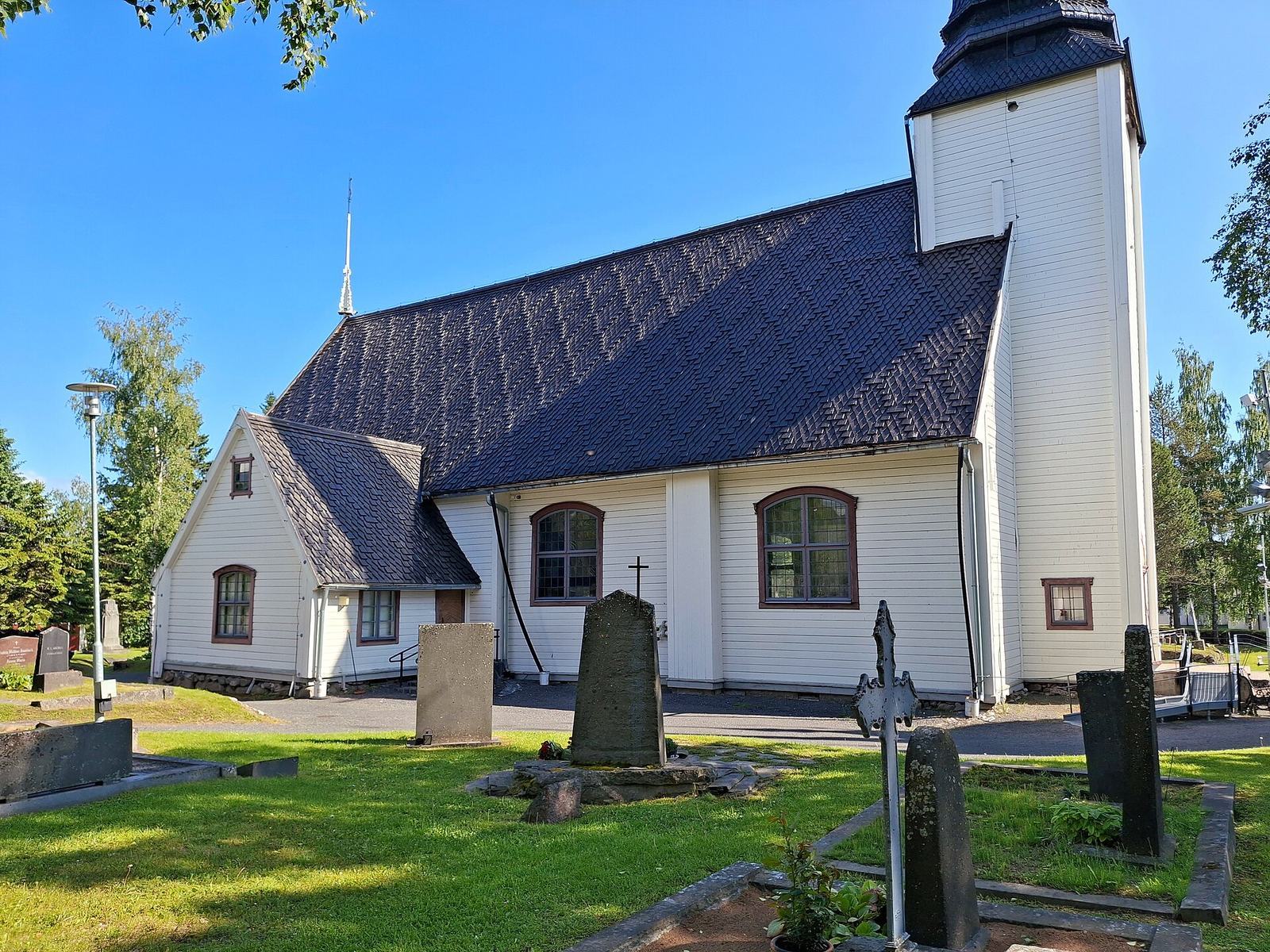
The church is a block-pillar timber building with seating for 550. In this construction method, upright posts brace the log walls. Developed in western Finland’s Ostrobothnia region during the fifteenth century, the method represents a mature expression of local carpentry. The design draws on medieval stone churches in Ostrobothnia, including those at Mustasaari and Pietarsaari, as well as contemporary wooden churches in the region. The sacristy, a room for vestments and liturgical objects, and the porch face one another, an arrangement influenced by St. Clare’s Church in Stockholm, built between 1577 and 1590. The tower’s design also draws on Stockholm’s Riddarholmen Church. A planned continuous, arch-shaped wooden ceiling gave way to four dome-like vaults in the finished church.
Tower and belfry
The church tower has round openings known as “king’s windows,” and a text tablet in the altar area commemorates Charles XI’s visit. The separate belfry, built in 1688 in Gothic style, is described as the oldest of its kind in Ostrobothnia and the North Calotte. Its bell chamber had no shutters until 1735. Jacob Bierman of Stockholm cast the bells, partly using metal salvaged from the first church’s bells.
Interior furnishings and artworks
Carved furnishings
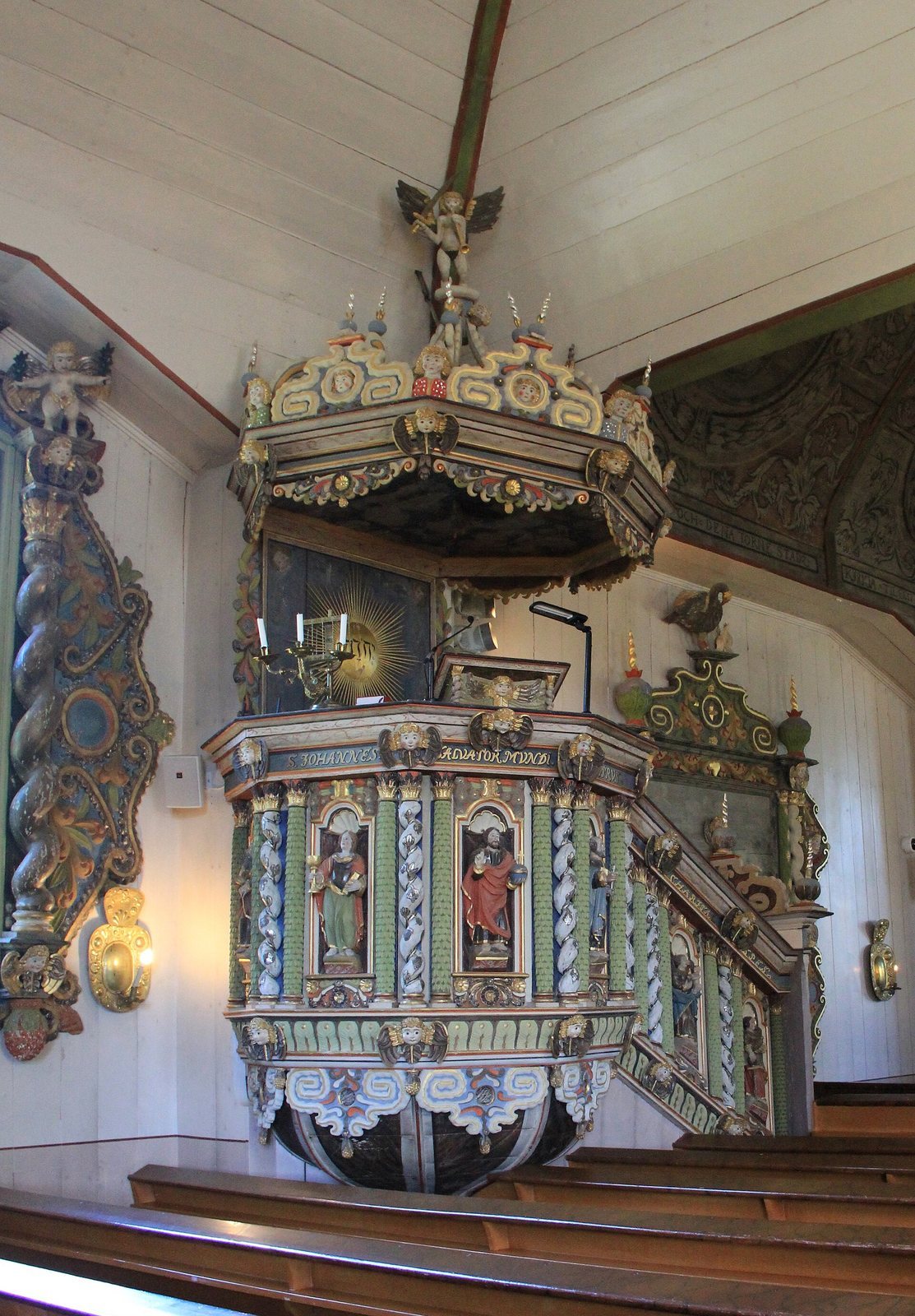
Tornio carpenter Nils Jacobsson Fluur made the choir screen, pulpit, frame of the window beside the pulpit, and sacristy-door frame in the early eighteenth century. Their carved decoration is regarded as a high point of Finnish Baroque wood sculpture. Erik Fellström painted the pew doors in 1748.
Paintings and altarpieces
In 1688, parish priest Gabriel Tuderus and his wife gave the church a ceiling painting. The eastern ceiling vault was painted by Lars Gallenius of Oulu. The oldest altarpiece, The Lord’s Supper, is an oil painting on canvas measuring 76 by 215 centimetres. It and the pulpit were probably painted in 1701 by Danish-born Didrik Möllerum. The present altarpiece, Jesus in Gethsemane, is an oil painting on canvas measuring 167 by 126 centimetres, painted by Johan Ollongren in 1754.
Rescued objects and organ
A sculpture saved from the 1682 fire depicts Jesus on the cross with Mary and Mary Magdalene and is now in the sacristy. A silver pitcher and a vessel for communion wafers were also rescued from the earlier church. The German-made Walcker & Co organ dates from 1892. It was enlarged from 12 to 22 stops, controls that select sets of pipes or particular sounds, with the work completed by Epiphany in 1978.