Kalix Church: A Medieval Lutheran Church in Sweden
Site at a Glance
- Rating
- 4.7
- Popularity
- Very Low
- Country
- Sweden
- Primary era
- Medieval
- External website
- Open
- Eras represented
- Medieval, Early Modern, Modern
- Civilizations
- Swedish
- Site type
- Religious
- Remains
- Church
On this page8 sections
History
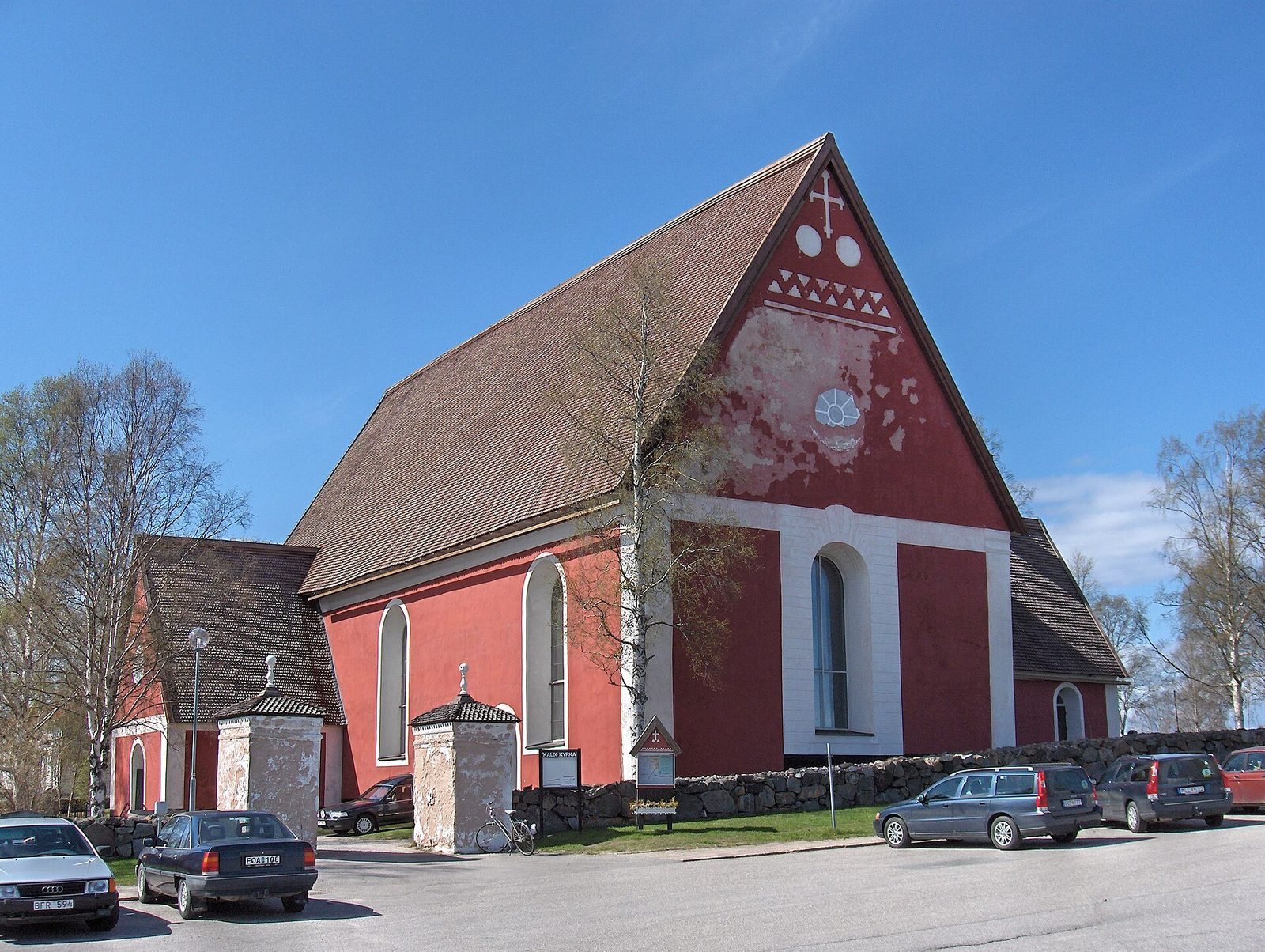
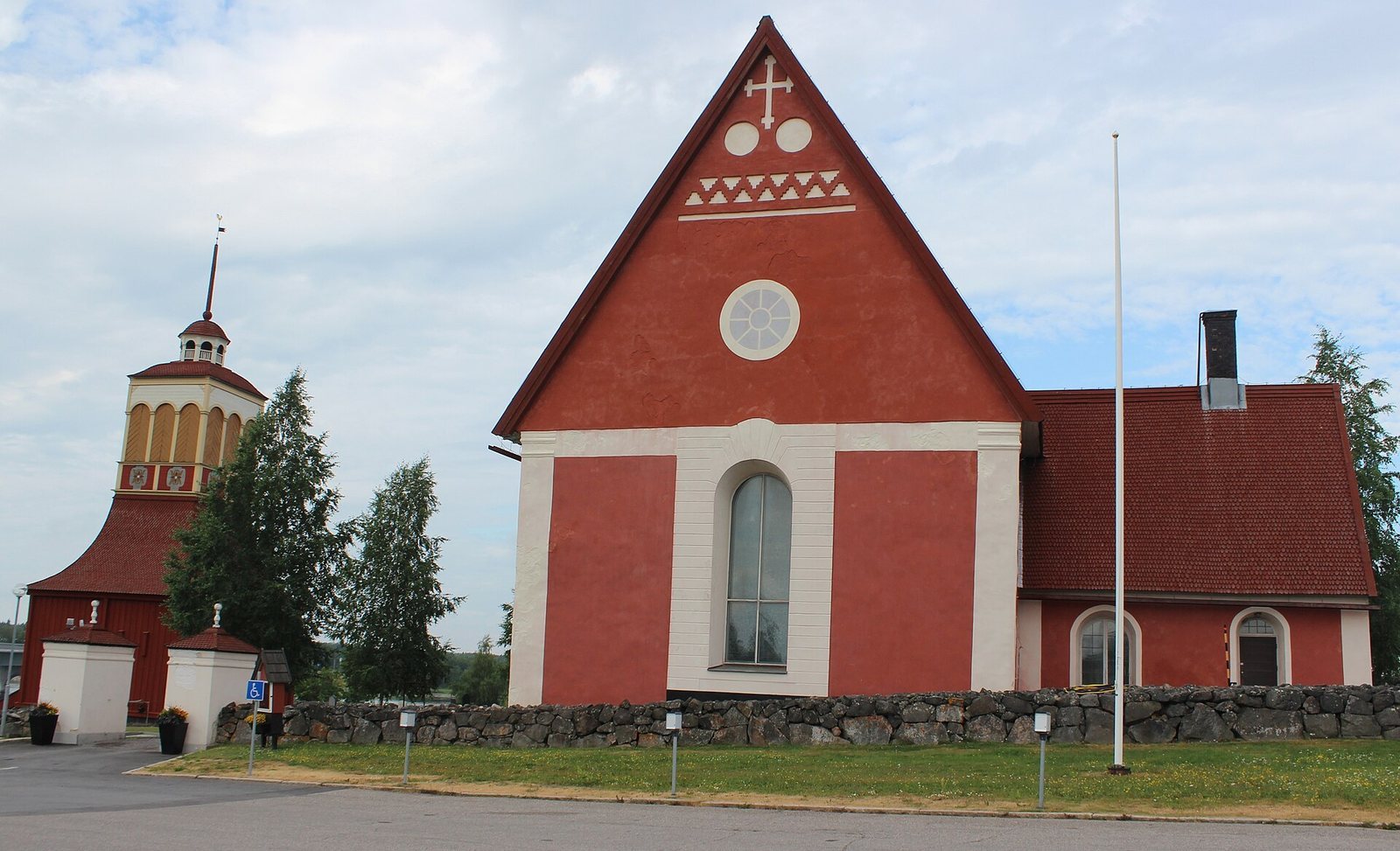
Kalix Church is a medieval Lutheran church in Kalix, Sweden, and the northernmost medieval church in the country. It belongs to Kalix Parish in the Diocese of Luleå, a territorial administrative unit of the Church of Sweden. The present building is a late-medieval hall church, a design in which the nave and side aisles have approximately equal height, creating a unified interior space. It was consecrated in 1472, after an earlier wooden chapel had served the area.
Medieval foundation
The wooden chapel that preceded the present church was probably built during the late fifteenth century, although its exact construction date is unknown. In 1472, Archbishop Jakob Ulvsson of Uppsala, an important Swedish church leader of the period, visited Kalix for the inauguration of the altarpiece. A letter of indulgence, a formal church document connected with remission of punishment for sin under specified conditions, records the event. It is the oldest known written record from Kalix and the only known letter of indulgence issued from the Diocese of Luleå. The inauguration may have accompanied either the opening of the new church or the beginning of its construction.
Damage and alteration
A fire damaged the church in 1595 and destroyed a set of medieval wall paintings. The building also experienced violence during conflicts involving Sweden and Russia. Russian troops looted it in 1716, taking cash and church vestments. During the Finnish War of 1808–1809, the conflict in which Sweden lost Finland to Russia, Russian troops used the church as a stable.
The church porch, originally wooden, was replaced with a stone structure in the late seventeenth century. Its windows were enlarged in 1747, followed by renovation in 1753–1754. Further renovations took place in 1955 and 1972. Together with its surroundings, Kalix Church is regarded as a representative example of a church complex in Norrland, the northern region of Sweden.
Remains
Church building
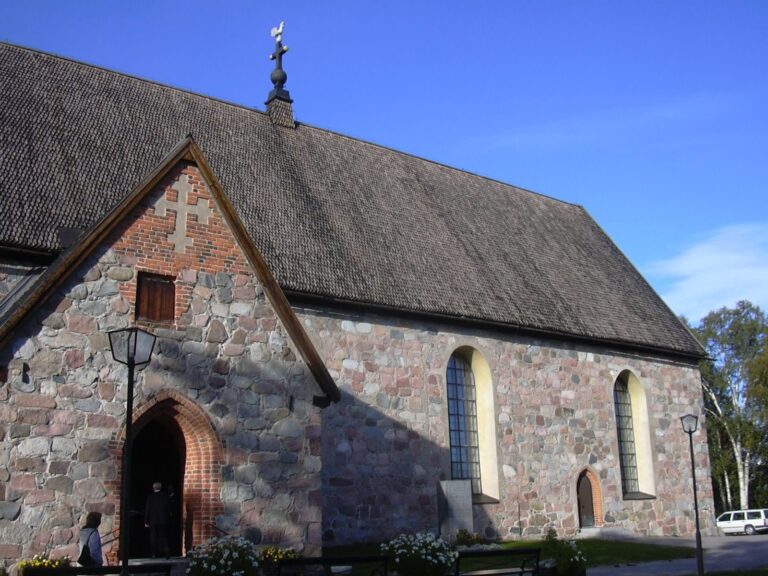
Kalix Church is a late-medieval hall church of a type found in northern Sweden. The gables carry brick ornamentation, while the south facade has two medieval portals. Inside, three star-shaped vaults support the ceiling and create the principal divisions of the unified hall-like interior. The stone porch on the exterior dates from the late seventeenth-century replacement of the earlier wooden porch, and the enlarged windows reflect the alteration carried out in 1747.
Medieval furnishings
The altarpiece stands behind the main altar. Its central panel shows the Virgin Mary with the infant Christ, with statues of James the Greater and James the Lesser on either side. The church also contains a medieval baptismal font and two separate medieval sculptures of saints. These furnishings connect the present interior with the church’s late-medieval religious use.
Later interior features
The pulpit is Baroque, an early-modern style known for elaborate ornament and dramatic detail, and is described as one of the oldest in Norrland. A rood screen, an internal partition between the choir and nave traditionally associated with a crucifix, dates from the middle of the eighteenth century and has ornamented obelisks. Two additional freestanding sculptures come from an altarpiece made in the 1880s. The choir window was created in 1972 by the artist Pär Andersson.
Church village and bell tower
The church stands near the Kalix River in a former church village. Parishioners from distant places maintained small houses or cottages there for church holidays. One church-village house remains, and the old parsonage lies nearby. An external wooden bell tower stands in the cemetery and was built by carpenters from Ostrobothnia, the historical region on both sides of the Gulf of Bothnia.