Manor House in Lipinki: A Historic Noble Residence in Poland
Site at a Glance
- Popularity
- Very Low
- Country
- Poland
- Primary era
- Modern
- Eras represented
- Modern
- Civilizations
- Austria-Hungary, Habsburg
- Site type
- Domestic
- Remains
- Manor House
On this page4 sections
History
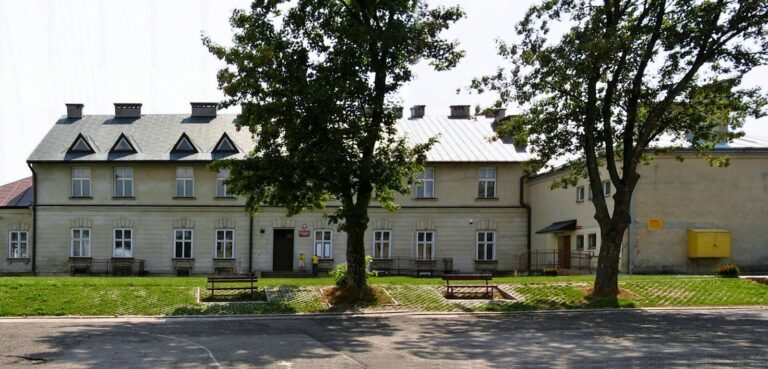
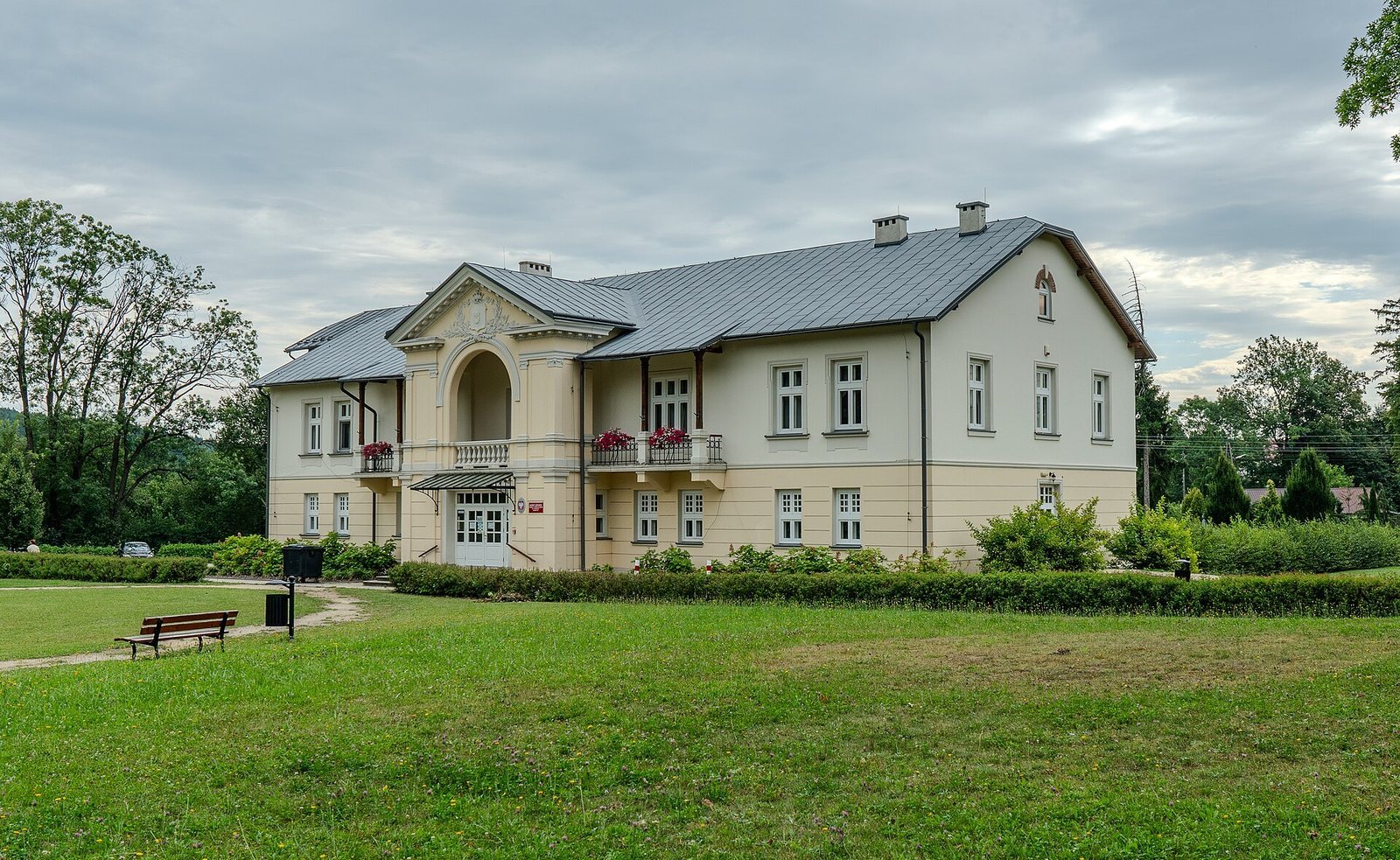
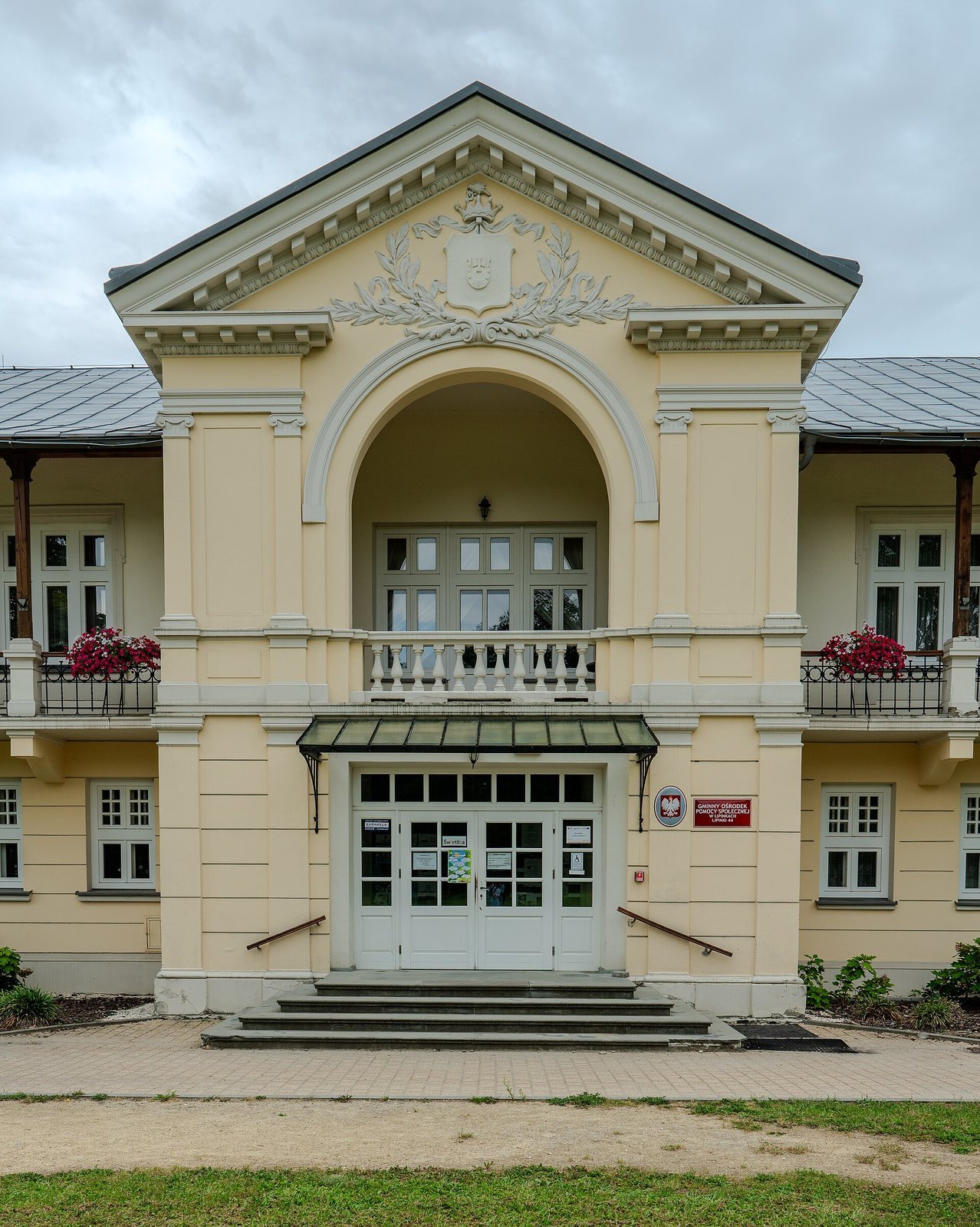
The Manor House in Lipinki is a historic noble residence in Poland, begun by Franciszek and Jadwiga Straszewski and completed in 1909. It became the center of an estate that later passed to the Byszewski family and was divided after the Second World War.
Family connections and ownership
Ludwik Miętta-Mikołajewicz, a relative of the Straszewski family who lived at the manor, was a cavalry captain during the January Uprising, the Polish revolt against Russian rule in 1863–64. On 17 February 1863, he led a cavalry detachment at the Battle of Miechów, one of the uprising’s engagements.
In 1870, Austro-Hungarian army officer Wincenty Byszewski married a granddaughter of Jadwiga Straszewska. After the Straszewskis died, the manor passed to the Byszewski family and became commonly known locally as the Byszewski manor. The estate included 211 hectares of forest, 64 hectares of agricultural land, and 136 hectares of fields where oil mines had been developed since 1860.
Postwar division and later use
After the Second World War, an agrarian reform decree led to the division of the Byszewski properties. Land was distributed among poorer residents of Lipinki, Wójtowa, Pagorzyna, and Libusza. Around the turn of the 1970s and 1980s, the manor housed a health center and pharmacy, while its added section served as a post office.
Remains
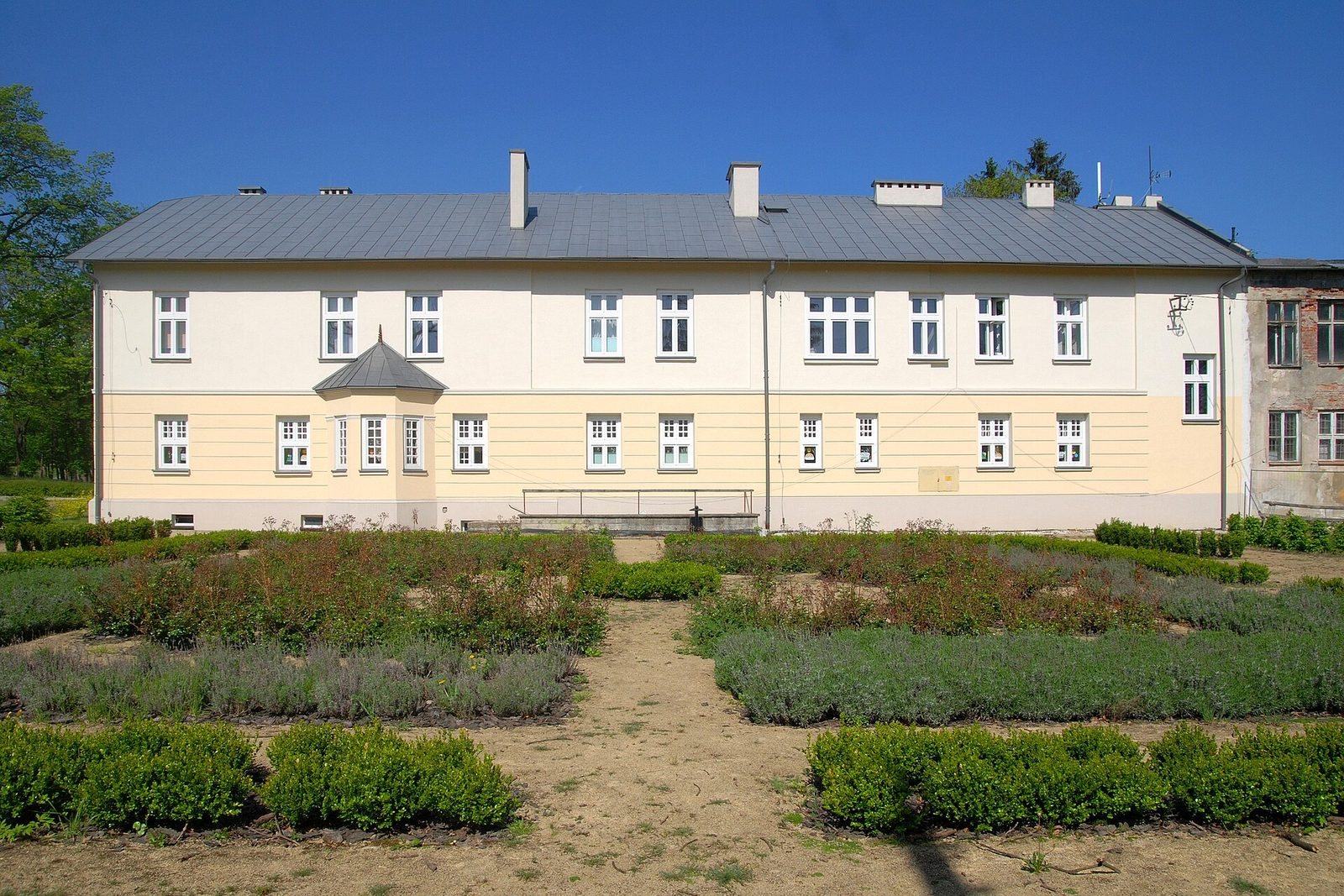
The manor house includes an added section, and a sports field was laid out in front of the residence.