Bishop’s Palace of Rožňava: An 18th-Century Episcopal Residence
Site at a Glance
- Popularity
- Very Low
- Country
- Slovakia
- Primary era
- Early Modern
- Eras represented
- Early Modern
- Civilizations
- Habsburg, Hungarian
- Site type
- Religious
- Remains
- Palace
History
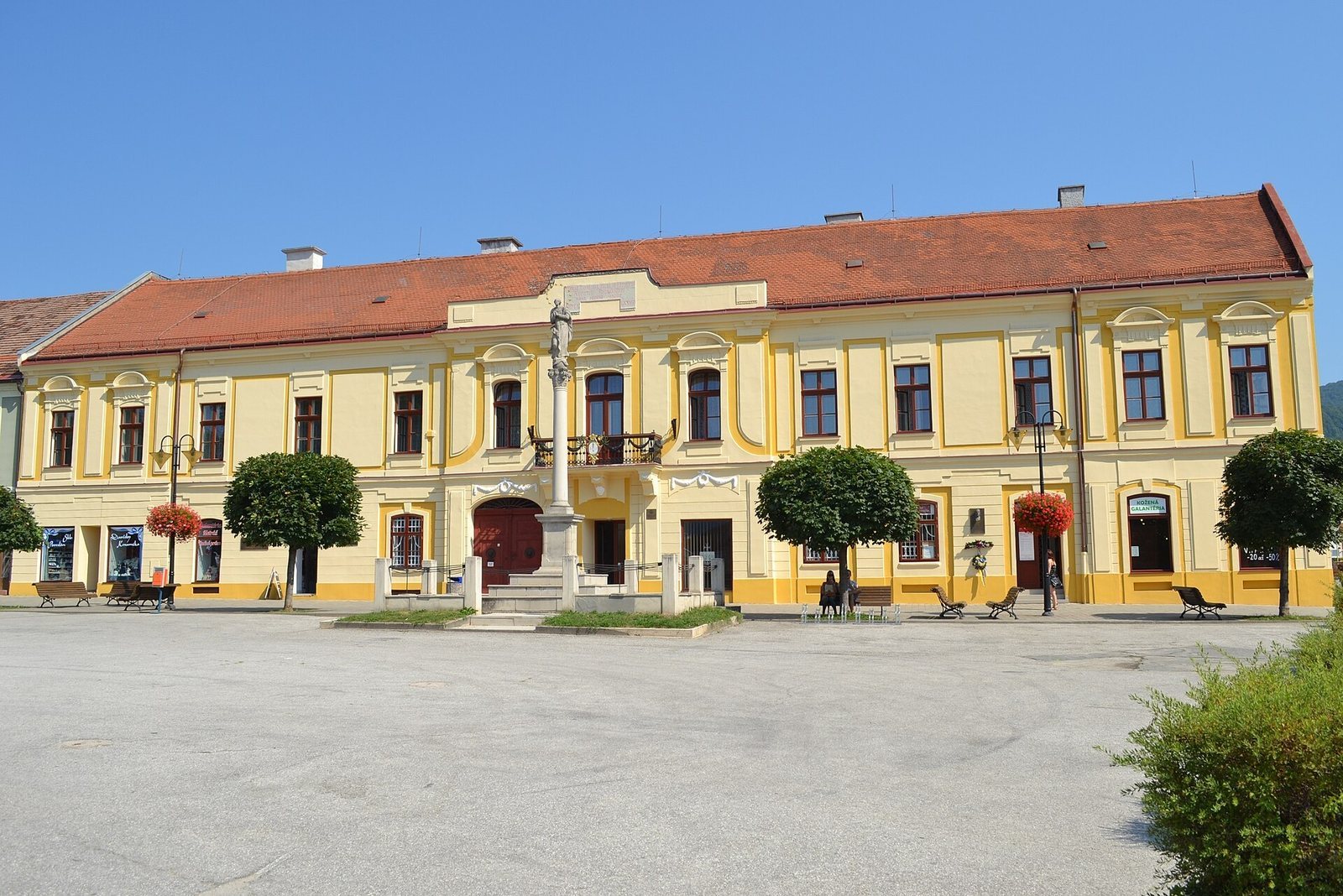
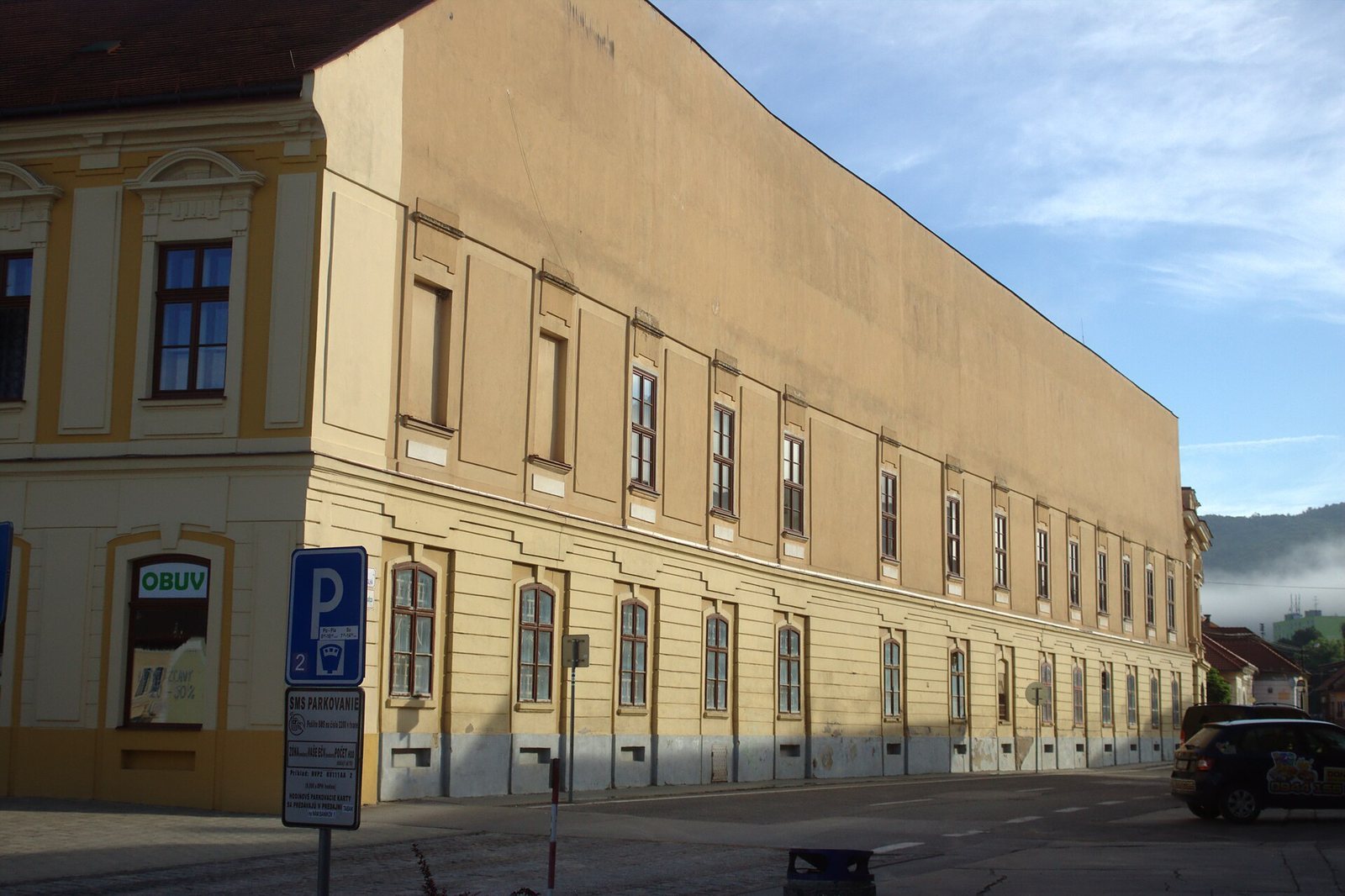
The Bishop’s Palace of Rožňava is an episcopal residence in Slovakia whose present form dates to 1777 and whose architecture is described as Directoire-style and classicist. Directoire design is associated with the French Directory period, while classicism draws on ancient Greek and Roman forms.
Maria Theresa, the Habsburg ruler who reigned from 1740 to 1780, established the Diocese of Rožňava in 1776. The palace was created for the bishop by joining, altering, and extending two earlier buildings on the site: a Renaissance Jesuit monastery and the residence of the Archbishop of Esztergom. The work included adding a storey.
Grossmann, an architect associated with the Royal Chamber of Banská Bystrica, a royal fiscal and administrative body, prepared the plans in consultation with engineer Mihály Krauss. Local architect József Mayer probably supervised construction on site.
Pope John Paul II visited the palace on 13 September 2003 during his third pastoral visit to Slovakia.
Remains
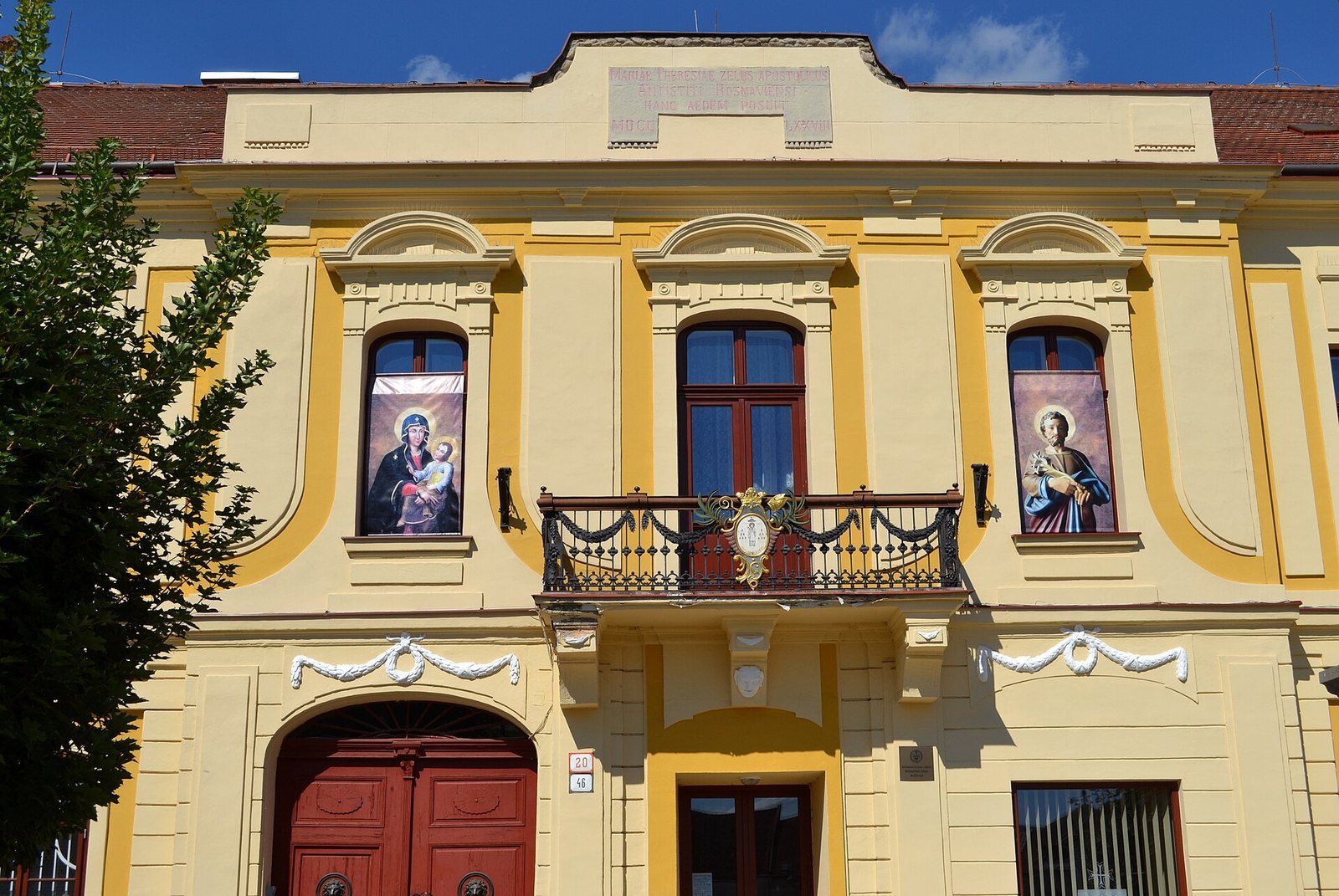
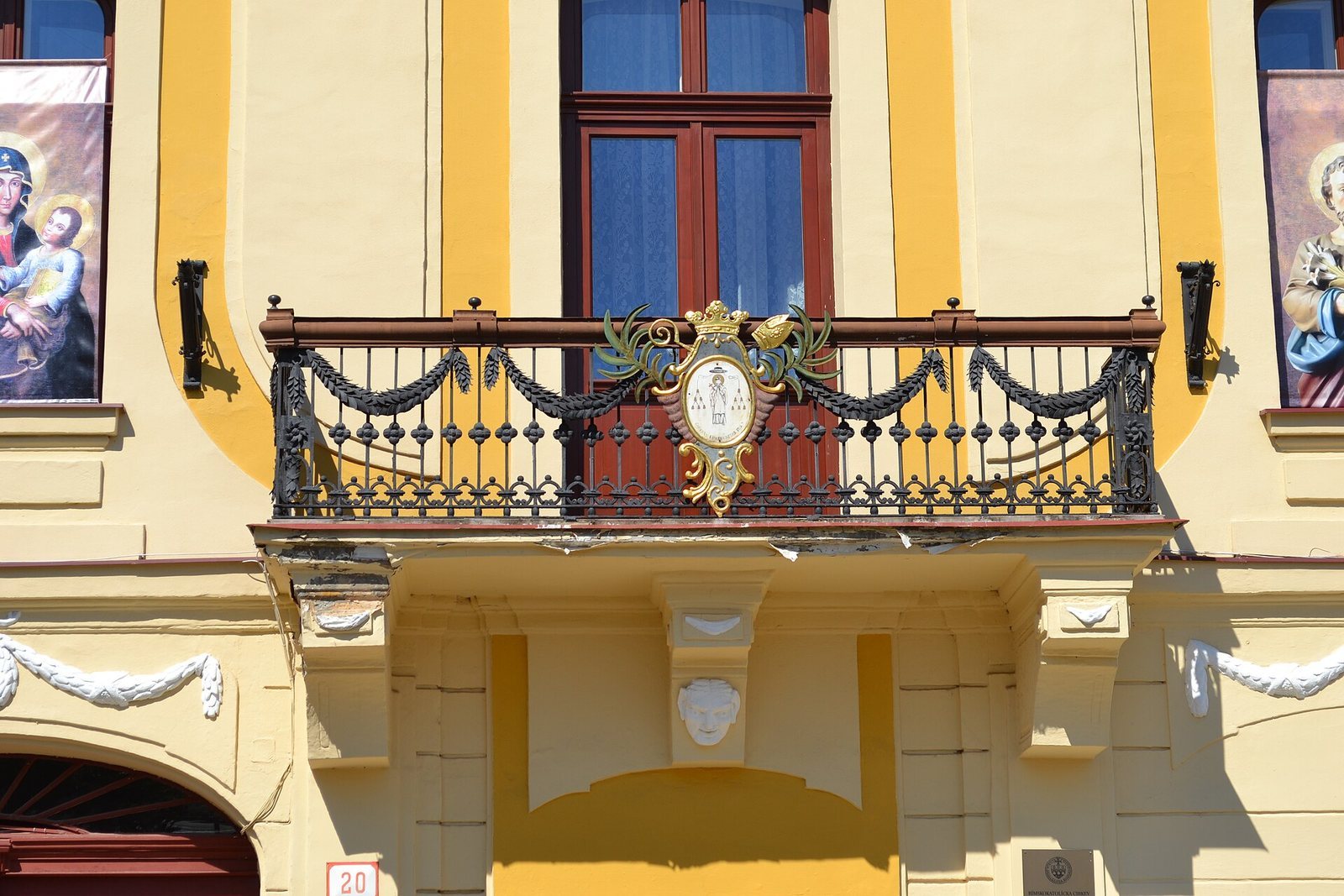
The palace stands on the northeastern side of Rožňava’s central square, Námestie baníkov (Miners’ Square), at the corner with Cucmianska dlha. It has one above-ground storey. An inscription dated 1777 sits above the balcony at the highest point of the front façade. Its wording credits Maria Theresa’s apostolic zeal with having the palace erected for the bishop of Rožňava. A plaque mounted at standing height commemorates John Paul II’s visit.