Chapel of Saint Rozalia: A Baroque Plague Memorial in Bratislava
Site at a Glance
- Popularity
- Low
- Country
- Slovakia
- Primary era
- Early Modern
- Eras represented
- Early Modern
- Civilizations
- Habsburg, Hungarian
- Site type
- Religious
- Remains
- Chapel
History
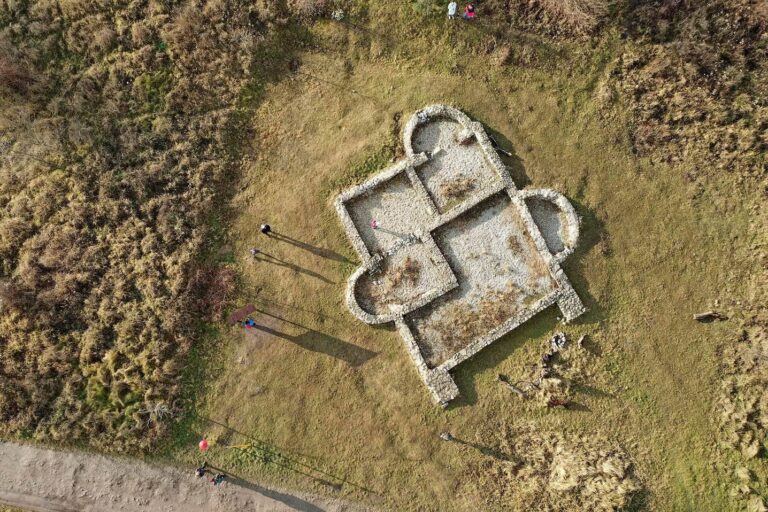
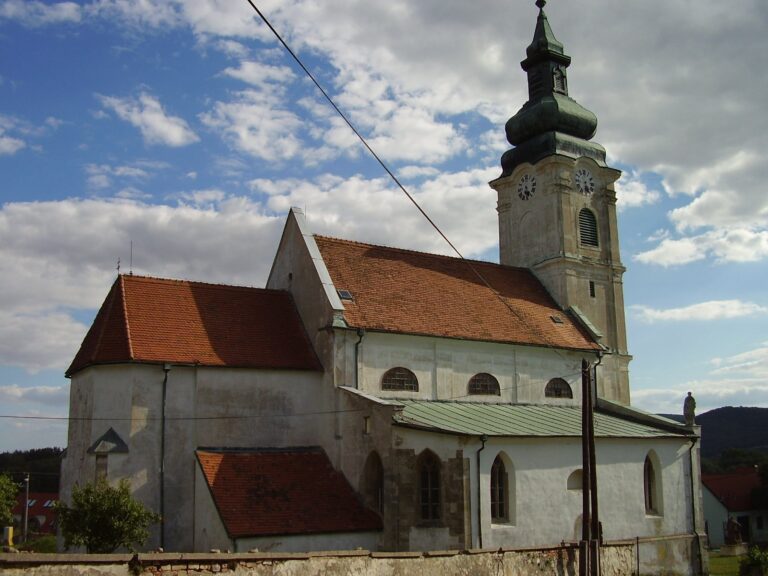
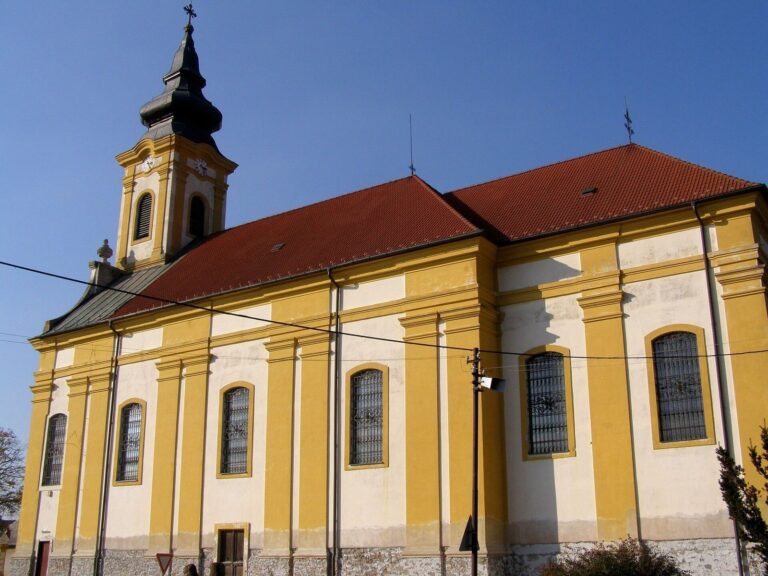
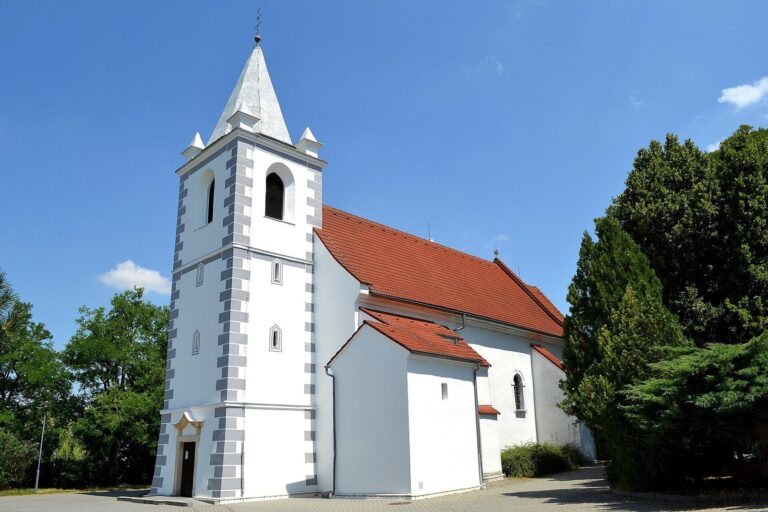
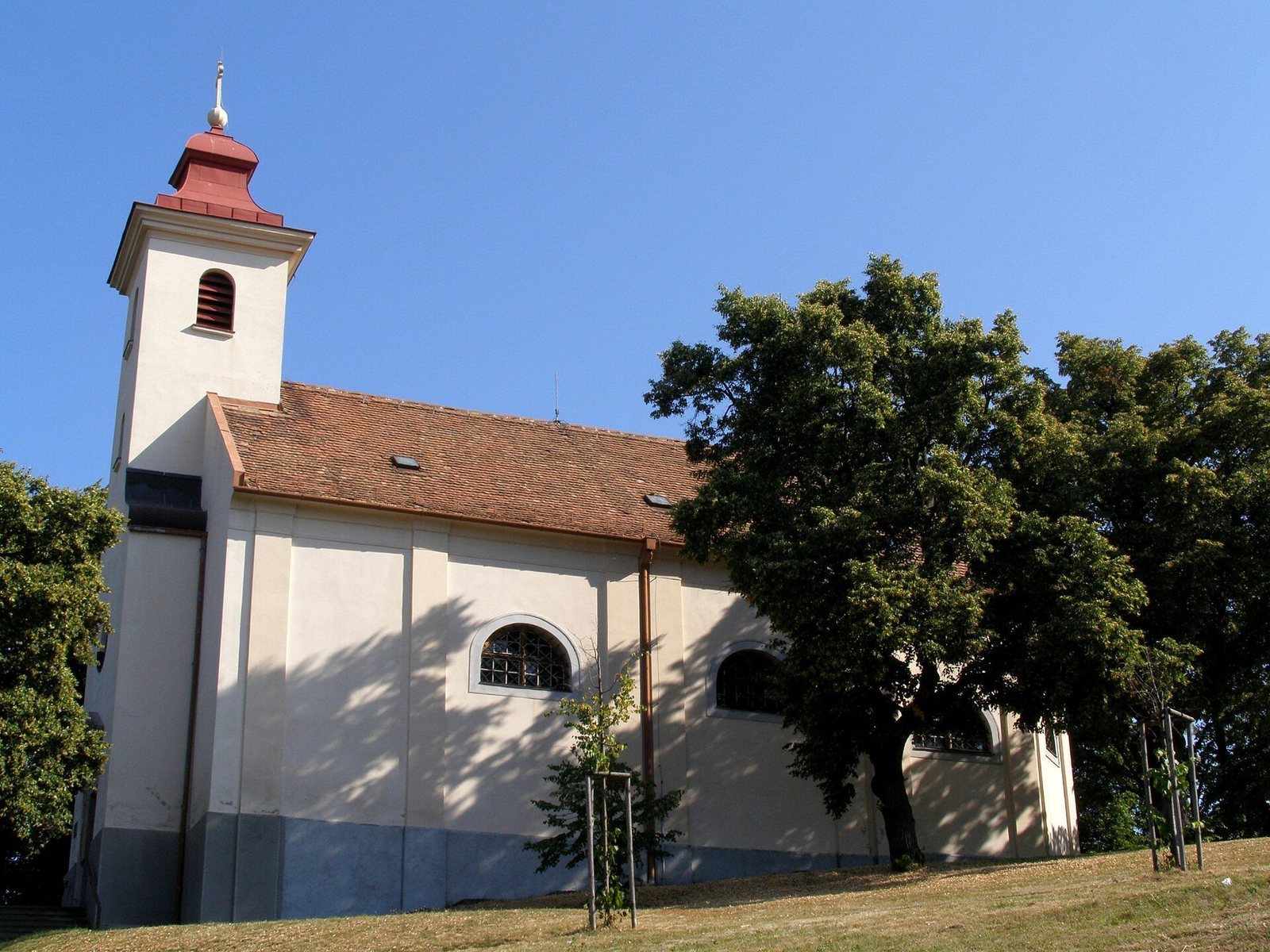
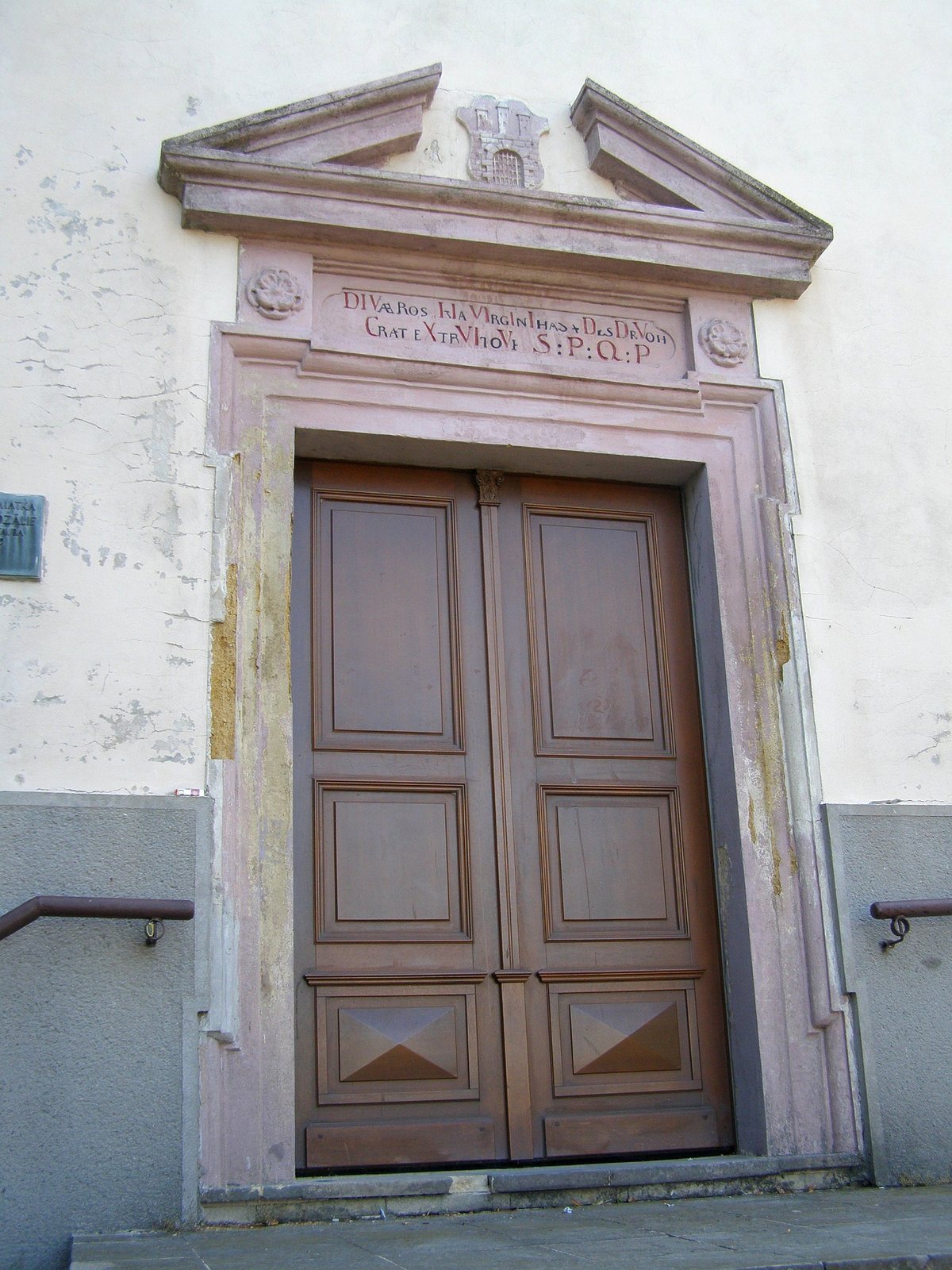
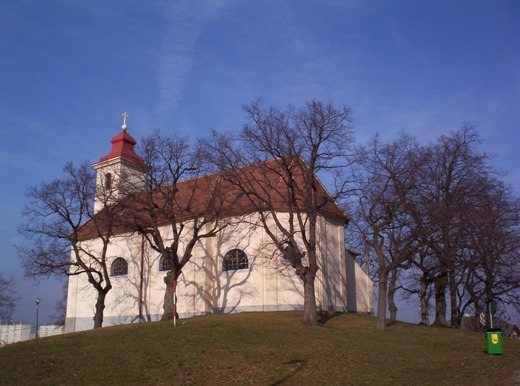
The Chapel of Saint Rozalia is a Roman Catholic chapel in Lamač, a borough of Bratislava, Slovakia. Built by the city between 1680 and 1682, it is an early Baroque building, part of a European artistic and architectural style that flourished in the seventeenth century. Bratislava commissioned it as a memorial and thanksgiving for the end of the plague outbreak of 1678–1679, which killed about 12,000 people. Townspeople’s public donations funded its construction.
A Renaissance-style Church of St Rosalia had been built in 1568–1569. The later chapel was dedicated to Saint Rozalia, a Christian hermit traditionally regarded as a protector against plague. Tradition says that she left her wealthy princely family as an adult to live a solitary religious life; her traditional death date is September 4, 1160.
The chapel became a destination for annual pilgrimages on September 4. Pilgrimages ceased during World War II, but local festivities and a special Mass are held on that date.
The chapel belongs to the Roman Catholic Lamač parish and is owned by the city of Bratislava. Slovakia designated it a national cultural monument in 1963, recognizing its historical value and its testimony to the urban and architectural character of historic Lamač.
Remains
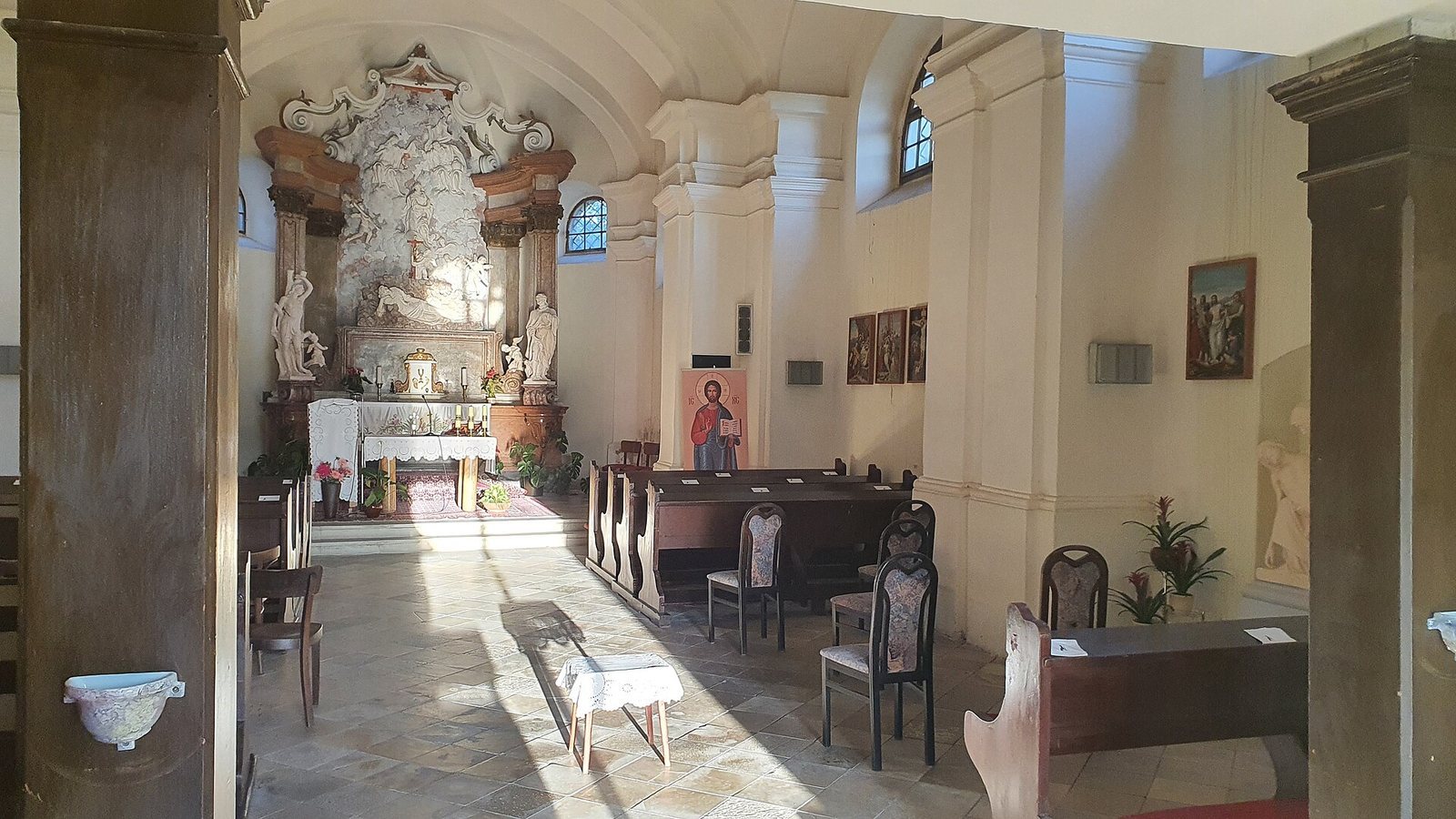
The building has undergone repairs at several points since its construction. Repairs took place in 1782, and its roof was replaced in 1904. A lightning strike before World War I damaged the interior and the cross. The cross was replaced, and the lightning damage was repaired in 1944. Major repairs followed in 1974–1975.