Servantikar: A Medieval Fortress Guarding the Bahçe Pass
Site at a Glance
- Popularity
- Medium
- Country
- Turkey
- Primary era
- Medieval
- Eras represented
- Medieval
- Civilizations
- Kingdom of Cilicia
- Site type
- Military
- Remains
- Castle
On this page8 sections
History
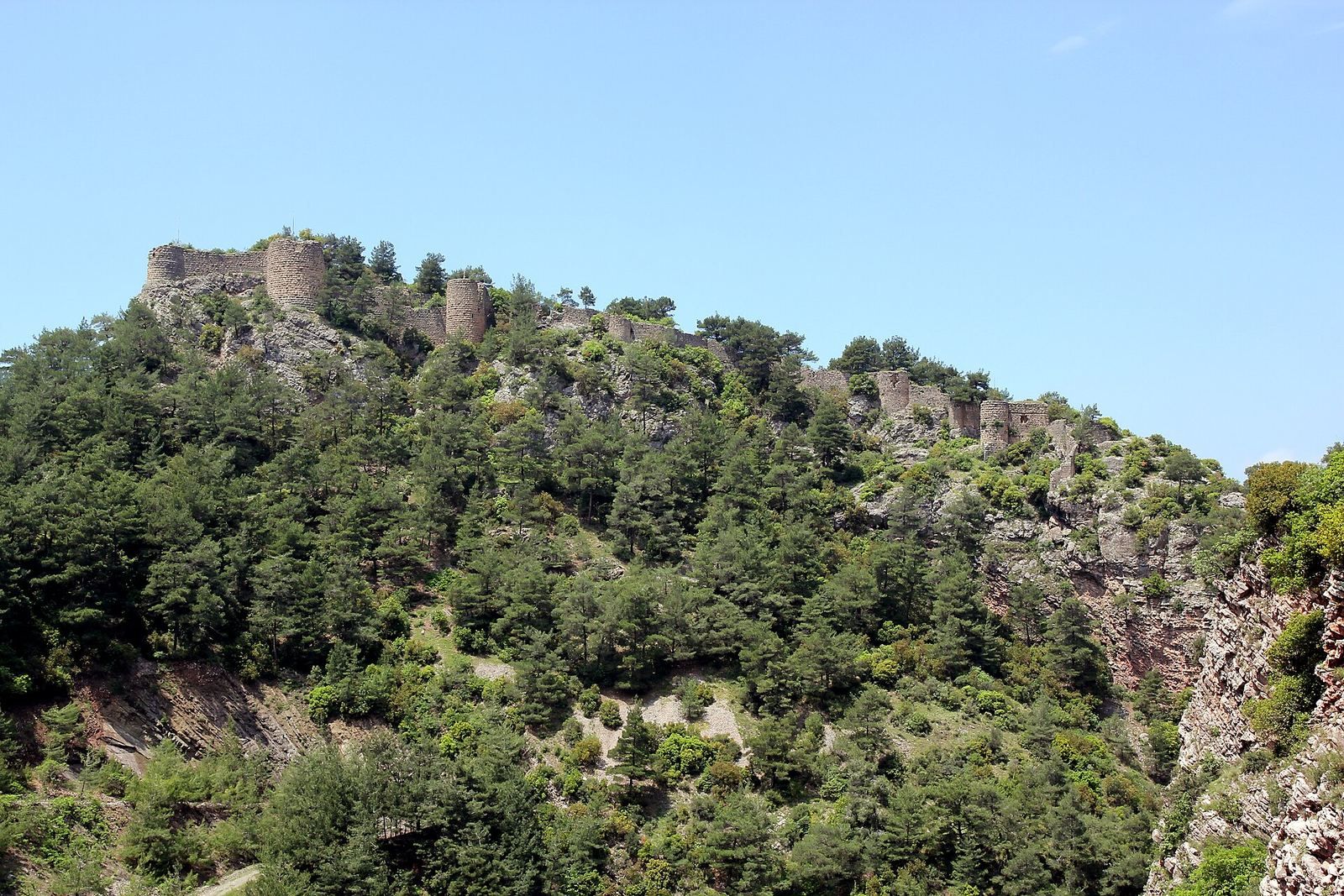
Servantikar is a partly ruined medieval fortress in the Amanus Mountains of Osmaniye Province, Turkey, about 115 km east of Adana. It belonged to the Armenian Kingdom of Cilicia, a medieval Armenian kingdom in southeastern Anatolia, and guarded a route through the mountains into the kingdom.
Built principally by Armenians at the commission of Frankish lords, Servantikar stood at the southern end of the Bahçe Pass, also known as the Syrian Gates. The name appears in several forms: Turkish settlers called the fortress Savranda, while older Armenian forms, Sarvandik’ar and Sarvandakar, mean “rocky plateau.” Its strategic position drew Byzantine, Armenian, and Crusader powers into competition, with brief periods of Byzantine occupation.
Early contests for the pass
In 1069, a Seljuk force crossed the Amanus Mountains near Servantikar and its Byzantine garrison. The Seljuks were a Turkic dynasty whose forces campaigned across parts of Anatolia and the Middle East. During the Crusading period, troops led by Tancred, a Norman Crusader leader, occupied the fortress and imprisoned Raymond of Saint-Gilles there in 1101 and 1102.
In 1135, the Rubenid ruler Levon I captured Servantikar from Antioch. Later, Raymond de Poitiers, prince of Antioch, and Baldwin of Marash attacked Levon’s lands. Levon drove them back with help from his nephew Joscelin of Edessa. During subsequent negotiations, Levon was trapped and captured, then taken to Antioch. He obtained his freedom by surrendering territories that included Servantikar, but soon recovered the lands he had lost.
Armenian rule and Mamluk campaigns
Control of the fortress changed hands several times between 1172 and 1185. From the 1190s, it remained in Armenian hands until 1298. Het’umid Baron Smbat and his heirs held Servantikar, while hereditary princes of the Het’umid dynasty administered the fortress and its surrounding district.
Armenian and Mamluk forces fought at Servantikar in 1266. The Armenians were defeated, and the Mamluks, a military ruling elite that governed Egypt and at times Syria and nearby territories, plundered part of Cilicia. Armenian forces defeated the Mamluks near the fortress in 1276. The Mamluks temporarily occupied Servantikar in 1298.
Transfer and modern study
In 1337, King Levon V agreed to transfer the lands east of the Ceyhan River, including Servantikar, to Muslim control. The Mamluks returned that year, ending Armenian rule in the region.
Construction of the Kalecik Dam and a hydroelectric station at the southern end of the pass began in 1977. The project destroyed the medieval village below the fortress. In 1979, archaeologist and historian R. W. Edwards completed a detailed historical and archaeological assessment of the fortress complex, including a surveyed plan.
Remains
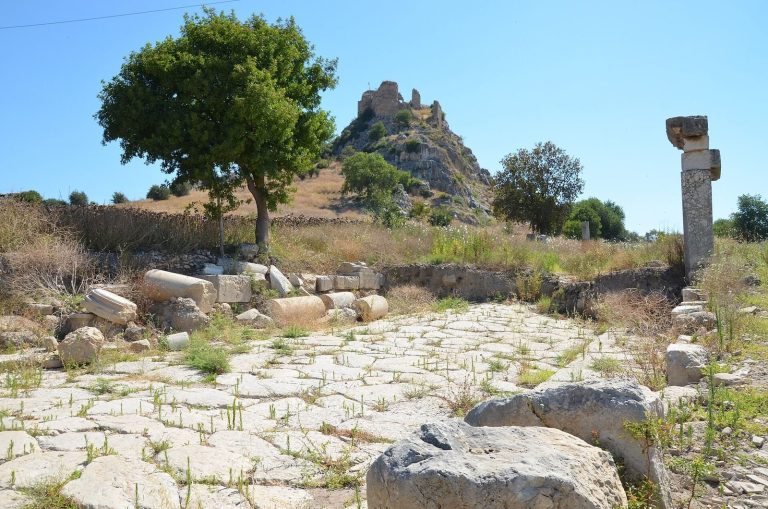
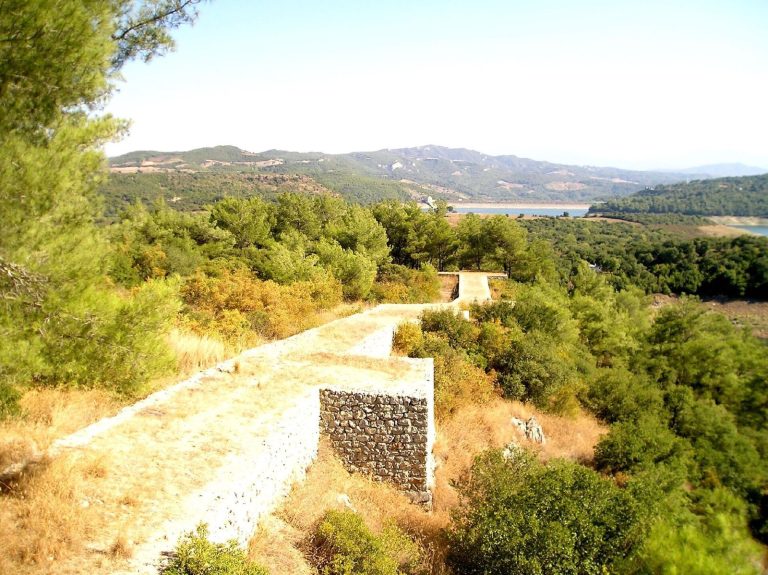
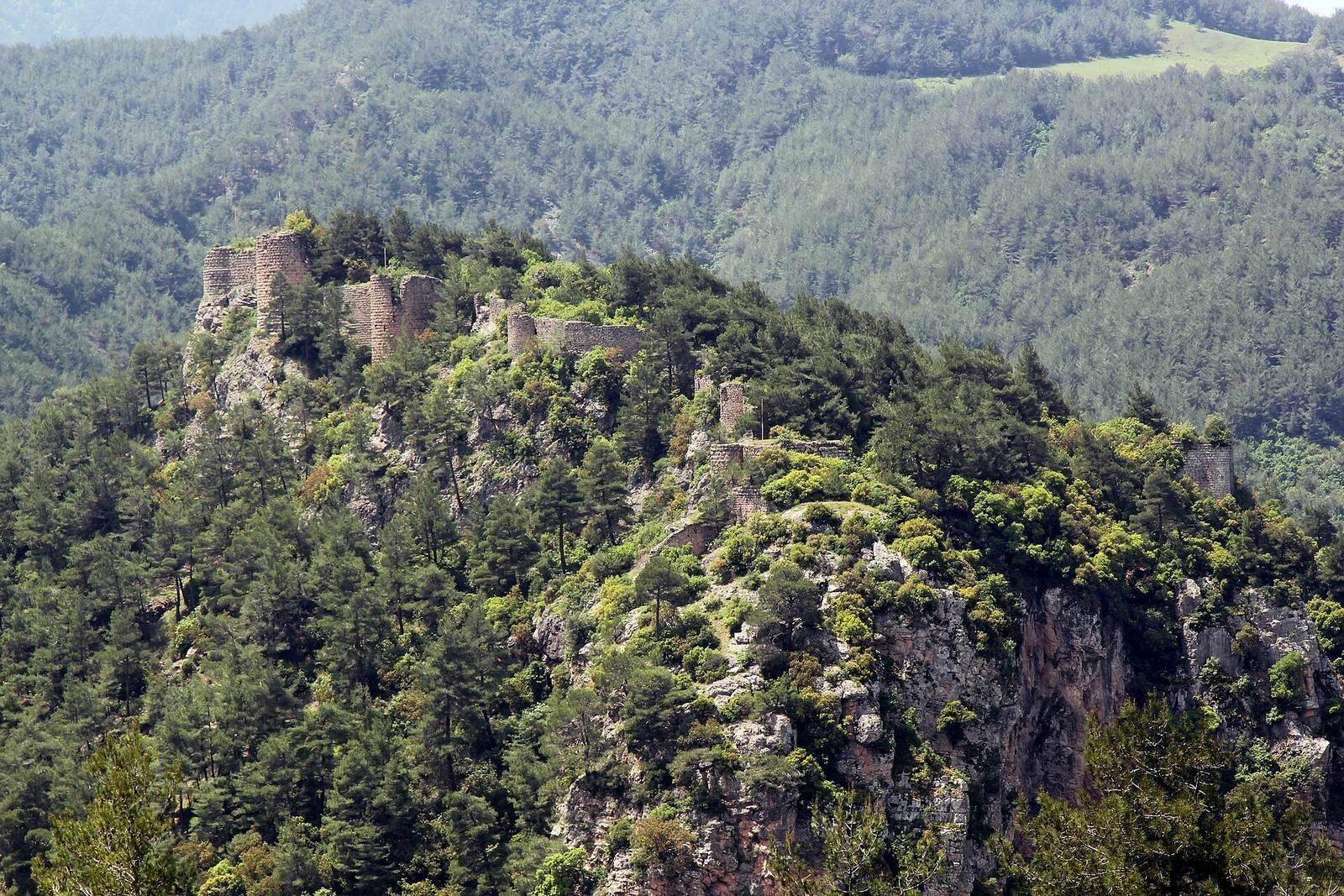
The partly ruined castle follows the uneven outline of a rocky outcrop. Its irregular plan includes two separate baileys, or enclosed castle courtyards, and walls made from carefully cut stone blocks with deliberately roughened faces.
Fortifications and chapel
Defenses and entrance
Towers and defensive walls linking fortified points protect the eastern and southern sides of the complex. Steep cliffs provide natural protection to the north and west. The defenses include round towers and an entrance arranged on a bent route.
Chapel and stonework
A small chapel is built into the perimeter wall just south of the gatehouse. The walls use finely worked blocks whose faces were roughened in a deliberate finish, combining carefully shaped stone with a rugged surface.