Maison Pelgrims: A Townhouse and Municipal Cultural Venue in Brussels
Site at a Glance
- Popularity
- Very Low
- Country
- Belgium
- Primary era
- Modern
- Eras represented
- Modern
- Civilizations
- Belgian
- Site type
- Domestic
- Remains
- Elite Residence
On this page4 sections
History
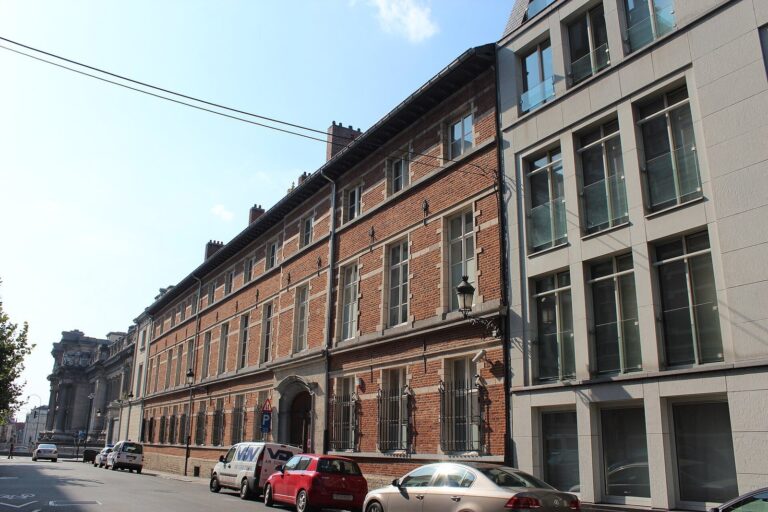
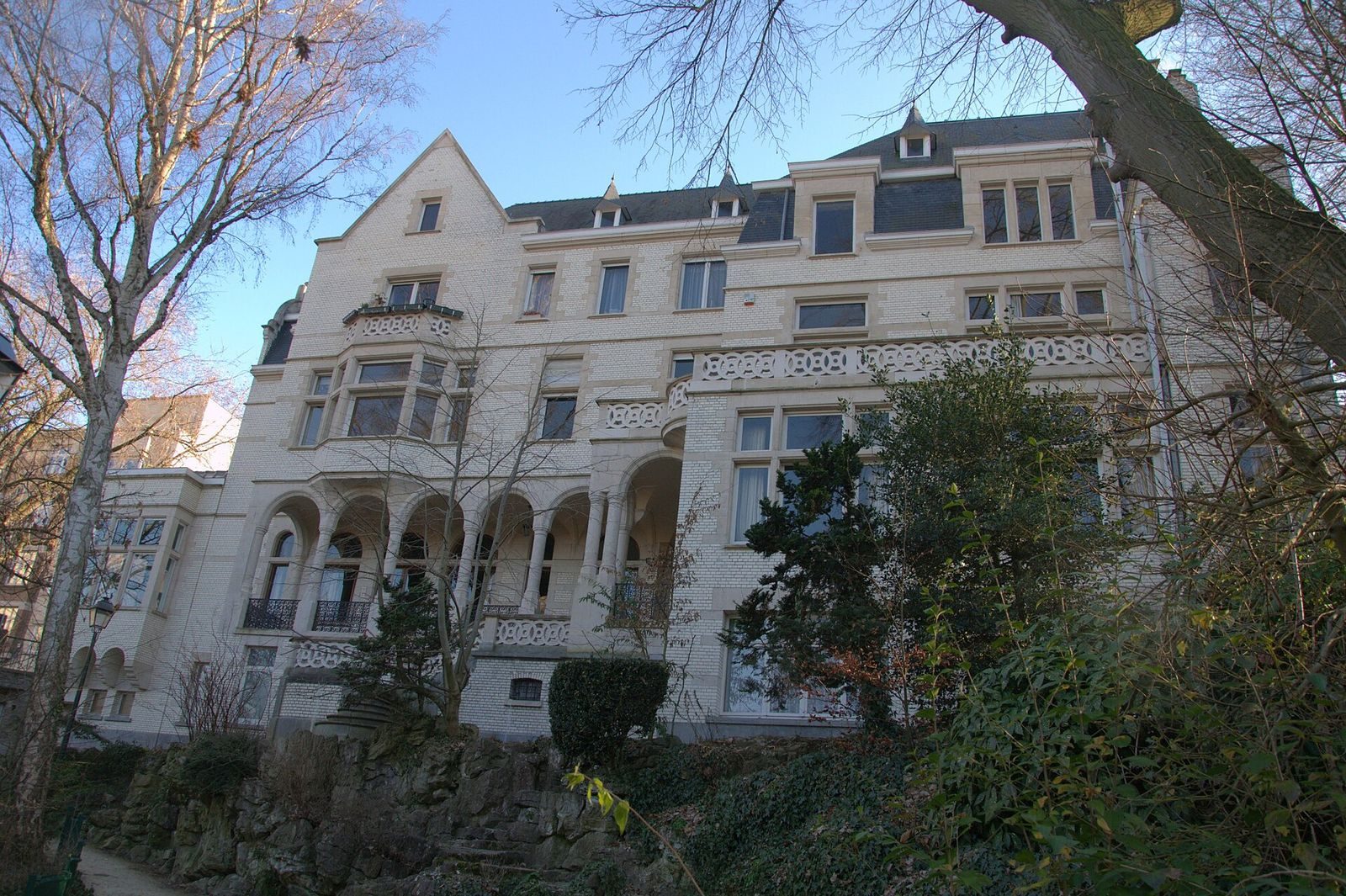
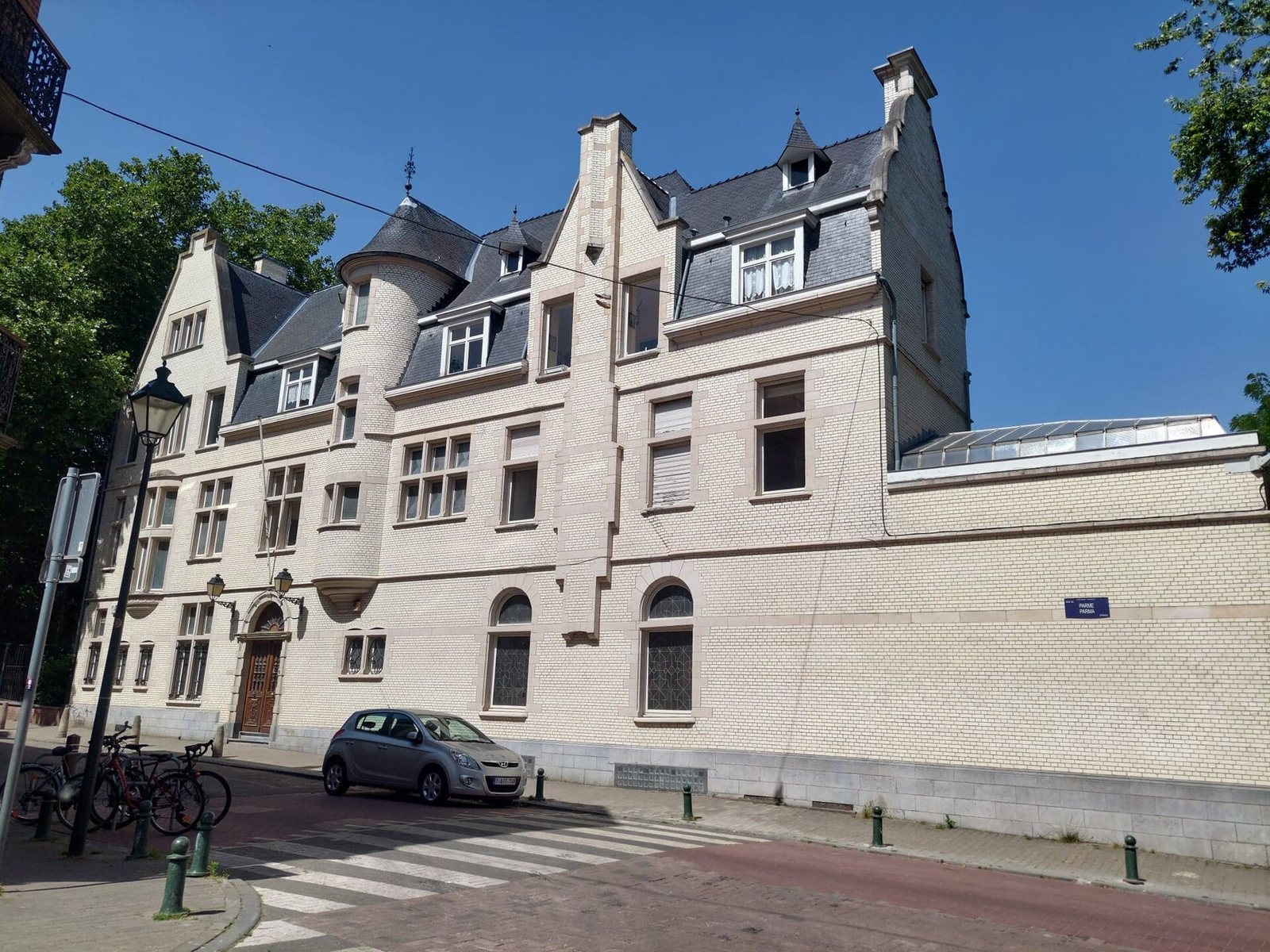
Maison Pelgrims is a townhouse in Saint-Gilles, Brussels, Belgium, designed and built in 1905 by Adolphe Pirenne for the Colson family. Its Eclectic design combines features from different architectural styles with Neo-Flemish Renaissance elements. The house was first called Les Cascatelles, a name associated with its view over a landscaped park and its small waterfalls.
Expansion and municipal ownership
In 1927, pharmacist and industrialist Eugène Pelgrims bought the house and commissioned architect Fernand Petit to enlarge and alter it. The building took Pelgrims’s name. Saint-Gilles municipality acquired it in 1963. The park was then neglected and the stables were in poor condition, and the property required substantial restoration.
Cultural use and protection
The municipality’s Culture Department established its offices in the house in 2000. Maison Pelgrims serves as a municipal cultural venue for creative activities, exhibitions, small concerts, and lectures. On 21 June 2001, it was designated a protected monument in recognition of the originality of its materials and construction.
Remains
The house stands beside Pierre Paulus Park, which formerly belonged to the property. Its exterior retains the Eclectic character of Pirenne’s original design, while the interior brings together several styles. Petit’s enlargement preserved the exterior’s original character. Pirenne’s interior plan also differed from the conventional Brussels-house arrangement of three rooms set one after another.
The styles vary across the building. The façade draws on the Flemish Renaissance, a regional Renaissance style, while the dining room, large sitting rooms, and other rooms use Neo-Renaissance forms, a later revival of Renaissance design. The winter garden is in the Art Deco style, characterized by geometric forms and modern materials. The garden reflects Romanticism, an artistic movement that often emphasized emotion and nature.
The original grounds included small waterfalls and stables. Much of the landscaped park was formed from the former garden of a nearby convent dedicated to Our Lady of the Cenacle, a Catholic title for the Virgin Mary associated with the room where Jesus’s disciples gathered. Today, the ground and first floors are used for creative activities, with the first floor serving as exhibition space; the municipal Culture Department occupies the second floor.