Fort de Montessuy: A Defensive Fort Built to Protect Lyon
Site at a Glance
- Popularity
- Low
- Country
- France
- Primary era
- Modern
- Eras represented
- Modern
- Civilizations
- French
- Site type
- Military
- Remains
- Fort
On this page4 sections
History
Construction and defence of Lyon
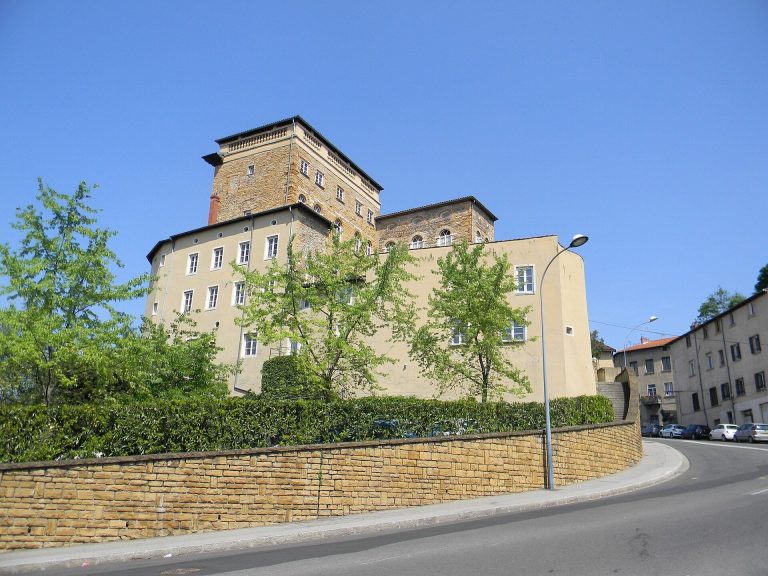
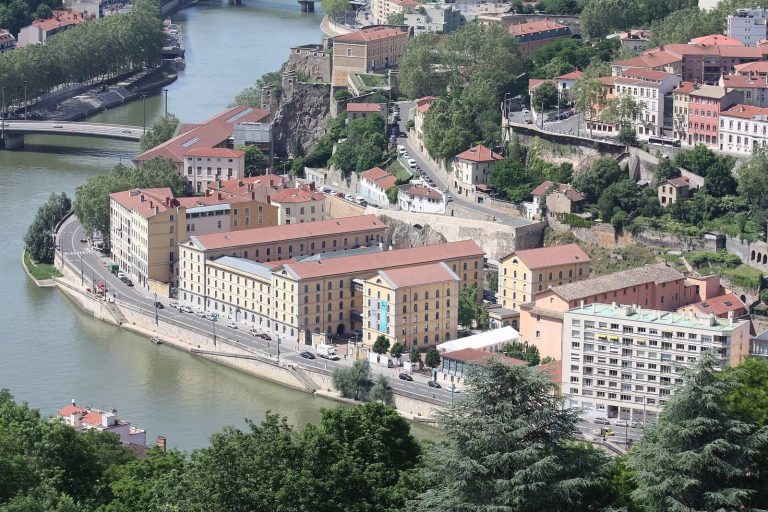
Fort de Montessuy is a nineteenth-century fort in the Montessuy neighborhood of Caluire-et-Cuire, France. French military engineer and architect Hubert Rohault de Fleury built it in 1831 as part of Lyon’s first belt, a line of fortifications designed to defend the city. The fort was intended to protect Lyon, especially the Croix-Rousse plateau, from a possible invasion along the road from the Dombes. On the north bank of the Rhône, it defended the river and Fort des Brotteaux. Because the northern approach was considered dangerous, additional defenses were built beyond the fort.
1944 and later use
On 24 August 1944, as German forces were leaving Caluire-et-Cuire, Jean Turba and Bernadette Choux watched from the fort through field glasses. Soldiers still stationed across the Rhône shot and killed them. An alley in Montessuy bears their names. A plaque at Jean-Jaurès School in Caluire commemorates Turba and two other former pupils who were victims of Nazi violence in 1944.
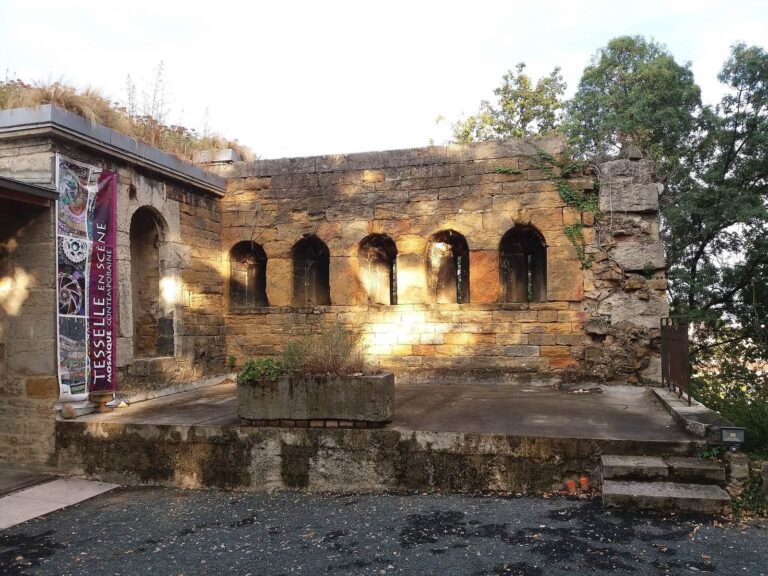
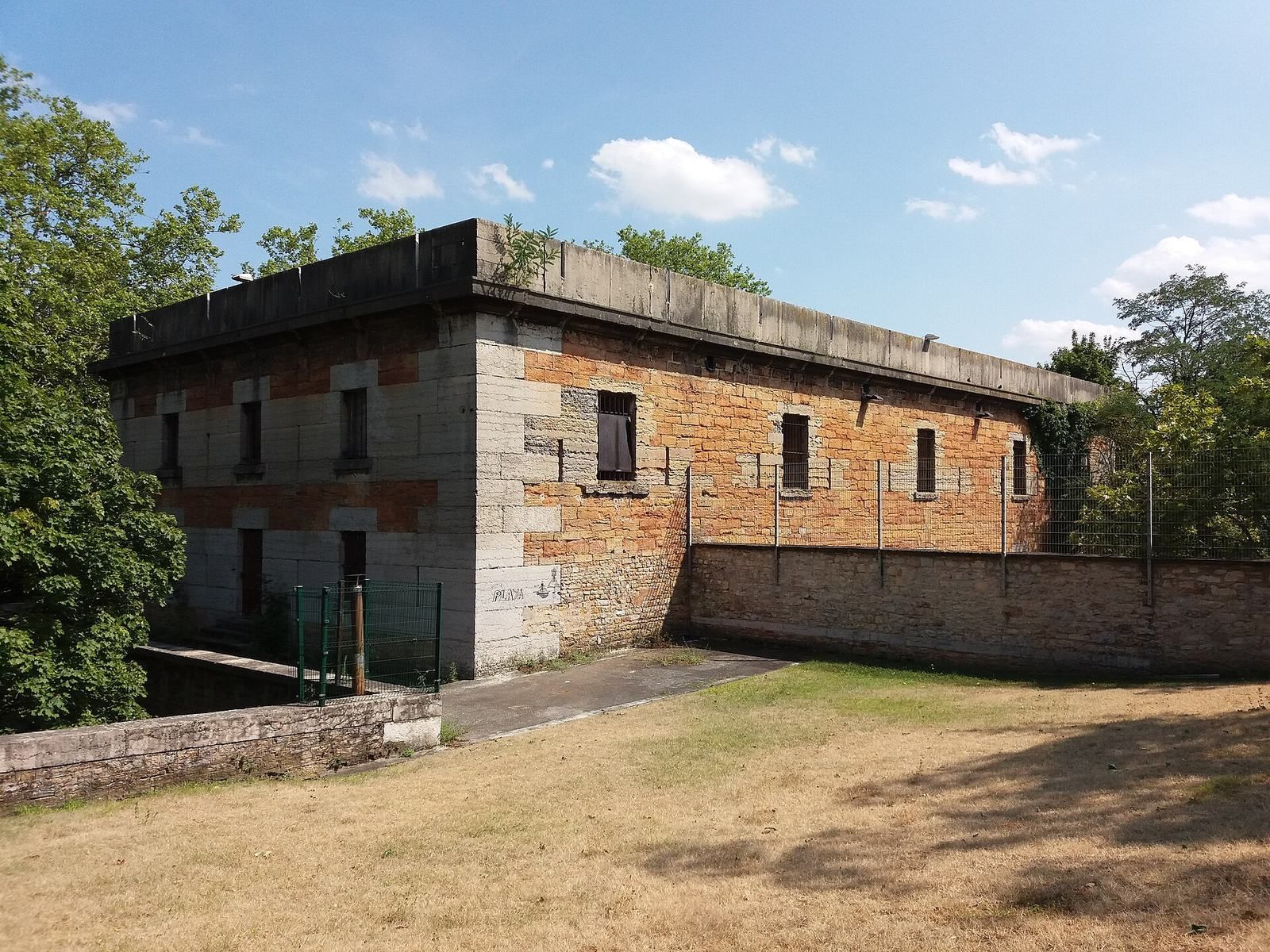
The municipality of Caluire-et-Cuire has owned the fort since 1972. Local associations use its surviving barracks.
Remains
The fort’s enclosure connected it to Fort de Caluire, its less imposing counterpart, and was aligned toward Île Barbe. To the north, a large ravelin (an outwork placed in front of a fort) stood ahead of the main fortification, with a lunette (a detached defensive work) farther out.
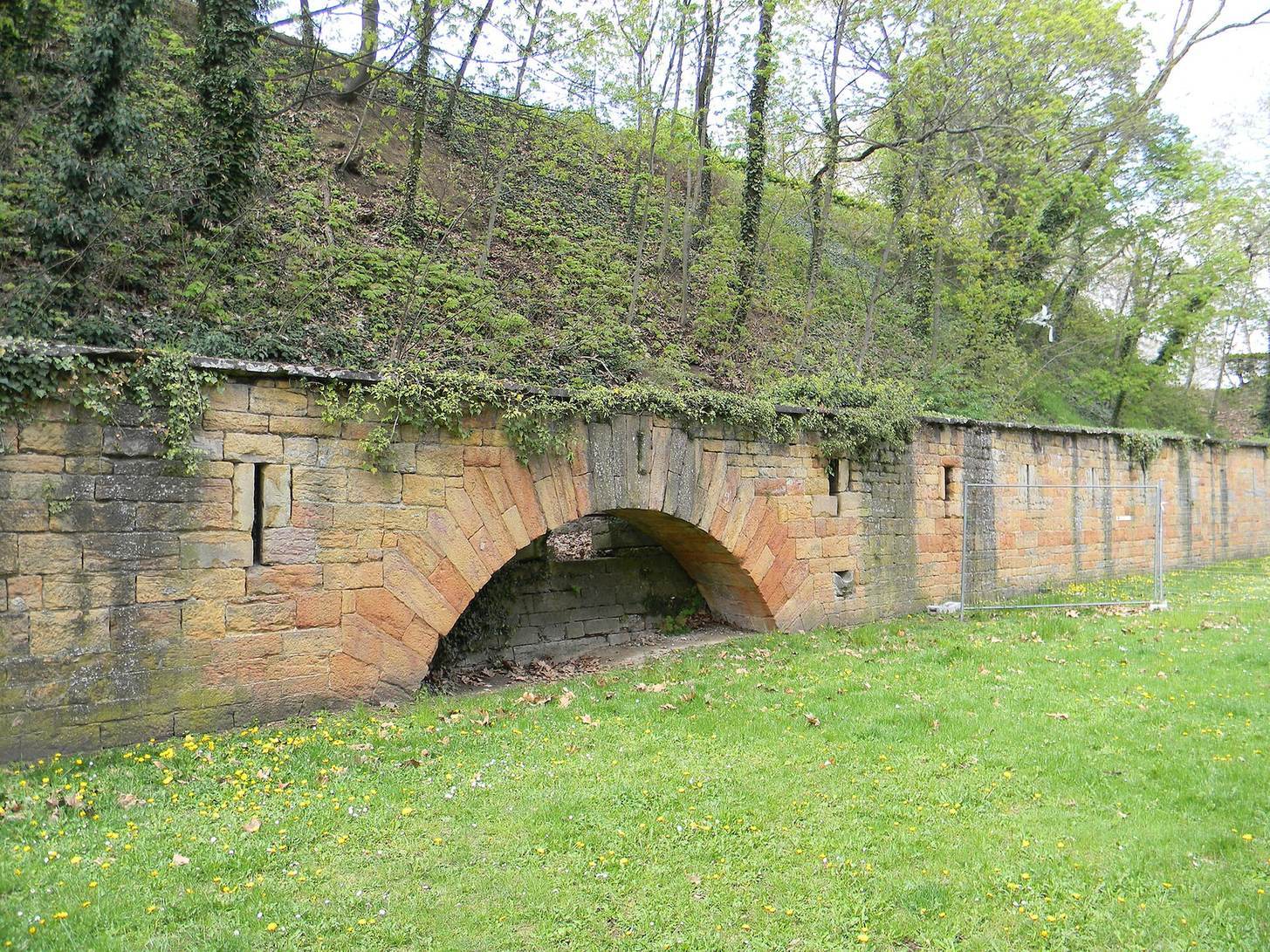
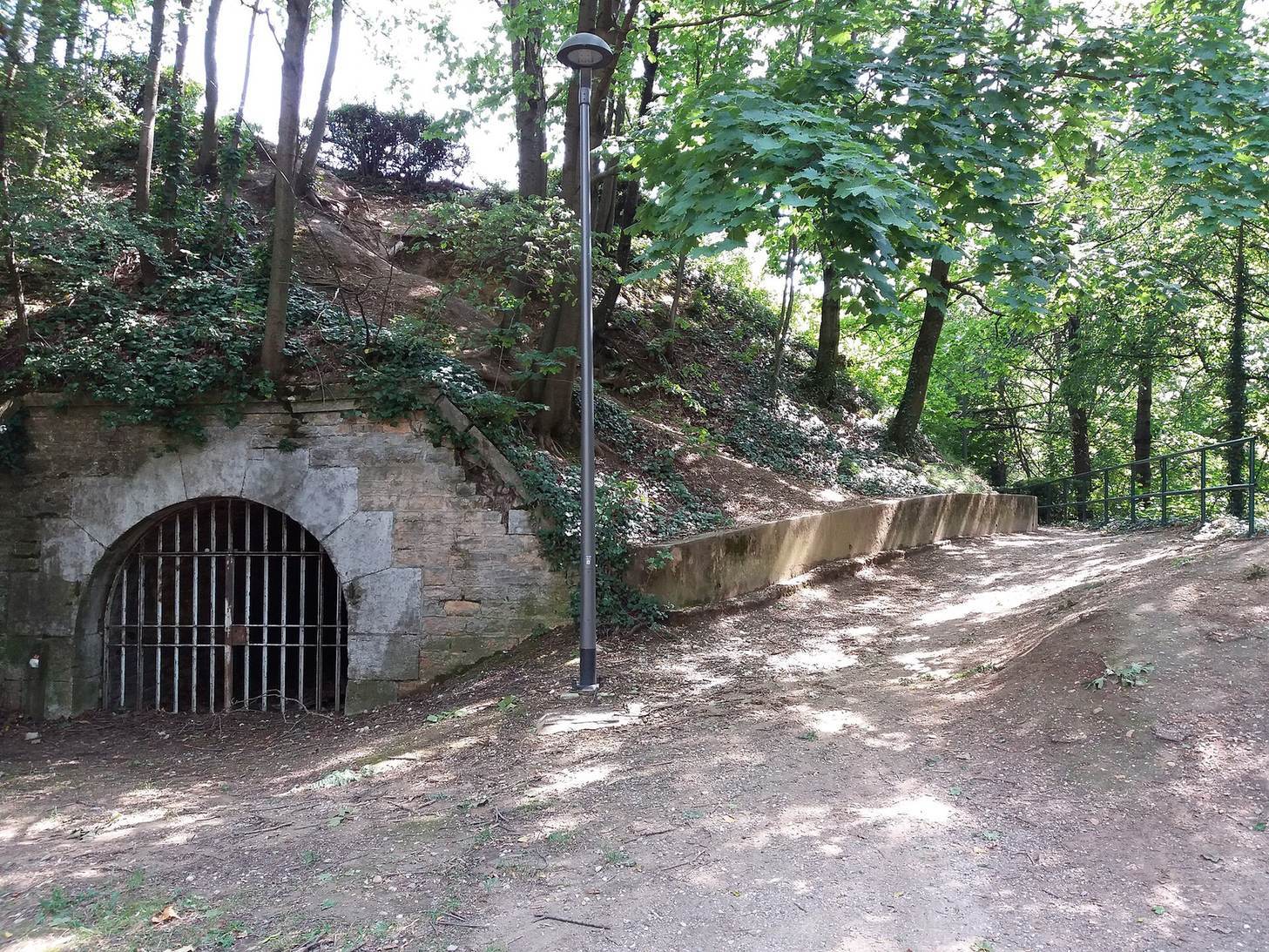
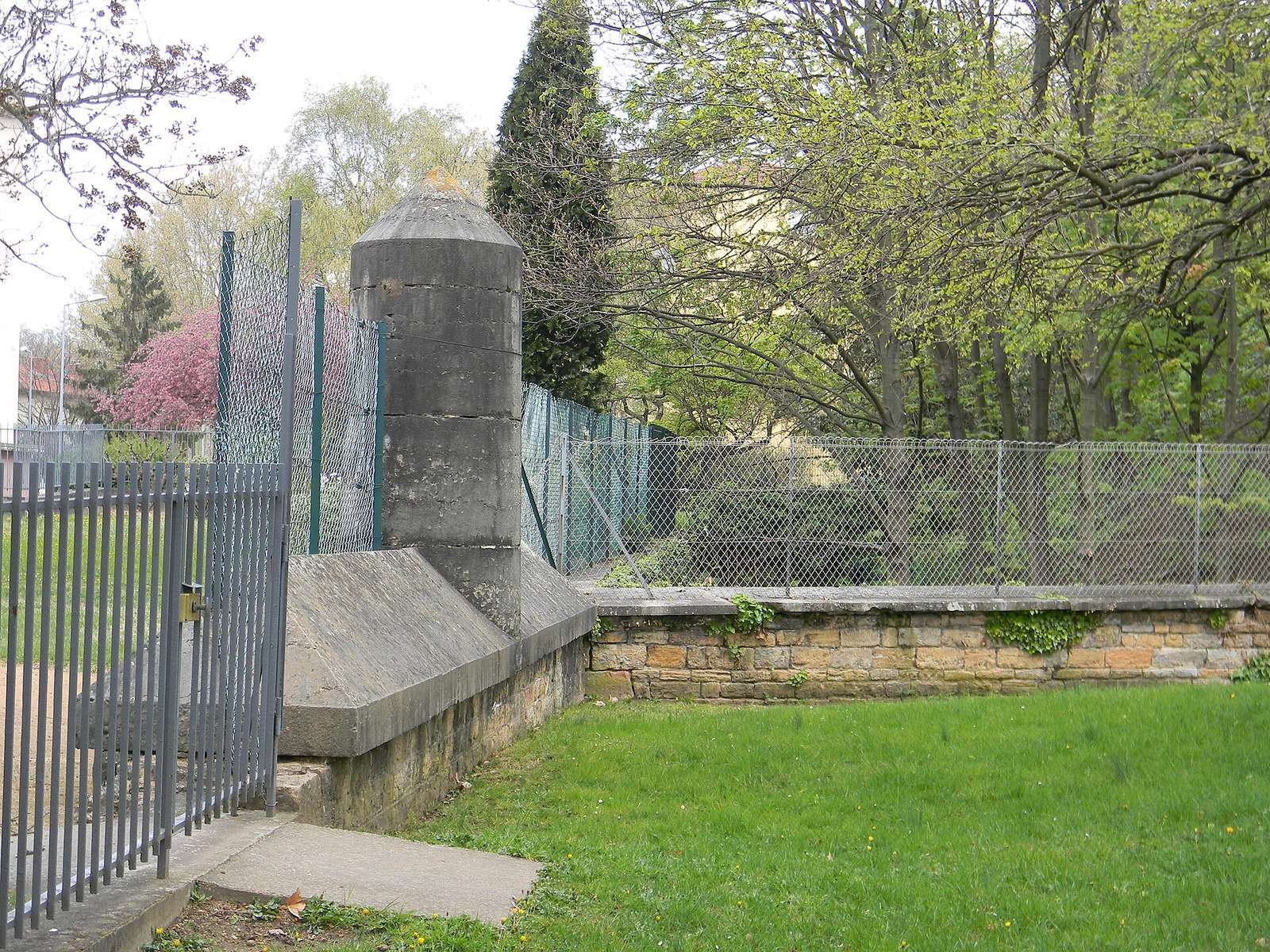
The moats were filled with earth from work associated with the construction of two apartment blocks in the heart of the Montessuy neighborhood. Vegetation has gradually covered the fort, though the tops of some steep outer slopes remain visible above ground. A stone column served to prevent attackers from moving along the top of the enclosure.
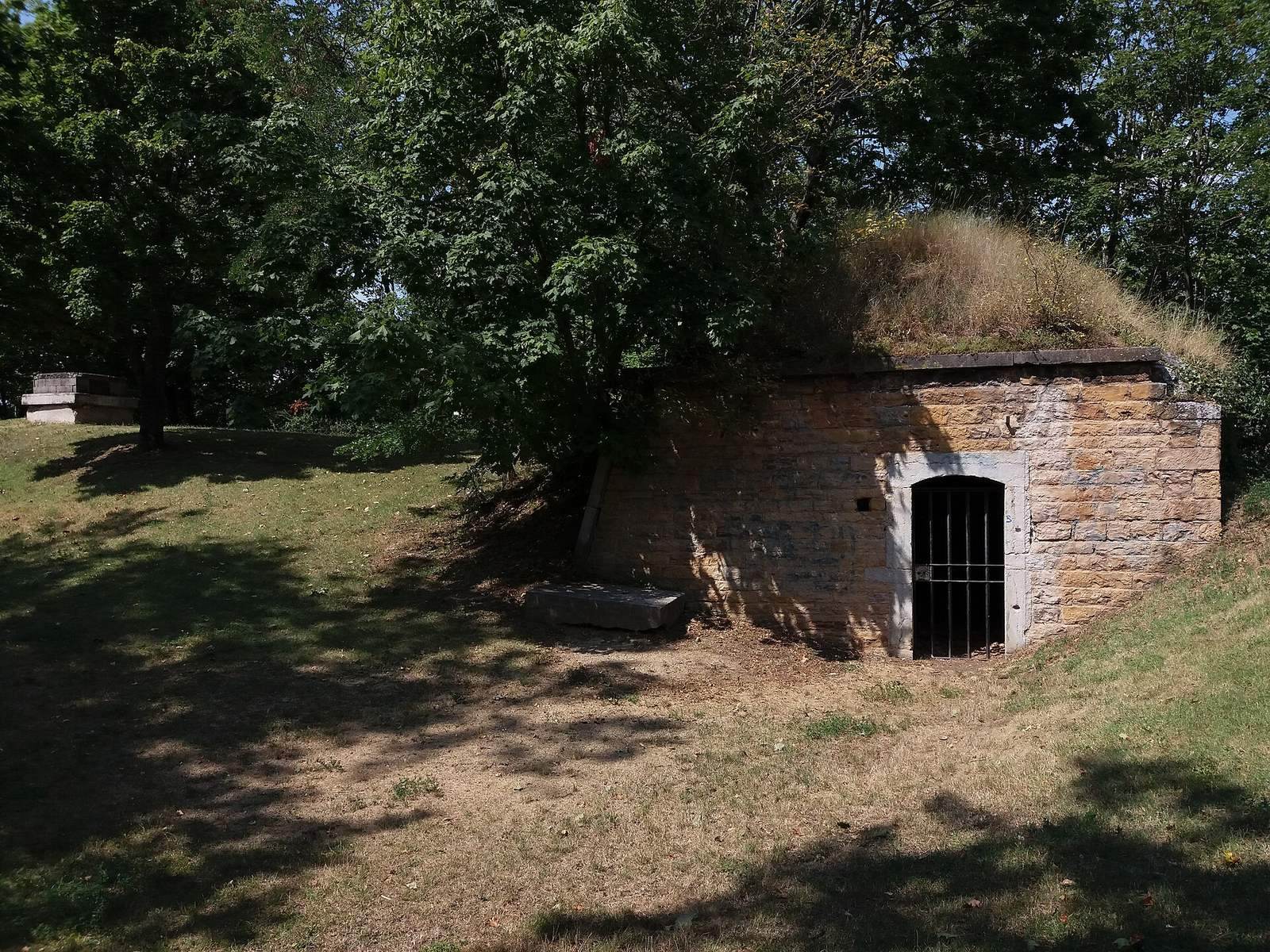
The barracks is the fort’s only surviving building. The fort’s exterior has been converted into green space.