Leibethra: An Ancient Macedonian City at the Foot of Mount Olympus
Site at a Glance
- Popularity
- Medium
- Country
- Greece
- Primary era
- Classical
- Eras represented
- Bronze Age, Iron Age, Classical
- Civilizations
- Kingdom of Macedon
- Site type
- City
On this page14 sections
History
Leibethra was an ancient Macedonian city at the eastern foot of Mount Olympus in Greece, with occupation of its elevated central stronghold, or acropolis, from the eighth to the first century BC. The surrounding area had been inhabited from at least the Bronze Age, and tombs dating to the thirteenth and twelfth centuries BC were found at Leibethra. The city was associated with the history of Pieria. Its name means “canals,” comparable to the Roman-era place-name Canalia.
The city and its end
Archaeological evidence indicates that the acropolis was occupied between the eighth and first centuries BC. Finds linked to its final settlement date to about 100 BC. During the Third Macedonian War, the second-century-BC conflict between Rome and the Macedonian kingdom, Roman forces established a military camp around 169 BC on the plain between Leibethra and Herakleion, now Platamonas.
The reason for the settlement’s final destruction is uncertain. An earthquake, possibly followed by flooding, has been proposed as an explanation.
Orpheus traditions
Greek traditions connect Leibethra with Orpheus, the legendary Greek poet and musician. Some place his birth in the city, while others locate it in a cave between Leibethra and Pimpleia, an ancient settlement near modern Litochoro. He was also said to have lived in Leibethra for a time. In one tradition, women killed him in anger, and the Muses, goddesses associated with the arts and knowledge, gathered and buried his remains below Mount Olympus. Nightingales were said to sing over his grave. The city was also linked to the Leibethrian Nymphs, female nature spirits, and the Muses were known by the epithet Libethrides in connection with the place.
The second-century AD Greek writer Pausanias relates a legend in which Dionysus, a Greek god associated with wine and religious rites, sent an oracle from Thrace warning that a boar would destroy Leibethra if sunlight reached Orpheus’s bones. The people dismissed the warning. Later, a shepherd carelessly moved the top of the grave, allowing sunlight to fall on the remains. The Sys, the ancient name for the Ziliana River, then rose in flood and destroyed the city. This legendary account differs from the uncertain explanations proposed for the settlement’s destruction.
Plutarch recounts another story involving Orpheus: a cypress-wood statue of the poet sweated when Alexander the Great, king of Macedon, set out against Persia. While many feared this as a bad omen, the seer Aristander urged Alexander to welcome it. He interpreted the sign to mean that the king’s deeds would inspire history and song, giving poets and musicians much to do.
The French archaeologist Léon Heuzey identified the location of ancient Leibethra in the nineteenth century, and André Plassart confirmed it in 1914.
Remains
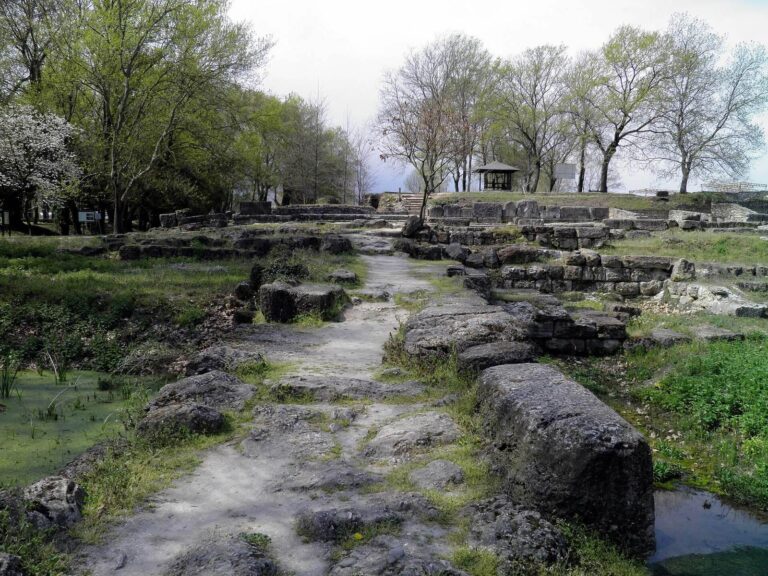
The archaeological area covers about 150 hectares on the left bank of the Ziliana River. Its fortified acropolis occupies about 1.5 hectares and rises to roughly 130 metres above sea level; a plain extends from it toward the coast. The Griva and Kavourolaka streams border the acropolis before flowing into the Ziliana. The site lies about four kilometres from the coast and two kilometres north of Skotina.
The ancient settlement
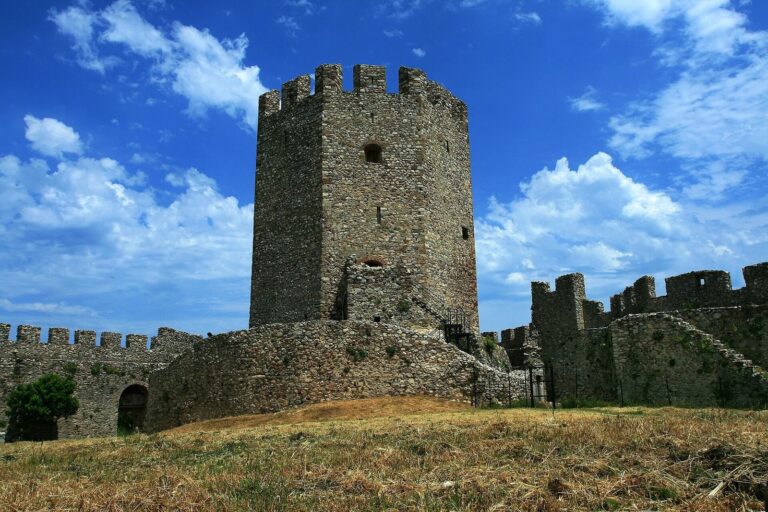
Acropolis walls and tower
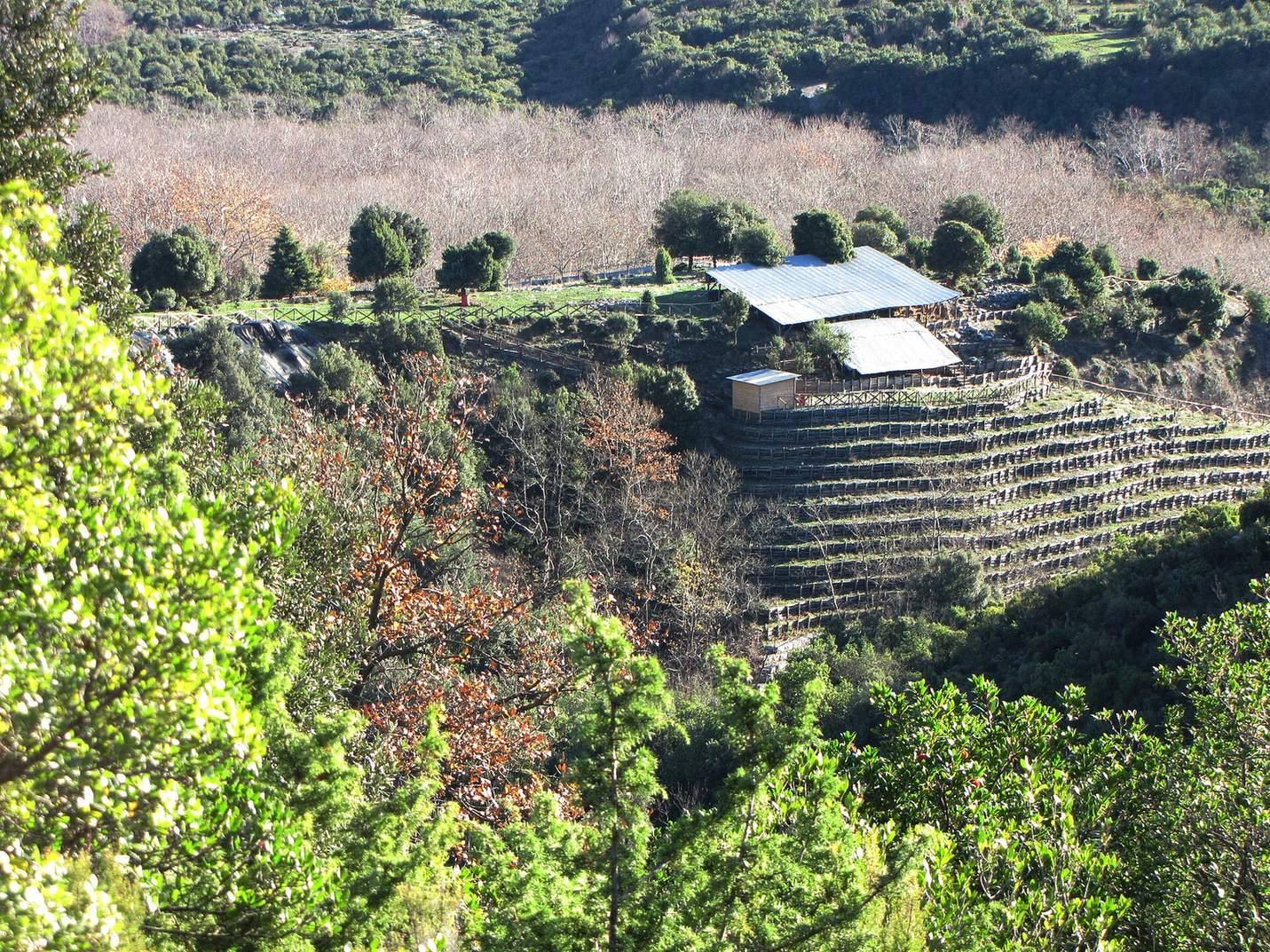
A wall enclosed the acropolis. Its northern section was built from small stones, while the southern section consists of large blocks laid in courses. The foundation of a tower has been uncovered on the western side. Exposed parts of the acropolis have protective coverings, and stone-filled metal baskets help stabilize the slope.
Dwellings and finds
Buildings of varying shapes stood irregularly along narrow streets. Their deep foundations indicate that they had multiple storeys; the upper walls were made of brick and the roofs covered with tiles. Large clay storage jars were found beneath dwelling floors. Other finds from the acropolis include mainly Macedonian silver coins, coins from elsewhere in Greece, small clay vessels, storage containers, fragments from metalworking, arrowheads and spearheads. A lead weight bears the inscription “LEIBE.”
Burials in surrounding settlements
Graves in Voulkani, Vakoufika, Palaia Leptokarya and Skotina contained weapons, tools and clay vessels as burial goods. These objects are held at the Archaeological Museum of Dion.
Winery on the eastern plain
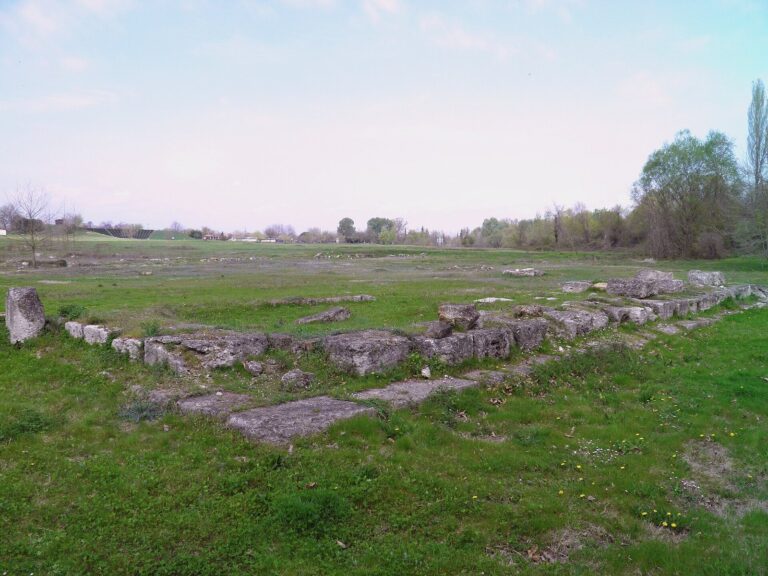
The foundation of a winery built in the mid-fourth century BC has been uncovered on the eastern plain. Fragments of a clay storage vessel with a capacity of nearly 2,000 litres are displayed at the Archaeological Museum of Thessaloniki.
The Archaeological Park
The Archaeological Park of Leibethra is dedicated to Mount Olympus and Orpheus. Its paths form the shape of a lyre, and the grounds are divided into areas for education and recreation, plants and myths, and forest and environment.
House models
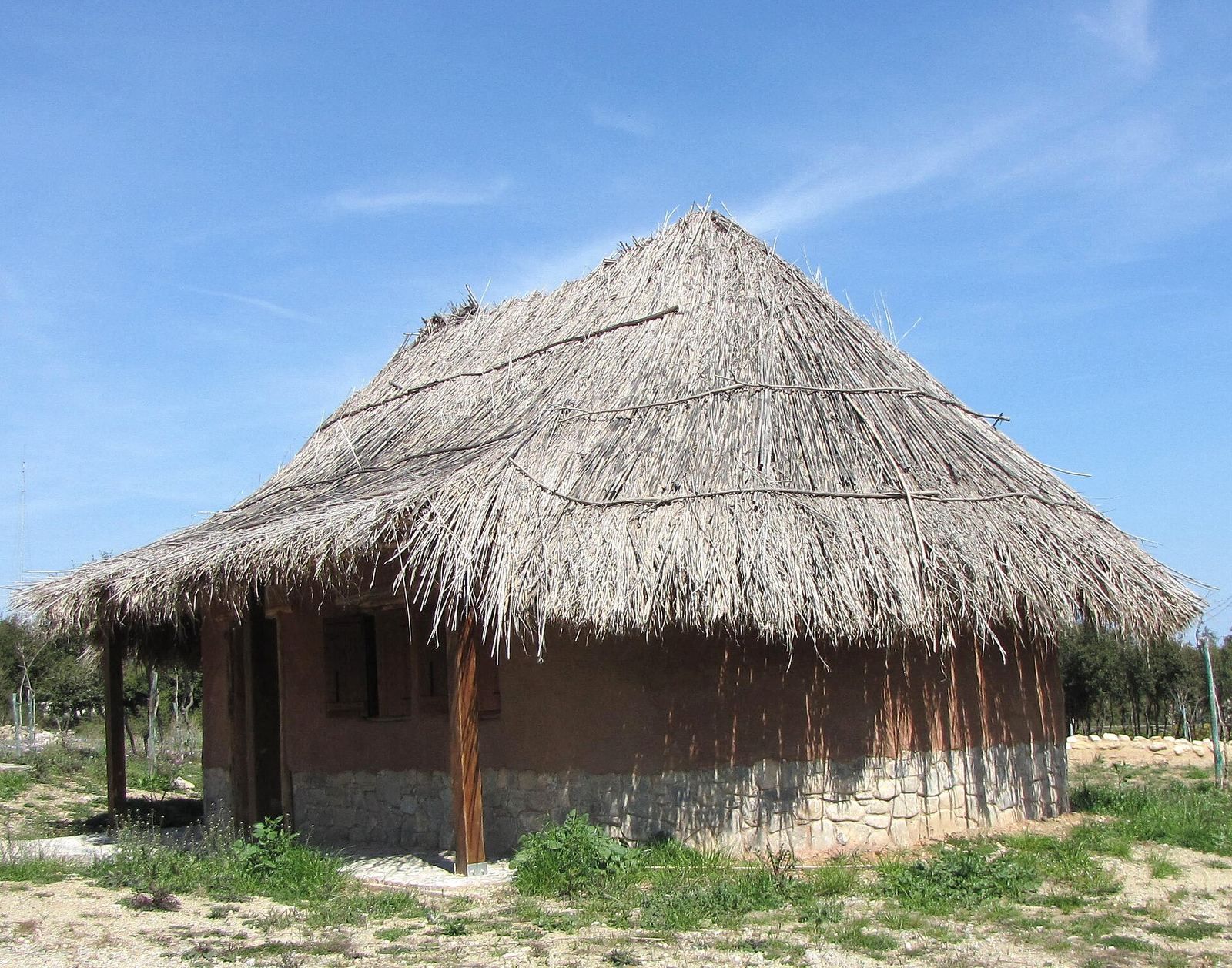
One feature presents the ground plan of a Mycenaean-period house, from the Bronze Age, discovered during road construction near Platamon. Another is an oval house model representing an eighth-century-BC design. Its plan follows a house excavated at Krania below Platamon Castle. The model has a stone foundation and wooden frame, with walls made from clay and straw mixed with goat hair and a roof of reeds.
Exhibition building
The park’s main building takes its form from the ancient winery whose foundation was excavated at Komboloi on the Leibethra plain. Its exhibition presents the region’s development from the Neolithic period through the destruction of the city.
Orpheus pavilions and theatre
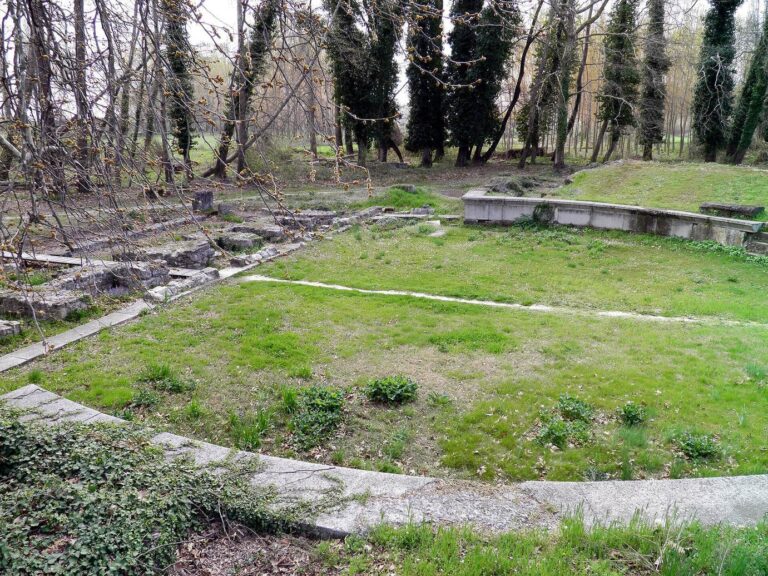
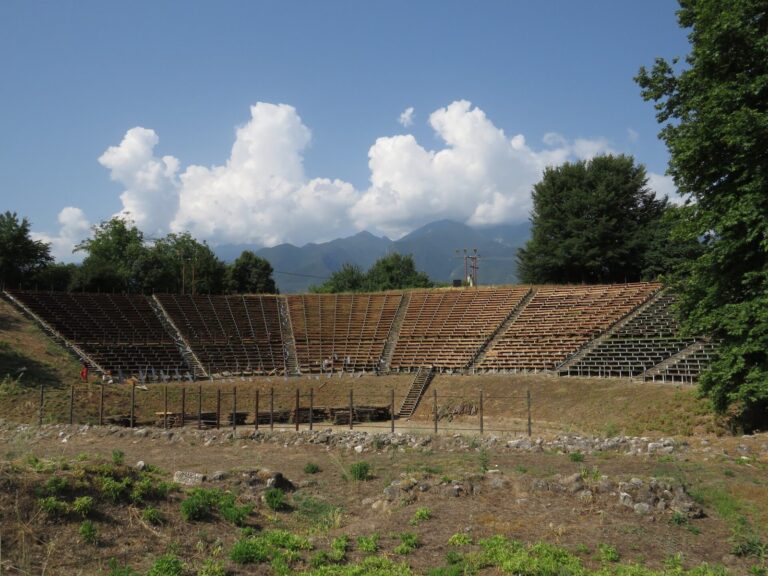
Four pavilions in the western part of the park present Orpheus and the Muses. Nearby, a small open-air theatre is shaped like an ancient amphitheatre. A staircase behind it leads to the archaeological site opposite.
Plantings and woodland
Plants associated with Greek mythology line the paths, with information boards explaining their mythical connections. A short woodland trail occupies the park’s southwestern part.